Yoga Poses for Sciatica Pain: Relief in 15 Minutes
That sharp, burning sensation radiating down your leg isn’t something you have to live with. Sciatica—compression of the sciatic nerve, usually from a tight piriformis muscle or disc issue—affects roughly 10% of people at some point, and most assume they’re stuck with it for months.
They’re wrong. Specific yoga poses work because they target the root cause: muscular tension and poor nerve mobility. Unlike rest (which often makes it worse) or jumping straight to aggressive stretching (which can aggravate inflammation), the right sequence gradually restores movement and reduces pain in as little as two weeks of consistent practice.
This guide gives you exactly which poses work, how to do them without making it worse, and a 15-minute routine you can start today. You’ll also learn what to avoid—because one common “sciatica stretch” actually makes most people hurt more.
What Is Sciatica? (And Why Yoga Can Be Your Most Powerful Tool)
Sciatica isn’t a diagnosis—it’s a symptom. And that distinction matters because it changes how you should approach relief.
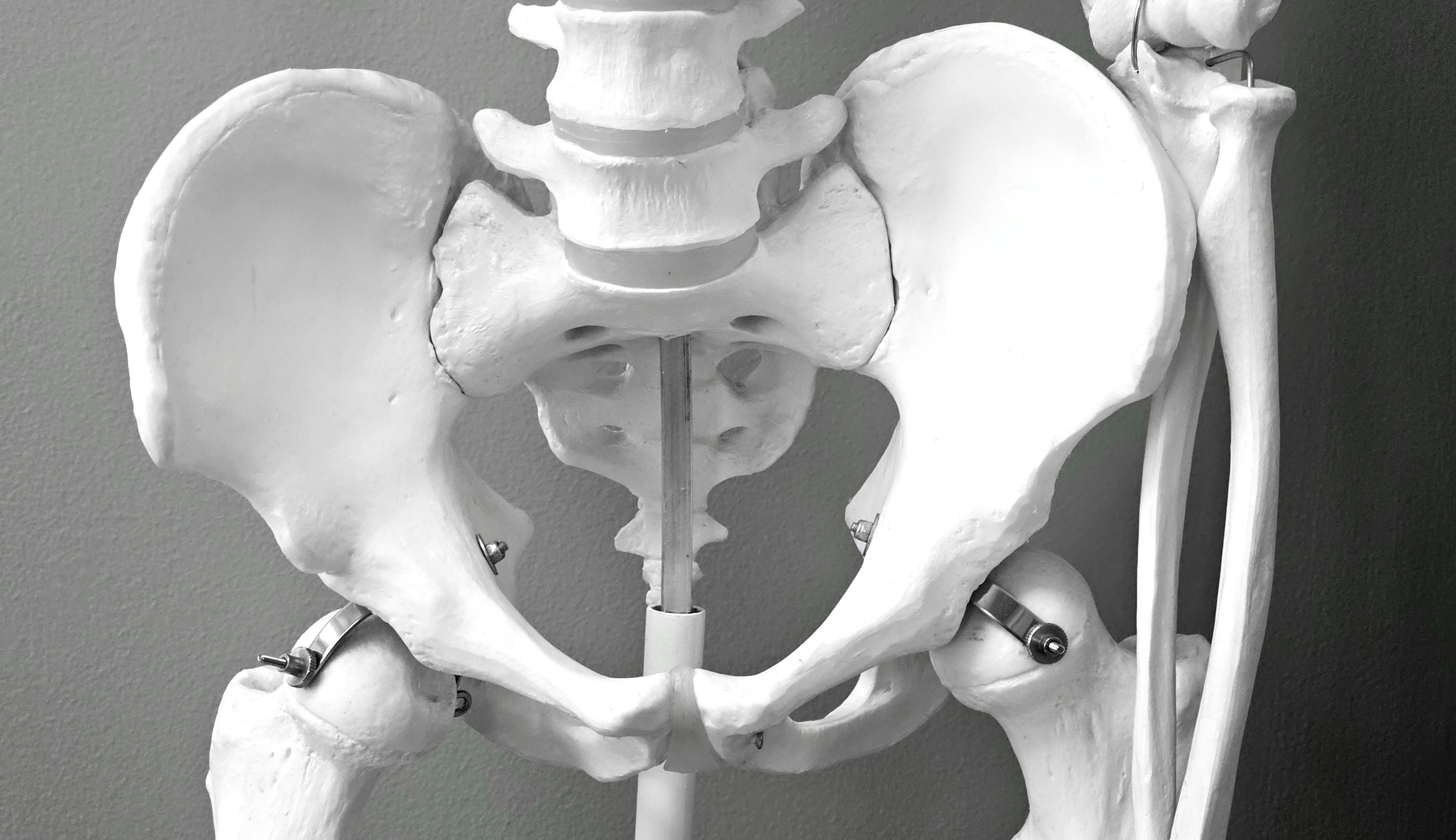
The sciatic nerve is the longest nerve in your body, running from your lower back through your hips, glutes, and down each leg. When something irritates or compresses this nerve—usually a herniated disc, piriformis muscle tightness, or inflammation—you get that distinctive pain: often sharp, burning, or electric-like, usually on one side, sometimes radiating from your lower back all the way to your foot. Some people describe it as a constant dull ache; others say it’s a shooting pain that makes them wince. Both are sciatica.
Here’s what most people get wrong: they treat sciatica like it’s something that just happens to them. They wait for it to pass, pop anti-inflammatories, or worse—they stop moving entirely. Research shows the opposite works better. A 2017 study in *Spine* found that people with sciatica who engaged in consistent, gentle movement and stretching recovered faster and had fewer recurrences than those who rested extensively.
This is where yoga becomes your most practical tool—not because it’s trendy, but because it addresses the root causes. Yoga works through three mechanisms: it releases the tight muscles compressing the nerve (especially the piriformis and hip flexors), it gently mobilizes the spine to reduce disc pressure, and it builds the stabilizing strength in your core and glutes that prevents the problem from coming back. You’re not just treating pain; you’re fixing what caused it.
The key is specificity. Generic stretching won’t cut it. You need poses that target the exact tissues irritating your sciatic nerve, done with proper alignment and progression. Done wrong, yoga can actually aggravate sciatica. Done right, most people see meaningful relief within 2-3 weeks of consistent practice—not because the pain vanishes overnight, but because you’re systematically removing the mechanical interference.
Yoga Poses for Sciatica Pain Relief

Let’s be direct: not all yoga poses help sciatica, and some can make it worse. The goal here isn’t flexibility for its own sake—it’s to reduce pressure on the sciatic nerve by addressing the muscular imbalances and tightness that typically cause the problem. Research shows that targeted poses work best when they focus on hip external rotators (especially the piriformis muscle, which often compresses the nerve), spinal decompression, and gentle hamstring release.
The poses we’re focusing on share a common mechanism: they lengthen tight muscles without forcing your spine into positions that increase nerve irritation. This is why deep forward folds or aggressive twists often feel terrible when you have sciatica—they can compress the nerve further. We’re taking the opposite approach.
Before we move into specific poses, here’s the honest part: you likely won’t feel relief from a single 30-second hold. Sciatica is a stubborn problem because it’s usually months or years in the making. That said, consistent practice—especially when combined with strengthening work and postural awareness—produces measurable results in 2–4 weeks. Studies on yoga for sciatica show pain reduction of 30–50% when people commit to regular practice, though individual timelines vary based on severity and how long you’ve had the pain.
One common mistake: holding poses too long or pushing into pain. Your nervous system is already irritated; aggressive stretching can trigger protective muscle guarding, which makes everything tighter. Instead, you’re aiming for a gentle, sustained sensation—maybe 4 or 5 out of 10 intensity, held for 60–90 seconds. If you feel sharp pain, tingling, or numbness radiating down your leg, back off immediately.
Each pose below includes beginner, intermediate, and advanced variations so you can scale based on your current pain level and mobility. The key is consistency over intensity. Three sessions per week of 10–15 minutes beats one aggressive 60-minute session when you’re dealing with nerve pain.
Yoga Stretches for Sciatica Relief

Here’s what separates effective stretching from the kind that feels good for five minutes then leaves you right back where you started: specificity and duration. A quick quad stretch before bed won’t touch sciatic nerve irritation, but a sustained, progressive stretch that targets the piriformis and hip external rotators—the muscles most likely compressing your nerve—creates lasting decompression. Research in the Journal of Physical Therapy Science shows that consistent, moderate-intensity stretching over 4-6 weeks produces measurable reductions in sciatic pain, whereas sporadic stretching produces almost nothing.
The key principle here is *time under tension*. When you stretch a tight muscle that’s been guarding against pain, you’re not just lengthening tissue—you’re signaling your nervous system that it’s safe to release. This takes 60-90 seconds per stretch, minimum. Most people hold for 20 seconds, feel a slight pull, and move on. That’s why they see no change. You need to settle into the stretch, breathe deeply (this activates your parasympathetic nervous system), and let the muscle gradually lengthen.
The most common mistake I see: people stretch *into* pain instead of *to* discomfort. There’s a real difference. Discomfort feels like a gentle, sustained pull. Pain—especially sharp, shooting pain down your leg—is your body’s red flag. If you feel sciatic pain radiating below the knee during a stretch, you’ve gone too far. Back off immediately. This isn’t about toughness; it’s about respecting your nervous system’s warning system.
The stretches in the next section are designed to work synergistically—hitting the piriformis, glute medius, hamstrings, and hip flexors in sequence. They’re meant to be held longer and performed more frequently than the poses you just learned. Think of poses as active strengthening that builds stability, and stretches as the recovery work that releases the tension that’s been building from years of sitting, poor posture, or movement compensation. Both matter. Neither alone is enough.
Yoga Routine for Sciatica: Your 15-Minute Relief Sequence

Here’s the truth: a scattered approach to sciatica relief rarely works. Your nervous system needs consistency and progression, not random poses thrown together. This 15-minute sequence is designed with a specific logic—it starts with gentle neural mobilization, moves into targeted hip and glute release, and finishes with stabilization work. Do this 4–5 times per week for at least 3 weeks before expecting noticeable relief. That timeline isn’t arbitrary; it’s how long it takes your nervous system to downregulate and your muscles to lengthen under load.
Minutes 0–3: Neural Calm (Gentle Mobilization)
Start seated in a comfortable cross-legged position. Take 10 slow breaths, mentally scanning where you feel tightness. This isn’t meditation theater—you’re establishing a baseline and signaling your nervous system that this is safe movement. Move into a gentle seated spinal twist (30 seconds each side), keeping your chest open. The goal here is to create space in your lower back before loading it.
Minutes 3–9: The Release Phase (Deep Hip Work)
Pigeon Pose is non-negotiable here—it’s where most sciatica sufferers find immediate relief because it directly addresses piriformis tension. Hold for 60–90 seconds per side. You should feel a deep stretch in the glute, not sharp pain. If you feel nerve pain, back off slightly; this is the most common mistake people make. Follow with a low lunge (90 seconds per side) to open the hip flexors, which are often locked tight and pulling your pelvis forward. This anterior tilt is usually driving sciatic compression in the first place.
Minutes 9–15: Stabilization and Integration
Bridge Pose (3 sets of 8 reps, 2-second hold) activates your glutes and teaches your lower back to stay neutral under load. This is prevention work—weak glutes mean your hamstrings and lower back compensate, perpetuating sciatic irritation. Finish with Child’s Pose (60 seconds) to reset. Your nervous system needs a clear “we’re done” signal.
The magic isn’t in any single pose—it’s in the repetition and the progression. If this feels too easy after two weeks, add a second round or hold poses 15 seconds longer. Your body will tell you when it’s ready for more intensity.
Exercises for Sciatica Relief Beyond Yoga

Yoga is powerful, but it’s not a complete solution on its own—especially if your sciatica stems from muscular imbalances or postural dysfunction. The sciatic nerve gets irritated when surrounding muscles (particularly the piriformis deep in your glutes and your hip flexors) are either too tight or too weak. Yoga addresses flexibility beautifully, but you also need strength work to stabilize your spine and hips long-term. Think of it this way: stretching a tight muscle feels good immediately, but if the muscles supporting your pelvis are weak, you’ll keep returning to that same tight, painful state.
Glute bridges are your foundation move here. Lie on your back, knees bent, feet flat. Drive through your heels to lift your hips until your body forms a straight line from knees to shoulders. Hold for 2 seconds at the top—this is where the glutes actually fire—then lower. Do 3 sets of 12-15 reps, 2-3 times per week. Most people rush this exercise, but the pause at the top is non-negotiable. Your glutes have likely been “asleep” from sitting, and you’re literally waking them up to take pressure off the sciatic nerve.
Bird dogs build spinal stability without the compression of traditional exercises. Start on hands and knees, then extend your right arm forward and left leg back simultaneously, creating a straight line. Hold for 1-2 seconds, return, and alternate. Do 10 reps per side for 3 sets. This teaches your core to stabilize your spine without flexing it (which aggravates sciatica), and it’s gentle enough to do even on painful days.
Clamshells target your hip abductors and external rotators—muscles that prevent your femur from internally rotating and compressing the sciatic nerve. Lie on your side, knees bent, feet together. Lift your top knee while keeping feet touching. 15-20 reps per side, 3 sets. You should feel this in your outer hip, not your lower back.
The realistic timeline: these exercises take 4-6 weeks to meaningfully reduce pain because you’re rebuilding muscle patterns, not just stretching. Combine them with your yoga routine for the best results. Strength without flexibility, or flexibility without strength, leaves you incomplete.
Yoga Poses for Sciatica Pain: What to Avoid (And Why)

Here’s the hard truth: some yoga poses will make your sciatica worse, not better. This isn’t a sign that yoga doesn’t work for you—it’s a sign that you need to respect the biomechanics of your injury. The sciatic nerve gets irritated when your lumbar spine flexes excessively or when the piriformis muscle (deep in your glutes) compresses the nerve. Certain poses do exactly that, which is why they feel good in the moment but leave you limping the next day.
Forward folds—both standing and seated—are the primary culprit. When you hinge at the hips and round your lower back, you’re increasing disc pressure and stretching an already-inflamed nerve. This is the mistake I see most often: people with sciatica assume they need to “stretch it out,” so they grab their toes in a forward fold and wonder why the pain radiates down their leg. The relief feels temporary because you’re numbing the area, not healing it.
Similarly, avoid deep twists that rotate your lumbar spine, especially when combined with forward flexion—like revolved triangle or intense spinal twists. Pigeon pose, while popular for hip opening, can compress the sciatic nerve if you’re not extremely cautious with your alignment. If you do attempt it, keep your torso upright and only fold forward minimally.
Full wheel pose, deep backbends, and any inversion (like headstands) should be off-limits until you’re pain-free for at least 4-6 weeks. These poses increase spinal extension and intra-disc pressure—the opposite of what your irritated nerve needs.
The key principle: sciatica recovery prioritizes gentle neural mobility over aggressive stretching. Your nervous system is defensive right now. Forcing it into extreme ranges triggers protective muscle guarding, which perpetuates the cycle. Instead, focus on the gentle, progressive poses outlined earlier—the ones that decompress your spine and calm your nervous system. Pain is feedback, not a challenge to overcome. Listen to it.
CONCLUSION

Sciatica doesn’t have to be a chronic sentence. The evidence is clear: targeted yoga practice—when done consistently and with proper form—can reduce nerve irritation, restore mobility, and address the root cause rather than just masking pain. You now have the specific poses (pigeon, supine figure-four, child’s pose), the stretches that lengthen tight muscles, and a realistic 15-minute sequence you can do daily. You also know exactly which movements to avoid so you don’t accidentally aggravate the nerve further. That’s a complete toolkit.
But here’s the honest part: knowing what to do and actually doing it are different things. Most people feel relief after one or two sessions and then stop—then wonder why the pain returns in two weeks. Sciatica relief isn’t about the perfect pose; it’s about consistency. Your nervous system needs repeated, gentle signals that the irritation is resolving. That takes three to four weeks of regular practice to show measurable improvement, and two to three months to feel truly stable. This isn’t hype. This is how tissue adaptation and nerve desensitization actually work.
Your next step is simple but non-negotiable: pick one time of day—morning, lunch break, or evening—and commit to the 15-minute sequence three to four times per week for the next 30 days. Not “when you remember.” Not “when it hurts.” Scheduled. Consistent. Write it in your calendar like it’s a meeting you can’t miss. On the other days, do one or two of your favorite poses for five minutes. This isn’t punishment. It’s maintenance.
If pain worsens, doesn’t improve after four weeks, or radiates below the knee with numbness, see a physical therapist or doctor—yoga is powerful, but it’s not a substitute for professional diagnosis when something isn’t responding. For most people, though, this approach works. You’ve got the knowledge. Now you need the follow-through. Start today, not Monday. Your sciatic nerve is waiting.