yoga and meditation retreat ideas for seniors
Remember when “retirement” meant slowing down? My 68-year-old mother certainly did—until she returned from her first yoga retreat walking taller, sleeping better, and radiating an energy I hadn’t seen in years.
She’d never touched a yoga mat before that week in New Mexico, and she was convinced she’d be the oldest, stiffest person there. She wasn’t. And that’s exactly the point.
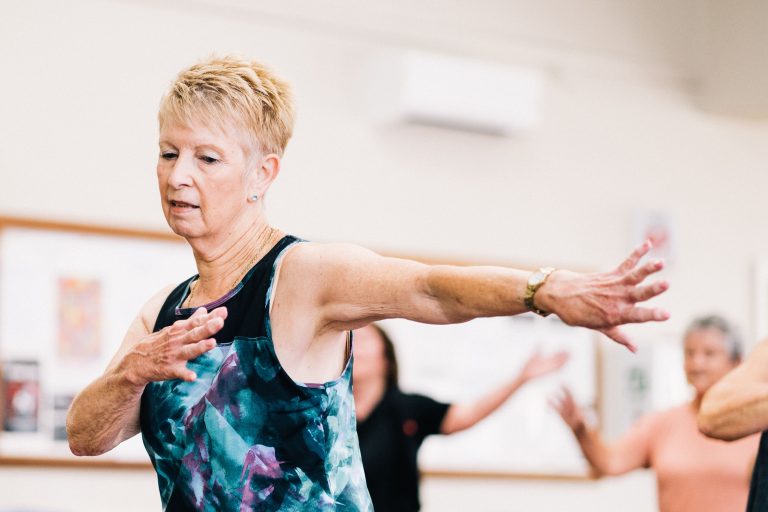
Today’s active seniors are rewriting the script on ageing, and yoga and meditation retreats are leading this powerful transformation.
But here’s what most people get wrong: these retreats aren’t watered-down versions of what “real” yogis do. They’re specifically designed environments where your body’s wisdom—accumulated over decades—becomes your greatest asset, not a limitation.
The proven benefits are substantial and science-backed: improved balance that directly reduces fall risk (the leading cause of injury-related death in seniors), enhanced joint mobility without high-impact stress, measurably better sleep quality, and reduced inflammation markers.
Research published in the Journal of the American Geriatrics Society shows that seniors who practice yoga regularly demonstrate 23% better balance scores and 34% fewer falls compared to control groups.
I know the concerns running through your mind: “Am I too old to start?” “What if I can’t do the poses?” “Will I be the only beginner surrounded by pretzel-people half my age?”
Let me be direct: these fears are valid, but they’re also based on misconceptions about what senior-focused retreats actually look like.
This guide will show you exactly how to choose or create retreat experiences that honor your body, build strength safely, and deliver real, measurable results.
These aren’t intimidating boot camps—they’re thoughtfully designed programs where instructors understand osteoarthritis, know how to work with replacement joints, and recognize that flexibility isn’t the goal. Function is. Independence is. Vitality is.
Why Seniors Thrive at Yoga & Meditation Retreats

The Science-Backed Benefits for Aging Bodies
Let’s talk about what actually happens in your body during a senior-appropriate yoga retreat, because the benefits go far beyond just “feeling good.”
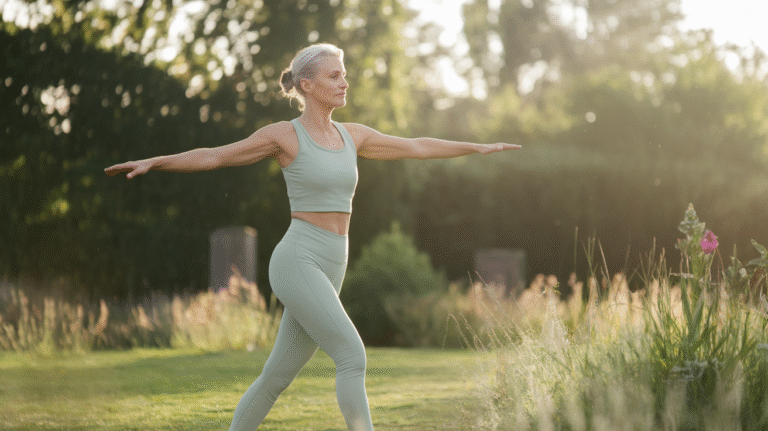
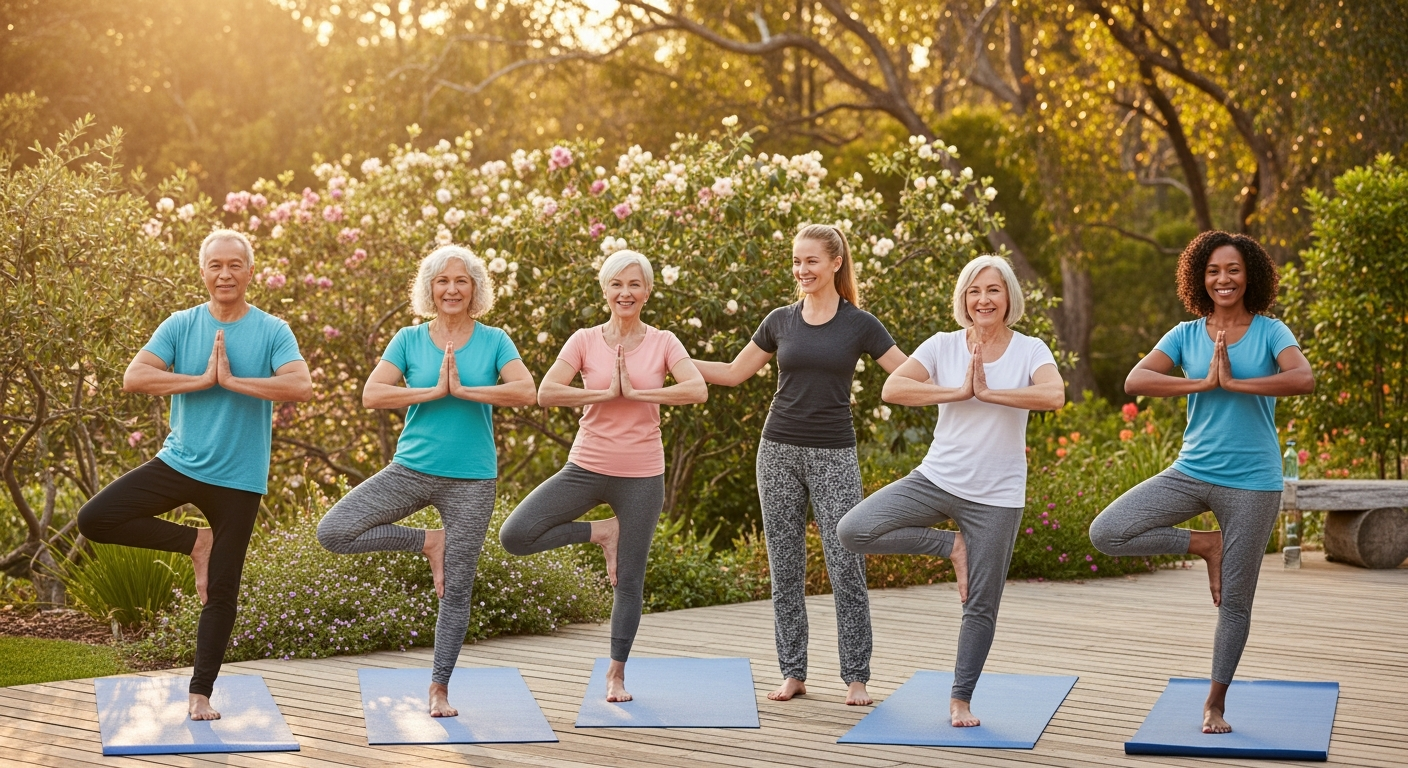
Balance and fall prevention are critical for maintaining independence. The proprioceptive training—your body’s awareness of where it is in space—that happens during even gentle yoga poses activates neural pathways that deteriorate with age. Standing poses like modified tree pose or warrior variations, when practiced with proper support, literally rewire your brain’s balance centers. This isn’t metaphorical. fMRI studies show increased activity in the cerebellum and improved vestibular function after just 8 weeks of consistent practice.
Joint mobility improves through controlled, supported movement that lubricates joints without the inflammatory stress of high-impact exercise. Unlike running or jumping, yoga’s emphasis on synovial fluid circulation through gentle range-of-motion work actually reduces pain in arthritic joints. I’ve watched participants arrive barely able to reach their shins and leave touching their toes—not because flexibility is the goal, but because reduced inflammation and improved circulation naturally expand range of motion.
Stress reduction and sleep quality improve measurably. Cortisol levels drop significantly during meditation practice, and the parasympathetic nervous system activation you get from breathwork and restorative poses directly counters the chronic stress response that disrupts sleep in older adults. Many retreat participants report their first full night’s sleep in years—and it often happens within the first three days.
Cognitive function gets a boost too. A 2019 study in the Journal of Alzheimer’s Disease found that seniors who combined yoga with meditation showed improved memory performance and increased brain-derived neurotrophic factor (BDNF)—essentially fertilizer for your brain cells.
The Social Connection Factor
Here’s something most articles miss: the social aspect of senior retreats might be as therapeutically powerful as the physical practice itself.
Loneliness and social isolation affect nearly one-third of seniors and carry health risks equivalent to smoking 15 cigarettes daily. Retreats combat this through shared experience in ways that casual gym classes simply can’t replicate. When you’re sitting in a circle sharing tea after morning meditation, or laughing together as everyone wobbles during tree pose, you’re building genuine connections.
My mother still video-chats weekly with three women she met at that first retreat two years ago. They’ve become accountability partners, friends, and a support system that extends far beyond yoga. This isn’t unique—retreat centers consistently report that participants form lasting friendships, often planning to return together the following year.
The group meditation and movement practices create a sense of community support that’s especially valuable for seniors navigating life transitions: retirement, loss of a spouse, relocating to be near family, or managing chronic health conditions. You’re not just practicing poses—you’re in a room full of people who understand what it feels like to have a body that doesn’t move like it used to, and who are choosing to show up anyway.
It’s Never Too Late to Start
Let me address the elephant in the room: “I’ve never done yoga before. Isn’t it too late?”
Absolutely not. In fact, many retreat instructors prefer working with complete beginners because you haven’t developed bad habits or unrealistic expectations about what yoga should look like.
I’ve personally witnessed a 79-year-old former accountant discover yoga at a week-long retreat in North Carolina. She arrived using a cane and left walking unaided—not because of some miracle cure, but because her hip strength improved enough through supported chair poses that her gait stabilized. She’d never exercised regularly in her life.
The retreat environment is actually ideal for beginners because it provides something drop-in classes can’t: sustained attention, progressive instruction over multiple days, and the safety of learning at your own pace without the pressure of keeping up with a class that meets once weekly.
Senior-focused retreat instructors are trained to meet you exactly where you are. They don’t expect—or want—you to push into pain. They understand that your version of downward dog might happen with your hands on a chair. And that’s not a limitation; it’s intelligent adaptation.
Top Retreat Styles Perfect for Seniors

Gentle Yoga & Restorative Retreats
These retreats focus on accessibility above all else. Chair yoga—where poses are adapted using a sturdy chair for support—forms the foundation of many sessions. You might spend 30 minutes doing seated twists, modified sun salutations using the chair back for balance, and gentle hip openers that improve mobility without requiring you to get on the floor.
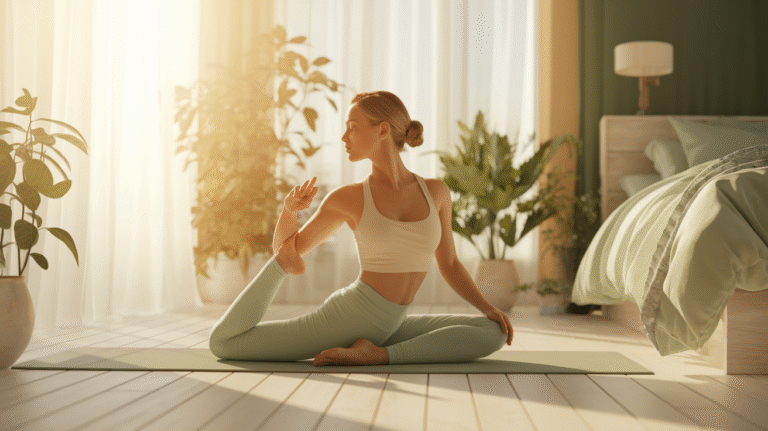
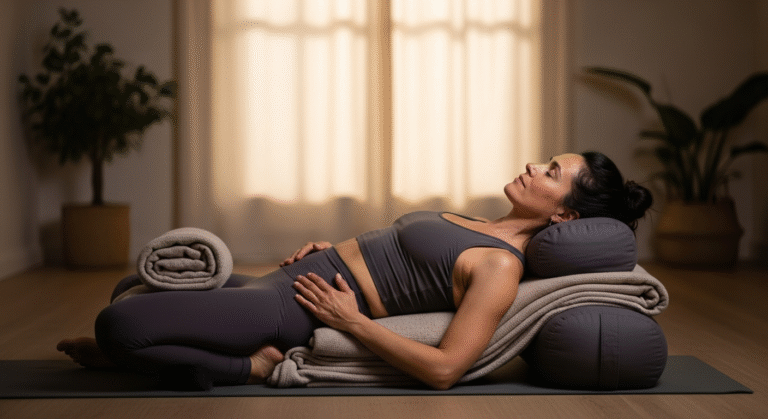
Restorative poses use props—bolsters, blocks, blankets, straps—to support your body in positions you hold for 5-10 minutes. This isn’t passive; it’s active relaxation that triggers the parasympathetic nervous system and allows fascia to release. Think of it as strength training for your relaxation response.
These retreats are ideal if you have limited mobility, chronic pain conditions like fibromyalgia or arthritis, or if you’re recovering from surgery or injury. The pace is deliberate. Classes typically run 45-60 minutes rather than the standard 90-minute sessions, with built-in rest periods.
Breathwork (pranayama) and meditation often take equal billing with physical poses. You’ll learn specific techniques like 4-7-8 breathing for sleep or alternate nostril breathing for anxiety—practical tools you can use daily at home.
Active Aging & Wellness Retreats
For seniors who are already moderately active and want to build strength and endurance, these retreats offer more challenge without intimidation.
You’ll find a balanced mix: morning yoga flows that include standing sequences to build leg strength, nature walks or gentle hikes that get your heart rate up without joint stress, swimming or water aerobics that provide resistance training, and afternoon restorative sessions to balance the activity.
These programs are designed to tone and sculpt muscle mass—critical for seniors since we lose approximately 3-8% of muscle mass per decade after age 30, accelerating after 60. The resistance work in yoga, combined with functional movement, helps maintain the strength needed for daily activities like carrying groceries, climbing stairs, or playing with grandchildren.
What makes these retreats work is the progressive approach. Instructors provide beginner, intermediate, and advanced variations for every pose. You’re challenged to your edge, not pushed past it. And that edge shifts—often dramatically—over the course of a week.
Meditation & Mindfulness-Focused Retreats
If your primary goal is mental clarity, stress relief, or spiritual exploration rather than physical fitness, meditation-focused retreats might be your ideal match.
These programs emphasize seated meditation practice, walking meditation, and mindfulness techniques over physical yoga poses. You might sit for 20-30 minute meditation sessions (with full back support and cushion modifications), practice mindful eating during silent meals, and learn techniques for managing anxiety, grief, or the existential questions that arise during life transitions.
Buddhist retreat centers like Spirit Rock in California or Insight Meditation Society in Massachusetts offer structured programs specifically for seniors. Secular mindfulness programs—based on MBSR (Mindfulness-Based Stress Reduction) protocols—provide the same benefits without religious context.
These retreats are powerful tools for processing loss, finding purpose after retirement, or simply learning to be present with whatever arises. The cognitive benefits are well-documented: improved attention span, reduced rumination, and better emotional regulation.
Holistic Wellness & Healing Retreats
These comprehensive programs integrate yoga and meditation with complementary services: therapeutic massage, nutritional counseling, health education workshops, and sometimes medical consultations.
The approach addresses specific senior health concerns holistically. You might attend a workshop on nutrition for bone density while also practicing weight-bearing yoga poses. Or learn about heart-healthy eating while doing gentle cardiovascular movement and stress-reduction meditation.
Many holistic retreats include spa services—not as luxury add-ons, but as therapeutic interventions. Massage therapy reduces inflammation and improves circulation. Hydrotherapy eases joint pain. These aren’t indulgences; they’re evidence-based treatments that complement your practice.
Educational components help you sculpt a sustainable wellness lifestyle. You’ll learn meal-planning strategies, home exercise routines, and stress-management techniques you can maintain after the retreat ends.
Essential Features to Look for in Senior-Friendly Retreats

Accessibility & Safety Considerations
Before you book anything, get specific about the physical environment. This is where many seniors encounter unexpected challenges that could have been avoided with better questions upfront.
Building accessibility matters: Is the facility single-level, or are there elevators for multi-story buildings? Are there stairs you’ll need to navigate to reach the yoga studio, dining hall, or your room? What about the path from parking to the main building—is it paved and well-lit?
Bathroom safety is crucial: Walk-in showers (not tubs you need to step over), grab bars, non-slip surfaces, and adequate lighting aren’t luxuries—they’re necessities. I learned this the hard way when my mother nearly fell in a beautiful but poorly designed retreat bathroom with a high tub edge and no support bars.
Temperature control in both rooms and practice spaces matters more as we age. Can you adjust your room’s thermostat? Is the yoga studio adequately heated for early morning sessions when joints are stiff?
Proximity to medical facilities provides peace of mind. While emergencies are rare, knowing there’s a hospital within 30 minutes (not 3 hours) away allows you to fully relax into the experience.
Ask these questions directly before booking. Reputable retreat centers that truly cater to seniors will have detailed answers readily available.
Qualified Instructors with Senior Specialization
Not all yoga teachers are equipped to work with aging bodies. The instructor’s qualifications matter significantly for your safety and results.
Look for certifications in senior yoga, gentle yoga, or chair yoga—these are specialized trainings beyond basic yoga teacher certification. Instructors should understand common conditions like osteoporosis (which requires avoiding forward folds and twists), joint replacements (which limit certain ranges of motion), and cardiovascular concerns.
The best senior yoga instructors have experience adapting poses for various mobility levels in real-time. They should offer three variations of every pose without being asked. They understand that “listening to your body” isn’t just a platitude—it’s a skill they actively teach.
Teaching style matters as much as credentials. You want patient, encouraging instructors who create a non-competitive atmosphere. During your research call, ask if you can speak with the lead instructor. Their communication style in that conversation will tell you a lot about how they teach.
Flexible Scheduling & Pacing
Rigid schedules that demand you’re on your mat at 6 AM for 90-minute sessions aren’t appropriate for most seniors—and they’re not necessary for results.
Look for shorter class sessions (45-60 minutes) that allow full engagement without fatigue. Built-in rest periods between activities give your body time to integrate the work. Free time in the schedule isn’t wasted time—it’s when healing happens.
Optional versus mandatory activities make a difference. You should feel empowered to skip a session if you need extra rest, not guilty about falling behind. The best retreats structure their programs with core sessions and optional add-ons.
Early morning and evening options accommodate different energy patterns. Some seniors feel best at dawn; others need time to warm up. Retreats that offer both serve their participants better than one-size-fits-all schedules.
Small Group Sizes
This is non-negotiable if you want personalized attention and real results.
Groups of 12-15 participants maximum allow instructors to observe your form, offer hands-on adjustments (with permission), and answer individual questions. You’re not just another body in a crowded room.
Smaller groups also make it easier to build genuine connections with fellow participants. You’ll actually learn everyone’s names, hear their stories, and feel part of a community rather than lost in a crowd.
The ability to ask questions without feeling like you’re holding up the class creates a learning environment where beginners can truly thrive. You’ll feel comfortable saying, “I don’t understand—can you show me again?” because there’s time and space for that interaction.
Best Locations & Destinations for Senior Retreats

Domestic Retreat Havens
Palm Springs and Southern California offer warm, dry climates ideal for joint health, easy accessibility from major airports, and numerous established retreat centers with senior-specific programming. Desert Hot Springs features natural mineral waters combined with yoga programs. The climate allows year-round outdoor practice.
Santa Fe, New Mexico provides high-desert healing energy, a rich spiritual atmosphere, and a blend of art, culture, and wellness. The altitude (7,000 feet) requires consideration if you have cardiovascular concerns, but many find the dry air and stunning landscapes deeply restorative. Sunrise Springs and Ten Thousand Waves offer excellent senior-friendly programs.
North Carolina Mountains feature gentle terrain, four-season beauty, and several Buddhist retreat centers including Southern Dharma in the Smoky Mountains. The moderate climate, lush forests, and accessible hiking trails create ideal conditions for active aging retreats.
Coastal New England destinations like Kripalu Center in Massachusetts or Omega Institute in New York combine ocean or lake views with cooler climates and historic charm. These established centers have decades of experience serving senior populations.
Accessible International Options
Costa Rica remains popular for good reason: warm weather, the “pura vida” lifestyle that emphasizes well-being, relatively easy travel from the US (4-6 hours from most major cities), and excellent value. Blue Spirit and Nosara Wellness Retreat both offer senior-appropriate programming.
Portugal has emerged as a top destination: affordable compared to other European options, English-friendly, Mediterranean climate, and excellent healthcare infrastructure. The Algarve region features numerous retreat centers with ocean views and gentle year-round weather.
Bali appeals to more adventurous seniors willing to handle the longer travel time (24+ hours from the US). The spiritual atmosphere, exceptional value, and rich cultural experiences create transformative retreats. However, consider the significant time zone adjustment, travel fatigue, and whether you’re comfortable with less familiar healthcare systems.
For any international retreat, evaluate travel time honestly. A 14-hour journey might leave you exhausted for the first several days. Also research medical facilities, travel insurance requirements, and language considerations.
Close-to-Home Retreat Options
Don’t overlook nearby options that deliver powerful results without extensive travel.
Day retreats and weekend getaways eliminate travel fatigue entirely. Many yoga studios offer Saturday intensives or weekend mini-retreats at local retreat centers. You get the immersive experience without the stress and cost of distant travel.
Local yoga studios increasingly offer 3-4 hour “retreat experiences” that include extended practice, meditation, healthy meals, and workshops. While shorter, these programs provide a taste of retreat benefits and help you determine if a longer, destination retreat is right for you.
State park retreat centers often have yoga programs you’ve never heard about. These publicly-funded facilities offer remarkably affordable rates (sometimes $200-400 for a full weekend including meals) with beautiful natural settings.
The benefits of staying closer to home: less physical fatigue, significantly lower cost, easier logistics if you need to return home unexpectedly, and the ability to integrate retreat practices into your daily life more seamlessly since you’re in familiar surroundings.
At-Home Retreat Creation
If travel isn’t possible due to health, budget, or caregiving responsibilities, you can create a meaningful retreat experience at home.
Transform your space by designating a quiet area for practice, removing distractions, and creating an environment that supports introspection. This might mean clearing a corner of your bedroom, setting up a meditation cushion, and establishing boundaries with family members.
Virtual retreat programs have exploded since 2020. Many established retreat centers now offer online programming specifically for seniors: live-streamed classes, recorded sessions you can do on your schedule, and virtual community gatherings. Kripalu, Omega, and Esalen all offer robust online options.
Structured schedules are crucial for home retreats. Without them, daily life intrudes. Create a detailed schedule: wake time, meditation, movement practice, healthy meals, journaling, rest periods, evening reflection. Treat it as seriously as if you’d paid thousands to travel somewhere.
Online communities provide the social connection that makes retreats powerful. Join senior yoga groups on Facebook, participate in live virtual sessions where you can interact with others, and find accountability partners who are also practicing at home.
Planning Your First Senior Yoga Retreat: A Step-by-Step Guide
Step 1: Assess Your Fitness Level & Goals Honestly
Before researching specific retreats, get clear on what you actually want and what your body can realistically do right now.
What do you want from this experience? Be specific. “Get healthier” is too vague.