How to start working out for beginners
You’ve decided to start working out. Maybe you’re tired, out of breath after climbing stairs, or you just want to feel stronger. The problem is, most “beginner” workout plans aren’t actually designed for beginners—they’re designed for people who’ve already built a base of fitness and think they remember what it was like to start.
This guide is different. We’re going to skip the motivational nonsense and the programs that promise six-pack abs in 30 days. Instead, you’ll get a realistic, science-backed roadmap that acknowledges one hard truth: the first two weeks feel awkward, your body will be sore, and that’s completely normal. What matters is what happens after that—when consistency becomes the only thing between you and actual, measurable change.
By the end of this article, you’ll have a specific first-week schedule, know exactly what soreness is normal versus what’s injury, and understand why most beginners quit (and how not to be one of them).
In This Article
- Why Most “Beginner” Workout Plans Aren’t Actually for Beginners
- Your Actual First-Week Schedule (No Equipment Required)
- The Best Apps and Programs for True Fitness Beginners in 2025
- How to Tell If You’re Sore or Actually Injured
- When to Add Equipment (And What to Actually Buy)
- Common Beginner Mistakes That Sabotage Results (And How to Avoid Them)
- CONCLUSION
Why Most “Beginner” Workout Plans Aren’t Actually for Beginners

Here’s what I’ve noticed: most “beginner” programs are written by people who forgot what being a beginner actually feels like. They’re designed for someone who’s already trained before, took a year off, and needs to get back into it. That’s not you if you’re reading this for the first time.
The typical beginner plan you’ll find online assumes a baseline of movement competency and work capacity that most true beginners don’t have. You’ll see things like “3 sets of 12 reps” of exercises with minimal rest, or programs that jump straight into five-day splits.
The logic sounds reasonable on paper—progressive overload, muscle confusion, variety—but here’s the physiological reality: your nervous system hasn’t learned how to recruit muscle fibers efficiently yet. Your connective tissues (tendons and ligaments) adapt slower than muscle does. And your work capacity—the amount of volume your body can actually recover from—is genuinely limited.
The result? Most beginners either quit within two weeks because they’re wrecked and unmotivated, or they push through and end up injured. Neither gets you results.
There’s also a psychological piece people miss. Beginners need early wins and clarity more than they need optimization. A program that’s 80% perfect but that you actually understand and can execute consistently beats a theoretically perfect program that leaves you confused. When you’re starting out, you’re also building a habit, not just building muscle. The first four weeks are about proving to yourself that you can show up, not about finding your one true training split.
A real beginner program needs to be shorter, simpler, and more forgiving. It should teach movement patterns before demanding volume. It should build confidence alongside strength. And it should respect the fact that your body needs time to adapt—not just your muscles, but your joints, your recovery systems, and your nervous system.
Your Actual First-Week Schedule (No Equipment Required)

Here’s what separates this from the 5-day-a-week Instagram plans: you’re not going to work out every day. Your body needs recovery to adapt, and adaptation is where the actual fitness happens. This first week is about establishing a sustainable rhythm, not proving something to yourself.
Monday: Movement Baseline (20 minutes)
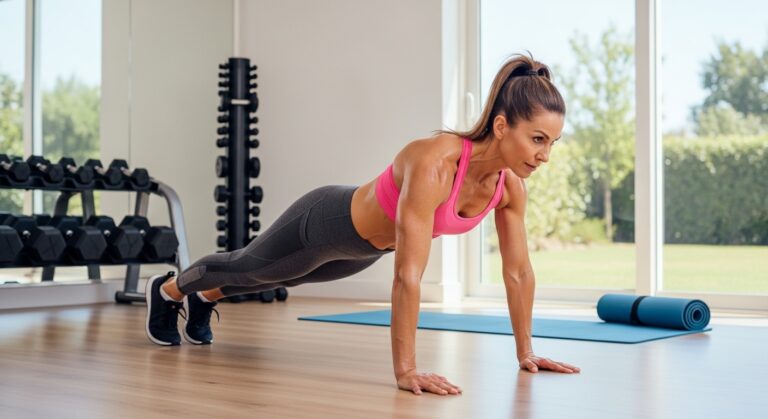
Start with a 10-minute walk at a conversational pace—you should be able to talk but not sing. Then do three rounds of: 10 bodyweight squats, 5 push-ups (from knees if needed), and 10 glute bridges. Rest 60 seconds between rounds. The goal isn’t to feel destroyed; it’s to establish a baseline and prove to your nervous system that this is safe and doable.
Tuesday: Rest or Gentle Movement
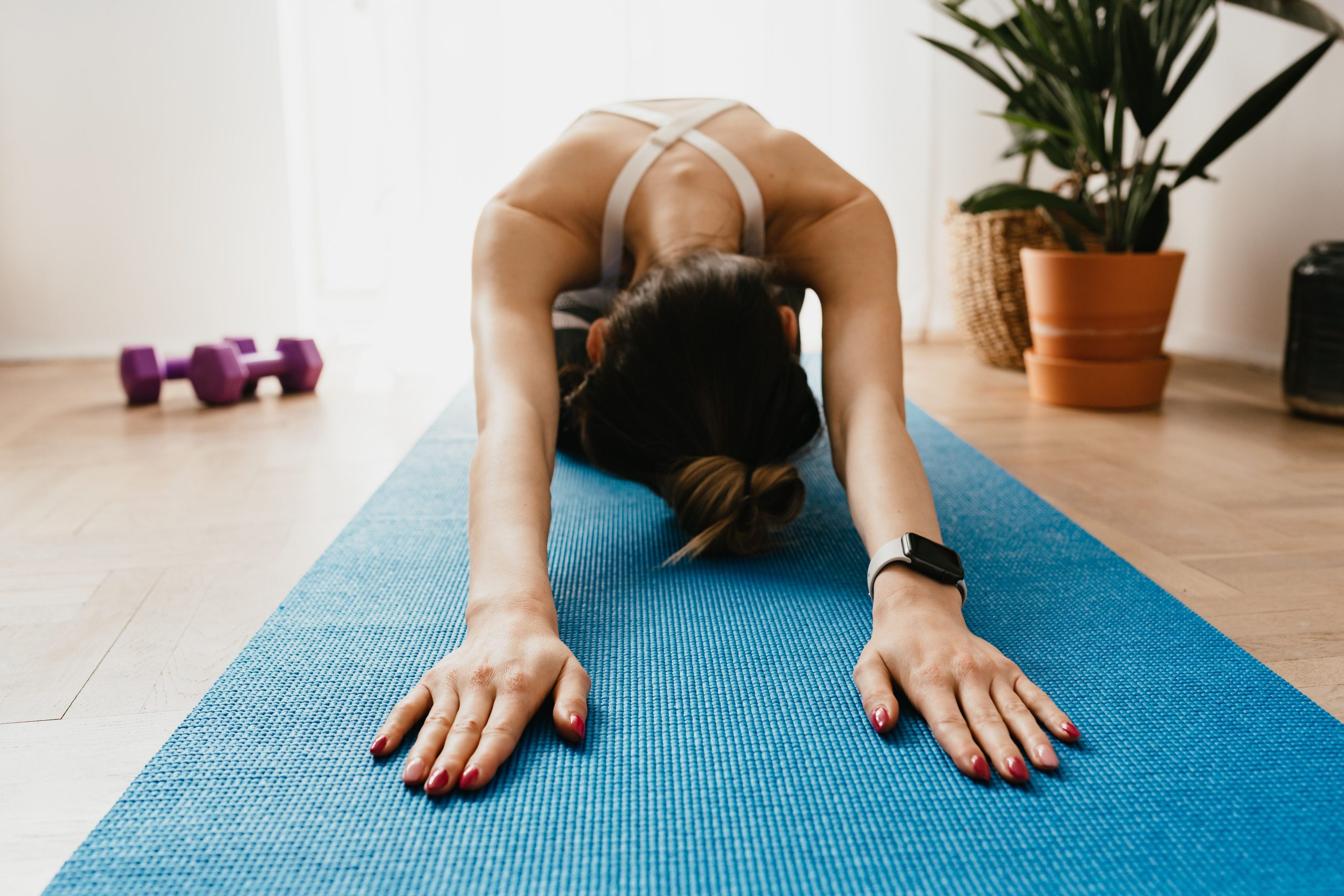
This means no structured workout. A 15-minute walk, stretching, or yoga counts as active recovery. Your muscles are adapting right now—soreness peaks around 24-48 hours after exercise, and pushing through that with another hard session is how beginners burn out by week three.
Wednesday: Repeat Monday’s Workout
Same three rounds, same exercises. You’ll notice it feels slightly easier. That’s not placebo—your neuromuscular system is already learning the movement patterns. Track how many reps felt hard or easy; you’ll use this to progress next week.
Thursday: Rest or Gentle Movement
Same as Tuesday.
Friday: Movement Baseline
Third round of the same workout. By now, form should feel more natural. If any exercise feels sharp or unstable (not just tired), dial back the range of motion or reps.
Saturday & Sunday: Rest
Actually rest. Sleep is when adaptation happens. You’re not being lazy; you’re being strategic.
Total weekly volume: three 20-minute sessions. This is intentionally modest. The psychological win of completing the week without injury or burnout matters more than the calorie burn. You’re building the habit, not chasing the pump.
The Best Apps and Programs for True Fitness Beginners in 2025

Here’s what separates a useful fitness app from a motivational waste of screen time: it meets you where you actually are, not where Instagram thinks you should be. Most apps are designed for people who already know how to move. They assume you understand tempo, can judge your own intensity, or won’t panic when your heart rate spikes during your third burpee. That’s not helpful when you’re genuinely starting from zero.
Couch to 5K (free iOS/Android) remains the gold standard for beginners because it solves a specific problem: it removes decision-making. You follow a structured walk-run progression over nine weeks. No guessing whether you’re “ready” to run longer. No shame in walking. The app just tells you what to do and when. Research on habit formation shows this kind of external structure reduces friction—you’re not negotiating with yourself every session.
Apple Fitness+ or Peloton Digital ($9.99–$14.99/month) work well if you respond to live instruction and want zero setup. The beginner classes actually feature modifications shown simultaneously—not as an afterthought. You see the easier version happening in real time, which psychologically normalizes scaling. The biggest mistake beginners make is skipping modifications to “keep up,” which tanks form and kills consistency. These platforms make modifications visible, not shameful.
Strong (free with premium at $4.99/month) is the best logging app if you’re doing the bodyweight routine from earlier. It’s not flashy, but it tracks your sets, reps, and rest periods automatically. This matters more than you think: progressive overload—gradually increasing volume or difficulty—is how you actually build strength. Most beginners can’t remember what they did last week. Strong remembers for you.
The real test: Does it make you more likely to show up? If you love the interface and check it daily, that’s the right one. The best program is the one you’ll actually follow. Consistency beats optimization every single time, and that’s not motivational fluff—that’s just how physiology works.
How to Tell If You’re Sore or Actually Injured

Here’s what nobody tells you: the first two weeks of working out feel like you’ve been hit by a truck. That’s not a sign you’re doing it wrong—it’s delayed-onset muscle soreness (DOMS), and it’s actually a normal adaptation signal. Your muscles have microscopic damage from the unfamiliar stimulus, inflammation floods in, and boom—you can barely walk down stairs. This is different from injury, and learning to tell the difference will keep you consistent instead of panicking and quitting.
Soreness is symmetrical, delayed, and dull. You’ll feel it across the muscle group you worked (like both quads after squats), it peaks around 24–72 hours post-workout, and it feels like a generalized ache—uncomfortable but not sharp. You can still move through it, even if it’s awkward. Soreness is your body adapting.
Injury is localized, immediate or worsening, and sharp. It’s pain in one specific spot, it doesn’t improve with gentle movement, and it often gets worse as you push through it. If you felt a pop, heard a crack, or have swelling that doesn’t go down in a few hours, that’s injury territory—stop and rest.
The practical test: if you’re sore, light movement actually helps. A gentle walk, easy stretching, or even a lighter version of the same workout reduces soreness faster than sitting still. If that makes the pain worse—sharper, more localized—you’re dealing with injury. Rest it, ice it for 15 minutes if there’s swelling, and consider seeing a professional if it doesn’t improve in 3–5 days.
One more thing: soreness doesn’t mean you crushed it harder than someone else. It just means your body is new to this stimulus. By week three or four, the same workout that left you hobbling will barely make you sore.
That’s adaptation, not weakness. Don’t chase soreness as a metric of a good workout—it’s a beginner’s experience, not a permanent requirement. Know the difference, respect your body’s signals, and you’ll train consistently instead of nursing an injury that could have been prevented.
When to Add Equipment (And What to Actually Buy)
Here’s the hard truth: most beginners buy equipment they don’t need yet. A set of dumbbells collects dust in the corner because the person never built the foundational strength or habit consistency to use them effectively. Equipment isn’t motivation—consistency is. Wait until you’ve genuinely completed 3-4 weeks of bodyweight work before spending money.
The signal you’re ready is simple: bodyweight exercises start feeling too easy, but you’re still motivated to keep going. That’s when equipment amplifies progress instead of replacing it. If you’re still struggling with push-up form or can’t do 10 consecutive bodyweight squats, adding weight won’t help—it’ll just reinforce bad patterns under load, which is how injuries happen.
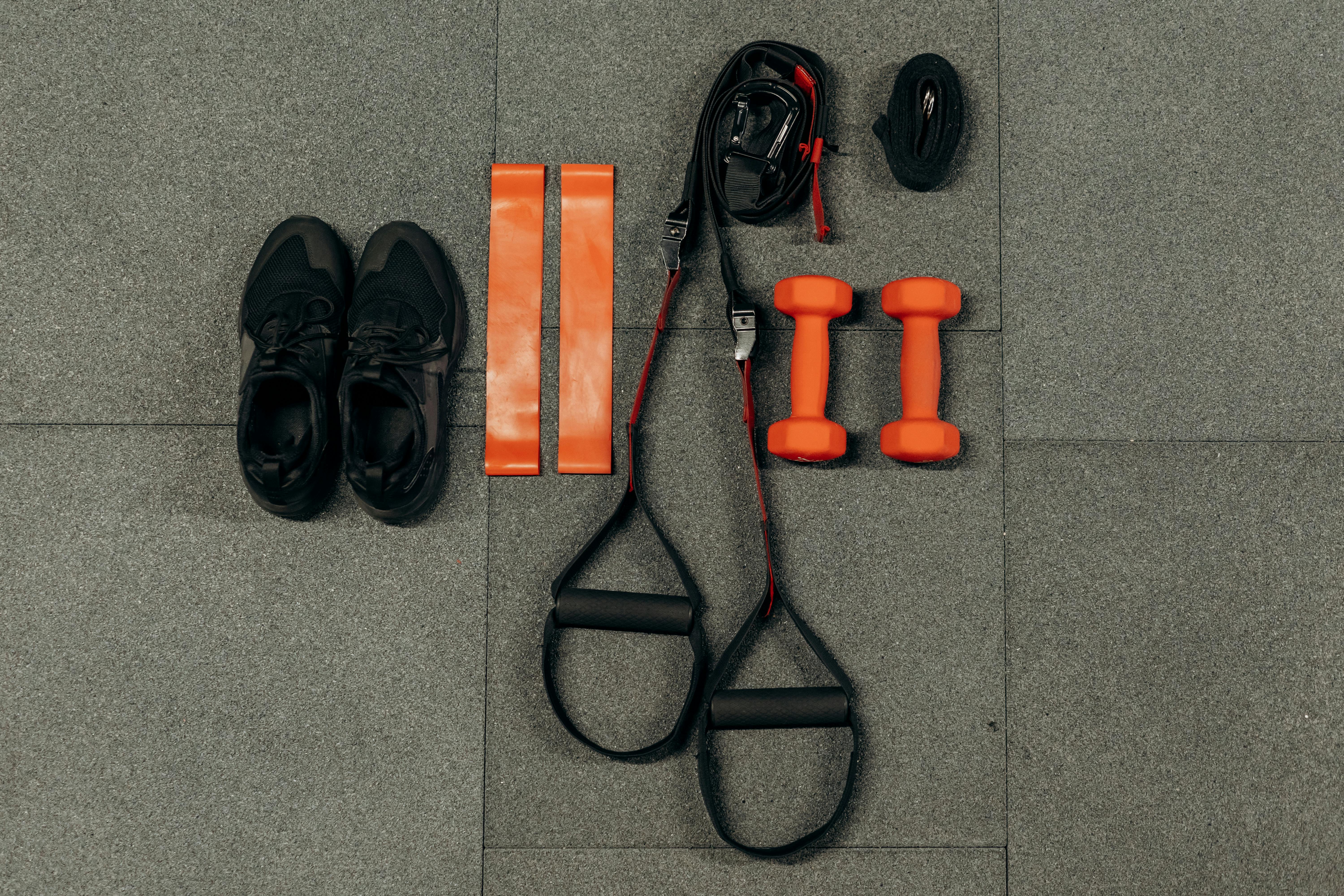
When you are ready, here’s what actually works: Start with a single pair of adjustable dumbbells (5-25 lbs is plenty for months). Resistance bands come second—they’re cheap ($15-30), don’t require storage space, and teach tension control better than most beginners realize.
A pull-up bar is third, but only if you can already do 5+ assisted pull-ups or have a resistance band to help. Avoid: fancy cable machines, leg press equipment, or anything that isolates single muscles. Beginners need compound movements that teach your whole body to work together.
The physiological reason this matters: adding external load too early doesn’t just risk injury—it can actually stall progress. Your nervous system hasn’t learned how to recruit muscle fibers efficiently yet. The first 4-6 weeks of training produce strength gains primarily through neural adaptation, not muscle growth. Adding weight before your nervous system is ready wastes that adaptation window and often leads to compensation patterns (like arching your back during a bench press) that become hard to break later.
One final note: the best equipment is the one you’ll actually use. If you hate dumbbells but love resistance bands, that’s your answer. Consistency beats optimization every single time. Your ego might want to load up a barbell, but your results come from showing up with whatever tool fits your life.
Common Beginner Mistakes That Sabotage Results (And How to Avoid Them)
The biggest mistake I see beginners make isn’t choosing the wrong program—it’s doing too much, too soon. Your nervous system and connective tissues adapt slower than your muscles do. Push hard in week one, and you’ll spend weeks two through four battling soreness so severe you can’t maintain consistency.
Research on training volume shows that beginners make faster progress with moderate intensity sustained over weeks than with heroic efforts followed by burnout. Start at a difficulty level where you could do 2–3 more reps if you pushed. This feels too easy. That’s exactly right.
The second trap is skipping rest days entirely. Your body doesn’t build muscle during the workout—it builds muscle during recovery. Beginners often interpret “consistency” as “every single day,” then wonder why they plateau at week three.
A sustainable schedule for beginners is 3–4 training days per week with at least one full rest day between sessions. On rest days, light walking or mobility work is fine, but your primary job is to eat, sleep, and recover. This isn’t laziness; it’s the mechanism that drives adaptation.
Third: comparing your beginning to someone else’s middle. Social media shows you people in month six or year two of training, not month one. Expect to feel clumsy with movement patterns for the first 2–3 weeks. Expect to see strength gains before visible muscle changes—usually 4–6 weeks minimum.
Expect to still feel like a beginner at month three. This timeline isn’t failure; it’s normal physiology. The people who stick around aren’t the ones with genetic advantages; they’re the ones who accepted this pace and showed up anyway.
Finally, beginners often neglect the nutrition piece, thinking exercise alone will carry them. You can’t out-train a poor diet, especially as a beginner with limited training volume.
You don’t need to be perfect, but you do need basic protein intake (0.7–1g per pound of body weight) and a slight calorie deficit if fat loss is your goal, or maintenance calories if you’re building strength. Track for two weeks just to see where you actually stand. Most beginners are shocked by the gap between what they think they eat and reality.
CONCLUSION

Here’s what actually matters: Starting a fitness routine isn’t about finding the perfect plan or waiting until you’re “ready.” It’s about showing up consistently with a program simple enough that you’ll actually do it. You don’t need equipment, fancy apps, or a six-day-a-week commitment.
You need three workouts a week, bodyweight movements you can do at home, honest self-awareness about soreness versus injury, and the willingness to feel awkward for a few weeks while your nervous system learns these new patterns.
Most beginner programs fail not because they’re poorly designed, but because they’re designed for someone who doesn’t exist—someone with unlimited motivation and zero competing demands on their time. This guide is built for the real person: tired, skeptical, probably busy, but genuinely ready to change something.
The mistakes that derail beginners aren’t mysterious. You know them now. You know why starting too hard backfires, why soreness isn’t a badge of honor, why comparing yourself to someone six months in is a waste of mental energy. You know that equipment is a tool for progression, not a prerequisite. And you know that the app or program matters far less than your ability to stick with it when motivation inevitably dips in week three.
So here’s your actual next step: Pick one day this week—not Monday, not “next week,” but within the next three days—and do your first workout from the schedule in section two. It doesn’t need to be perfect. Your form will improve. Your confidence will build. Your body will adapt. But none of that happens until you start, and starting is the only part that’s actually hard.
You’ve got this. Now go do it.
Pin this for later