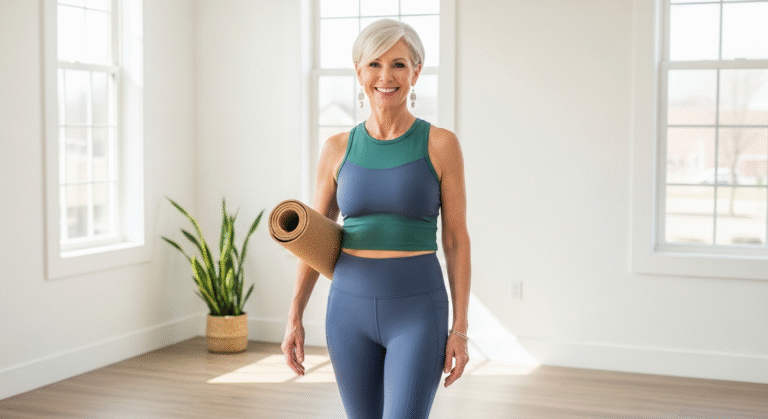
Fitness Vision Board Ideas
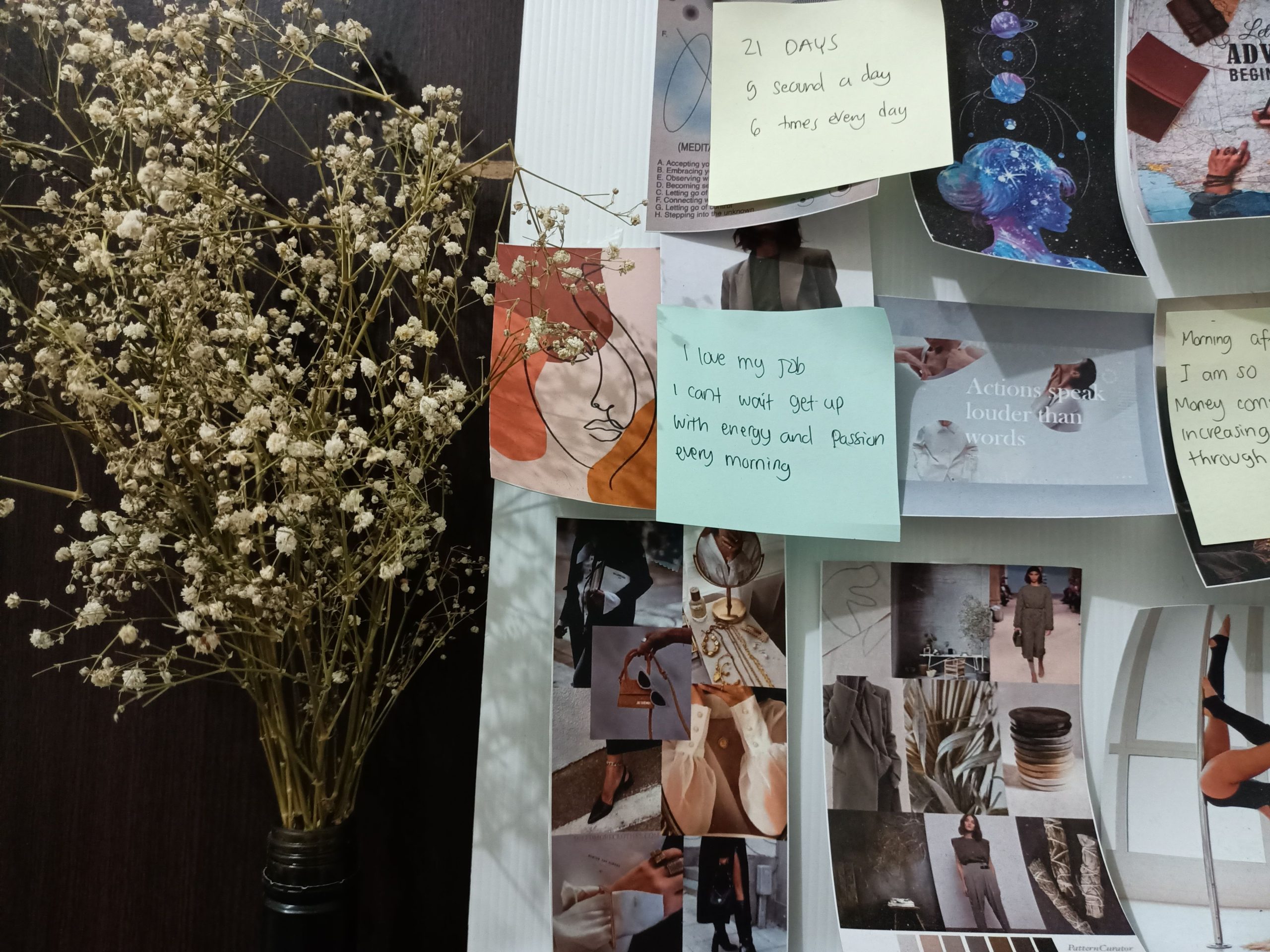
You’ve probably heard the advice: “Visualize your goal and you’ll achieve it.” The problem is, most fitness vision boards fail because they’re built on inspiration alone—not strategy. A picture of someone’s six-pack pinned to your mirror doesn’t rewire your brain or change your behavior. But a vision board designed with intention? That’s a different story.
Research in sports psychology shows that mental imagery combined with specific, visual goal-setting activates the same neural pathways as physical practice. Translation: your brain doesn’t fully distinguish between visualizing a perfect deadlift and actually performing one. That’s not motivation theater—that’s neuroscience working for you.
In this guide, you’ll learn exactly what to include on a fitness vision board that sticks—and what toxic comparison traps to avoid. You’ll get actionable categories, visual formats that actually work, and printables you can use today to turn vague “get fit” energy into a concrete, brain-friendly roadmap for real change.
Why Fitness Vision Board Psychology Actually Works

Here’s the thing: vision boards aren’t magical. They won’t transform your body while you sleep or replace the actual work. But the science behind *why* they work is solid, and understanding that mechanism changes how you’ll build and use yours.
Your brain has a built-in filtering system called the reticular activating system (RAS). It’s constantly scanning your environment for information that matches your current focus and beliefs. When you create a visual representation of your fitness goal—say, an image of someone doing a pull-up, or a photo of yourself at a healthier weight—you’re essentially telling your RAS: “This matters. Look for opportunities related to this.” Suddenly, you notice that gym opening near your commute. You see workout videos in your feed. You remember that friend who lifts. None of these things are new; your brain was just filtering them out before.
There’s also the psychological principle of cognitive consistency. Humans unconsciously work to align our actions with our stated identity. When you regularly see images of “yourself as someone who trains,” your brain experiences a gap between that identity and your current behavior. That discomfort—called cognitive dissonance—is actually the motivational fuel. You start making choices that close the gap: choosing the stairs, meal-prepping, showing up to that 6 a.m. session. You’re not suddenly more disciplined; you’re just reducing internal conflict.
The third piece is specificity and clarity. Most people have vague fitness goals: “Get in shape.” “Build muscle.” Your brain can’t work with that. But when you place a specific image in front of you—a defined physique, a particular exercise, a race bib—you’re giving your nervous system concrete data to work with. Research in motor learning shows that visualizing specific movements actually activates the same neural pathways as performing them. You’re pre-training your brain.
The catch? A vision board is a *tool*, not a substitute for training. It works because it supports consistency and clarity—two things that determine results far more than motivation ever will. Without the actual work, it’s just pretty pictures on a wall. With it, you’ve got a compass pointing toward who you’re becoming.
Creating A Vision Board: Step-by-Step Process
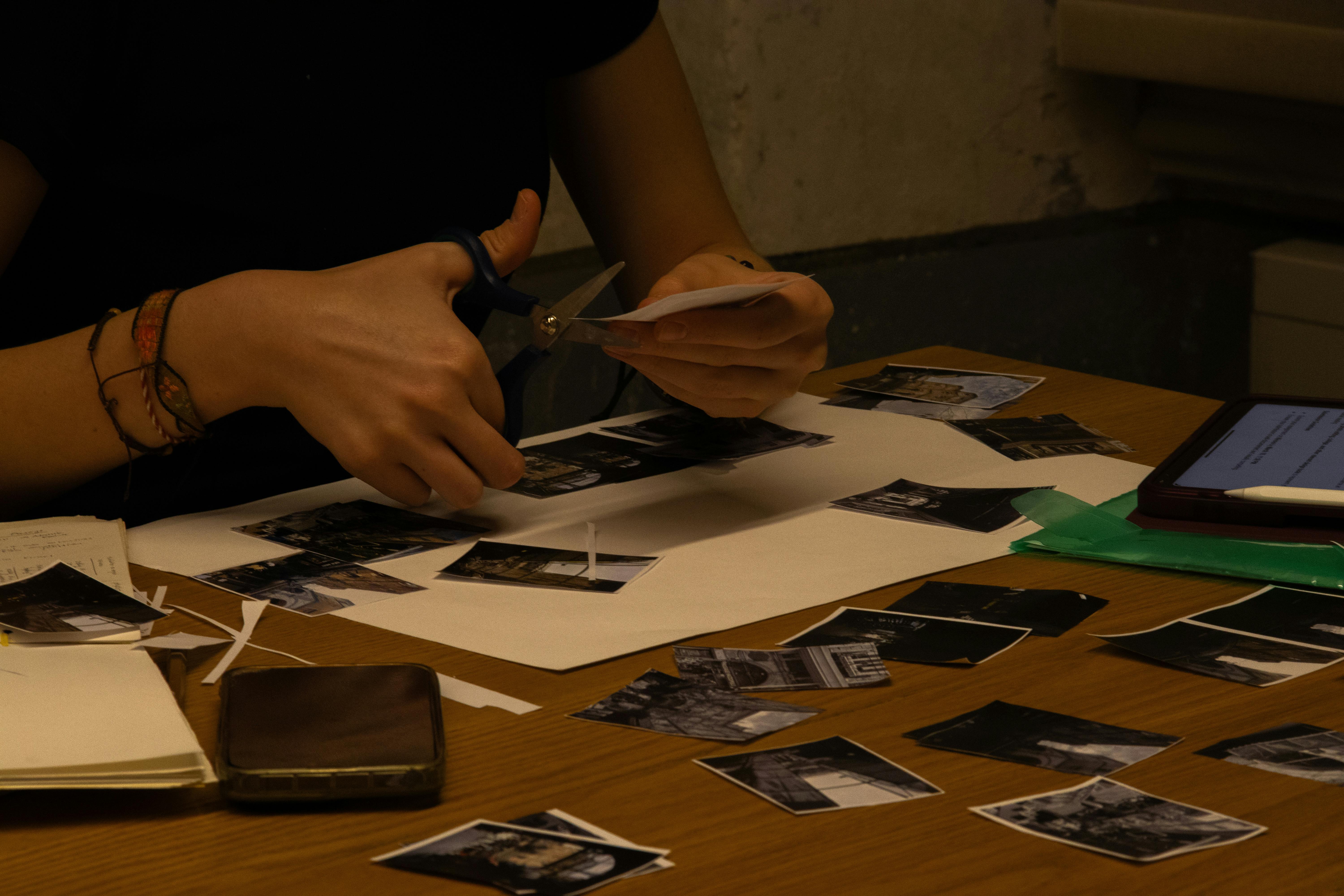
Here’s the thing about vision boards: they fail when they’re treated like Pinterest mood boards. The difference between a vision board that actually changes behavior and one that becomes wall decoration is specificity and emotional clarity. You need a system.
Step 1: Define Your Core Fitness Identity (Not Just Your Goal)
Before you start cutting images, sit with this question: Who do you want to become as a person through fitness? Not “I want to lose 20 pounds.” That’s an outcome. I’m asking: Are you someone who moves confidently? Who shows up consistently even when motivation is low? Who prioritizes their health like they prioritize their job? Write this down in one or two sentences. This becomes your north star for every image you select.
Step 2: Gather Raw Materials Intentionally
Spend 30 minutes collecting images from fitness accounts, magazines, Pinterest, or your own photos. But here’s the critical part: for each image, ask yourself “Does this represent who I’m becoming, or does this trigger comparison and shame?” Common mistake: people fill boards with elite athletes or unattainable bodies, then wonder why the board makes them feel worse. You want images of people who look like they could be your friend or future self—not a different species.
Step 3: Create Three Layers
Layer 1 is your identity (images representing how you move and carry yourself). Layer 2 is your behaviors (what you actually do—the gym setup, the meal prep, the recovery ritual). Layer 3 is the outcome (how you’ll feel and look). Most people skip layers 1 and 2 and jump straight to the result. That’s why it doesn’t work. Behavior change drives results, not the other way around.
Step 4: Place It Where You’ll Actually See It
Your bathroom mirror, your bedroom wall, or your phone lock screen. Not your closet. Not somewhere you’ll forget about it. The neuroscience is clear: repeated visual exposure to your identity goals increases the likelihood you’ll make decisions aligned with that identity. You’re not trying to feel inspired; you’re rewiring your subconscious through consistent exposure.
Exercise Aesthetic Fitness Vision Board: 6 Essential Categories

Here’s what most people get wrong with vision boards: they slap up random images of shredded athletes and expect motivation to follow. That’s not how your brain works. Research in sports psychology shows that specificity in mental imagery—not just aspirational eye candy—activates the neural pathways that actually drive behavior change. You need categories that bridge the gap between “inspiration” and “actionable identity.”
1. The Strength Standard. Include images of the specific lift or movement you’re building toward. Not just “strong,” but the actual lift: a deadlift lockout, a pull-up progression, a heavy squat. Your brain needs a concrete target, not a vague feeling.
2. Body Composition Reference. This one requires honesty. Find images of physiques that are realistic for your genetics, age, and training timeline—not Instagram filters and lighting tricks. A 45-year-old building muscle looks different than a 25-year-old, and that’s not a failure; it’s data.
3. Training Environment. Include the gym, home setup, or outdoor space where you’ll actually train. Familiarity breeds consistency. If you’re visualizing yourself in a pristine CrossFit box but training in your garage, there’s a disconnect your subconscious will notice.
4. Lifestyle Integration. Meal prep bowls, recovery tools, sleep setup—the unsexy stuff that actually determines results. Vision boards often skip this, but these habits compound harder than any single workout.
5. Progress Milestones. Specific numbers: your target deadlift, body weight, or rep range. Not “get fit”—”deadlift 315 by March” or “run a 5K in under 28 minutes.” Vagueness kills momentum.
6. Identity Anchors. Images of people who embody the *type* of athlete you’re becoming, not just the physique. A marathon runner, a powerlifter, a gymnast—whoever represents the training philosophy and lifestyle you’re adopting. This matters because you’re not just changing your body; you’re changing your identity, and your brain responds to that.
The goal isn’t pretty for pretty’s sake. Each category should answer a specific question: *What am I training toward, where am I training, how am I living, and who am I becoming?* That clarity is what separates motivation from action.
Workout Aesthetic: Visual Formats That Perform

Here’s what most people get wrong about vision board aesthetics: they assume pretty equals effective. The truth is more nuanced. Research on visual processing shows that specificity and emotional resonance matter far more than Instagram-filter perfection. Your brain responds strongest to images that combine clarity with genuine aspiration—not just images that look good on a shelf.
The most effective visual formats fall into three categories. Action shots (someone mid-deadlift, mid-sprint, mid-pull-up) activate your motor cortex and create neural pathways that prime your body for movement. These work because your brain partially simulates the action when you see it—a phenomenon called mirror neuron activation. Choose images where you can see form and effort, not just the end result. Progress documentation (before/after sequences, workout logs, strength gains) leverages the psychological principle of temporal motivation. Seeing incremental change rewires your brain to value the process, not just the destination. This is why a photo of someone’s 6-month transformation often outperforms a single “perfect” physique photo. Environmental and lifestyle imagery (sunrise gym sessions, post-workout meals, recovery routines, community moments) anchors your vision in the actual life you’re building, not a fantasy version.
Format-wise, avoid oversaturated stock photos and heavily edited images. Your brain is wired to detect authenticity, and stock perfection actually creates subconscious doubt—it signals “this isn’t real, so maybe it’s not possible for me.” Instead, prioritize raw, real footage. Phone photos of people you know, unfiltered athlete accounts, and documentary-style fitness content create psychological permission. They say: this is achievable by actual humans, not filtered fantasy.
One practical mistake: cramming too many visual styles into one board. Your brain has limited attention. If your board mixes hyper-aesthetic minimalism with chaotic motivational quotes with celebrity transformations, the competing signals dilute the effect. Choose a visual language and stick with it. Consistency in aesthetic actually strengthens the neurological imprint. Whether that’s clean typography, bold photography, or raw authenticity, coherence is what makes it stick.
Vision Board Printables: Making It Actionable

Here’s the hard truth: a beautiful vision board that sits on your wall and gets ignored is just decoration. The psychology of visual goal-setting only works if you actually *use* it—and that’s where most people fail. Printables bridge the gap between inspiration and action by forcing specificity. When you print and fill out a structured template, you’re not just daydreaming; you’re committing to measurable details that your brain can track.
Start with a **weekly accountability printable**. This isn’t glamorous, but it works: a simple one-page sheet with boxes for each day, where you check off whether you completed your planned workouts and hit your nutrition targets. Research on implementation intentions shows that people who write down their specific actions (“I will do 30 minutes of strength training on Monday at 6 AM”) follow through 2-3x more often than those who just think about their goals. Print these weekly and post them *next to* your vision board—not replacing it, but grounding it in real behavior.
Next, create a **90-day milestone tracker**. Your vision board might show your end goal (a physique transformation, a new strength benchmark), but that’s 6-12 months away. Your brain needs intermediate wins. A printable that breaks your big goal into quarterly checkpoints makes the vision feel achievable. Example: if your goal is to deadlift 315 pounds, your 90-day checkpoint might be 275. This isn’t settling—it’s using progressive overload psychology on your mindset.
The most underrated printable is a **decision matrix**. Before you start, print a simple chart: list your top 3-5 fitness goals, then rate each against your actual lifestyle (time available, budget, recovery capacity, family commitments). This prevents the common mistake of choosing goals that look amazing on a vision board but clash with your real life. You’re not lowering your standards; you’re building a plan you’ll actually execute.
Print these once monthly, not obsessively. The repetition of physically writing and reviewing your goals creates a feedback loop that keeps your vision board from becoming invisible wallpaper. Printables are the connective tissue between inspiration and results.
Gym Inspiration: What NOT to Include (Toxicity Warnings)

Here’s what nobody tells you: a vision board can sabotage your progress if it’s built on comparison, perfectionism, or unrealistic standards. The fitness industry has spent decades profiting off insecurity, and your vision board shouldn’t become another vehicle for that. Before you pin anything, ask yourself: does this inspire me, or does it make me feel broken?
The most common toxicity trap is using heavily edited or surgically enhanced physiques as your target. These images—whether from Instagram influencers or fitness models—often represent genetics, professional lighting, dehydration strategies, and image manipulation that have nothing to do with sustainable fitness. Research on social comparison shows that exposure to unrealistic body standards actually decreases motivation and increases anxiety, the opposite of what your vision board should do. Instead, seek out real transformation stories from people with your body type and starting point. Your inspiration should be achievable, not fantasy.
Avoid images that glorify extremes: obsessive restriction, overtraining, or the “no pain, no gain” mentality that leads to injury. These visuals reinforce the false belief that suffering equals results. The truth is harder to pin: consistent, moderate effort over years beats heroic burnout every time. If your board screams “go hard or go home,” it’s working against you.
Watch for “before/after” culture that frames your current body as unacceptable. There’s a difference between wanting to improve and hating where you are. The psychological shift matters: vision boards work best when they’re rooted in self-respect, not self-rejection. You’re not trying to become someone else. You’re trying to become a stronger version of yourself.
Finally, exclude any images that make you feel shame about rest, food, or “imperfect” training days. Fitness is built on consistency, and consistency requires self-compassion. If your vision board doesn’t include space for recovery, flexibility, and the reality of being human, it’s already setting you up to fail. Your board should motivate you to show up, not punish you for being real.
CONCLUSION: Transform Your Fitness Vision Board Into Results

Here’s what we’ve covered: A vision board works because your brain’s reticular activating system literally filters reality based on what you’ve told it to notice. When you see your fitness goals daily—the strength milestones, the movement practices, the version of yourself that shows up—your nervous system starts recognizing opportunities and patterns that align with those images. It’s not magic. It’s neuroscience. But the gap between “I have a vision board” and “I actually transformed my fitness” is where most people lose momentum.
The difference between a vision board that changes your life and one that becomes wallpaper is accountability. Your board is a mirror, not a magic mirror. It reflects your commitment back to you every single day, but only if you’re actually doing the work. The aesthetic matters—it keeps you emotionally connected to the vision—but the workouts, the nutrition decisions, the 6 a.m. gym sessions when you don’t feel like it: that’s what creates results. The board is the North Star. Your consistency is the engine.
Here’s your next move: Build or refresh your vision board this week, but don’t stop there. Place it somewhere you see it during your actual fitness routine—your bedroom mirror, your phone lock screen, your gym locker. Then, commit to one non-negotiable action this week that directly supports one image on that board. If your board shows strength training, schedule three specific workouts. If it shows recovery and mobility, book a massage or commit to 10 minutes of stretching daily. Make the vision board a conversation starter with yourself: “What’s one thing I’m doing today that moves me closer to this image?”
Your fitness vision board is a tool. A powerful one. But tools only work when used. The psychology is real, the motivation is valid, but you’re the one who has to show up. Start today. Not tomorrow. Not Monday. Today.