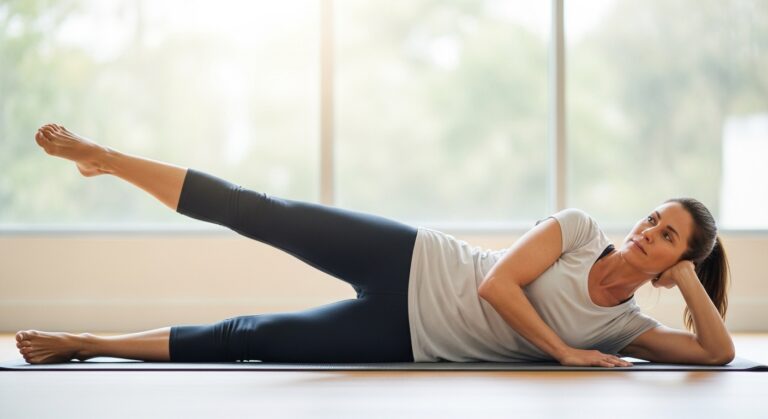
Postpartum Pilates workout for New Moms
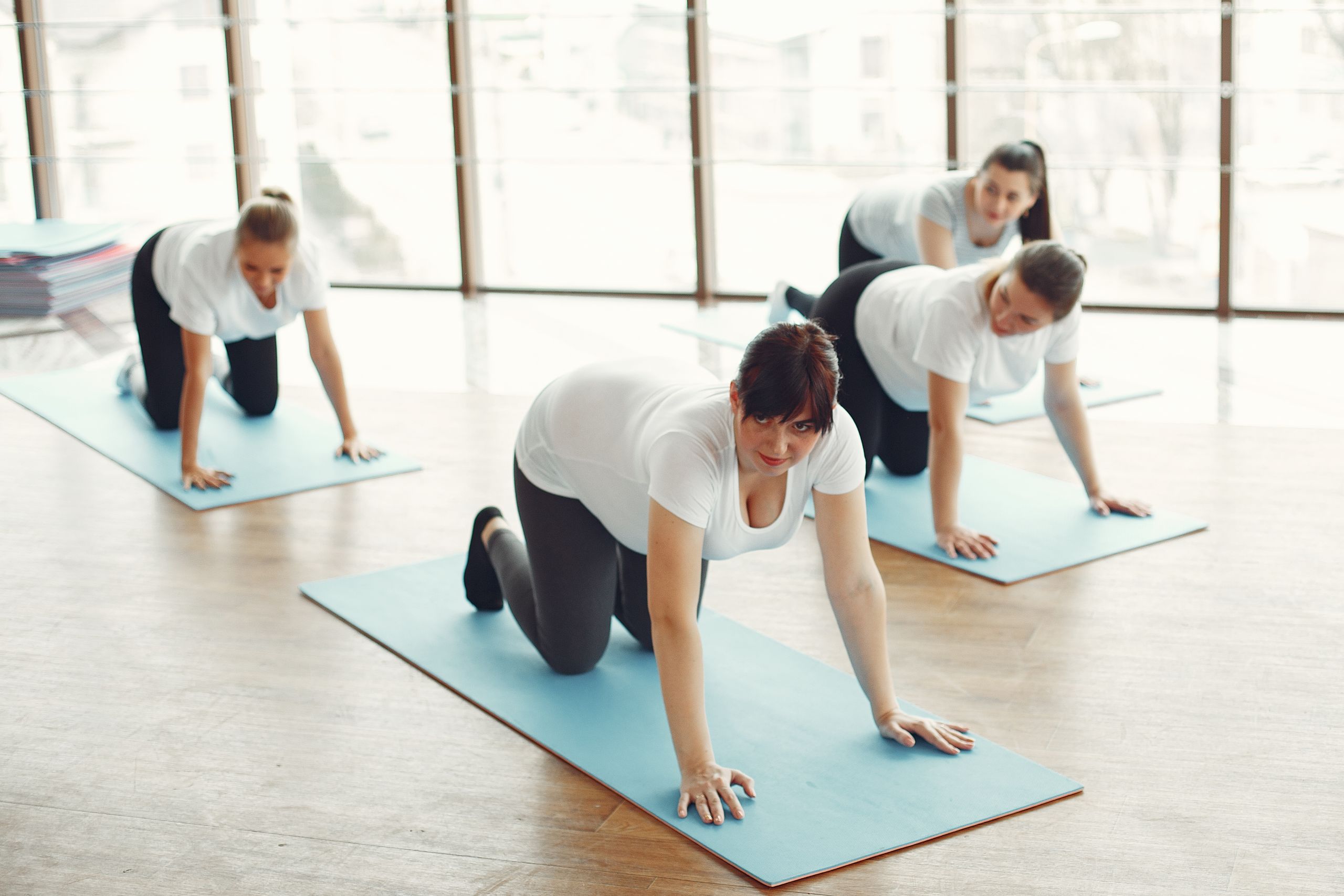
Six weeks postpartum, you’re cleared for exercise. You try a burpee. Your pelvic floor says absolutely not. You Google “how to get my body back” and find conflicting advice: some say wait three months, others promise results in two weeks. Both are wrong—and that uncertainty keeps you stuck.
Postpartum pilates isn’t trendy marketing. It’s grounded in how your body actually recovers. Your core didn’t just stretch; it separated. Your pelvic floor was overloaded.
Your deep stabilizer muscles—the ones that prevent leaking, back pain, and that stubborn lower belly pooch—need deliberate, progressive rebuilding, not high-impact heroics.
This guide gives you the exact routine to restore function safely, the science behind why pilates works where other postpartum workouts fail, and a realistic timeline for real results. You’ll know which moves are safe now, which to save for later, and how to progress without setback.
Why Postpartum Pilates Works for Core Recovery

Your core didn’t just stretch during pregnancy—it fundamentally changed. The rectus abdominis muscles separated, your pelvic floor absorbed months of increasing load, and your deep stabilizers (transverse abdominis and multifidus) essentially went on leave. This isn’t weakness you can shame away with crunches. It’s a legitimate structural shift that requires a specific approach to rebuild safely.
Pilates works for postpartum recovery because it targets the exact system that needs retraining: your deep core stabilizers. Unlike traditional ab exercises that primarily work the outer rectus abdominis (the six-pack muscle), Pilates emphasizes controlled, low-impact movements that re-engage the transverse abdominis—the deepest abdominal layer that acts like a corset around your organs and spine. Research published in the Journal of Women’s Health Physical Therapy shows that controlled breathing and deliberate core engagement, the foundation of Pilates, restore neuromuscular connection faster than random exercise.
The breathing pattern is the real game-changer. In Pilates, you’re taught to exhale during effort and inhale during release. This isn’t arbitrary—it coordinates your breath with your pelvic floor and deep abdominal engagement. Your pelvic floor and transverse abdominis work together. When you exhale properly, you’re not just moving your body; you’re retraining the neurological connection between your breath, your pelvic floor, and your stabilizers. New moms rarely do this naturally after birth, and that’s why generic “core workouts” often feel ineffective or even uncomfortable.
Pilates is also low-impact and progressive by design. You’re not jumping, running, or bearing heavy loads before your foundation is ready. The movements are small, precise, and scalable—you control the intensity by adjusting your range of motion, not by adding weight or speed. This means you can start safely at 6-8 weeks postpartum (with clearance from your provider) and genuinely progress without the stop-start cycle of pain, overcompensation, and frustration that derails so many postpartum fitness attempts.
Understanding Your Postpartum Core: Diastasis Recti and Pelvic Floor
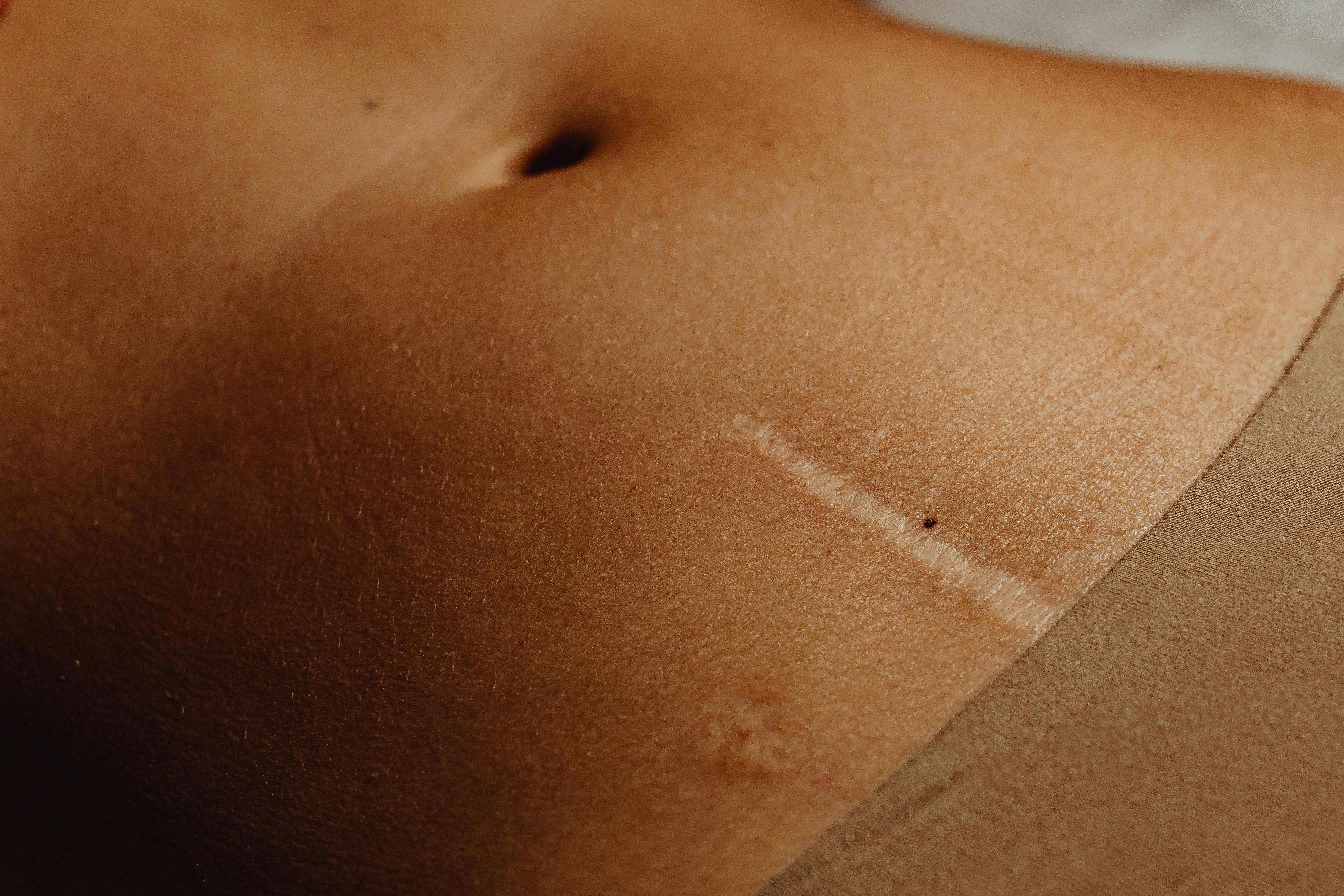
Before you start any postpartum exercise, you need to understand what actually happened to your core during pregnancy and birth. Your abdominal muscles didn’t just get “stretched out”—they were systematically separated. During pregnancy, the linea alba (the connective tissue running down the center of your abs) thins and widens to accommodate your growing baby. This separation is called diastasis recti, and it’s completely normal. The problem isn’t that it happened; it’s that many women never properly rehabilitate it afterward.
Here’s what matters: diastasis recti isn’t just a cosmetic issue. That separated tissue is your core’s structural foundation. When it’s not functioning properly, your lower back, pelvis, and posture all suffer. Research shows that women with unaddressed diastasis recti are significantly more prone to lower back pain and pelvic instability—exactly what you don’t need when you’re carrying a car seat and a diaper bag daily. The good news? Pilates specifically targets the deep abdominal layers that help re-integrate this separation, but only if you’re doing it correctly.
Your pelvic floor is equally critical and equally overlooked. Pregnancy and vaginal delivery (or the pressure of pregnancy before a C-section) stretch and sometimes tear these muscles. They control bladder function, support your organs, and stabilize your entire core. Many postpartum women leak when they laugh, cough, or jump—and they think that’s just “what happens after kids.” It doesn’t have to be. Weak pelvic floor muscles also prevent your deep core from engaging properly, which means your Pilates work won’t be as effective.
Before starting this routine, do a simple check: place two fingers just above your belly button, press gently inward, and cough. If you feel a bulge or doming, you likely have diastasis recti. If you’re experiencing any leaking, mention it to your doctor or pelvic floor physical therapist. This isn’t a barrier to exercise—it’s information that shapes how you’ll progress. Some women benefit from 4-6 weeks of pelvic floor PT before starting intensive core work. Others can begin immediately with modified movements. Either way, understanding what you’re working with changes everything.
Wall Pilates Postpartum: Why the Wall Is Your Best Tool
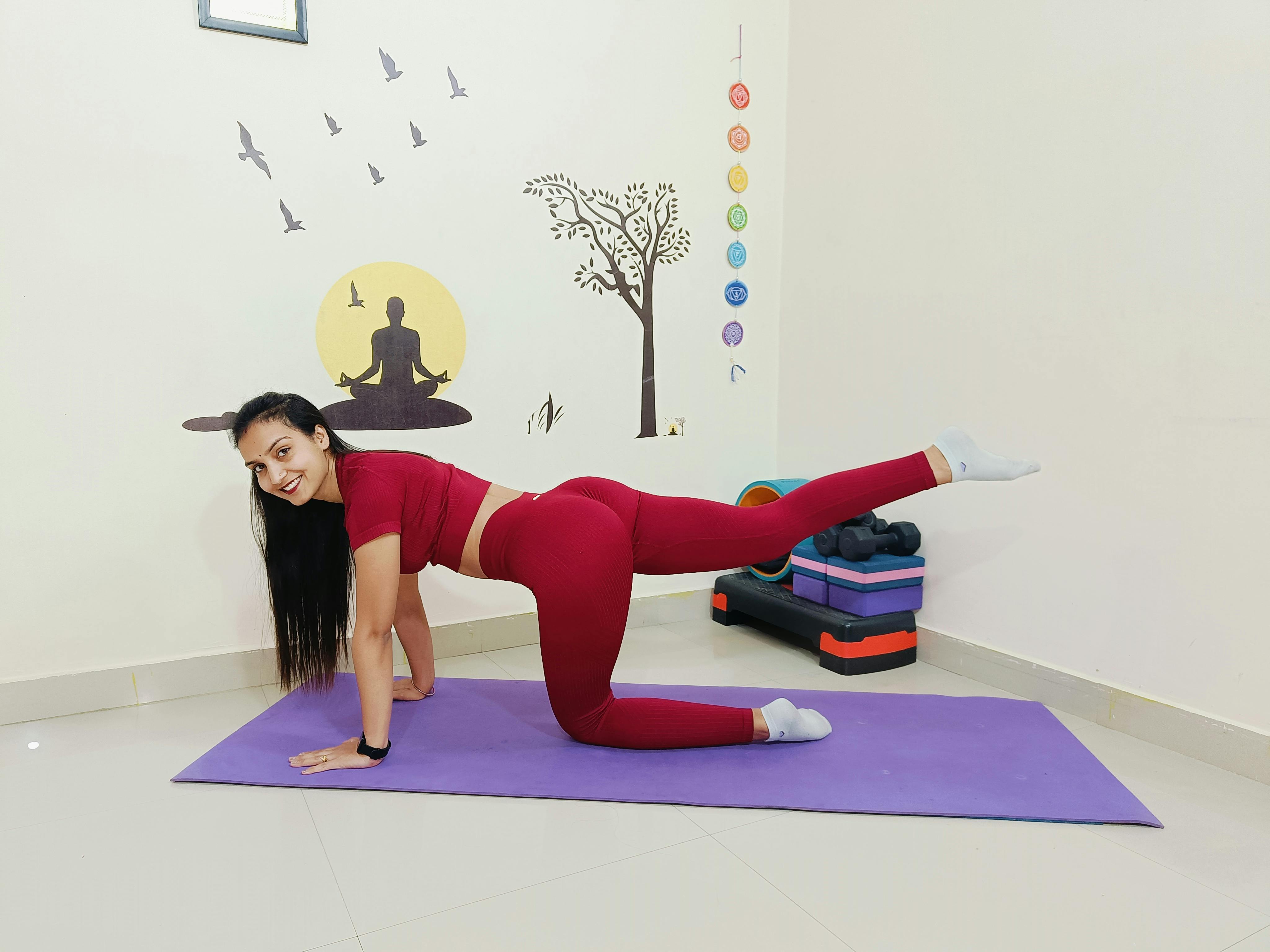
Here’s what makes wall-based Pilates different from mat work in the postpartum phase: the wall removes variables. Your spine has a fixed reference point. Your pelvis can’t anteriorly tilt without you feeling it immediately. This feedback loop is exactly what your recovering core needs right now—not guesswork, not hoping you’re engaging correctly, but real-time sensory confirmation.
Physiologically, the wall works because it reduces the demand on stabilizer muscles while you’re relearning how to coordinate them. After pregnancy and delivery, your deep abdominal wall (the transverse abdominis) has been stretched, your pelvic floor may be weakened or tight, and your nervous system literally needs to re-establish the connection between brain and core. The wall doesn’t let you compensate by hiking your ribs, gripping your glutes, or holding your breath—three mistakes I see constantly in postpartum exercisers who move to the mat too early. The wall catches you.
Practically, it’s also the most forgiving environment. You can’t fall. You can’t lose your balance while holding a baby monitor in one hand. You can pause mid-movement without collapsing. For moms working with fragmented sleep and divided attention, this matters more than you’d think.
The common mistake I see: treating wall Pilates as “easy” or a stepping stone to “real” exercise. It’s neither. Wall work is legitimate strength and motor control training. You’re not doing wall Pilates because you’re weak—you’re doing it because your core needs precision before it needs intensity. There’s a difference, and it’s the difference between recovering well and creating compensatory patterns that follow you for years.
Expect to spend 4–8 weeks primarily wall-based before progressing significantly to mat work. That timeline isn’t conservative—it’s evidence-informed. Your core needs time, and the wall gives you the safest, most effective way to use that time.
Postnatal Pilates Workout: The Complete Beginner Routine
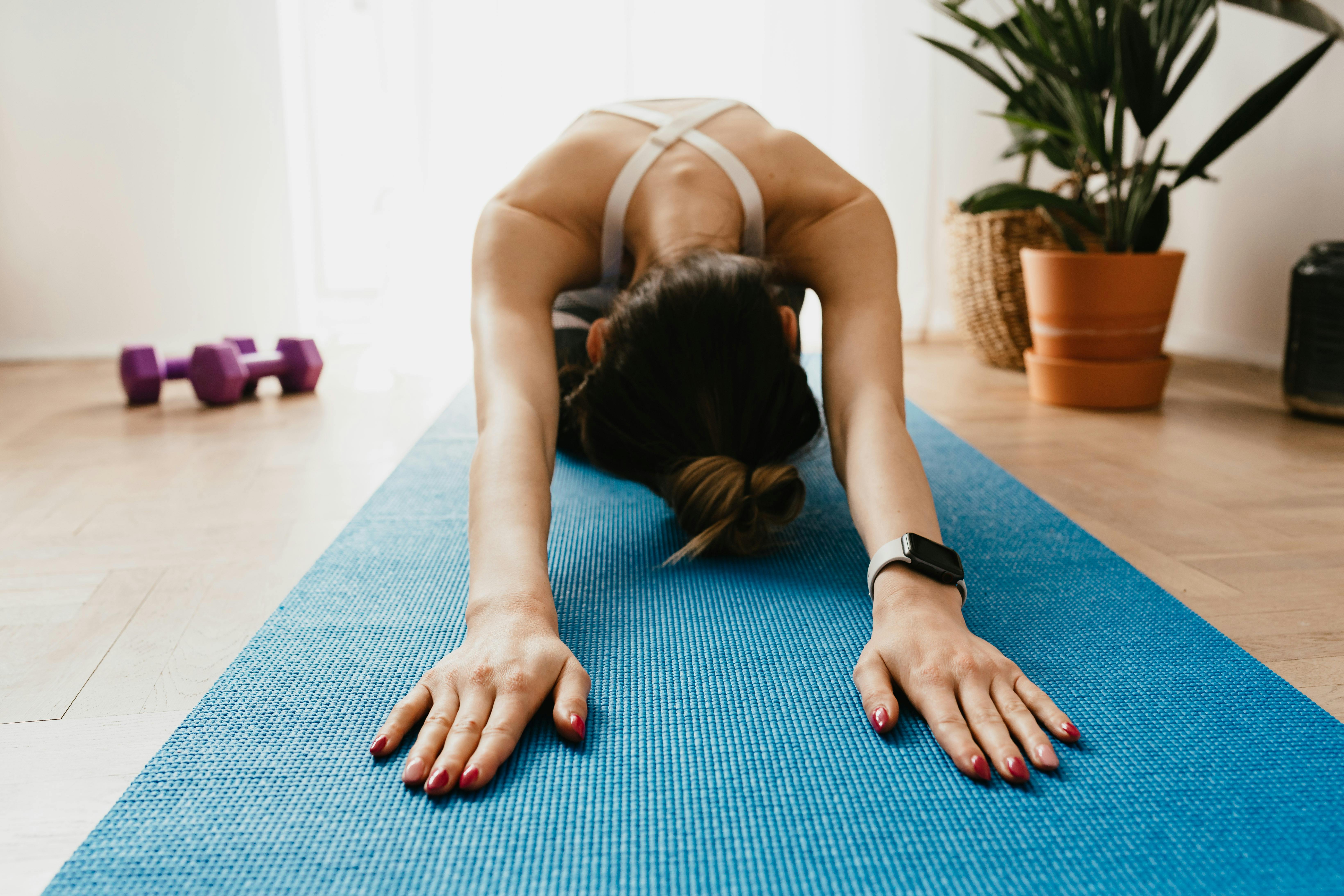
Now that you understand why the wall is your foundation, let’s build a real routine you can do 3–4 times per week, starting around 6–8 weeks postpartum (or whenever your doctor clears you). This isn’t a 20-minute Instagram workout. It’s 15 minutes of deliberate, breath-connected movement designed to reestablish neural pathways to your deep core before you add intensity.
The Setup (2 minutes): Stand with your back against the wall, feet hip-width apart, about 6 inches from the wall. Inhale for 4 counts through your nose. Exhale for 6 counts through your mouth while gently drawing your lower belly in—not sucking in, but engaging from deep within. This is your reset. Do 5 breaths.
Wall Slides (3 sets × 8 reps): Arms at shoulder height, elbows bent 90 degrees against the wall. Slowly slide your arms up toward your head while maintaining contact with the wall. Your ribs will want to flare—don’t let them. Keep your exhale steady. Lower back down. Rest 60 seconds between sets. This teaches your ribs to stay stable while your shoulders move, a critical pattern for preventing core compensation.
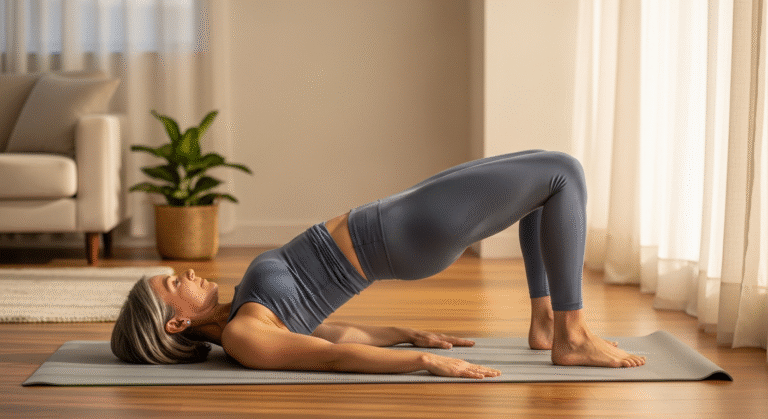
Glute Bridge Hold (3 sets × 20 seconds): Lie on your back, knees bent, feet flat on the floor. Press through your heels to lift your hips until your knees, hips, and shoulders form a straight line. Squeeze your glutes hard—this is not a lower-back exercise. Hold, breathing steadily. Rest 45 seconds. Do 3 sets. Weak glutes force your core to work overtime; this fixes that.
Pelvic Tilts (3 sets × 10 reps): Still on your back, gently rock your pelvis so your lower back presses into the floor, then release. Small, controlled movement. This retrains the relationship between your abdominals and spine without forcing any separation that might still exist.
The Honest Timeline: You’ll feel stronger in 2–3 weeks. Visible changes take 8–12 weeks of consistency. Your nervous system needs time to remember how to recruit these muscles. That’s not failure—that’s biology.
Pilates for Mom Pooch: Targeting Stubborn Lower Belly Safely

That lower belly pouch isn’t just cosmetic frustration—it’s a legitimate physiological response to pregnancy and the weakened fascial connections underneath. The good news: Pilates directly addresses this through deep core engagement, not through endless crunches or wishful thinking. The bad news: you can’t spot-reduce fat, and if you’re still in that calorie surplus phase of postpartum life (especially if breastfeeding), your body will hold onto belly fat as a buffer. This is normal. This is not a failure.
The lower transverse abdominis—the deepest core muscle that acts like a corset—is where Pilates makes its difference. When this muscle is weak or disconnected (common after pregnancy), your lower belly naturally protrudes because there’s nothing pulling it in. Research shows that targeted deep core activation, combined with progressive resistance training elsewhere in the body, produces visible abdominal changes within 8–12 weeks. The key word: progressive. You can’t rush this by doing harder exercises too soon.
The most common mistake: Doing excessive forward flexion (sit-ups, crunches, intense planks) before the transverse abdominis is ready. This actually increases intra-abdominal pressure and can worsen diastasis recti or pelvic floor dysfunction. Instead, focus on isometric holds and slow, controlled movements that keep your breath steady and your pelvic floor engaged.
Your targeted approach: Combine lower-belly-specific Pilates moves—like the modified single-leg stretch, pelvic tilts with resistance, and dead bug variations—with full-body strength training 2–3 times weekly. The full-body work matters because it increases overall metabolic demand and muscle mass, which supports fat loss when combined with adequate (not restrictive) nutrition. Aim for 3 sets of 12–15 reps on lower-core moves, resting 45 seconds between sets. Progress by adding resistance bands or small weights around the ankles, not by doing more reps faster.
Realistic timeline: visible softening of the lower belly usually shows around week 6–8 of consistent practice. Full tightening takes 12–16 weeks. Your patience here isn’t weakness—it’s respect for your body’s actual capacity to change.
Building Your Postpartum Workout Plan: Frequency, Progression, and Red Flags
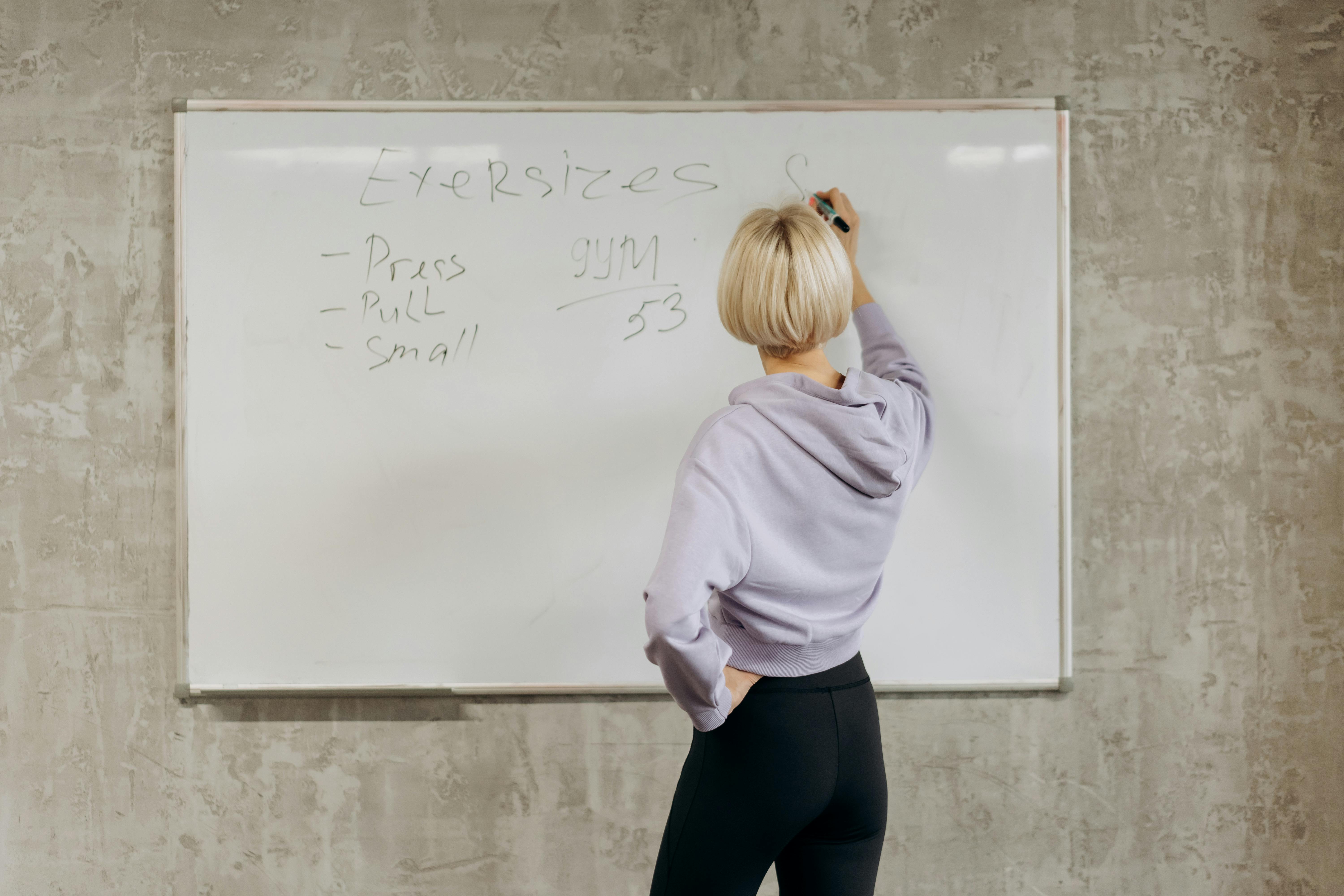
Here’s the truth: consistency beats intensity in postpartum recovery. Your core didn’t weaken overnight, and it won’t rebuild overnight either. The research on postpartum training is clear—women who train 3–4 times per week with progressive overload see measurable improvements in core strength and diastasis recti closure within 8–12 weeks. But that only works if you’re actually doing the work, not just thinking about it.
Start with 3 sessions per week, 15–20 minutes each. This is the sweet spot: frequent enough to create adaptation, but sustainable alongside the chaos of newborn life. Space them out—Monday, Wednesday, Friday works well—so your core has recovery days. Your muscles don’t grow during the workout; they grow during rest. Skipping rest days won’t speed up results; it’ll just leave you depleted and more likely to quit.
Progression doesn’t mean jumping to advanced exercises. It means increasing reps, holding longer, reducing rest periods, or adding resistance bands. If you’re doing 10 reps of a move with perfect form, do 12 next week. If 12 feels easy, add a 2-second pause at the top. This is how real strength builds—small, consistent increments that feel manageable but add up fast.
Now, the red flags. Stop immediately and contact your pelvic floor physical therapist if you experience: heaviness or bulging sensation in the pelvic floor, leaking during exercise (beyond occasional stress incontinence), sharp pain (not muscle soreness), or increased bleeding. These aren’t signs to push through—they’re signals your body needs professional assessment. Postpartum recovery isn’t one-size-fits-all, and sometimes you need expert eyes on your specific situation.
One more thing: expect a plateau around week 6–8. This is normal and temporary. Your nervous system is adapting, and progress will feel invisible. This is where most moms quit, thinking it’s not working. It is. Keep going. The breakthrough comes after the plateau, and when it does, you’ll feel it.
CONCLUSION

Postpartum Pilates isn’t a quick fix—it’s a physiologically sound framework for rebuilding what pregnancy and birth changed. Your core didn’t fail you; it transformed. The diastasis recti, the pelvic floor tension, the “mom pooch”—these aren’t character flaws. They’re signals that your body needs intentional, progressive recovery, not punishment or shame. The wall becomes your partner because it removes the guesswork and lets you rebuild connection before you demand explosive strength. The beginner routine works because it respects the timeline your nervous system actually needs, not the one Instagram promises. And the progression framework keeps you moving forward without the stop-start cycle that leaves so many moms frustrated and injured.
Here’s what matters: consistency beats intensity. One mindful wall roll-up three times a week, done with genuine core engagement, will transform your recovery faster than sporadic intense sessions that bypass the real problem. The research is clear—your pelvic floor and deep core need neuromotor re-education, which takes weeks, not days. You’re not being lazy by starting slow. You’re being smart. Most postpartum injuries happen when moms skip the foundation phase, desperate to “get their body back” by month six. The moms who see lasting change are the ones who give themselves permission to rebuild properly, even if it feels slow.
Your next step: pick one day this week to do the beginner routine once. Not because you’re committing to perfection, but because you’re gathering data. Notice where you feel strong. Notice where you feel disconnected or tight. Notice what your body actually needs, not what you think it should need. Then commit to three sessions the following week. That’s it. No program overhaul, no “starting Monday,” no all-or-nothing thinking. Just one workout, then three. From there, you’ll build the sustainable habit that actually works. Your core will respond. Your pelvic floor will thank you. And in eight to twelve weeks, you won’t just feel stronger—you’ll feel like yourself again.