2027 fitness goals for women over 40
Your body at 42 is not your body at 32—and that’s not a problem to solve, it’s a reality to work with.
Women over 40 lose muscle three times faster than men the same age, and hormonal shifts make the old calorie-counting playbook obsolete. But here’s what research actually shows: strength training after 40 isn’t harder than it was younger. It’s more effective. You get faster bone density gains, better metabolic resilience, and results that stick because you’re finally training smart instead of just hard.
This guide cuts through the noise. You’ll get a concrete 2027 strength blueprint built on ACSM guidelines, realistic benchmarks that have nothing to do with the scale, and the mindset shifts that separate women who stick with it from those who quit by March. No trends. No gimmicks. Just what works when your body is actually listening.
In This Article
- Why Strength Training Is Non-Negotiable After 40
- ACSM Guidelines Decoded: Your 2-3 Day Training Blueprint
- Strength Benchmarks Worth Tracking (Not the Scale)
- SMART Goals Adapted for Midlife Hormones
- 2027 Training Trends That Actually Work for Women Over 40
- Best Apps and Programs for Women Over 40 (2026-2027)
- CONCLUSION
Why Strength Training Is Non-Negotiable After 40
Let’s be direct: after 40, your body starts losing muscle at roughly 3–8% per decade if you don’t actively prevent it. This isn’t pessimism; it’s physiology. That decline accelerates around menopause when estrogen drops, which means your body becomes less efficient at both building and retaining muscle. The good news? Resistance training is the single most powerful lever you have to stop this loss—and actually reverse it.
This matters far beyond vanity. Muscle is metabolically active tissue. Every pound you lose without strength training is often muscle, not fat, which tanks your resting metabolic rate and makes weight management exponentially harder.
But muscle also protects your bones (critical as osteoporosis risk climbs), stabilizes your joints, improves insulin sensitivity, and is one of the strongest predictors of longevity and independence in your later years. Women who maintain strength in their 40s and 50s are measurably more likely to stay mobile, fall-resistant, and independent at 70 and beyond.
The mental shift here is important: you’re not lifting to “tone up” or earn a smaller pants size. You’re building a resilient body. You’re investing in your 60s, 70s, and 80s right now.
Here’s what research actually shows. Studies from the American College of Sports Medicine (ACSM) consistently demonstrate that women over 40 who do resistance training 2–3 times weekly maintain muscle mass, improve bone density, regulate blood sugar more effectively, and report better mood and energy than their sedentary peers. One often-overlooked benefit: strength training buffers against the metabolic slowdown that typically accompanies menopause. You don’t have to accept the “slowing metabolism” narrative as inevitable.
The barrier isn’t usually knowledge—most women over 40 *know* they should strength train. The barrier is uncertainty about where to start, fear of doing it wrong, or feeling intimidated. That’s exactly what the next section addresses: a clear, evidence-backed blueprint that works for beginners and veterans alike.
ACSM Guidelines Decoded: Your 2-3 Day Training Blueprint
The American College of Sports Medicine recommends that adults over 40 perform resistance training at least twice weekly, targeting all major muscle groups. Sounds simple. But “twice weekly” doesn’t mean two 20-minute YouTube sessions—it means structured work that creates the metabolic demand your body needs to hold onto muscle mass and bone density. Here’s what that actually looks like in practice.
The 2-Day Minimum Framework
If you’re starting out or managing a packed schedule, commit to two non-consecutive days per week. Space them 48 hours apart so your muscles recover. Each session should include compound movements—squats, deadlifts, rows, chest presses—that work multiple muscle groups at once. This is efficient and effective. Aim for 3 sets of 8–12 reps per exercise, with 60–90 seconds rest between sets. A realistic session runs 30–40 minutes. That’s it. Consistency beats perfection every single time.
The 3-Day Sweet Spot
If you can add one more session, you unlock better results without burning out. A simple split works beautifully: Day 1 focuses on lower body (squats, lunges, leg press), Day 2 on upper body push (chest, shoulders, triceps), and Day 3 on upper body pull (rows, lat pulldowns, bicep work).
This gives each muscle group adequate recovery while keeping frequency high enough to drive adaptation. Most women I’ve worked with see noticeable strength gains within 6–8 weeks at this frequency.
The Common Mistake: Underloading
Women over 40 often use weights that feel “safe” but don’t create enough tension to stimulate change. Your last 2–3 reps of each set should feel genuinely challenging—that’s where the adaptation signal lives. If you can easily do 12 reps and could do 15 more, the weight is too light. Progressive overload (gradually increasing weight or reps) is the only mechanism that builds strength. Start where you need to, but plan to increase every 2–3 weeks.
Pick your schedule—2 or 3 days—and commit to it for 12 weeks before evaluating. Your nervous system needs time to learn the movements, and your body needs consistency to respond. The blueprint works. Your job is showing up.
Strength Benchmarks Worth Tracking (Not the Scale)
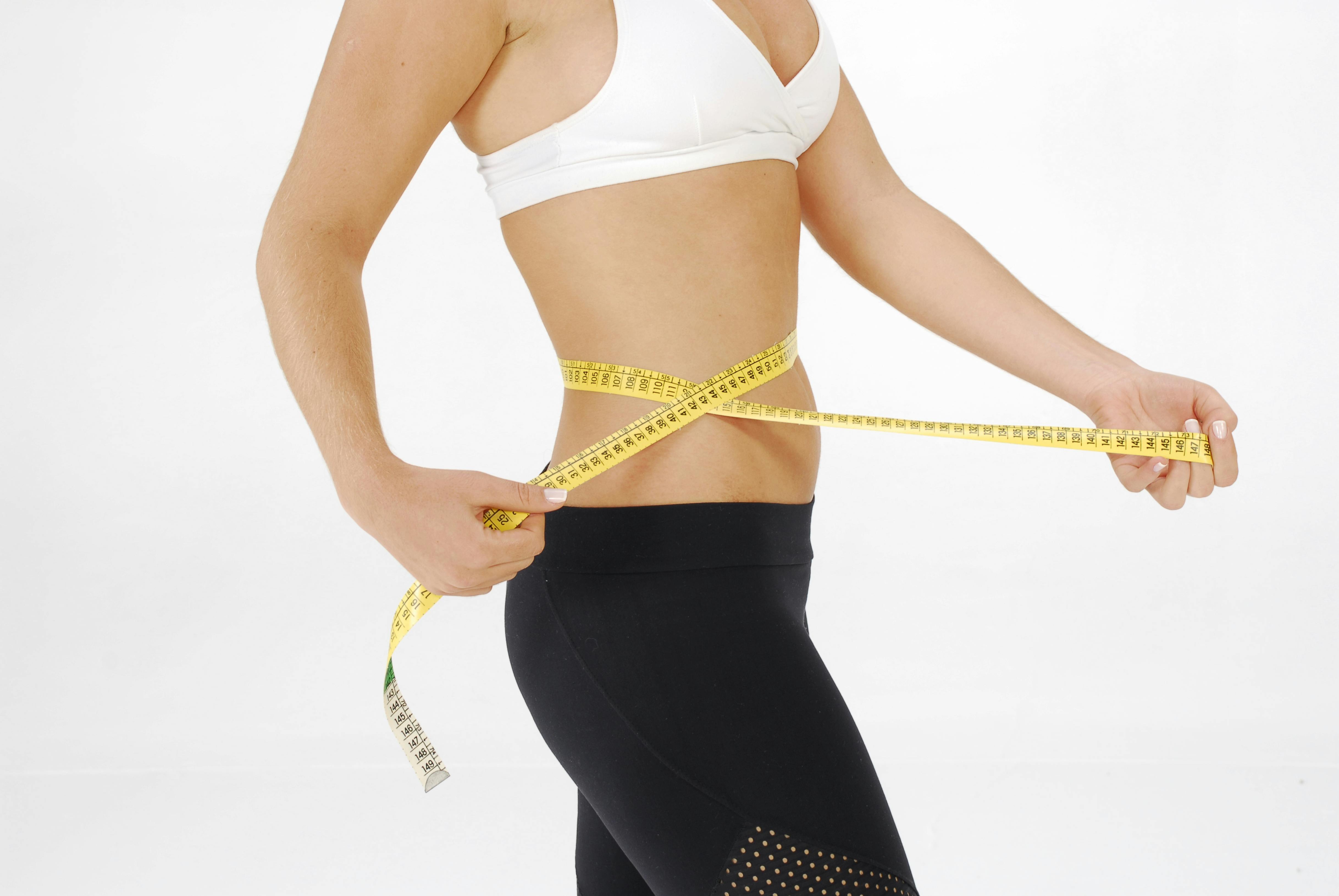
Here’s what nobody tells you: the scale is a liar after 40. You can gain muscle, lose fat, feel stronger than you did at 30, and weigh exactly the same. This is why tracking strength benchmarks—not weight—is the only metric that matters for women in midlife.
The science is straightforward. After 40, we lose approximately 3–8% of muscle mass per decade without resistance training. That muscle loss directly affects metabolism, bone density, and how you move through the world.
When you focus on strength gains instead of scale drops, you’re actually measuring what’s happening inside your body: muscle preservation, metabolic resilience, and hormonal stability. Research from the American College of Sports Medicine shows that women who track strength progress report higher adherence to training and better long-term results than those chasing weight loss alone.
The benchmarks that matter: Can you do a bodyweight squat with perfect form for 12 reps? Perform a push-up (full or modified) with control? Deadlift 1.25x your bodyweight? Hold a plank for 60 seconds without your hips sagging? These aren’t arbitrary—they predict functional independence, fall prevention, and quality of life in your 60s and beyond.
A common mistake: women over 40 often avoid testing their true strength because they’re afraid of “lifting too heavy” or failing. But testing—even failing—is essential data. You can’t improve what you don’t measure. Pick one lift per month to test (squat, deadlift, push-up, or row), do a warm-up set, then attempt your best single rep or max reps at a challenging weight. Write it down. This becomes your baseline.
Expect progress to look different than it did at 25. You might gain 5 pounds on your deadlift every 4–6 weeks, not every week. That’s normal and sustainable. The goal isn’t to become a powerlifter—it’s to build the strength that keeps you independent, confident, and resilient through your 50s, 60s, and beyond. That’s worth tracking.
SMART Goals Adapted for Midlife Hormones

The SMART framework—Specific, Measurable, Achievable, Relevant, Time-bound—works brilliantly for fitness goals, but it needs one critical adjustment for women over 40: a hormonal reality check. Your menstrual cycle (if still cycling) or post-menopausal status directly influences recovery capacity, energy availability, and even strength expression. A goal that ignores this is a goal that will feel impossible half the month.
Here’s the honest truth: your nervous system’s readiness to handle heavy loads fluctuates. Research on female athletes shows strength peaks during the follicular phase (days 1-14 of your cycle) and dips during the luteal phase.
If you’re setting a goal like “squat 185 lbs by June 2027,” you’re not accounting for the 7-10 day window each month when that load feels heavier neurologically, even though your muscles are capable. The fix? Build a 3-month buffer into your timeline and plan deload weeks strategically around your cycle, not against it.
For post-menopausal women, the hormonal picture is different but equally important. Estrogen’s role in collagen synthesis and recovery means you’ll need slightly longer rest periods between heavy sessions—48-72 hours instead of 48. A SMART goal that says “deadlift 3x per week” might actually sabotage you. Reframe it: “Deadlift twice weekly with one heavy, one moderate session, allowing 72 hours between them.”
Make your goals hormone-aware by adding a specificity layer. Instead of “build upper body strength,” write: “Achieve a 15-lb increase in bench press by Q4 2027, with training intensity adjusted for cycle phases and recovery prioritized during high-stress work periods.” This isn’t overthinking—it’s respecting the biology that actually determines whether you succeed or burn out.
The mindset shift here is crucial: you’re not working around your hormones as a limitation. You’re working *with* them as a strategic advantage. Women who sync training intensity to their cycle see better adherence and faster progress than those fighting their biology month after month.
2027 Training Trends That Actually Work for Women Over 40
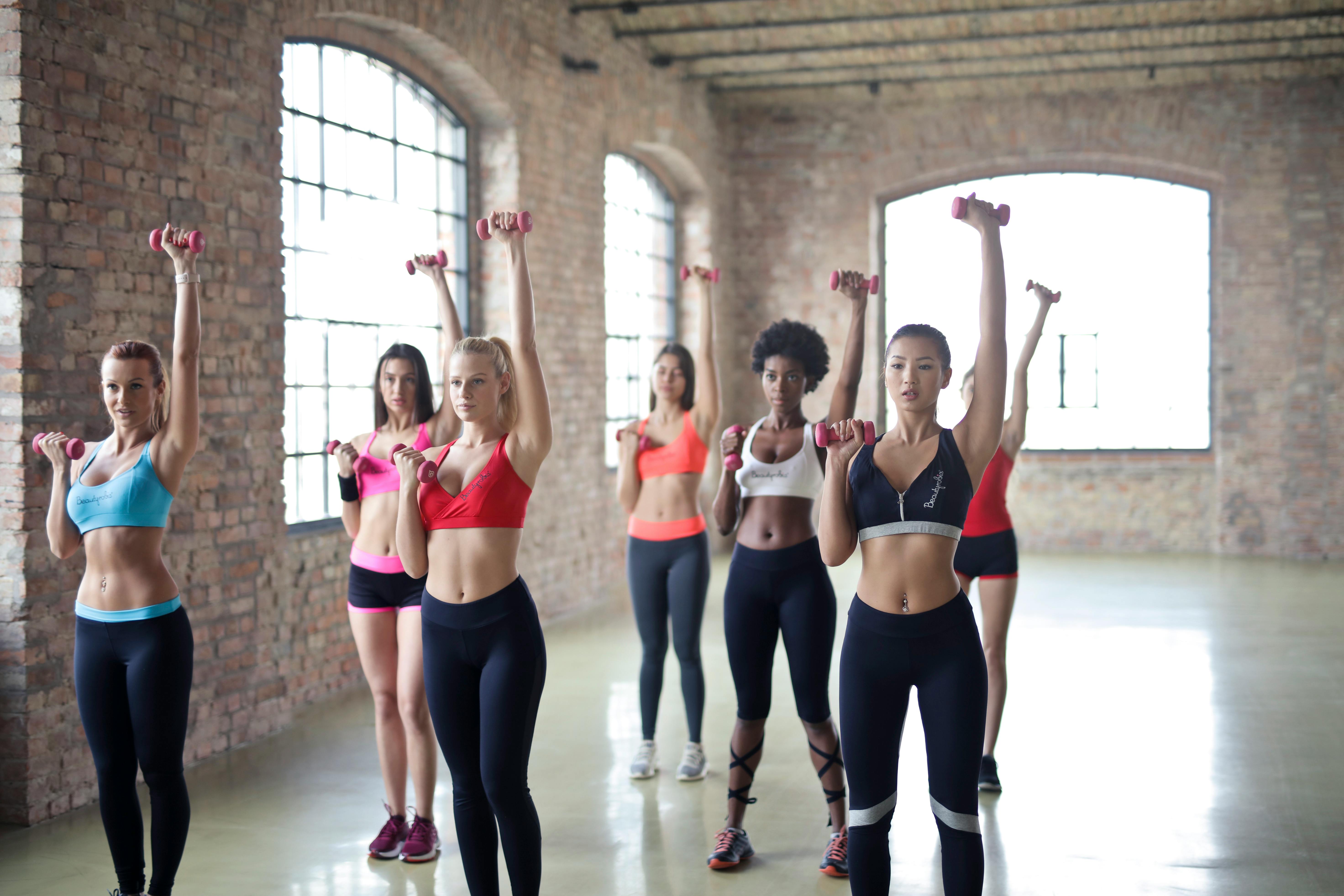
Here’s what’s not a trend: expensive equipment you’ll use twice, viral TikTok workouts designed for 22-year-olds, or the myth that cardio is your only option. What *is* working in 2027 for women over 40 is a return to fundamentals—with a science-backed twist.
Strength training with metabolic conditioning is the dominant approach, and for good reason. Women over 40 experience a 3–8% decline in muscle mass per decade after 30, and strength training directly combats this.
But the trend isn’t just lifting heavy; it’s pairing compound lifts (squats, deadlifts, rows) with short metabolic finishers—think 30 seconds of kettlebell swings or battle ropes. This combination preserves muscle while improving cardiovascular health and insulin sensitivity, which matters more as hormones shift. The key difference from “HIIT culture” of the 2010s: recovery is built in. You’re not crushing yourself daily. You’re strategic.
Periodized programming tailored to cycle syncing is gaining legitimate traction. While not every woman has a menstrual cycle (perimenopause and menopause change everything), the principle still applies: varying intensity and volume throughout the month or quarter prevents burnout and aligns with energy fluctuations. If you’re perimenopausal or menopausal, this looks like heavier lifting in weeks when energy naturally dips and slightly higher volume when you feel stronger. This isn’t pseudoscience—it’s respecting your nervous system’s actual capacity.
Mobility and longevity training integrated into every session has stopped being an afterthought. Yoga, Pilates, and dedicated mobility work aren’t “light” options anymore; they’re essential. Women over 40 often deal with desk posture, shoulder tightness, and hip stiffness that directly impact lifting quality and injury risk. The trend is embedding 5–10 minutes of targeted mobility into warm-ups and cool-downs, not treating it as optional.
The common mistake: chasing trends instead of consistency. A woman over 40 who lifts three times weekly with perfect form beats someone who rotates between five different viral programs every month. Pick an approach that fits your life, your recovery capacity, and your goals—then commit to it for at least 12 weeks before evaluating results.
Best Apps and Programs for Women Over 40 (2026-2027)
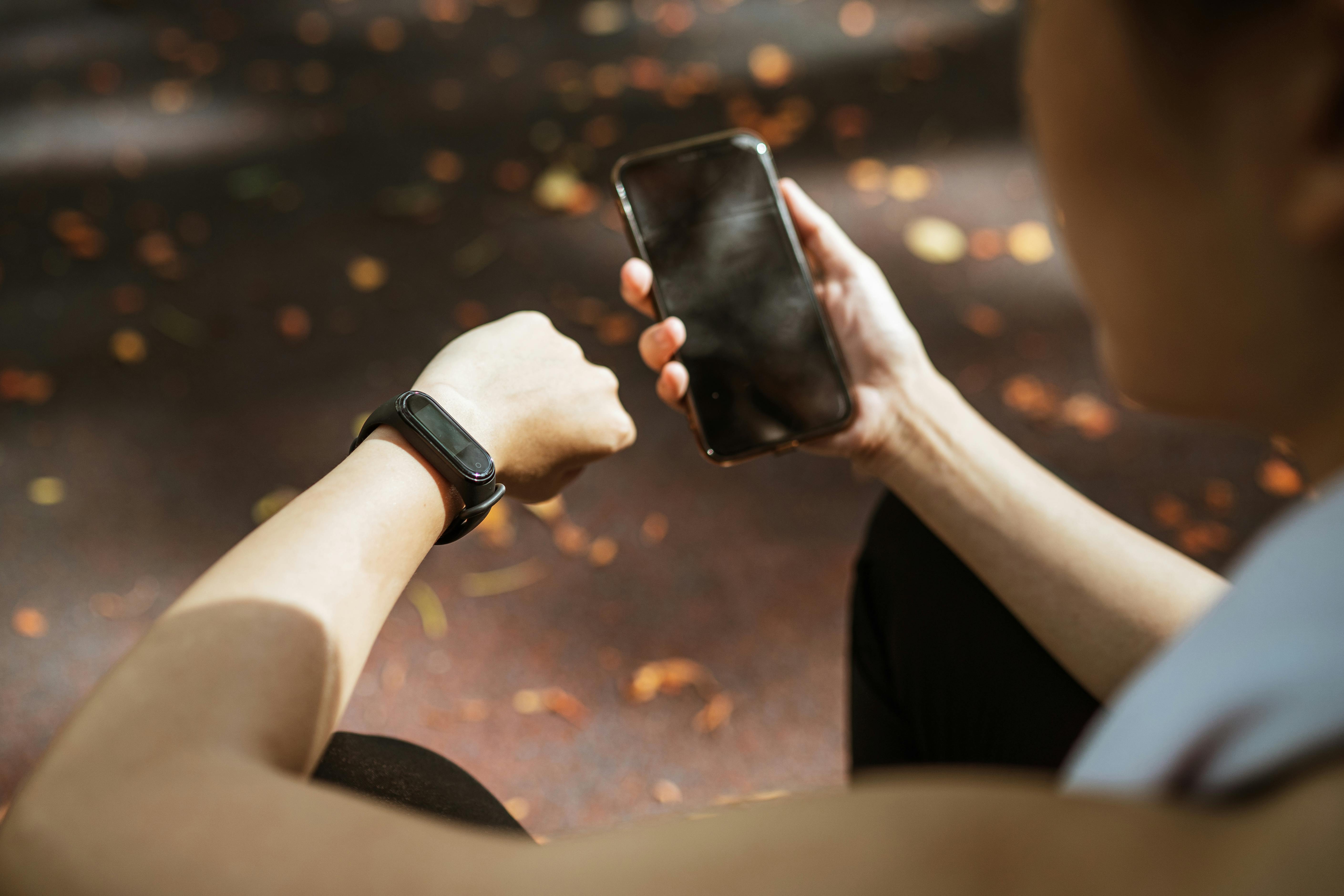
The fitness app landscape has finally caught up to what women over 40 actually need: progressive strength work, not endless cardio gamification. But not all platforms are created equal, and frankly, most were designed by people who don’t understand perimenopause, recovery demands, or the fact that you need periodization, not just daily motivation.
Look for programs that explicitly program strength phases—typically 4-6 week blocks that progressively increase load, not just variety for variety’s sake. StrongFirst and Stronger by Science have both released women-focused content that respects your neurological capacity and recovery window. These aren’t flashy, but they’re built on actual training principles. Peloton’s strength content has improved significantly; their newer programs include proper warm-ups and regression options, which matters when your joints need more prep than they did at 30.
If you prefer guided video classes, Alo Moves and Apple Fitness+ both offer strength-specific programming without the “feel the burn” nonsense. The critical difference: they show modifications and explain *why*—not because you’re weak, but because intelligent training respects your individual leverage and recovery capacity. That distinction changes everything psychologically.
For tracking, stop relying on calories-in-calories-out apps. Use something that logs strength metrics: Fitbod, Strong, or even a simple Google Sheet. You want to see progression in weight lifted, reps completed, or time under tension—the actual signals that your body is adapting. This is especially important during hormonal fluctuations, when the scale lies but your lifts don’t.
The honest take: the best app is the one you’ll actually use consistently. But consistency only sticks when the program respects your time, your body’s biology, and your intelligence. Avoid anything selling “quick fixes” or targeting “toning”—that language is a red flag that the program wasn’t designed with your physiology in mind. You’re building strength, not shrinking. That mindset shift, supported by the right tool, changes everything.
CONCLUSION

Here’s what matters: strength training after 40 isn’t a luxury or a vanity project—it’s preventive medicine wrapped in a workout. You’re fighting sarcopenia (muscle loss that accelerates after 40), protecting bone density as estrogen declines, and building the physical resilience to live the next 40 years without depending on anyone else to open a jar or carry groceries. The ACSM guidelines give you a clear roadmap: 2-3 days of resistance training per week, progressive overload, and consistency over perfection.
Your benchmarks aren’t about looking a certain way by 2027; they’re about measurable strength gains that prove your body is getting stronger, not weaker. And yes, hormones complicate the picture—energy fluctuates, recovery takes longer, and some weeks feel harder than others. That’s not a sign you’re doing it wrong. That’s the reality of training as a midlife woman, and acknowledging it is half the battle.
The apps and programs we covered exist to remove friction from the decision-making process. But here’s the honest truth: the best program is the one you’ll actually do.
Whether that’s a structured app, a coach, a training journal, or a gym buddy doesn’t matter nearly as much as showing up consistently and tracking what you’re doing so you can progress. Trends will come and go, but the fundamentals—compound movements, progressive resistance, adequate recovery—remain unchanged because they’re rooted in how your muscles actually work.
Your next step is simple: choose one thing this week. Pick one strength benchmark you want to own by the end of 2027 (a deadlift PR, 10 unassisted pull-ups, a 30-second plank hold—whatever resonates with you). Then pick your training method: 2-3 days per week, whatever format fits your life. Don’t overthink it. Don’t wait for January 1st or the “perfect” program.
Start this week with what you have access to right now. Your future self—the one in 2027 who can lift her own suitcase, climb stairs without thinking, and feel genuinely strong—is counting on the decision you make today.
Pin this for later