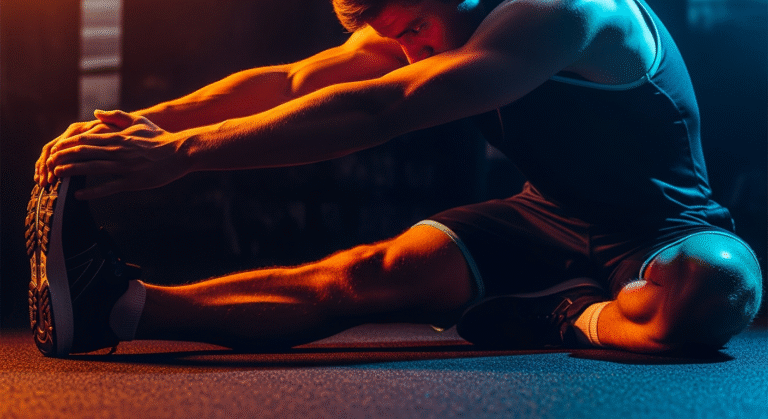
30-day Squatober Challenge

Most people quit fitness challenges by day 12. Not because they lack discipline, but because the program doesn’t match their actual life or fitness level. The Squatober Challenge is different—it’s built on progressive overload, the one principle that actually drives strength and muscle growth, and it scales from total beginner to advanced lifter.
Over the next 30 days, you’ll build lower-body strength, sculpt visible muscle definition, and develop the kind of consistency that lasts beyond October. You’ll learn exactly which squat variations target which muscles, how to progress without injury, and what to do on day 31 so you don’t lose everything you’ve built. This isn’t a gimmick challenge—it’s a structured system that works because it respects how your body actually adapts to training.
What Is the 30 Day Squat Challenge?
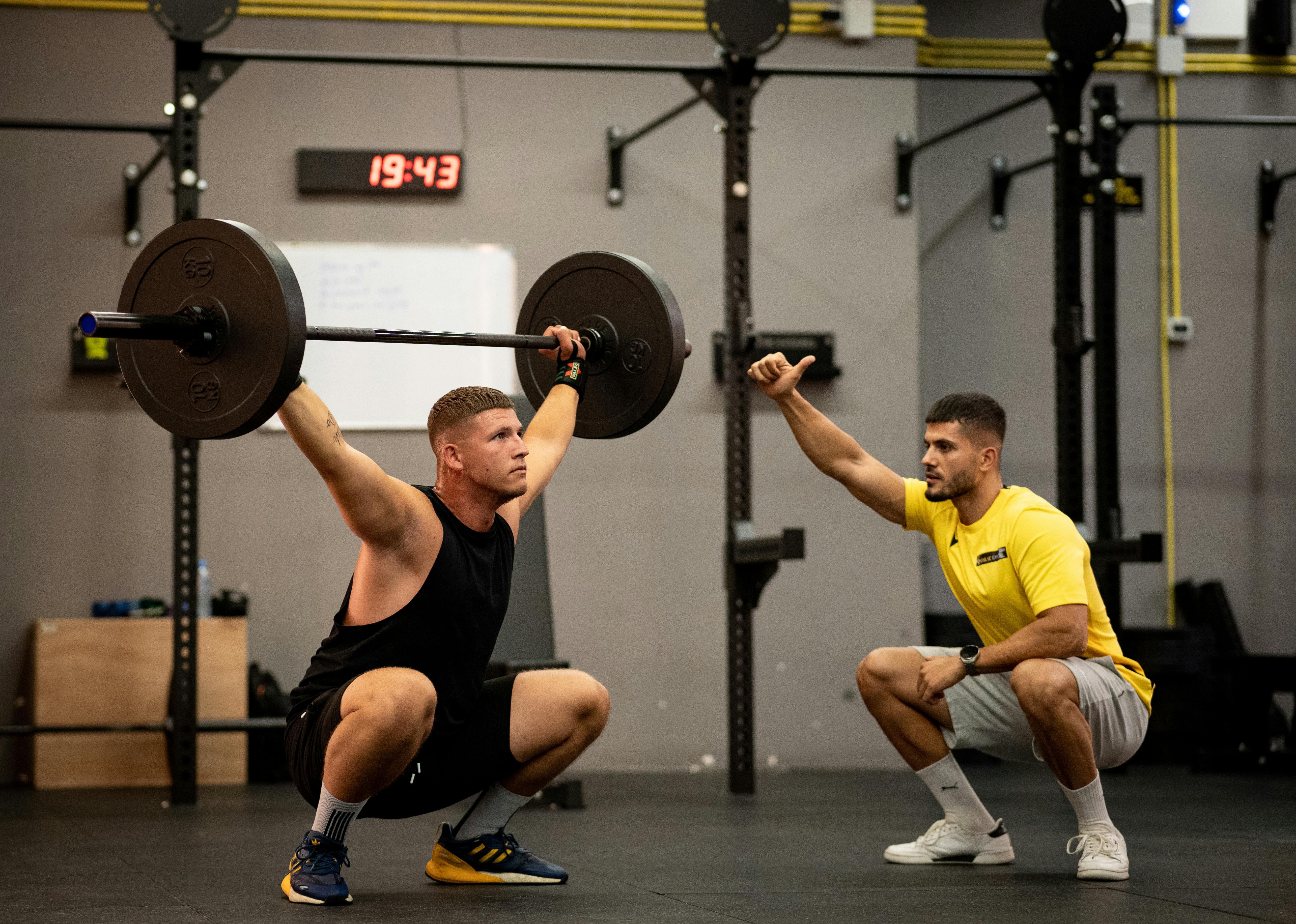
A 30-day squat challenge is exactly what it sounds like: a structured commitment to performing squats daily (or on a set schedule) for an entire month. But here’s what separates a real challenge from internet noise—it’s not about doing random reps until your legs scream. It’s a progressive overload system where you gradually increase volume, intensity, or difficulty over 30 consecutive days, forcing your body to adapt and build strength and muscle in the process.
The physiological magic here is called “progressive overload,” and it’s non-negotiable if you want results. Your muscles don’t change because you did squats once. They change because you consistently demand more from them than they’re used to. Over 30 days, you’re systematically increasing that demand—whether that’s adding reps, depth, resistance, or switching to harder variations. Your legs respond by building muscle fiber, increasing strength, and improving your metabolic rate (since legs are your largest muscle group).
Most people enter a squat challenge expecting visible abs and toned glutes by day 31. Let’s be honest: that’s not realistic. What *is* realistic? Noticeable strength gains by week two, visible muscle definition by week three, and a genuine habit that sticks around after day 30. You’ll also feel it in your daily life—stairs become easier, your posture improves, and your knees feel more stable.
The real value of a 30-day challenge isn’t the 30 days themselves. It’s the momentum and proof you build that you can commit to something hard. Most people quit fitness plans because they don’t see immediate results or they lose motivation. A structured challenge removes the guesswork and gives you a finish line. You know exactly what you’re doing each day, why you’re doing it, and when you’ll know if it worked.
That’s the framework. Now let’s talk about how to actually make it work for your body and your life.
The Squatober Challenge: Your October Fitness Momentum
October isn’t just about pumpkin spice and cooler weather—it’s the perfect month to build real, measurable strength. There’s something psychologically powerful about anchoring a 30-day commitment to a specific month. Your brain recognizes the boundary: October 1st to October 31st. Start. Finish. Done. This clarity matters more than you might think. Research on habit formation shows that time-bound challenges create stronger neural pathways than open-ended goals because they eliminate decision fatigue. You’re not wondering if today is a squat day; you already know it is.
Beyond the psychology, October timing works physiologically. If you’re in the Northern Hemisphere, the cooler weather means you’ll stay more comfortable during workouts—no summer heat sapping your energy or making recovery harder. You’re also positioning yourself perfectly for holiday season fitness momentum. Complete Squatober strong, and you enter November with a built habit, not a New Year’s resolution that fizzles by January 15th. This is the real hack: small wins compound. One month of consistent squats rewires your nervous system, builds work capacity, and creates a psychological anchor point you’ll reference for months.
The squat itself is non-negotiable for this challenge because it’s one of the few exercises that delivers systemic results. When you squat, you’re activating roughly 200+ muscles simultaneously—your quads, glutes, hamstrings, core, and even your upper back have to stabilize. This means one exercise creates metabolic demand across your entire body. You’re not just building leg strength; you’re improving your cardiovascular capacity, bone density, and hormonal response. Studies consistently show that compound lower-body work elevates testosterone and growth hormone for hours post-workout, amplifying recovery and adaptation across your whole system.
But here’s the honest part: Squatober only works if you show up on the days you don’t feel like it. October 7th. October 14th. October 23rd. These aren’t the motivational days—these are the days that build character and consistency. The challenge isn’t designed to be easy; it’s designed to be doable. That distinction matters. You’re not signing up to be perfect. You’re signing up to be consistent. And that consistency, repeated over 30 days, is what actually changes your body and your relationship with training.
30 Day Challenge Squats Beginner: Your Starting Point
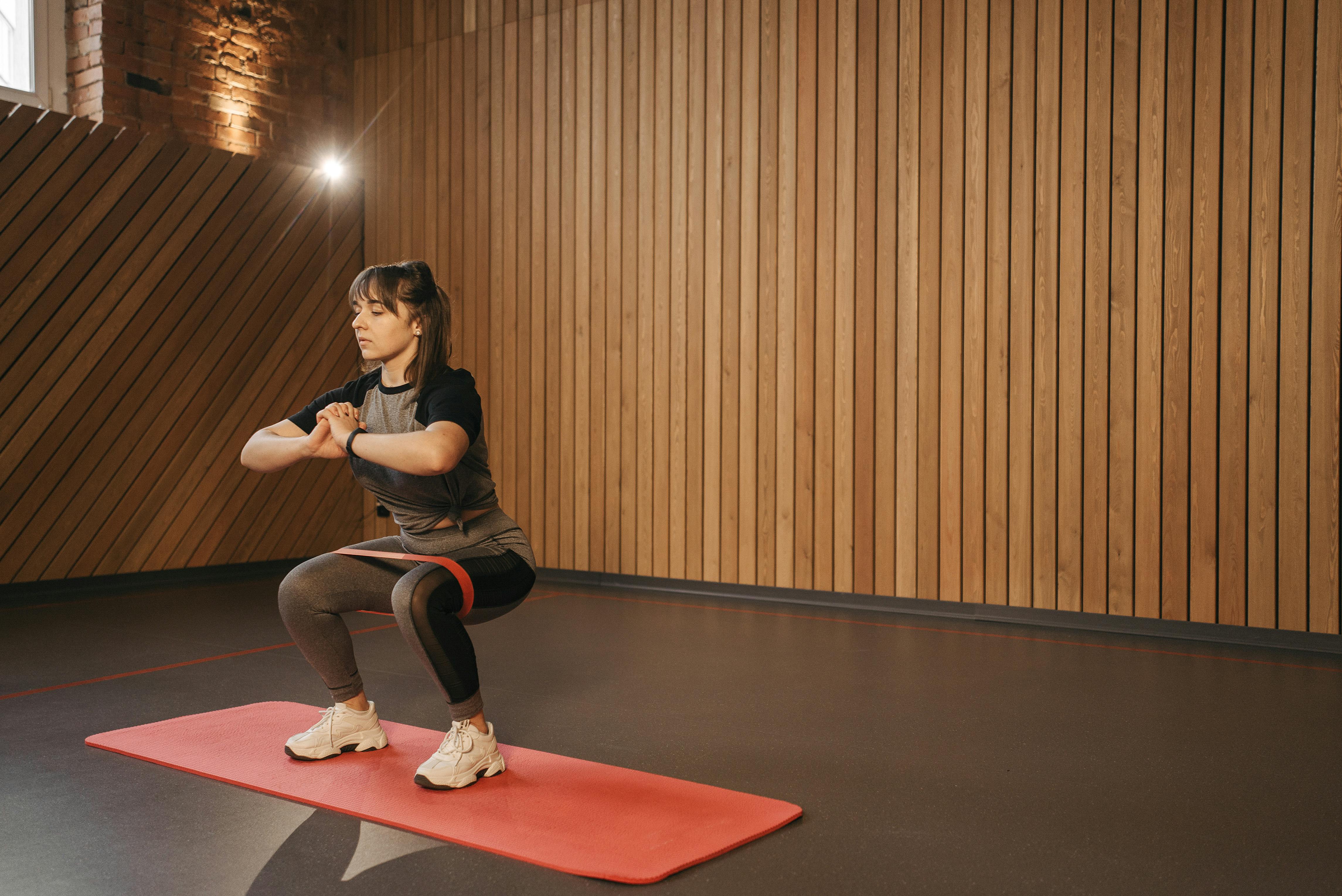
If you’ve never done a structured squat program, or if you’re returning after time off, this is where you start. And I mean that literally—not as motivation, but as biomechanics. Your nervous system needs to relearn the movement pattern before you can safely add volume or intensity. That’s why beginners often see the fastest early gains: you’re not getting stronger in 30 days so much as you’re teaching your body how to use muscles it already has.
The biggest beginner mistake isn’t going too light—it’s going too heavy too fast while compensating with poor form. You’ll see people dip their chest forward, let their knees cave inward, or rise up on their toes. These aren’t character flaws; they’re signals that the load is beyond your current control. The fix is counterintuitive: start with bodyweight squats or goblet squats (holding a light dumbbell at chest height). This forces you to stay upright and teaches your quads, glutes, and core to fire together.
For your first week, aim for 3 sessions of 3 sets of 10–12 controlled reps, with 90 seconds rest between sets. “Controlled” means 2 seconds down, 1-second pause at the bottom, 1 second up. This isn’t slow-motion torture—it’s deliberate practice. You’ll feel the muscle working, not just moving weight. Rest days matter equally; your muscles don’t grow in the gym, they grow when you’re recovering.
A realistic expectation: by day 30, you’ll notice your legs feel stronger during daily life—stairs feel easier, sitting down is less awkward. You might see subtle muscle definition if body fat is already moderate. Dramatic visual changes usually take 8–12 weeks of consistent training plus attention to nutrition. That’s not a failure of the 30-day challenge; it’s how human physiology actually works. What the challenge does is build the habit, prove to yourself you can follow through, and create the foundation for real progress.
The 3-Tier Squat Challenge System

Here’s the reality: doing 50 squats on day one and 300 by day thirty sounds motivating until your knees remind you why progressive overload exists. The 3-Tier system is built on a fundamental training principle called autoregulation—matching intensity to your actual capacity, not to what Instagram says you should be doing.
Tier 1: Foundation (Days 1–10) focuses on movement quality and work capacity. You’re completing 50–100 total reps per day, split into manageable sets (5 sets of 10–20 reps works well). Rest 60–90 seconds between sets. Your goal isn’t to crush yourself; it’s to groove the pattern and build the connective tissue tolerance that prevents injury later. This tier is where most people fail—they see it as “too easy” and jump ahead. Don’t. Your future knees will thank you.
Tier 2: Volume (Days 11–20) is where adaptation accelerates. You’re now hitting 150–200 reps daily, typically in 5–6 sets. Rest drops to 45–60 seconds as your cardiovascular system adapts. This is the sweet spot for muscle growth and strength gains. The science is clear: moderate volume with moderate intensity triggers hypertrophy better than extreme volume with poor form. Track how you feel. If you’re grinding through sets with sloppy knees, dial back reps or take an extra rest day—this isn’t a punishment protocol.
Tier 3: Intensity (Days 21–30) adds load, tempo variation, or pause holds—not just rep count. You might hit 200–250 reps, but now some come from weighted squats, Bulgarian split squats, or 3-second pauses. This final push teaches your nervous system to recruit muscle fibers efficiently. Rest 90 seconds between weighted sets to maintain quality.
The common mistake? Treating all 30 days the same. Your body doesn’t adapt to arbitrary rep numbers—it adapts to progressive stimulus. Tier 1 builds the foundation. Tier 2 drives growth. Tier 3 locks in strength. Skip the progression, and you’ll hit a plateau by day 15 and call it quits.
Squat Variations to Sculpt Every Angle

Here’s what most people miss about the squat: doing the same movement 30 days straight doesn’t sculpt every angle—it just reinforces the same neural pathway. Your glutes, quads, and stabilizers are capable of far more than one pattern. By rotating squat variations throughout Squatober, you’ll hit muscle fibers from different angles, prevent repetitive strain, and actually build a more resilient lower body.
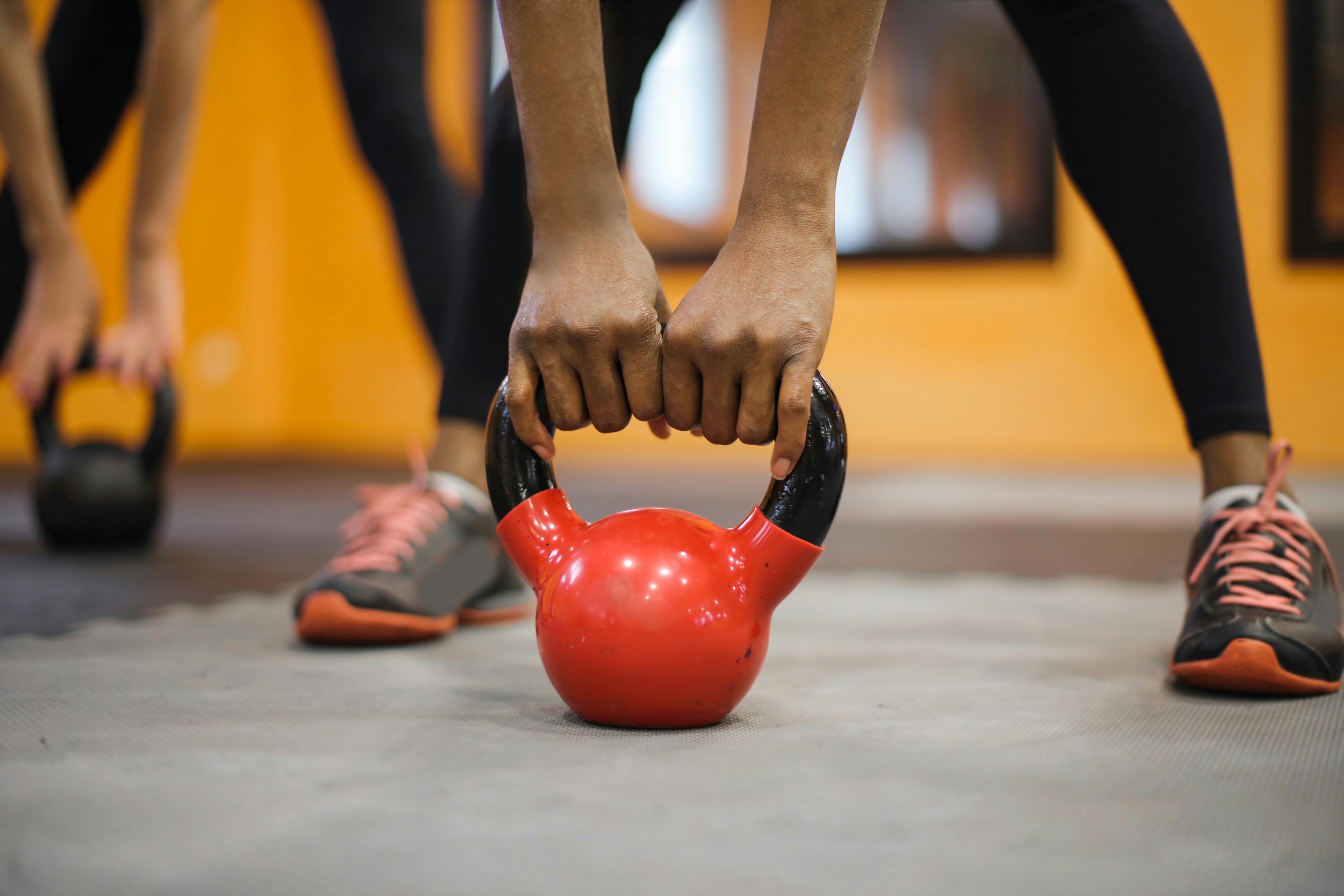
Goblet Squats are your foundational variation. Hold a dumbbell or kettlebell at chest height. This shifts your center of gravity forward, forcing your core to stabilize harder and reducing stress on your knees—ideal for beginners or anyone with past knee issues. The upright torso also emphasizes quad engagement. Perform these for 3 sets of 12–15 reps, focusing on depth and control.
Bulgarian Split Squats (one foot elevated behind you on a bench) are the glute and hamstring specialist. This single-leg variation demands serious stabilizer activation and addresses strength imbalances between legs—something bilateral squats mask. You’ll feel this immediately. Do 3 sets of 8–10 per leg, rest 90 seconds between sets. This is harder than it looks; start lighter than you think.
Sumo Squats (feet wider, toes turned out) target the inner thigh and outer glute differently than traditional squats. The wider stance also reduces demand on ankle mobility, making this accessible if you’re tight. Perform 3 sets of 12–15 reps. This variation is often underestimated—it’s not just “different,” it’s biomechanically distinct.
Pistol Squats or single-leg variations are the advanced finisher. These demand mobility, stability, and serious leg strength. If full pistols aren’t accessible yet, use a resistance band looped overhead for assistance, or hold onto a TRX strap. Even 3–5 perfect reps per side builds exceptional functional strength.
Rotate these throughout your 30 days: two days of one variation, then switch. This prevents adaptation plateau and keeps your nervous system engaged. Your legs will respond faster, and you’ll avoid the mental fatigue that comes from grinding the same movement every single day.
After Day 30: Keep Your Results Without Burnout

You’ve crushed 30 days of squats. Your legs are stronger, you’ve built real muscle, and you probably feel like you could squat a car. Now comes the part most people get wrong: what happens next.
The instinct is to either quit entirely or double down and do Squatember 2.0. Both will sabotage you. Research on training adaptation shows that the gains you’ve built require maintenance, but the stimulus that created those gains becomes less effective over time. This is called the principle of progressive overload—your muscles adapted to the challenge, so repeating the exact same challenge won’t produce the same results. More importantly, repeating the same high-frequency squat protocol for months straight is a fast track to overuse injuries and mental burnout.
Here’s the realistic transition: Move from daily squats to 3-4 squat sessions per week, but make them count. Increase weight or reps instead of frequency. If you were doing 50 bodyweight squats daily, now do 70-80 squats with added weight (dumbbells, a barbell, or a weighted vest) three times weekly. This maintains your strength gains while giving your joints and nervous system recovery time they actually need.
The mental shift matters just as much as the physical one. The 30-day challenge worked because it was time-bound and specific. That urgency is gone now. Replace it with a simple goal: “I want to squat X weight for Y reps by [date three months out].” This keeps you engaged without the daily obligation feeling.
One more critical point: You will lose some endurance capacity. You might not be able to do 100 consecutive bodyweight squats anymore, and that’s fine. You’ve traded high-rep endurance for strength and muscle. That’s the actual win. If you want to maintain some of that endurance, add one higher-rep session (15-20 reps) once weekly, but don’t make it your primary focus.
The goal isn’t to stay in Squatober forever. It’s to have built a habit and strength foundation that you actually want to keep, not something you feel obligated to maintain until you burn out completely.
CONCLUSION
The 30-day Squat Challenge isn’t magic. It’s a structured commitment that works because it removes decision-making, builds consistency, and gives your body a specific stimulus to adapt to. You’ve learned that progression matters more than perfection—whether you’re doing bodyweight squats or loaded variations, the principle is the same: small increases in volume or intensity force your muscles to grow and your nervous system to strengthen. You now understand that form trumps ego, that recovery is part of the work, and that a challenge ending doesn’t mean your fitness journey stops. The real win isn’t the 30 days. It’s the habit you’ve built and the confidence that comes from following through.
Here’s what matters moving forward: Squatober is a launch pad, not a finish line. The people who see lasting results aren’t the ones who crush 30 days and quit—they’re the ones who finish the challenge, recognize what works for their body, and build a sustainable rhythm around it. That might mean maintaining 3 squat sessions per week instead of daily volume. It might mean rotating between the variations you discovered you loved. It might mean taking a deload week and then pushing into a new phase. The point is intentional progression, not relentless grinding.
Your next step is simple: Before October ends, decide what your squat practice looks like on November 1st. Not vaguely—specifically. Write it down. “I’ll squat Monday, Wednesday, and Friday for 3 sets of 8 reps at a weight that feels challenging but sustainable.” Or “I’ll do 2 heavy days and 1 high-rep day.” Make it realistic enough that you’ll actually do it, because that’s where real change lives. You’ve proven you can commit for 30 days. Now prove you can build something that lasts.