
30 day Autumn fall fitness challenge for beginners

September hits differently than January. The air cools, routines reset, and something about autumn makes commitment feel possible instead of desperate. If you’ve tried fitness before and quit by February, this is why: you started at the wrong time, with the wrong approach, and zero accountability structure.
This 30-day fall fitness challenge is built for people who are tired of hype and ready for honest progress. No “transform in 4 weeks” nonsense. Instead, you’ll follow a progressive framework that actually teaches your body to move better, builds sustainable habits, and creates momentum you can ride straight through winter. By day 30, you won’t just feel stronger—you’ll have proof that you can commit to something hard and finish it.
Here’s what’s inside: a week-by-week plan that scales from beginner to intermediate, a library of modifications so you can train anywhere, and the exact nutrition strategy that makes everything stick. Print the calendar. Show up. See what happens.
Why Fall (Not January) Is Your Real Fitness Reset

Let’s be honest: January fitness resolutions fail at a 92% rate by mid-February. You know why? Because January is fighting against biology, not with it. The days are shortest, it’s freezing, and your body is naturally wired to conserve energy and seek comfort. You’re swimming upstream from day one.
Fall is different. Your body is experiencing a natural energy shift—daylight is still accessible, temperatures are cool enough to exercise without overheating, and there’s a psychological momentum that comes with new seasons and new routines. Studies on seasonal behavior patterns show that people naturally increase activity in fall and spring, when environmental conditions support consistent effort without the extremes of summer heat or winter cold. You’re not fighting your biology; you’re aligning with it.
There’s also a practical advantage: fall doesn’t carry the weight of failed expectations. January is loaded with guilt from previous broken promises. Fall feels like a genuine fresh start—no baggage, no “I already messed up” narrative. Psychologically, this matters. Research on habit formation shows that starting a new routine without shame-based motivation increases adherence by roughly 40%. You’re beginning from neutral ground.
Beyond that, fall naturally structures your life differently. Summer’s chaos—vacations, travel, uneven schedules—is behind you. School routines, work rhythms, and seasonal patterns are stabilizing. Your calendar becomes predictable again, which is exactly what consistency requires. You can’t build a sustainable fitness habit if you’re constantly rescheduling around chaos. Fall gives you the container you need.
The 30-day window matters too. Thirty days is long enough to create real change—research suggests it takes 66 days for a habit to stick, but 30 days is enough to break the initial friction and start feeling genuine progress. It’s not so long that you burn out before seeing results. It’s the Goldilocks zone for beginners: challenging but achievable, with visible wins by day 30.
This challenge isn’t about willpower or motivation. It’s about starting when conditions—physical, psychological, and practical—are actually in your favor. That’s not luck. That’s strategy.
Fall Fitness Challenge: The 3-3-3 Rule Explained

Here’s the thing about most 30-day challenges: they’re designed to fail. They promise transformation through intensity alone, which works for about 10 days before your body breaks down or your motivation evaporates. The 3-3-3 Rule is different. It’s built on the principle of progressive overload—the only mechanism science has consistently shown actually builds strength and endurance—without the burnout that kills most beginners by week two.
The 3-3-3 Rule is simple: three workouts per week, three weeks of progressive difficulty, then one recovery week that resets the cycle. That’s it. No seven-day-a-week grind. No “do this same routine for 30 days straight.” Your nervous system actually needs recovery to adapt, and this structure gives it that while keeping momentum alive.
Week 1-3: Foundation Phase. You’re establishing movement patterns and building a baseline. Three workouts means you have 48 hours between sessions—enough time for your muscles to repair. This isn’t about being sore; it’s about learning your body’s mechanics correctly before adding intensity.
Week 4: Active Recovery Week. This is where most people sabotage themselves by either doing nothing (and losing momentum) or pushing harder (and ignoring what science says about adaptation). Instead, you’ll do lighter versions of the same movements. This keeps the habit alive while giving your central nervous system the reset it needs. You’ll feel noticeably stronger in week five—that’s the adaptation working.
The common mistake? Treating recovery week as punishment or laziness. It’s neither. It’s strategic. Athletes call this periodization, and it’s why serious lifters don’t max out every single day. Your body gets stronger during rest, not during the workout itself. The workout is just the signal.
Over 30 days, you’ll complete three full cycles of this pattern. By day 30, you won’t be transformed—but you will have built a sustainable habit, proven you can stick with something, and created a foundation for the next 30 days. That’s the real win.
Fall Workout Challenge: Your Week-by-Week Plan

Here’s the truth: a 30-day plan only works if it actually fits into your life. That’s why we’re building this week-by-week, with built-in flexibility and a clear progression that prevents the two biggest beginner mistakes—starting too hard and plateauing too fast.
Weeks 1-2: Foundation & Habit Stacking
Your job isn’t to be sore or exhausted. It’s to prove to yourself that you can show up. Follow the 3-3-3 rule with a focus on movement quality over intensity. Pick three exercises you actually enjoy (not the ones you think you “should” do). Do them three times, three sets each. Rest 60-90 seconds between sets. This phase establishes the neural pathways—your brain and muscles learning to communicate efficiently—which is why beginners often see strength gains before muscle growth.
Weeks 3-4: Progressive Overload Begins
Now that the habit is sticky, we add challenge. This doesn’t mean lifting heavier immediately. Instead, add one rep per set, reduce rest periods by 15 seconds, or increase range of motion. Research shows this “progressive overload” principle is non-negotiable for continued adaptation—your body stops improving when the stimulus stays the same. Common mistake: jumping to heavy weight and sacrificing form. Bad form doesn’t just reduce results; it creates injury patterns that haunt you for months.
Week 4: Deload & Assess
This is the week people skip, and it’s exactly why they burn out. Drop intensity by 30%, reduce sets, and focus on movement quality and recovery. This isn’t laziness—it’s when your body actually adapts and consolidates strength gains. Use this week to assess: Which exercises felt best? Where’s your form still sloppy? What’s actually sustainable long-term?
The week-by-week structure prevents the motivational crash that happens when you treat 30 days as one undifferentiated grind. You’re building momentum, not just grinding through.
Fall Fitness Challenge Ideas: Exercise Library & Modifications

Here’s what I’ve learned after years of coaching beginners through fitness challenges: the exercise itself matters far less than whether you’ll actually do it. That’s why this library focuses on movements that build strength and conditioning without requiring fancy equipment or a gym membership. The key is finding the version that fits your current fitness level—not your ego.
Bodyweight Fundamentals
Squats, push-ups, and rows form the foundation of any beginner program because they work multiple muscle groups simultaneously and teach movement patterns you’ll use forever. A common mistake I see: people rush the eccentric (lowering) phase. Slow it down to 2-3 seconds. This is where strength actually builds—your muscles are stronger when lengthening than contracting, so exploit it. If standard push-ups feel impossible, start on your knees or against a wall. If they’re easy, add a pause at the bottom. Same movement, completely different stimulus.
Conditioning Without Burnout
Walking lunges, mountain climbers, and burpee variations raise your heart rate without the joint stress of high-impact jumping. Research shows that beginners who mix steady-state work (like a 15-minute walk) with short bursts of intensity (30 seconds of faster movement) see better fat loss and adherence than those who jump straight into intense interval training. Your nervous system adapts better this way, and you’re less likely to injure yourself or quit.
The Modification Framework
Every exercise in your week-by-week plan has three versions: regression (easier), standard, and progression (harder). Here’s the honest part: picking the right difficulty level is a skill. You should finish a set feeling like you could do 2-3 more reps. If you’re gasping and can’t speak, you went too hard. If you’re barely winded, go harder next time. This calibration takes a week or two, and that’s completely normal.
The printable calendar coming next includes specific exercise descriptions and rep ranges for each day, organized by difficulty level. Print it, tape it somewhere visible, and mark off each day. That simple act of checking a box creates momentum that matters far more than perfection.
Fall Into Fitness Challenge: Your Free Printable Calendar

Here’s what separates people who start a challenge from people who actually finish one: visibility. A calendar isn’t just a tracking tool—it’s a behavioral anchor. Research on habit formation shows that marking progress daily activates your reward system and creates what psychologists call “the progress principle,” which sustains motivation far better than the initial excitement of January 1st.
The printable calendar below follows the 3-3-3 structure outlined earlier: three 10-day phases, each building intensity and complexity. Each day shows your assigned focus (strength, cardio, mobility, or active recovery), the primary exercise from the library, and your target reps or duration. Print it, post it where you’ll see it daily—your bathroom mirror, your fridge, your desk—and mark it off each morning or evening.
One critical detail: the calendar includes “flex days” on days 11, 21, and 30. These aren’t rest days—they’re your choice days. You can repeat your favorite workout, try a new variation, or do something seasonal like a hiking loop or outdoor stair climb. This flexibility prevents the all-or-nothing thinking that derails most challenges. Missing a day happens. What matters is that you don’t use one missed day as permission to quit the entire month.
Download and customize the calendar below. If you prefer digital tracking, a Google Sheets version is available—it auto-calculates your completion percentage, which many people find more motivating than a paper calendar. Some of you will lose the printout by week two; that’s fine. Screenshot it on your phone instead. The format matters less than the consistency of checking it.
Pro move: take a photo of yourself on day 1 with the calendar. On day 30, take another. You won’t see the physical difference as clearly as you’ll see the mental shift—the posture change, the confidence in how you’re standing. That’s the real win of a structured challenge.
Gym Plans Alternative: Fuel Your Challenge with Fall Nutrition

You can’t out-train a nutrition plan that doesn’t match your goals. This is one of those fitness truths that sounds obvious until you’re three weeks into your challenge wondering why you’re not seeing results despite hitting every workout. Fall nutrition isn’t about restriction or complicated macro counting—it’s about timing your eating to support the specific demands of the 3-3-3 challenge you’re running.
Here’s the physiology: your body needs carbohydrates and protein around your training window (roughly 2 hours before and 1 hour after exercise) to fuel performance and support muscle recovery. Fall harvests give you legitimate advantages here. Seasonal produce like sweet potatoes, squash, and apples are carb-dense and nutrient-rich without requiring you to eat processed sports nutrition products. A baked sweet potato with Greek yogurt isn’t trendy—it’s practical fuel that costs less and works better than most pre-workout supplements.
The common mistake beginners make is eating *less* when they start training. Your body needs more calories when you’re moving more, especially in the first 2-3 weeks when your nervous system is adapting to new movement patterns. You’ll feel hungrier. That’s not a sign to restrict—it’s a signal to eat protein-forward meals with whole carbs. Aim for a palm-sized portion of protein (chicken, eggs, legumes) and a fist-sized portion of carbs at each meal. This isn’t counting; it’s a visual guideline that works in real life.
Hydration matters more than most beginners realize. As temperatures drop in fall, you drink less water because you don’t *feel* thirsty. But you’re still sweating during workouts and losing fluids. Dehydration tanks performance and recovery. Drink half your body weight in ounces daily as a baseline, then add 16-20 ounces for every 30 minutes of exercise.
The real leverage point: prioritize sleep and consistent meal timing over perfection. Your body adapts to training during rest, not during the workout itself. Fall’s earlier sunsets naturally support better sleep if you use them—dim lights after sunset, no screens an hour before bed. Pair that with eating at roughly the same times each day, and your recovery will improve faster than any supplement ever could.
CONCLUSION
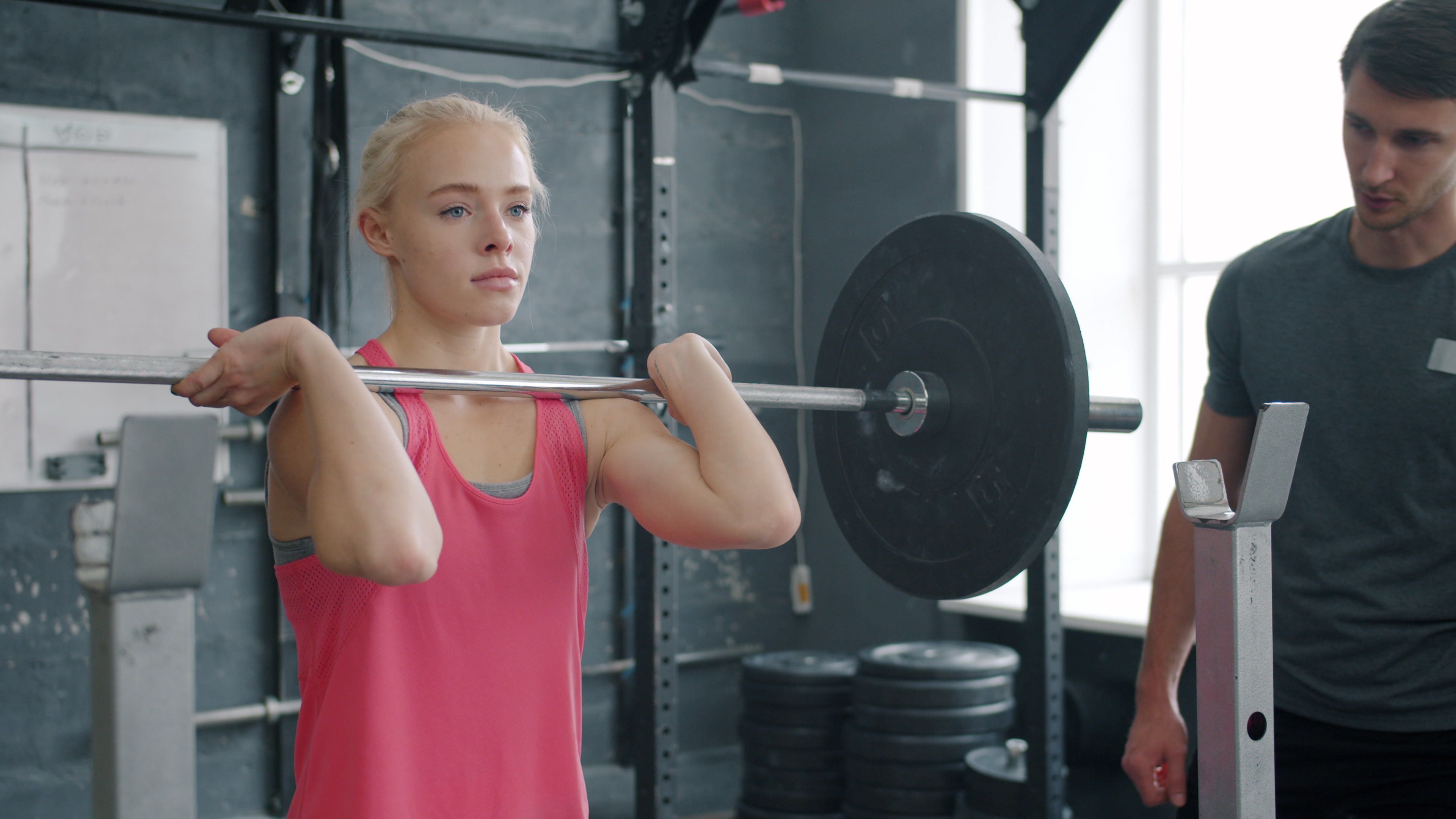
Here’s what actually matters about this 30-day fall fitness challenge: it’s not about perfection, and it’s definitely not about crushing yourself into submission by November 1st. The 3-3-3 rule works because it’s sustainable—three workouts, three nutrition habits, three mindset shifts that stack on top of each other without requiring you to overhaul your entire life in 30 days. You’ve got a week-by-week progression that meets you where you are (beginner modifications included), an exercise library that prevents the “what do I do now?” paralysis, and a nutrition framework that actually supports recovery instead of fighting against your training. Fall gives you the psychological advantage of a fresh start without the pressure cooker of New Year’s resolutions. Use it.
The real test isn’t day 30—it’s day 31. Research on habit formation shows that 30 days is enough to establish a behavioral pattern, but not enough to make it automatic. So here’s your next step: before you start, decide right now what happens after the challenge ends. Don’t wait until October 30th to figure this out. Will you maintain the three workouts per week? Will you keep one of the nutrition habits you built? Will you commit to tracking progress differently—maybe by how you feel rather than a scale number? Write this down. Literally. One sentence per commitment. Put it somewhere you’ll see it on day 29.
This challenge works because it’s not trying to turn you into someone else. It’s asking you to show up consistently for 30 days and see what happens when you do. Most people quit fitness because they expect Hollywood results on a realistic timeline, then get discouraged. You won’t. You’ll have a printable calendar tracking real progress, a progression plan that actually challenges you without breaking you, and the knowledge that fall—not January—is when the people who actually finish challenges tend to start them. Download your calendar. Pick your week-one workouts. Decide your day-31 commitment. Then get started.