Strength Training for Women Over 50
At 52, Sarah couldn’t open a jar without asking for help. Her doctor warned her that her bone density was declining. She felt invisible in fitness spaces designed for 25-year-olds, so she did nothing.
Then everything changed—not because she found a magic program, but because she started with three simple bodyweight exercises in her living room.
If you’re over 50 and thinking strength training is “not for you,” this is the moment that belief ends. The science is unambiguous: resistance training is the single most powerful tool to prevent the muscle loss, bone density decline, and metabolic slowdown that come with aging. And you don’t need a gym, expensive equipment, or permission from anyone.
In this guide, you’ll get a complete roadmap—from your first safety conversation with your doctor, through four weeks of progressively challenging home workouts, to the exact moment you’ll notice you’re stronger than you were last month. You’ll learn why women over 50 respond differently to training, what mistakes waste your time, and how to build a practice that fits your life, not the other way around.
You’re probably here because something shifted. Maybe you noticed your body doesn’t bounce back like it used to. Or you caught your reflection and realized you’ve lost muscle without trying to. Perhaps your doctor mentioned bone density, or you’re tired of feeling weaker than you know you should be. Whatever brought you here—you’re asking the right question.
The fitness industry has spent decades telling women over 50 that their best years are behind them. You should focus on “staying active,” do some light cardio, maybe yoga. Keep things gentle. The message is clear: expect decline, manage it gracefully. That’s not just wrong—it’s dangerous advice that accelerates the exact problems you’re trying to prevent.
Here’s what the research actually shows: strength training is the single most powerful tool you have to reclaim and rebuild your body after 50. Not someday. Now. Women in their 60s, 70s, and beyond have built measurable muscle, regained independence, fixed chronic pain, and completely transformed their relationship with aging—all through consistent strength work. This isn’t theoretical. It’s physiological.
The barrier isn’t your age or your body. It’s usually one of three things: you don’t know where to start, you’re worried about doing it wrong, or you think you need expensive equipment and a gym membership. This guide dismantles all three.
What follows is a real, progressive path. We’ll start with medical clearance and honest safety conversations. Then we’ll move through the essential exercises you can do at home with minimal equipment. You’ll get a concrete 4-week plan, and we’ll show you exactly how to progress when you’re ready. Finally, we’ll tackle the obstacles that actually derail people—not motivation, but consistency, form questions, and knowing when you’re doing enough.
You don’t need to be an athlete. You just need to start, and you need to know you’re doing it right. Let’s begin.
Strength Training For Women Over 50: Why It’s Your Most Powerful Health Tool
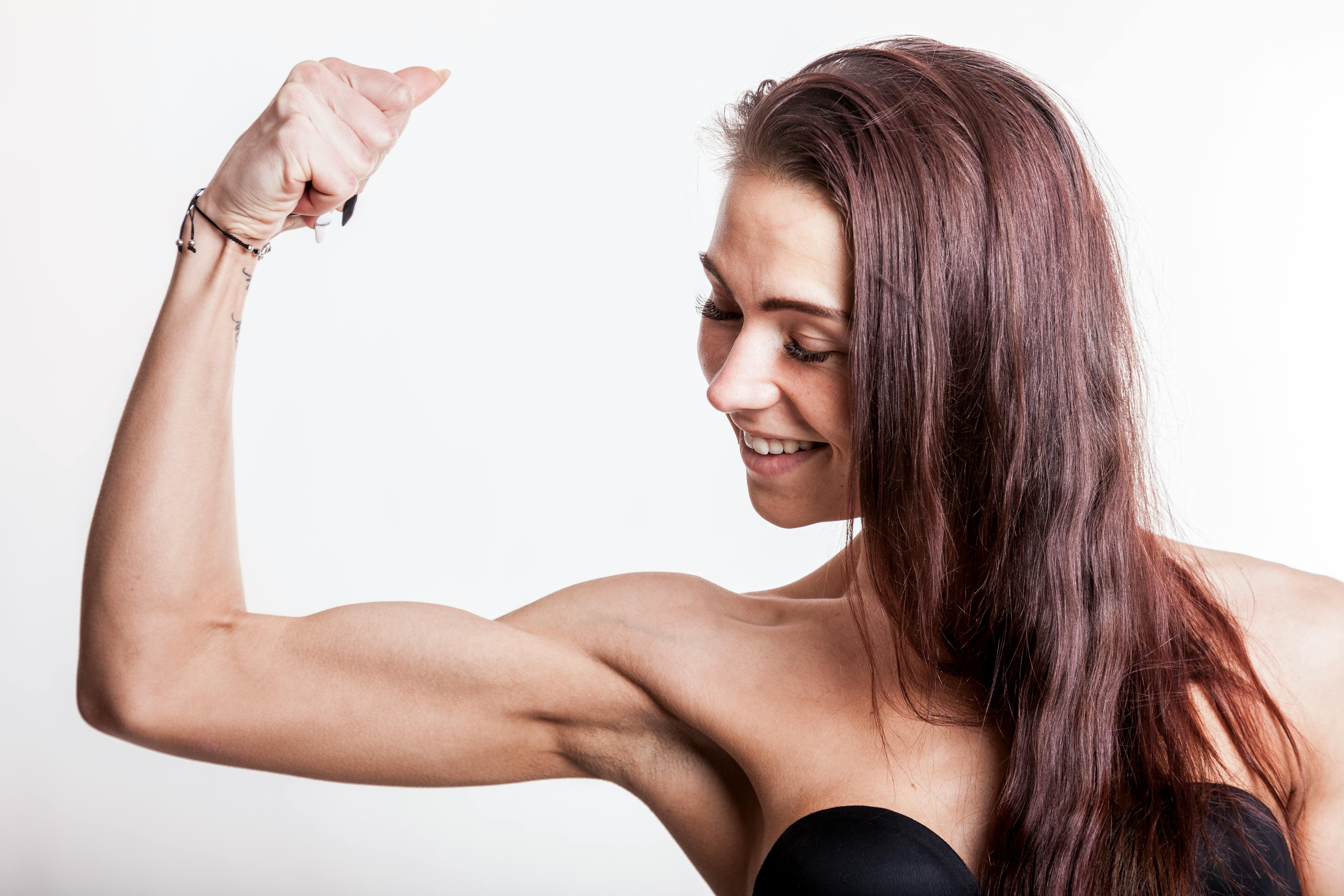
Here’s what most women over 50 don’t realize: strength training isn’t a vanity project or something you do “if you have time.” It’s preventive medicine. After 30, we lose 3–8% of muscle mass per decade, accelerating after 60. That’s not just about fitting into your clothes—it’s about staying independent, keeping your bones dense, and maintaining the metabolic engine that keeps you healthy.
The science is unambiguous. Resistance training is one of the few interventions proven to slow bone loss, improve balance (cutting fall risk by up to 50%), regulate blood sugar, and support heart health. A 2022 study in the British Journal of Sports Medicine found that people who did strength training had a 15% lower risk of all-cause mortality compared to those who didn’t. That’s not hype—that’s your longevity on the line.
But there’s a mental shift required here. Strength training for women over 50 isn’t about getting “toned” or looking a certain way. It’s about reclaiming capability. It’s about carrying groceries without strain, playing with grandkids without back pain, and knowing you can catch yourself if you trip. That’s real power.
The good news? You don’t need expensive equipment, a gym membership, or an hour a day. Your bodyweight is a legitimate resistance tool, and 20–30 minutes, 2–3 times per week, is enough to create measurable change. Most women see improved strength and confidence within 4 weeks, though visible changes take 8–12 weeks of consistency. Yes, it requires effort. But the payoff—stronger bones, better balance, more energy, less joint pain—is worth every rep.
Beginner Strength Training For Women Over 50: Medical Clearance and Safety First

Before you do a single pushup or squat, you need clearance from your doctor. This isn’t caution for caution’s sake—it’s the difference between smart progression and setback. If you have a history of joint issues, high blood pressure, heart concerns, osteoporosis, or are on medications that affect balance or perception, a conversation with your healthcare provider takes 10 minutes and prevents months of frustration. They may give you the green light immediately, or they may flag specific movements to avoid. Either way, you’re building on a foundation of truth about your body, not assumptions.
Once cleared, the safety principle that matters most is this: tension before load. Your nervous system needs to relearn how to recruit muscle fibers and stabilize joints, especially if you’ve been sedentary. This is why we start with bodyweight and slow, controlled movement—not because you’re fragile, but because your body is literally rebuilding the motor patterns it may have lost. A common mistake is moving too fast too soon, thinking speed equals intensity. It doesn’t. A slow, controlled pushup from your knees teaches your shoulders and core far more than bouncing through ten fast ones.
Pay attention to these red flags during exercise: sharp joint pain (not muscle fatigue—that’s different), dizziness, shortness of breath that doesn’t resolve quickly, or chest discomfort. Muscle fatigue feels like a burn or heaviness. Joint pain feels like pinching or stabbing. Stop if you experience the latter. Mild soreness 24–48 hours after training is normal and expected; pain during or immediately after is a signal to modify.
Finally, invest in proper footwear and a clear workout space. Falls are the leading injury risk for women over 50, and they’re entirely preventable. Wear shoes with good arch support and a non-slip sole. Move furniture, roll up rugs, and ensure adequate lighting. These small details compound into safe, sustainable training.
Strength Training At Home: The Essential Beginner Exercises
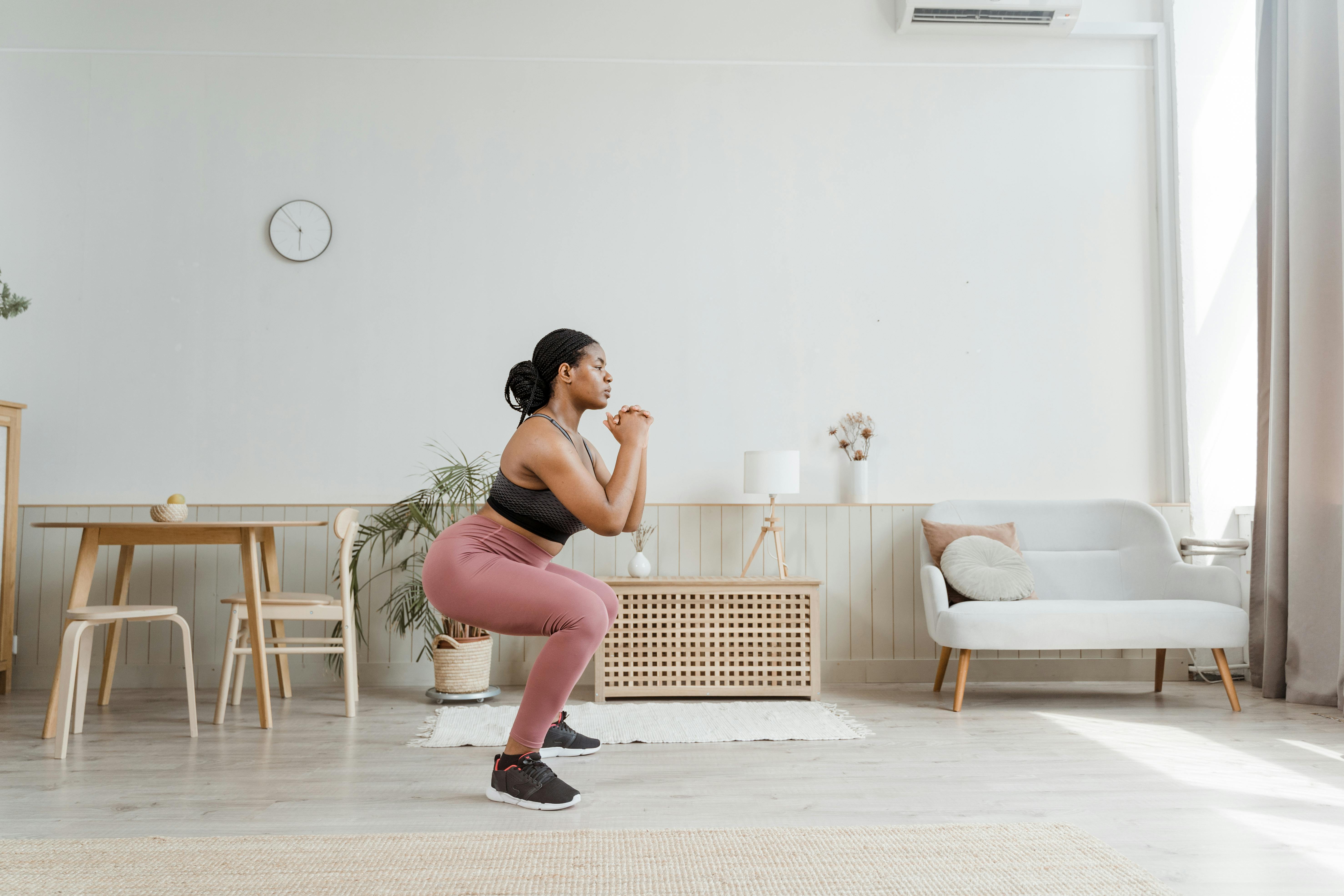
You don’t need dumbbells, machines, or fancy equipment to build meaningful strength. Your own bodyweight is a legitimate training tool—one that’s adjustable, always available, and perfect for learning proper movement patterns before adding load. Research on women over 50 shows that bodyweight training produces measurable gains in muscle and bone density when done consistently, which is what matters.
Here are the four foundational movements that will form your base. Each targets major muscle groups and daily function—getting up from a chair, climbing stairs, carrying groceries.
Assisted Squats work your quads, glutes, and hamstrings. Stand in front of a sturdy chair, feet hip-width apart. Lower yourself as if sitting back into the chair, letting your hands lightly touch the seat for balance. Go as deep as comfortable—full depth isn’t required—then stand. This builds the power you need for stairs and daily life.
Wall Push-Ups strengthen your chest, shoulders, and triceps without the intimidation of floor push-ups. Stand arm’s length from a wall, hands at shoulder height and shoulder-width apart. Lean in, bend your elbows, and push back to start. The angle adjusts difficulty: the closer you stand to the wall, the easier it is. As you get stronger, step further away.
Glute Bridges activate your posterior chain—glutes, hamstrings, lower back—which weakens with age if ignored. Lie on your back, knees bent, feet flat on the floor. Push through your heels to lift your hips toward the ceiling. Squeeze at the top. This single movement combats the “sitting posture” that plagues most of us and directly improves balance and walking stability.
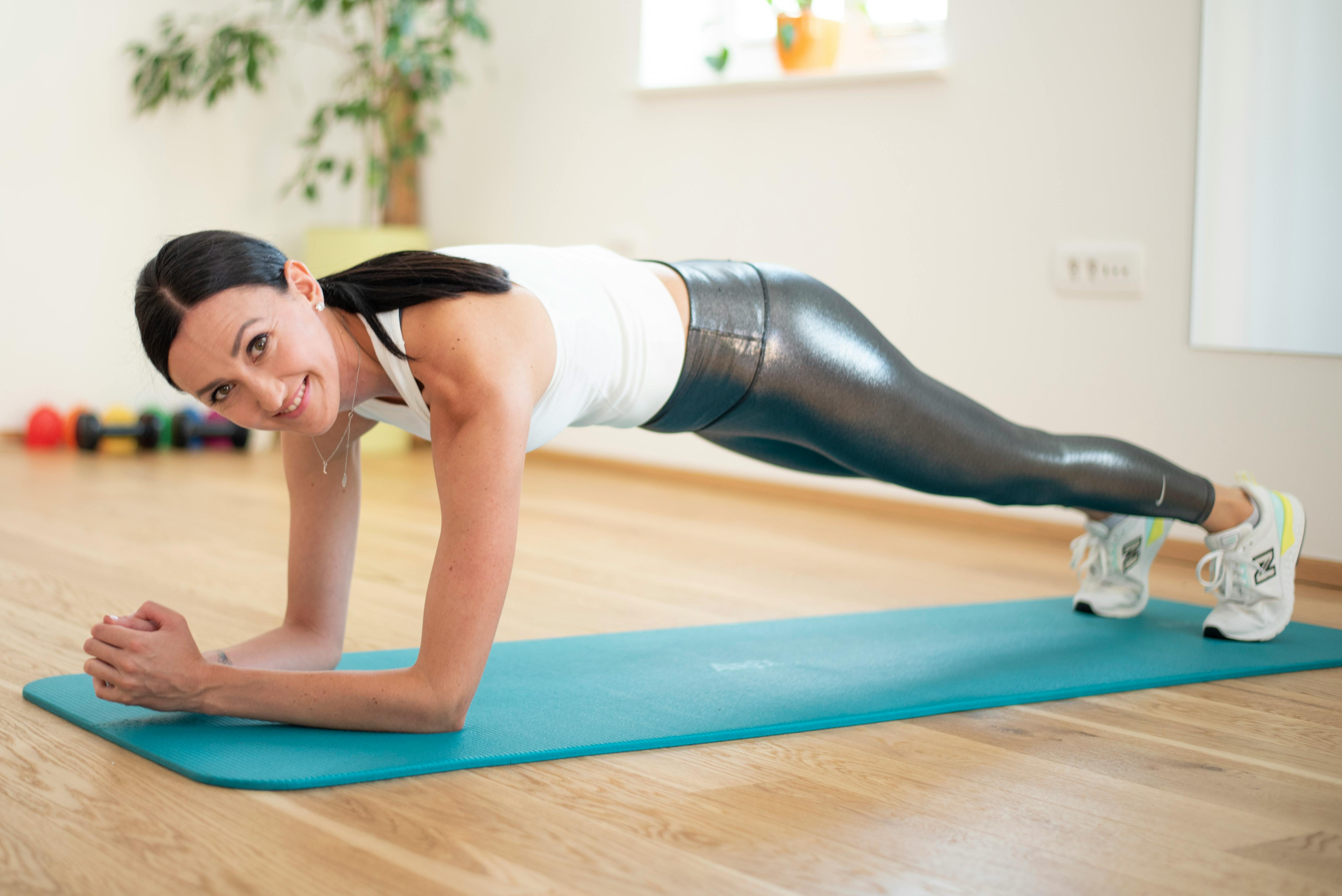
Plank Hold (modified on knees) builds core endurance without spinal stress. Start on your forearms and knees, body in a straight line from head to knees. Hold steady breathing—don’t hold your breath. Start with 15-20 seconds and build from there. A strong core supports everything else you do.
These four movements hit every major muscle group. Master the form first. Add intensity later.
Strength Training Workouts For Women Over 50: Your 4-Week Starter Plan
Now that you know which exercises to do, the question becomes: how do you actually string them together into a sustainable routine? This is where most women over 50 stumble—not because the exercises are hard, but because the structure feels overwhelming or unclear. A simple 4-week plan removes that guesswork and builds momentum when you need it most.
Here’s the framework: train three days per week on non-consecutive days (Monday, Wednesday, Friday works well). This frequency is backed by research showing that women over 50 need adequate recovery between sessions to avoid overuse injury and allow muscle protein synthesis to happen. Each session lasts 25–35 minutes. That’s the entire workout—not a warm-up target. If you’re spending 90 minutes in the gym, you’re not training efficiently.
Week 1–2: Movement Mastery
Focus on learning proper form with zero ego. Perform 2 sets of 10–12 reps for each exercise. Rest 60–90 seconds between sets. Your only goal is to move well and build the neural pathways your nervous system needs to recruit muscle safely. This is not the time to push hard; it’s the time to build confidence.
Week 3–4: Building Consistency
Add one additional set (now 3 sets per exercise). Keep reps at 10–12. Rest periods stay the same. By week 4, you’re starting to feel stronger—not dramatically, but noticeably. That’s exactly what should happen. Expect to notice improved posture, easier stair climbing, and a sense of capability you may have lost over the years.
The common mistake here is comparing yourself to week-one energy. You’ll feel more tired in week 3 than week 1, and that’s normal—your body is adapting. It’s not a sign you’re doing it wrong; it’s a sign you’re doing it right. After four weeks, you’re ready to progress. You’ve built the habit, proven you can show up, and created the foundation for real change.
Weight Training Workouts For Women Over 50: Progressing Beyond Bodyweight

After four weeks of bodyweight training, your nervous system has adapted to movement patterns and your connective tissues have strengthened. Now comes the part that actually builds muscle: progressive overload. This is the non-negotiable principle behind strength gains—you must gradually increase the demand on your muscles. Without it, your body plateaus. The good news: you don’t need expensive equipment or a gym membership.
Start with resistance bands and dumbbells. Bands are underrated for women over 50 because they provide variable resistance—the hardest part of the lift is where you need it most—and they’re gentler on joints than heavy iron. A set of loop bands (light, medium, heavy) costs $20 and lasts years. For dumbbells, begin with 5-8 pounds. Yes, that sounds light. The goal isn’t ego—it’s perfect form under tension. A 8-pound dumbbell pressed slowly for 12 controlled reps triggers more muscle growth than 15 pounds bounced through sloppy reps.
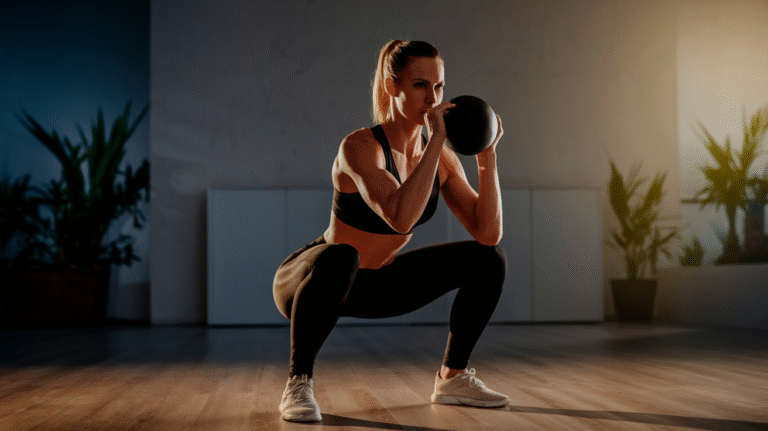
Here’s the progression strategy: Week 5-6, add bands to your bodyweight exercises (banded squats, banded rows). Week 7-8, introduce light dumbbells for upper body (chest press, rows, shoulder press). By week 9-10, add weight to lower body movements (goblet squats, deadlifts). Increase weight only when you can complete all sets with 1-2 reps left in reserve—that “could do more but won’t” feeling.
The common mistake: jumping to heavy weight too fast, then compensating with poor form. Your shoulders round during a dumbbell press, or your knees cave inward during a squat. This doesn’t build strength—it builds injury risk. Film yourself or train in front of a mirror for the first month. Form quality beats load every single time.
Expect noticeable strength gains within 2-3 weeks of adding weight. Muscle definition takes 6-8 weeks of consistent work. This is normal. Your body is rewiring itself at a cellular level—that takes time, but it’s happening.
Strength Training Over 50: Troubleshooting and Staying Consistent

You’ll hit a wall. Maybe it’s week three when soreness finally fades and motivation does too. Maybe it’s when you miss a session and suddenly three weeks have passed. This isn’t failure—it’s the predictable friction point where habit hasn’t yet replaced willpower. The women who succeed past this point aren’t more disciplined; they’ve simply built systems that survive real life.
The most common derailment I see is the all-or-nothing mindset: you miss one workout and decide the week is ruined, so you skip three more. Research on habit formation shows that consistency matters far more than perfection. Missing one session costs you nothing. Missing the next one because you’re frustrated costs you momentum. The fix is brutally simple: if you miss a day, the next scheduled day you show up anyway, even if it’s just 15 minutes. This protects the identity you’re building—”I’m someone who strength trains”—more than any perfect streak ever could.
Plateaus are real, and they’re also normal. After 4–6 weeks, your neuromuscular system adapts and progress stalls. This isn’t your fault. Your body has simply become efficient at what you’re asking it to do. The solution is progression—adding reps, increasing resistance with bands or light weights, or changing tempo (slower eccentric phase = more time under tension). Even tiny changes signal your muscles that adaptation is still required. Track your workouts in a simple notebook or phone notes. You don’t need an app; you need proof that you did 12 reps last week and can do 13 this week.
The real barrier isn’t physical. It’s the belief that you’ve “missed your window” or that strength training is for younger women. You haven’t. It isn’t. Women over 50 who resistance train show measurable strength gains within 2–3 weeks and significant muscle growth within 8 weeks. That timeline doesn’t change because of your age—it changes because you showed up.
CONCLUSION: Your First Step Starts Today

Here’s what you now know: strength training isn’t optional after 50—it’s the single most effective tool for preserving independence, bone density, metabolism, and the ability to do the things you actually care about. You don’t need a gym, expensive equipment, or a complicated program. You need consistency, progressive challenge, and the willingness to start where you are, not where you think you should be.
The four-week plan you have isn’t meant to be perfect. You’ll miss days. Your form won’t be flawless. You might feel sore in ways that make you question your life choices. That’s normal. That’s actually the signal that your muscles are adapting and getting stronger. The women who see real results aren’t the ones who wait for ideal conditions or perfect knowledge—they’re the ones who start imperfectly and adjust as they go.
Everything in this guide—from the medical clearance conversation to progression strategies to troubleshooting plateaus—exists to support one reality: this works. Study after study confirms that women over 50 who strength train gain muscle, increase bone density, improve balance, and report feeling more capable in their daily lives. Not eventually. Not someday. Within weeks, you’ll notice you’re less winded climbing stairs. Within months, you’ll feel the difference in how you carry groceries or get up from a chair.
Your first step is this: Pick one day this week—not next week, this week—and do the beginner bodyweight circuit from Section 4. Just one round. Ten minutes. That’s it. No app, no special gear, no waiting. You already have everything you need: your body, your living space, and now, a plan that actually works for women like you.
You’ve spent enough time thinking about getting stronger. Start today.