
How to start strength training for seniors
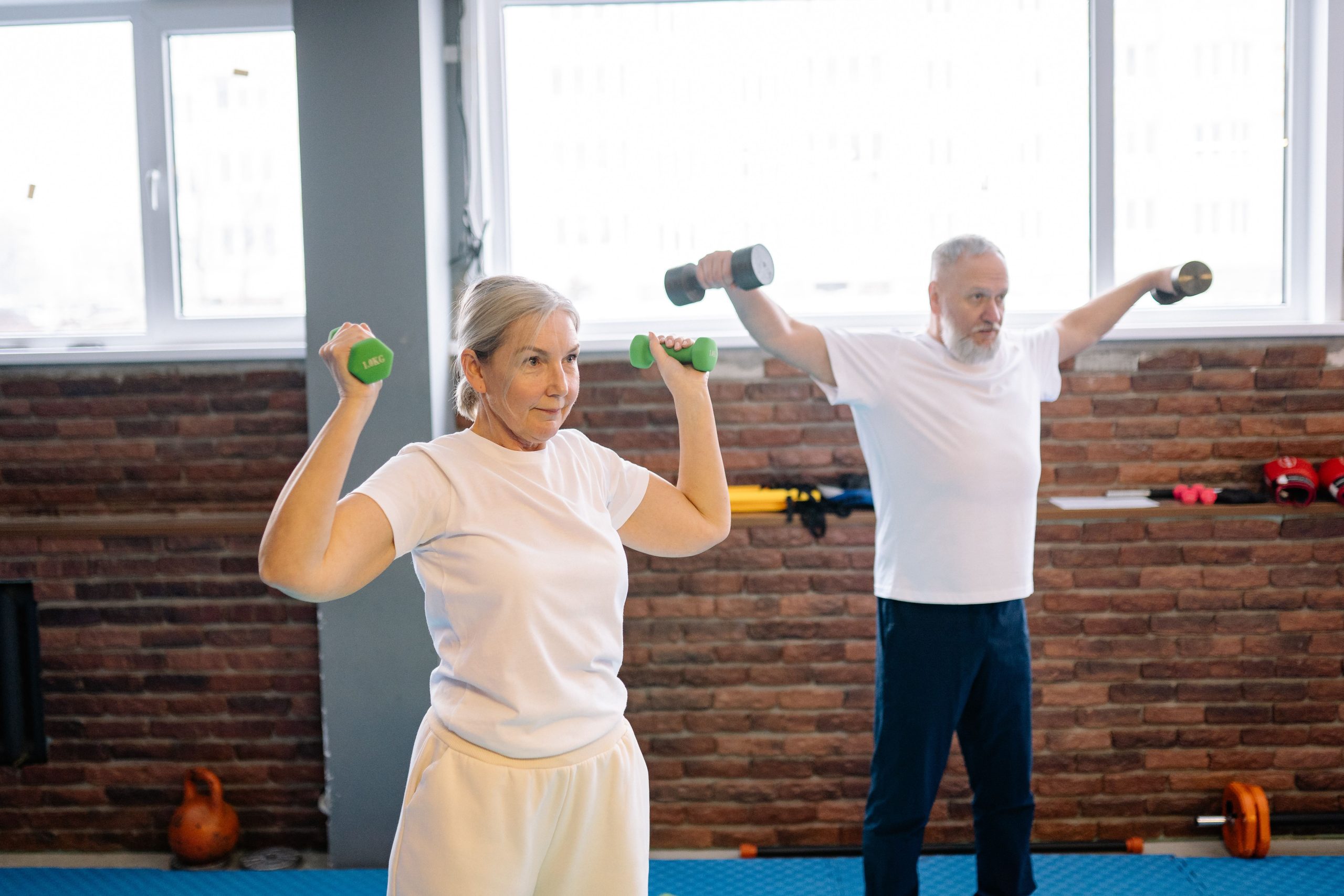
At 62, your body isn’t broken—it’s just operating under different rules than it did at 32. Muscle loss accelerates after 60, bone density declines, and the gap between independence and frailty narrows faster than most people realize. But here’s what the research actually shows: strength training reverses this trajectory. Not slows it down. Reverses it.
This isn’t about looking like a bodybuilder. It’s about climbing stairs without gripping the railing, carrying groceries without pain, and staying in your own home instead of moving into assisted living. The good news? You don’t need a gym membership, expensive equipment, or years of experience. You need a clear starting point and a realistic plan that meets you where you are right now.
This guide walks you through exactly how to begin—including which exercises actually work, how much weight to use, how to know if you need doctor’s clearance, and a progressive 4-week plan you can start this week. No hype. Just the framework that works.
In This Article
- Why Strength Training Matters More After 60 Than Ever Before
- What the 2026 Science Says: Guidelines Translated Into Plain English
- Do You Need Medical Clearance? (The Honest Answer)
- The Best Exercises to Start With: Chair Exercises and Beyond
- How Much Weight? How Many Reps? Building Your Effective Routine
- Putting It Together: Your First 4-Week Progressive Plan
- Programs, Resources, and Next Steps for Continued Progress
- Your Next Steps
Why Strength Training Matters More After 60 Than Ever Before

You probably think of strength training as something for younger people chasing muscle size or athletic performance. But here’s what changes after 60: your body starts losing muscle at an accelerating rate—about 3-8% per decade after age 30, and faster still after 60. This isn’t vanity. This is the difference between living independently and needing help with basic tasks like climbing stairs, standing from a chair, or carrying groceries.
The physiological reality is straightforward. Muscle is metabolically active tissue that keeps your bones dense, stabilizes your joints, and maintains the strength needed for balance—which directly prevents falls. Falls are the leading cause of both fatal and nonfatal trauma in adults over 65.
One fall can cascade into hospitalization, loss of independence, and a sharp decline in quality of life. Research consistently shows that people who maintain or build strength have dramatically lower fall risk and better outcomes if they do fall.
Beyond falls, strength training improves what researchers call “functional capacity”—the real-world ability to do what matters to you. That might be playing with grandchildren, traveling without fatigue, managing arthritis pain, or simply not feeling weak. Studies also show strength training improves blood sugar control, bone density, cardiovascular health markers, and even cognitive function. It’s not one benefit. It’s systemic.
The honest part: you won’t see dramatic changes in two weeks. Real strength gains take 4-6 weeks to become noticeable, and meaningful functional improvements typically take 8-12 weeks of consistent work. But here’s why that timeline matters less than you think—you’re not training for an event. You’re training to protect your independence for the next 20+ years. That reframe changes everything. This isn’t about looking a certain way. It’s about staying capable.
What the 2026 Science Says: Guidelines Translated Into Plain English

The latest evidence from gerontology and exercise physiology is refreshingly consistent: older adults need strength training twice per week, targeting all major muscle groups. That’s it. No complicated periodization schemes or six-day splits. The American College of Sports Medicine and the CDC both agree on this baseline, and the research backing it is robust.
Here’s what “targeting all major muscle groups” actually means in practice: your legs (quads, hamstrings, glutes), your back and chest, your shoulders, and your core. You don’t need separate days for each.
One full-body session, twice weekly, with 48 hours between workouts, is the gold standard for building and maintaining muscle mass as you age. This matters because after 60, you lose roughly 3–8% of muscle mass per decade if you’re sedentary. Strength training doesn’t just slow that loss—it reverses it.
The common mistake I see is older adults confusing “strength training” with “lifting heavy weights.” The research shows that what matters is progressive resistance—meaning you’re working your muscles against meaningful opposition, whether that’s a 5-pound dumbbell, a resistance band, or your own bodyweight. The load matters less than the effort. You should finish each set feeling like you could do 1–3 more reps. That’s the zone where adaptation happens.
Realistic timeline: expect to notice improvements in daily function—climbing stairs, standing from a chair, carrying groceries—within 3–4 weeks. Measurable strength gains take 6–8 weeks. Visible muscle changes typically appear around 12 weeks. These aren’t promises; they’re what the data shows when people train consistently and progressively.
One more thing: the guidelines emphasize balance and flexibility work alongside strength, but strength training is the foundation. Without it, the other components don’t have enough muscle to work with. Start there.
Do You Need Medical Clearance? (The Honest Answer)

Yes. And here’s why that matters more than you might think.
If you have any existing health conditions—cardiovascular disease, diabetes, joint problems, balance issues, or anything you’re taking medication for—you need to talk to your doctor before starting strength training. This isn’t overcautious gatekeeping. Exercise changes how your body responds physiologically. Blood pressure shifts, heart rate increases, and muscle engagement affects medication effectiveness. Your doctor knows your specific health profile in ways a generic program never can.
Even if you feel fine, the clearance conversation is worth having. A simple check-in (“I want to start strength training”) gives your doctor context. They might catch something you’ve normalized, flag a medication interaction, or give you specific movement restrictions that will actually make your training safer and more effective.
Here’s the realistic part: getting clearance doesn’t mean you need a full physical or months of waiting. Many doctors will clear you in one conversation, especially if you’re planning to start conservatively—which you should be anyway. If your doctor expresses caution, that’s information you need. It’s not a “no,” it’s a “yes, with these adjustments.”
The common mistake is interpreting medical caution as a permanent barrier. It’s not. It’s a roadmap. A doctor might say “no heavy lifting with your shoulder,” and that changes your programming, not your commitment. Or they might recommend starting with physical therapy exercises before moving to resistance training. That’s not a setback—that’s building on the right foundation.
Bottom line: take 10 minutes to call your doctor. It’s the most important step you’ll take before picking up a weight, because it means everything you do after that is actually safe for your body, not just theoretically sound.
The Best Exercises to Start With: Chair Exercises and Beyond
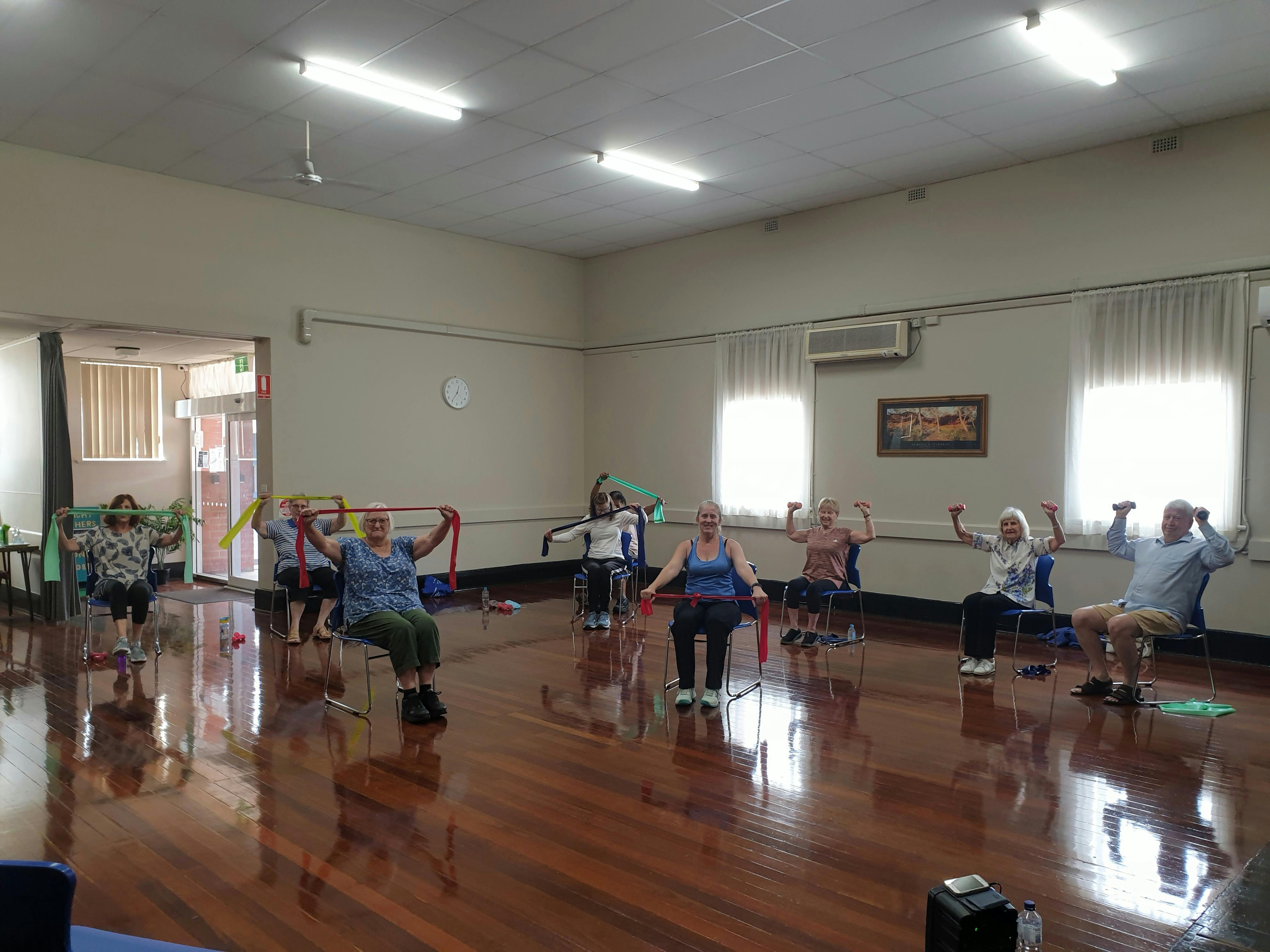
The biggest mistake I see seniors make is jumping straight to dumbbells or machines because they feel “too easy” starting with bodyweight. Here’s the reality: your nervous system needs to relearn how to coordinate movement patterns safely. A chair squat isn’t beneath you—it’s intelligent programming. Research on neuromuscular adaptation shows that the first 2–3 weeks of any new movement pattern primarily build neural efficiency, not muscle. You’re teaching your body how to move correctly before adding load.
Start here: Chair squats (sit down, stand up—that’s one rep), supported wall push-ups (hands on wall, step back to increase difficulty), and seated rows using a resistance band. These movements address the three patterns that matter most: lower body strength (preventing falls), upper body push (functional for daily life), and pulling strength (posture and shoulder health). Perform 2–3 sets of 8–12 repetitions, 2–3 times per week with at least one rest day between sessions.
The common form error I correct constantly: seniors rush the lowering phase of a squat to “get it over with.” Slow down. Take 2–3 seconds to lower, pause for one second at the bottom, then stand. This eccentric phase—the lowering—is where most muscle adaptation happens. It’s also where you build control, which directly translates to fewer falls and better confidence.
After 2–3 weeks, you can progress to light dumbbells, resistance bands with more tension, or increased repetitions. The progression isn’t about ego—it’s about giving your body a reason to adapt. Expect to feel stronger in everyday tasks (carrying groceries, standing from a chair, climbing stairs) within 4–6 weeks. That’s not hype; that’s what the data consistently shows. The key is consistency over intensity at this stage.
How Much Weight? How Many Reps? Building Your Effective Routine
Here’s where most seniors get stuck: they either go too light and see no results, or jump to weights that wreck their form and confidence. The science is clear—strength gains happen when your muscles work hard enough to adapt, but not so hard that you get injured. That balance is learnable.
Start with the “two-out-of-ten effort” rule. On a difficulty scale of 1 to 10, you should finish each set feeling like you could do 2 more reps comfortably. This isn’t weakness—it’s precision. Research on older adults shows that controlled, moderate-intensity work builds strength just as effectively as heavy lifting, with far fewer injuries. Your nervous system needs time to learn the movement pattern before load matters.
The framework: Aim for 2 to 3 sets of 8 to 12 repetitions per exercise, 2 to 3 days per week with at least one rest day between sessions. This range is the sweet spot for building muscle and bone density without overtaxing recovery. Rest 60 to 90 seconds between sets—long enough to catch your breath and maintain form on the next set.
The most common mistake? Rushing through reps to “get it done.” A slow, controlled rep—about 2 seconds up, 1 second pause, 2 seconds down—creates more muscle tension and teaches your body stability. Speed is for sprinters, not strength building.
For weight selection: if you’re using dumbbells or machines, start light enough that the last 1 to 2 reps feel challenging but doable. If you’re doing bodyweight exercises like wall push-ups or chair squats, focus on perfect form first. You’ll know it’s working when the same weight feels noticeably easier after 2 weeks—that’s your signal to add slightly more weight or increase reps by 2 to 3.
Putting It Together: Your First 4-Week Progressive Plan

Here’s the truth: a perfect plan you’ll actually follow beats a perfect plan gathering dust. Your first four weeks aren’t about transformation—they’re about building the habit and proving to yourself that you can do this consistently. That consistency is what creates the adaptation your muscles need.
Week 1: Foundation and Form
Start with just two sessions, three days apart (Monday and Thursday, for example). Pick three exercises: a seated or wall push-up, a chair sit-to-stand, and a supported balance hold. One set of 8–10 reps each. The goal here isn’t fatigue—it’s learning the movement pattern without compensating. Your nervous system is literally mapping new pathways. Many seniors skip this phase and rush to “feeling the burn,” which leads to poor form and injury. Slow wins.
Week 2: Adding Volume
Same three exercises, same days, but now two sets of 10 reps. Rest 60–90 seconds between sets. You might feel like you could do more—that’s the point. This is where adaptation starts without overwhelming your recovery capacity. Soreness should be mild (2–3 out of 10) and fade within 48 hours.
Week 3: Adding Variety
Add a fourth exercise (a gentle row or lateral raise, depending on your baseline). Keep two sets, but increase reps to 12 if the weight still feels light. This is where you’ll notice the first real changes—clothes fitting differently, stairs feeling easier. That’s your nervous system and muscles communicating more efficiently.
Week 4: Consolidation
Three sessions this week (add a Wednesday). Same exercises, three sets of 10–12 reps. If any exercise feels noticeably easier, add a tiny bit of weight—2–3 pounds, nothing dramatic. By week four’s end, you’ve created a sustainable routine and built genuine confidence. That’s the real win.
Track what you do in a simple notebook. Not for vanity—for clarity. You’ll see exactly what worked and what didn’t, which makes the next phase obvious.
Programs, Resources, and Next Steps for Continued Progress

The first four weeks are proof of concept—you’ve proven you can show up and move with intention. Now comes the real work: building a sustainable practice that evolves with your body. This is where most people stall, not because they lack motivation, but because they don’t know what “next” looks like.
Start by choosing a framework that fits your life, not one that demands you remake it. If you trained at home, the StrongPath app and SilverSneakers programs (often free through Medicare Advantage plans) offer progressive routines specifically designed for older adults—no guesswork required.
If you prefer in-person accountability, a gym membership with access to strength classes or a trainer experienced in senior fitness is worth the investment. Research shows that external accountability increases adherence by roughly 40% over self-directed training. That matters more than the “perfect” program.
The progression principle is simple: every 4–6 weeks, increase either the weight, reps, or sets by approximately 5–10%. This isn’t aggressive; it’s how your muscles signal adaptation. Track what you’re doing—even a simple notebook works. This removes the mental burden of remembering and gives you tangible proof of progress, which is motivational fuel when results slow down (and they will).
Consider adding variety after month two. If you’ve mastered bodyweight and light dumbbells, experiment with resistance bands, water aerobics, or a beginner Pilates class. Variety prevents boredom and addresses different movement patterns your body needs. Research in sports medicine shows that varied stimulus produces better long-term strength gains than repetitive single-modality training.
Finally, schedule a check-in with yourself every 12 weeks. Are you stronger? Can you stand from a chair faster? Did you climb stairs without gripping the rail? These functional wins matter far more than a number on a scale. Strength training after 60 isn’t about perfection—it’s about building resilience, independence, and the confidence to live the life you want. That’s worth the effort.
Your Next Steps
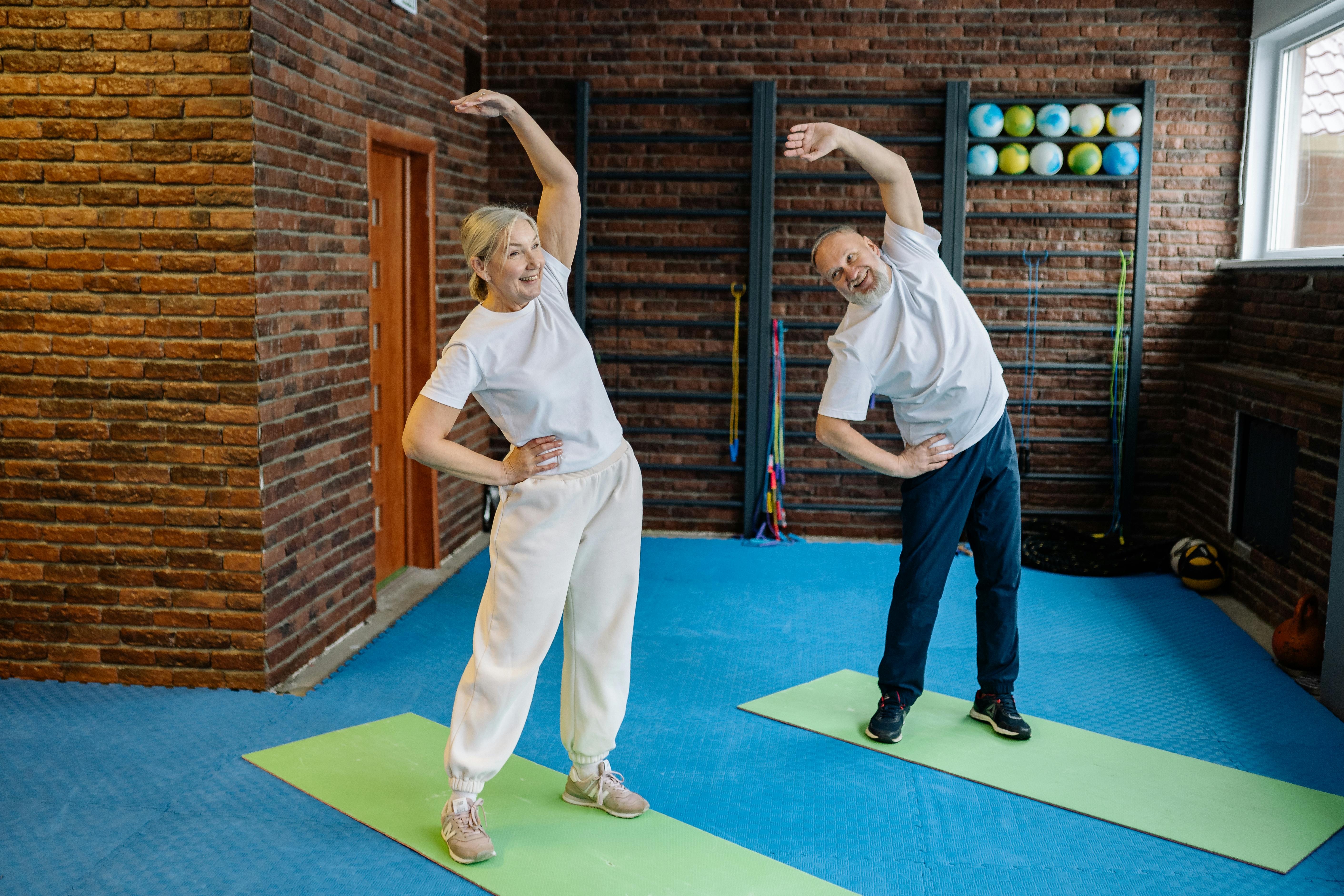
Starting strength training after 60 isn’t about becoming a bodybuilder or recapturing your 30-year-old self. It’s about reclaiming the everyday abilities that matter: climbing stairs without holding the railing, standing up from a chair without your knees screaming, carrying groceries, playing with grandchildren without fear of falling.
The science is unambiguous—resistance training is the single most effective intervention for preventing the muscle loss, bone density decline, and functional decay that come with aging. You don’t need fancy equipment, a gym membership, or hours of your week. You need consistency, progressive challenge, and the willingness to start where you actually are, not where you wish you were.
The honest truth: your first two weeks will feel awkward. Your muscles will be sore. You might question whether you’re doing it right. That’s completely normal and exactly what adaptation looks like. By week four, you’ll notice small wins—a little more stability, slightly easier movement, maybe a bit more energy.
These aren’t dramatic transformations, but they’re real, and they compound. In three months, people close to you will start asking what you’re doing differently. In six months, you’ll have built a habit that’s genuinely hard to break because you’ll feel noticeably better when you do it.
Your next step is simple: pick one day this week to do your first session. Not next week. Not after you “get in better shape first.” This week. Choose three exercises from the beginner variations in this guide—chair squats, wall push-ups, and standing rows with a resistance band.
Do 2 sets of 10 reps each, rest 60 seconds between sets, and give yourself permission to feel like a beginner. You’re not starting from weakness; you’re starting from wisdom. You know your body, you understand the stakes, and you’re choosing to do something about it. That’s strength already.
Pin this for later