
7-Day Fall Workout Challenge for Over 40s
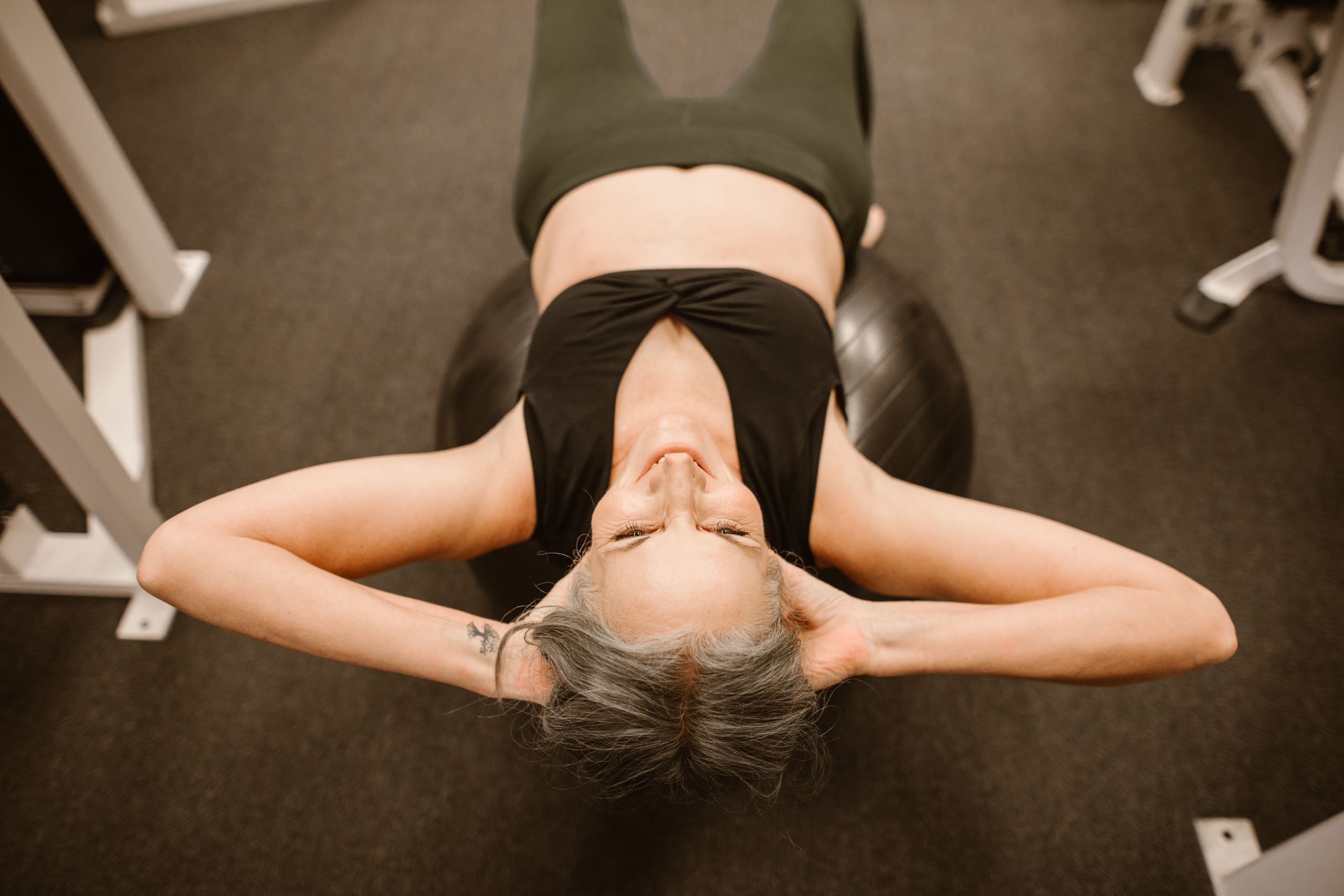
If you’re over 40 and thinking “I’m too old to start getting strong,” that’s exactly the belief that’s costing you muscle, bone density, and the energy you had a decade ago.
The good news: your body responds to strength training just as powerfully now as it ever did—you just need a program built for how you actually recover, not how a 25-year-old does.
This 7-day challenge isn’t about punishing yourself into a smaller size or chasing Instagram-worthy transformation photos. It’s about reclaiming what matters: the strength to carry groceries without thinking about it, the stability to move confidently, and the metabolism that doesn’t tank the moment you stop dieting.
Over the next week, you’ll follow a structured plan that combines joint-friendly strength work with low-impact fat-burning intervals and strategic recovery—the exact combination research shows works best for women in midlife.
You’ll see real changes in how you feel by day three. Real changes in how you look by week two. But first, you have to start.
Why Strength Training for Women in Their 40s Changes Everything
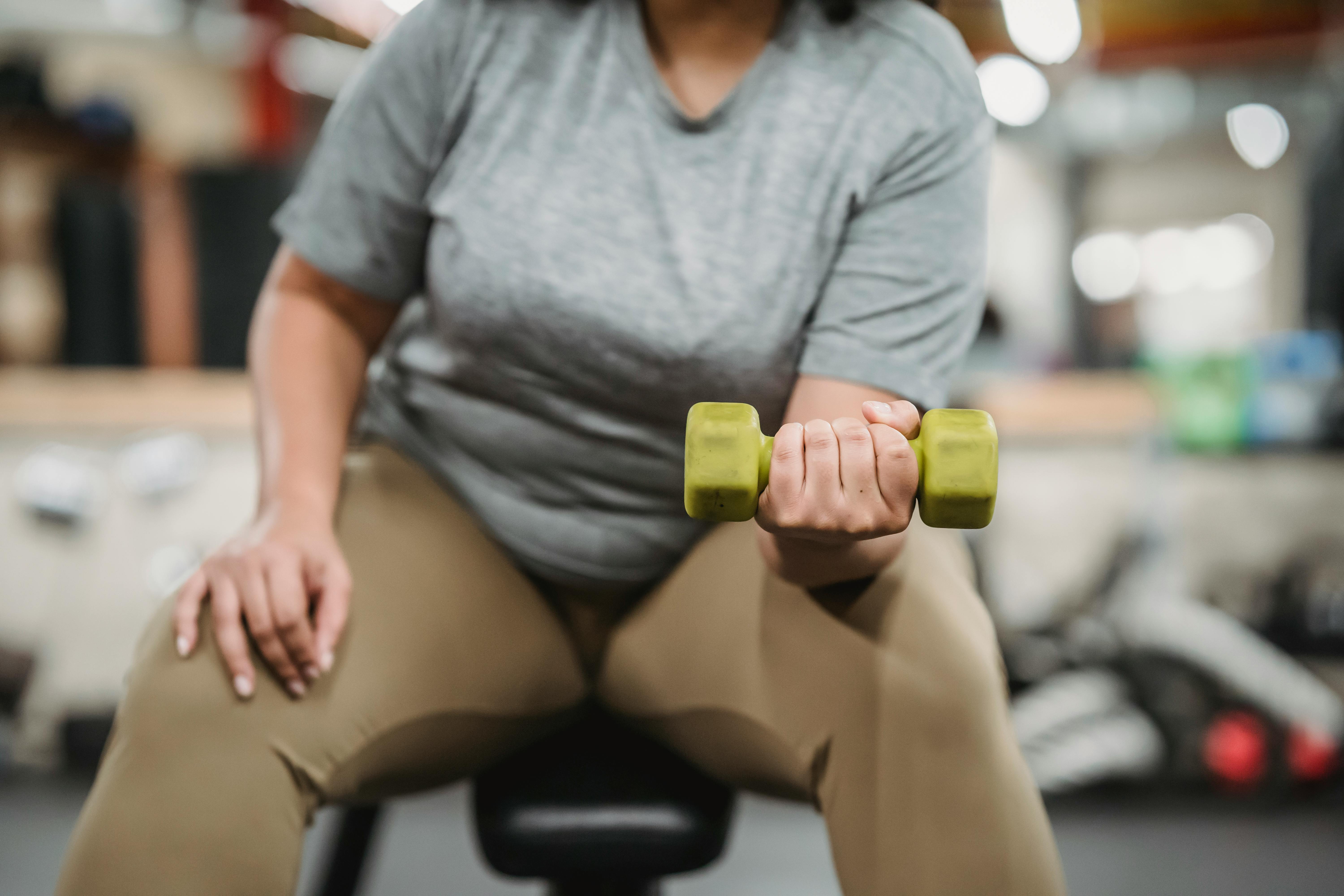
Here’s what happens to your body around 40: you start losing muscle at roughly 3-5% per decade, a process called sarcopenia. But here’s what most fitness advice won’t tell you—this isn’t inevitable. It’s preventable. And the single most effective tool isn’t expensive supplements or fancy equipment. It’s consistent strength training.
The physiology is straightforward. After 40, your hormones shift. Estrogen declines, which affects how your body builds and maintains muscle. Your metabolism naturally slows. Your bones become more vulnerable to density loss, especially if you’ve gone through or are approaching menopause. But strength training directly counteracts all three of these changes. When you load your muscles and bones under progressive resistance, you’re sending your body a clear signal: keep this muscle. Keep this bone density. You need it.
The changes go deeper than aesthetics, though that’s a real benefit many women experience. Stronger muscles mean better blood sugar regulation, reduced injury risk in daily life, improved balance (which matters for fall prevention), and better sleep quality. Research consistently shows that women who strength train in their 40s and beyond have better markers for longevity than those who don’t—better cardiovascular health, better cognitive function, better quality of life as they age.
The mental shift matters too. There’s something profoundly different about the confidence that comes from knowing your body is strong. Not just “fit,” but functionally capable. You stop thinking about workouts as punishment for eating or as a desperate attempt to look a certain way. Instead, you train because your 60-year-old self is depending on the choices you make today.
The challenge with starting now—whether you’ve never lifted or haven’t trained in years—is that you need a framework that respects where you actually are, not where you think you “should” be. That’s what this 7-day challenge is designed to do: meet you where you are, prove to you that consistency works, and build the foundation for real, lasting change.
The Complete 7 Day Workout Structure That Fits Your Life

Here’s what most workout programs get wrong for women over 40: they assume you have unlimited time and recovery capacity. You don’t. Your body needs strategic rest, and your schedule is probably packed. This seven-day structure works because it’s built around real life—not Instagram fantasy.
The framework follows what exercise scientists call “undulating periodization,” which simply means varying intensity throughout the week instead of doing the same thing daily. This approach preserves joint health while maximizing strength gains and fat loss. You’re not grinding hard every single day. You’re working smart.
Here’s your weekly rhythm: Two dedicated strength training days (we’ll detail these next), two low-impact HIIT sessions, two active recovery days, and one complete rest day. That’s it. No 90-minute gym sessions required. Most workouts land between 30–45 minutes, which research shows is the sweet spot for hormonal balance and adherence in midlife women.
The spacing matters. You’re not stacking hard days back-to-back, which is a common mistake that leads to burnout and injury. Instead, your week looks like: strength, HIIT, active recovery, strength, HIIT, active recovery, rest. This rotation gives your central nervous system time to recover while keeping you moving most days. Movement—gentle movement—is actually what keeps your metabolism humming and joints mobile as you age.
One honest note: this structure only works if you actually follow it. Not because you’re weak, but because consistency beats intensity every single time. A woman who does this exact plan for eight weeks will see measurable changes in strength, body composition, and energy. A woman who does a “harder” program sporadically will feel frustrated and quit by week three.
Your job this week is to commit to the structure, not to be perfect. Some days you’ll feel strong. Some days you’ll feel sluggish. Both are normal. The magic happens when you show up anyway, and the structure makes that sustainable.
Strength Training Days: Your Exercise Blueprint
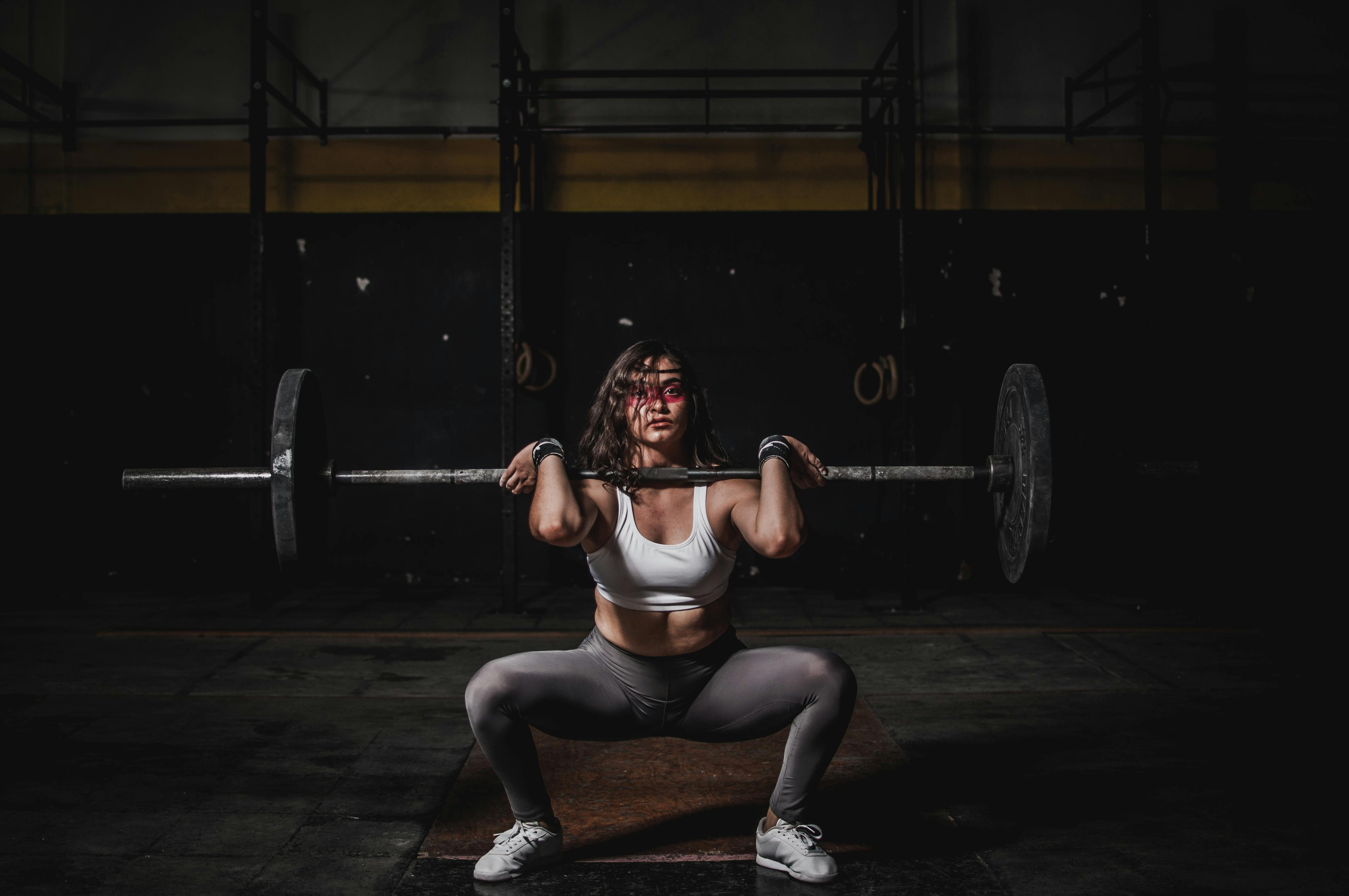
Here’s what the science actually shows: women over 40 lose about 3–5% of muscle mass per decade after 30. That’s not a scare tactic—it’s why strength training isn’t optional at this stage of life, it’s foundational. The good news? You regain muscle responsiveness faster than you think. Even untrained women in their 50s and 60s build strength in 4–6 weeks of consistent resistance work.
Your strength days (we’re doing three per week in this challenge) follow a simple principle: compound movements that work multiple muscle groups at once. Squats, push-ups, rows, and deadlifts aren’t fancy—they’re efficient. They preserve bone density, support your metabolism, and translate directly to real life: carrying groceries, playing with grandkids, getting up from a chair without using your hands.
The blueprint is straightforward: Start with 3 sets of 8–12 reps per exercise. Rest 60–90 seconds between sets. Pick a weight where the last 2 reps feel challenging but doable—not so light you could do 20 more, not so heavy you’re grinding through the movement. Form matters more than ego here. A perfect bodyweight squat beats a sloppy 25-pound kettlebell squat every time.
The most common mistake I see? Women undereating on strength days. You’re signaling your body to build muscle, which requires fuel. Eat a balanced meal with protein and carbs 2–3 hours before training, and have a snack with both within an hour after. Your muscles don’t grow in the gym—they grow during recovery, and recovery runs on nutrition.
Start with the beginner variations if you’re new to lifting. There’s zero shame in this. An assisted push-up or a goblet squat builds the same neural pathways and muscle fibers as the advanced version—just with a lower barrier to entry. You’ll progress naturally as your body adapts. Expect to add weight or reps every 2–3 weeks if you’re consistent. That’s not fast, but it’s real and sustainable.
Low-Impact HIIT: The Fat Loss Workout That Protects Your Joints

Here’s what most fitness content gets wrong about HIIT for people over 40: they prescribe the same explosive, high-impact intervals designed for 25-year-olds and wonder why your knees hurt. The truth is, you don’t need plyometrics to trigger metabolic adaptation. What you need is intensity without impact—and that’s where low-impact HIIT becomes a game-changer for fat loss without joint degradation.
Low-impact HIIT works because it maintains elevated heart rate and creates metabolic demand through tempo and resistance, not impact. Research in the Journal of Obesity shows that alternating high-effort and recovery intervals activates similar fat-burning pathways as traditional HIIT, while significantly reducing injury risk. The mechanism: short bursts of near-maximal effort trigger excess post-exercise oxygen consumption (EPOC)—your metabolism stays elevated for hours after you finish. Your joints stay intact. Win-win.
Here’s your 20-minute template for Tuesday or Thursday:
Warm-up (3 min): Easy walking, arm circles, bodyweight squats at conversational pace.
Work blocks (40 seconds, 90% effort): Stationary cycling, rowing machine, brisk walking on incline, or resistance band movements like banded lateral walks or speed skaters (no jumping—controlled lateral movement only).
Recovery blocks (90 seconds, 50% effort): Slow movement at the same exercise or gentle walking.
Repeat 8 rounds. Cool down with 2 minutes of easy movement.
The most common mistake: treating the recovery block as rest. It’s not. You’re actively recovering—heart rate drops but doesn’t flatline. This trains your cardiovascular system’s ability to recover, which declines with age and is one of the strongest predictors of longevity.
Expect to feel breathless and challenged during work blocks. That’s the point. You’re not supposed to feel comfortable—you’re supposed to feel capable. Results typically show up in 3-4 weeks: improved energy, clothes fitting differently, and the surprising benefit of better sleep. The fat loss is real, but it’s the metabolic resilience you’re actually building.
Active Recovery: The Secret Weapon for Healthy Aging
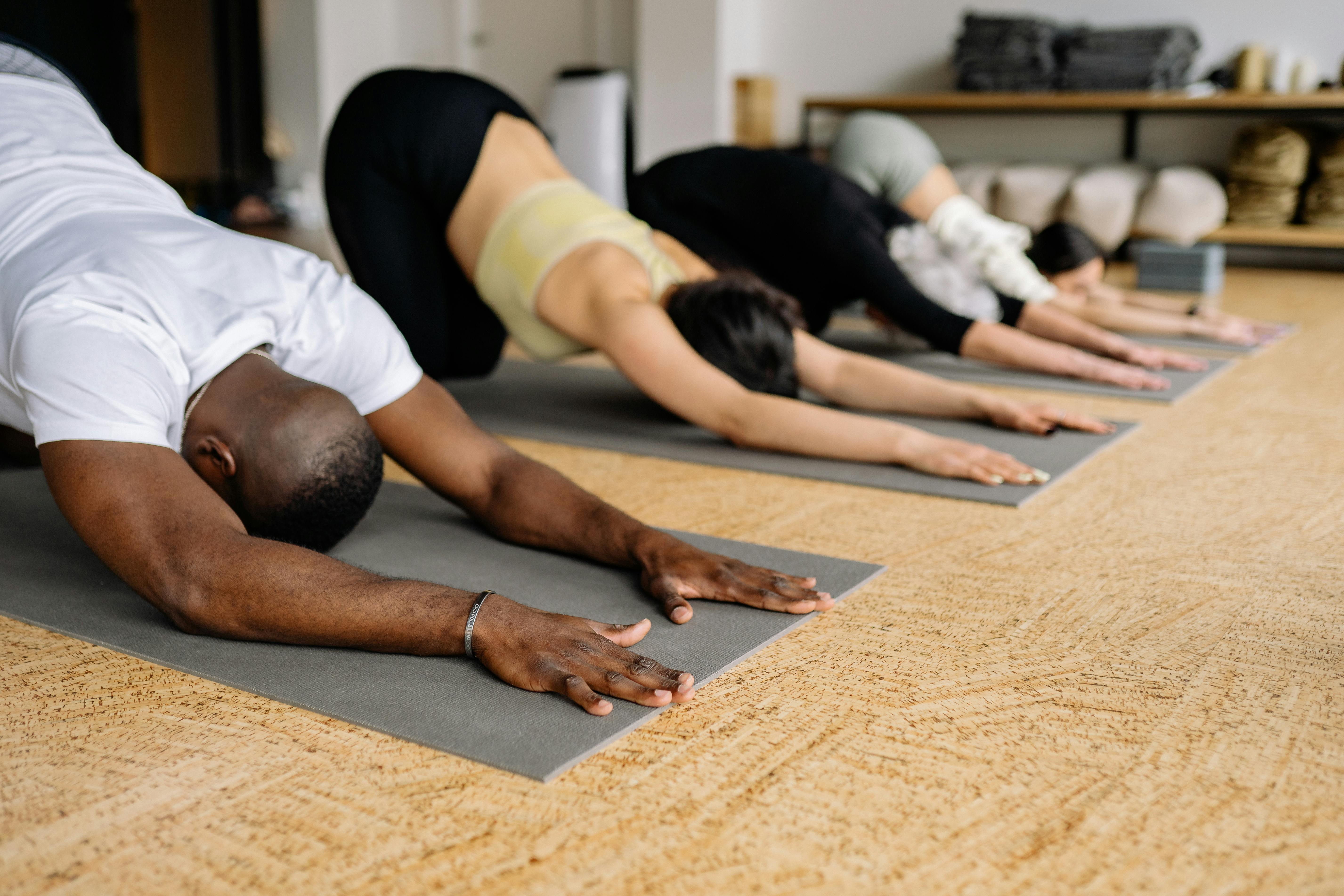
Here’s what most people get wrong about recovery: they think it means doing nothing. That’s not recovery—that’s avoidance. Real active recovery is strategically light movement that increases blood flow, reduces muscle soreness, and actually accelerates adaptation without adding stress to your nervous system. For women over 40, this distinction matters because your body’s ability to bounce back from hard training depends less on rest days and more on what you do on those days.
The science is straightforward. After strength training or HIIT, your muscles have micro-tears that need repair, and your nervous system needs downregulation. Light movement—walking, easy cycling, gentle yoga, or swimming—increases circulation to deliver nutrients and clear metabolic waste without triggering a new stress response. This is why elite athletes never fully rest; they actively recover. You should too.
Your 7-day challenge includes two dedicated active recovery days (typically after your hardest workouts). Here’s how to do them right: aim for 20–40 minutes of movement that keeps your heart rate at 40–50% of maximum. You should be able to hold a full conversation. If you’re breathing hard, you’ve crossed into training—dial it back. Good options include a brisk 30-minute walk outdoors, 25 minutes of easy stationary cycling, a beginner yoga class, or water-based movement like pool walking.
The common mistake? Treating active recovery like cardio. Women often push too hard on “easy” days because they feel like they should be earning it. Resist that. Active recovery isn’t about calorie burn; it’s about preparation. You’re building resilience for the next hard session, reducing inflammation, and signaling to your body that it’s safe to adapt.
One more thing: active recovery is where mobility work lives. Spend 5–10 minutes after your walk or yoga session on gentle stretching or foam rolling. Your hips, shoulders, and lower back will thank you, and you’ll move better for the next week. This isn’t optional if you want to stay injury-free and actually enjoy training after 40.
What to Expect: Realistic Results from Your Fitness Challenge
Here’s what I’m not going to tell you: that seven days will transform your body. Here’s what will actually happen: you’ll notice something real, something that matters more than a number on the scale.
By day three or four, most people report a shift in energy levels. This isn’t placebo. When you combine resistance training with low-impact cardio, your mitochondria—the cellular powerhouses—become more efficient at producing ATP, the molecule your body uses for fuel. You’ll feel it in afternoon alertness that used to require a third coffee. This is your nervous system recalibrating, and it’s measurable even if Instagram doesn’t celebrate it.
By the end of seven days, expect noticeable improvements in movement quality. Your knees won’t ache quite as much climbing stairs. That stiffness when you stand up from your desk? It’ll ease. This happens because you’ve activated stabilizer muscles and improved proprioception—your body’s awareness of itself in space. Women over 40 often mistake this for “getting older,” when really it’s what happens when you stop moving in the same patterns.
The honest timeline for visible body composition changes is 3-4 weeks of consistent training, not seven days. But here’s what you need to know: the foundation you’re building now is what creates those changes. One week of training is like the first coat of paint. It matters, but the transformation happens when you keep going.
Expect soreness (DOMS—delayed onset muscle soreness—peaks around day two or three if you’re new to this). Expect to feel stronger by day five. Expect to sleep better by night four. And expect your brain to feel clearer almost immediately. This last one is the result of increased blood flow and BDNF (brain-derived neurotrophic factor), a protein that supports cognitive function. It’s why people who stick with this say they think better, not just look better.
The real expectation? This seven days is a beginning. It’s proof that your body still responds, that you’re capable, and that consistency works. That’s the result that actually changes everything.
CONCLUSION
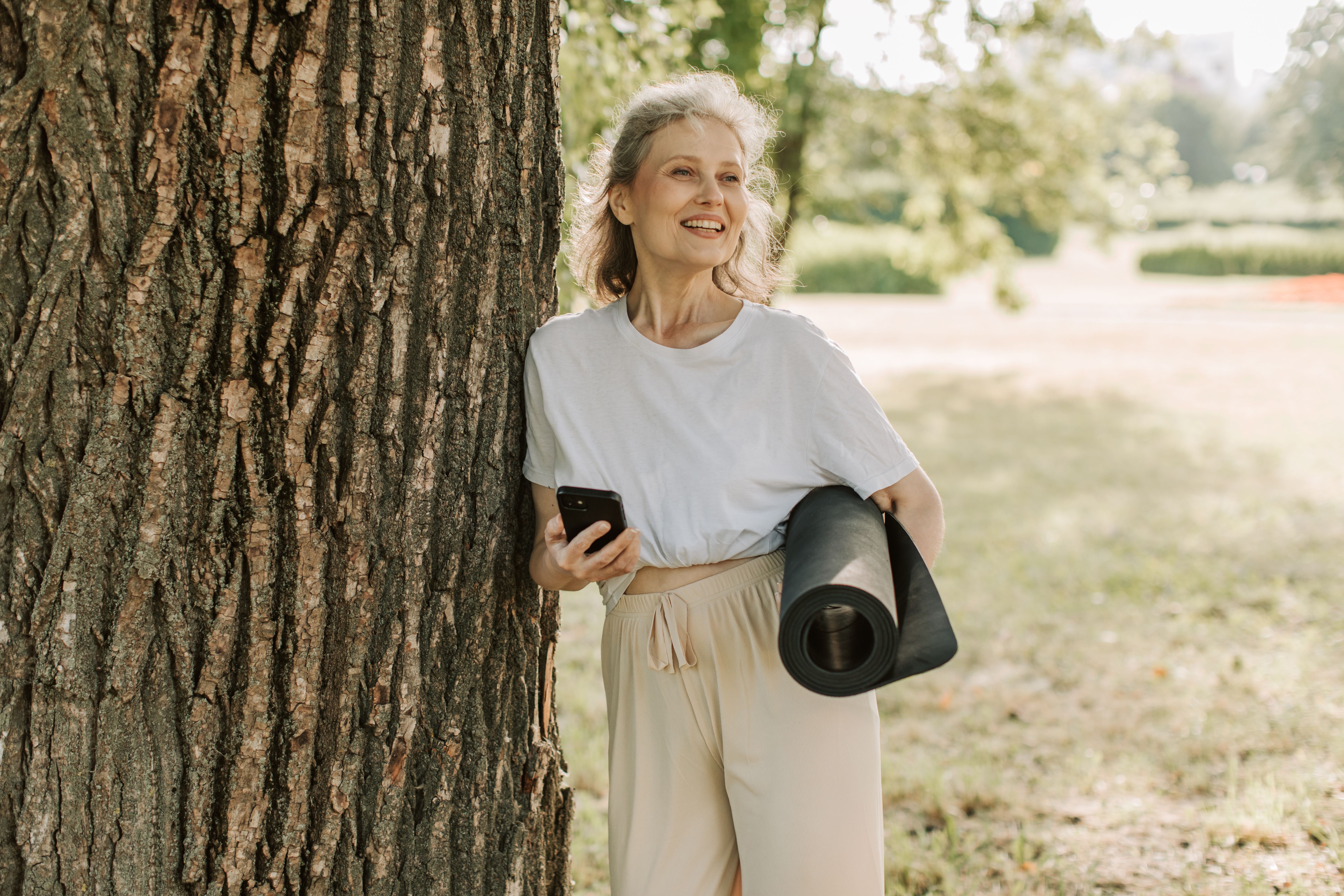
Seven days isn’t magical. But it’s enough to prove something to yourself: that your body still responds to challenge, that you can prioritize strength over convenience, and that age 40+ isn’t a decline—it’s a recalibration. This challenge works because it respects your reality. You’re not training like a 25-year-old CrossFit competitor. You’re training smart: lifting heavy enough to preserve muscle, moving hard enough to shift fat, and recovering intentionally enough that you actually feel better, not wrecked. That’s the framework that lasts beyond week one.
The seven days you’re about to complete will show you something the fitness industry doesn’t want you to know: results don’t require perfection. You’ll miss a rep. You might skip the full active recovery day because life happens. Your joints might remind you they exist. And you’ll still see changes—in how your clothes fit, how you move up stairs, how you sleep at night. That’s not failure. That’s real progress.
Here’s what matters now: commit to starting on a specific day this week. Not “sometime soon.” Not “when the weather changes.” Pick Monday, Wednesday, or whenever fits your schedule, and write it down. Tell someone—your partner, a friend, your phone’s calendar. Commitment isn’t about willpower; it’s about removing the decision-making friction. You’ve already learned what to do. Now you just have to do it.
After day seven, you won’t be “done.” You’ll be started. The real transformation happens in weeks 3-8, when your nervous system adapts, when you can lift heavier, when the habit becomes automatic. But you can’t get there without this first week. Your future self—the one who feels strong, moves without pain, and knows she’s capable—is waiting for you to take that first step.
The challenge isn’t complicated. It’s just seven days of showing up. You’ve done harder things. Now go prove it.