vagus nerve stimulation excercises

Science-backed vagus nerve stimulation exercises to reset stress, lower anxiety, and activate your parasympathetic nervous system daily.
Your vagus nerve is essentially your body’s off-switch for stress. When it’s activated, your heart rate drops, digestion improves, and anxiety dissolves. When it’s dormant, you stay locked in fight-or-flight mode—exhausted, reactive, and stuck.
The problem: most people don’t know this nerve exists until they’re already burned out. The good news: you can stimulate it deliberately through specific exercises that take as little as 2–5 minutes, and the effects are measurable within days.
This guide walks you through proven vagus nerve reset techniques—from breathing methods that work immediately, to physical exercises that rewire your nervous system over time, to the social practices that amplify the effect. You’ll learn exactly what to do, why it works, and how to build it into your routine so calm becomes your default, not an accident.
What Is the Vagus Nerve (And Why It Controls Your Stress Response)

Your vagus nerve is the longest cranial nerve in your body—a wandering bundle of fibers that runs from your brainstem all the way down through your chest and into your gut. The name literally means “wandering” in Latin, and that’s exactly what it does: it connects your brain to your heart, lungs, digestive system, and dozens of other organs. Think of it as a two-way communication highway between your nervous system and your body’s critical functions.
Here’s where it gets relevant to stress: your vagus nerve is the main player in your parasympathetic nervous system—the “rest and digest” branch that counteracts the fight-or-flight response. When your vagus nerve is functioning well, it sends signals that tell your body it’s safe to relax. Your heart rate drops, digestion improves, inflammation decreases, and your mind settles. When it’s underactive (which is the modern default for most of us), your body stays stuck in a low-grade stress state, even when there’s no actual threat. Cortisol stays elevated, your nervous system remains vigilant, and recovery becomes nearly impossible.
Research from institutions like Stanford and the National Institutes of Health has shown that vagal tone—essentially the strength and responsiveness of your vagus nerve—is measurable and improvable. Studies consistently link higher vagal tone to better emotional regulation, lower inflammation markers, improved heart rate variability, and faster recovery from stress. It’s not pseudoscience; it’s neurobiology.
The practical reality: you can’t think your way out of chronic stress. Your rational brain can understand you’re safe, but if your vagus nerve isn’t sending that message to your body, you’ll keep feeling anxious, tight, and exhausted. That’s why exercises that directly stimulate the vagus nerve work differently than meditation or positive affirmations alone. They’re bottom-up interventions—you’re literally training your nervous system to shift states, not just trying to convince yourself to relax.
Proven Breathing Techniques for Vagus Nerve Reset

Your breathing pattern is one of the fastest levers you have to shift your nervous system state. Here’s the physiology: when you exhale longer than you inhale, you activate the parasympathetic branch of your vagus nerve—the “rest and digest” system. This isn’t mystical; it’s measurable. Studies using heart rate variability (HRV) show that extended exhales directly increase vagal tone within minutes. The vagus nerve literally carries signals from your lungs to your brain, making breath one of the few autonomic functions you can consciously control.
The 4-7-8 Technique is the most research-backed starting point. Inhale through your nose for 4 counts, hold for 7, exhale through your mouth for 8. Do this for 5 rounds, once or twice daily. The extended exhale is the active ingredient—don’t get hung up on hitting exact counts if it feels forced. What matters is that your exhale is noticeably longer than your inhale. Most people feel a shift within the first round: shoulders drop, jaw unclenches, that tight chest feeling eases.
Box Breathing works better if you find 4-7-8 too demanding. Breathe in for 4, hold for 4, exhale for 4, hold for 4. Repeat 5-10 times. This creates rhythmic stability that your nervous system recognizes as “safe,” signaling the vagus nerve to downregulate threat detection. It’s especially useful before meetings or when anxiety is spiking.
The common mistake: forcing your breath. If you’re straining to hit counts, you’re activating your sympathetic nervous system—the opposite of what you want. Breathing should feel smooth and sustainable. Start with whatever ratio feels natural, then gradually extend your exhale by one count every few days.
Realistic timeline: you’ll notice a temporary calm within 2-3 minutes. Consistent practice over 2-4 weeks builds lasting vagal tone, meaning your baseline stress response becomes genuinely lower. This is the foundation. Everything else in this guide builds on it.
Physical Vagus Nerve Stimulation Methods That Work in Minutes

Breathing is powerful, but your vagus nerve also responds directly to physical stimulation—and you don’t need equipment or 20 minutes. The vagus nerve runs from your brainstem all the way down through your neck, throat, and digestive system. When you stimulate it physically, you’re triggering what’s called the parasympathetic nervous system activation, which is the opposite of your stress response. Studies show this can lower cortisol and heart rate variability within minutes, not weeks.
The most practical method is cold water exposure. Splashing your face with cold water—or holding ice against your cheeks for 30 seconds—activates the dive reflex, which directly stimulates vagal tone. This isn’t comfortable, and that’s the point. Your nervous system learns that you can handle mild discomfort without panicking. Start with 15-30 seconds of cold water on your face after a warm shower. The contrast matters more than the intensity. A common mistake is holding your breath; instead, breathe slowly and deliberately through the cold exposure. This trains your system to stay calm under stress.
Humming and gargling directly engage the vagus nerve because it controls your vocal cords and throat muscles. Spend 2-3 minutes humming at a low pitch, or gargle with water for 30 seconds at a time, several times daily. This sounds simple because it is—and it works. The vibration stimulates the vagal branches in your throat. You’ll feel the difference immediately: a slight relaxation in your jaw and shoulders.
Neck and ear massage is another underrated tool. The vagus nerve runs along your carotid artery in your neck. Gently massage the side of your neck (where your pulse is) with two fingers, using slow, downward strokes for 1-2 minutes per side. Avoid pressing directly on the artery; focus on the soft tissue around it. You can also massage the area behind your ears, which houses vagal nerve endings. These methods take literally 3-5 minutes and can shift your nervous system state noticeably.
The key difference between these methods and breathing work: they create an immediate physical signal. Your body doesn’t have to “decide” to relax—the stimulation tells it to. Use these when you need fast results, then layer in movement-based practices for sustained resilience.
Movement-Based Vagus Nerve Exercises
If quick breathing tricks and ice plunges feel too passive, movement-based vagus stimulation is where the real nervous system recalibration happens. Here’s what research shows: sustained, rhythmic movement activates your parasympathetic nervous system through a mechanism called “vagal tone”—essentially your vagus nerve’s ability to shift you out of fight-or-flight. Unlike isolated techniques, movement integrates breathing, proprioception, and body awareness simultaneously, which is why it tends to stick better psychologically.
Slow, intentional walking is the most underrated vagus nerve tool. Not a jog—a deliberate 15-30 minute walk at a pace where you can speak full sentences. The rhythmic nature and ground contact activate your vagus nerve while you’re building aerobic capacity. Aim for 4-5 times weekly. A common mistake: walking while mentally replaying your day. Instead, anchor your attention to your feet contacting the ground or the sensation of breathing. This shifts your brain from threat-detection mode into present-moment awareness.
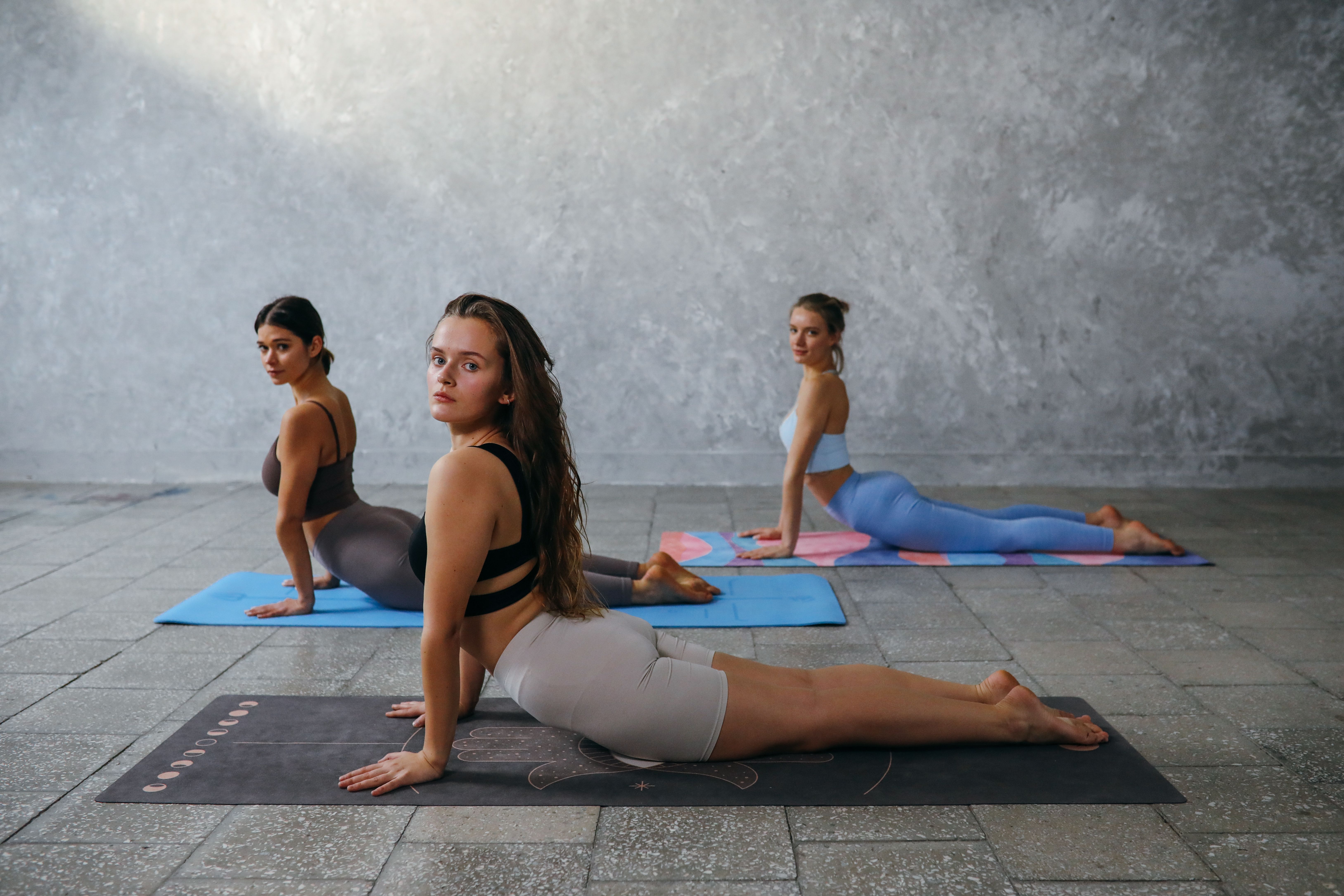
Yoga, particularly restorative and yin variations, directly stimulates the vagus nerve through sustained passive stretches and controlled breathing. Child’s pose, supported forward folds, and legs-up-the-wall pose are specifically vagus-activating because they combine gentle spinal flexion with the parasympathetic response to stillness. Hold poses for 3-5 minutes, 2-3 times weekly. This isn’t about flexibility—it’s about teaching your body that prolonged stillness is safe.
Swimming and water-based movement activate the vagus nerve through the cold water immersion reflex plus rhythmic bilateral movement. You don’t need intense laps; 20-30 minutes of steady swimming or water walking 2-3 times weekly creates measurable improvements in heart rate variability within 6-8 weeks. The horizontal body position also naturally encourages deeper diaphragmatic breathing.
The realistic timeline: expect to notice improved sleep quality and reduced baseline anxiety within 2-3 weeks of consistent movement practice. Real vagal tone improvements—measured by heart rate variability—typically show up in 6-8 weeks. The mindset shift required here is patience with gradual nervous system retraining. Your vagus nerve didn’t become dysregulated overnight, and it won’t fully reset overnight either.
Social Connection and Emotional Vagus Nerve Reset Exercises

Here’s what neuroscience keeps confirming: your vagus nerve doesn’t just respond to what you do with your body—it responds powerfully to who you’re with and how you feel emotionally. The vagus nerve is lined with receptors that detect safety signals from social connection, a concept called “neuroception.” When your brain perceives you’re safe with others, the vagus nerve activates your parasympathetic nervous system. When you’re isolated or emotionally disconnected, it stays suppressed. This isn’t woo. It’s measurable through heart rate variability and cortisol levels.
Genuine conversation is a vagus nerve exercise. Not scrolling. Not small talk. Real, face-to-face dialogue where you’re present and vulnerable. When you engage in authentic conversation—especially where you’re listening as much as speaking—your vagus nerve receives a direct “all clear” signal. Aim for 10-15 minutes of undistracted conversation daily. Put the phone away. Make eye contact. Notice what happens to your nervous system afterward. Most people report feeling calmer without understanding why: that’s vagal tone improving in real time.
Humming and singing activate the vagus nerve through the vagus nerve’s connection to your vocal cords. This is one of the easiest hacks most people overlook. Humming for 2-3 minutes, or singing in the car (badly counts), directly stimulates the vagal brake. The vibration and sustained exhalation both matter. If singing feels awkward, start with humming while breathing normally. Do this for 3-5 minutes when you feel stress rising.
Loving-kindness meditation is the emotional reset that moves you from sympathetic (fight-or-flight) dominance into parasympathetic calm. Spend 5 minutes directing compassion toward yourself, then others—even people you find difficult. Research shows this practice measurably increases vagal tone over weeks. You’re not trying to feel anything specific; you’re training your nervous system to recognize safety in emotional openness.
The pattern here: your vagus nerve responds to signals of safety, connection, and emotional authenticity. These aren’t optional add-ons to your nervous system reset. They’re foundational. Before you build a routine, understand that isolation and emotional suppression will always undermine the breathing and movement work you’re doing.
Building Your Daily Vagus Nerve Exercise Routine

Here’s what I’ve learned from working with people trying to rewire their nervous system: the exercise itself is only half the battle. The other half is showing up consistently, even when you don’t feel like it—especially then. Your vagus nerve doesn’t care about intensity; it responds to frequency and regularity. One perfect session followed by two weeks of nothing won’t recalibrate your stress response. But five minutes every morning, without fail, will.
Start by anchoring your vagus nerve practice to an existing habit. This is called habit stacking, and it works because you’re leveraging neural pathways you’ve already built. If you brush your teeth every morning, do 2 minutes of humming or box breathing right after. If you have coffee, pair it with 5 minutes of gentle neck rolls and shoulder shrugs. The specific time matters less than the consistency—your nervous system learns through repetition, not perfection.
A realistic daily routine looks like this: Start with a 3-minute breathing technique (box breathing or extended exhale—whichever resonates with you). Add 5 minutes of one movement-based exercise: neck releases, cold water exposure, or gargling. Finish with 2 minutes of vagal toning through humming or singing. That’s 10 minutes total. You don’t need more than this to see measurable changes in heart rate variability and resting cortisol within 3–4 weeks, according to research on vagal tone intervention.
The mistake most people make is treating this like a fitness program where “more is better.” It’s not. Overtraining your vagus nerve can backfire—you’ll exhaust yourself chasing results instead of building sustainable regulation. Think of it as learning a language: consistent 10-minute daily practice beats sporadic 60-minute cram sessions every time.
Track one simple metric: how you feel 30 minutes after your routine. Not your heart rate variability or some app score—just your subjective sense of calm. Over 4 weeks, you’ll notice the pattern. That feedback loop is what keeps you showing up, because you’re not chasing an abstract promise anymore. You’re chasing a feeling you’ve already proven you can create.
CONCLUSION
The vagus nerve isn’t some mystical wellness shortcut—it’s a measurable biological pathway that directly influences your nervous system state. You now have five evidence-backed categories of exercises: breathing techniques that activate your parasympathetic response within minutes, physical methods like cold water and humming that trigger immediate vagal tone improvements, movement practices that build resilience over time, and social connection that literally rewires your stress response. The science is clear: consistent vagus nerve stimulation reduces inflammation markers, lowers cortisol, and improves heart rate variability—all things you can objectively track if you want proof that this is working.
Here’s what matters most: you don’t need to do everything at once. The people who see real results aren’t the ones trying all seven techniques daily. They’re the ones who picked one or two practices, built them into an existing routine, and stayed consistent for at least 3-4 weeks. That’s the timeline your nervous system needs to recognize a new pattern as “safe.” Breathing takes two minutes. A cold shower takes five. A daily walk with a friend takes thirty. These aren’t time commitments—they’re non-negotiable maintenance for your stress response, like brushing your teeth.
Your next step is simple: choose one practice from this article that feels least intimidating and commit to it for the next two weeks. Not perfection—just consistency. If it’s the 4-7-8 breathing, do it when you wake up. If it’s humming, add it to your shower routine. If it’s walking, schedule it like you would a meeting. After two weeks, notice what changed: your sleep quality, your irritability level, how quickly you recover from stress. You don’t need to feel it working for it to be working—but most people do notice something shifts when they give their vagus nerve the stimulus it’s been asking for. Start this week. Your nervous system is waiting.