Why Kegels Alone Won’t Fix Your Pelvic Floor (And What Will)

You’ve heard it a hundred times: “Just do your Kegels.” It’s the standard advice for any pelvic floor issue—whether you’re dealing with leaks when you sneeze, postpartum recovery, or pelvic discomfort. But here’s what nobody tells you: Kegels alone rarely solve the problem.
I know this frustrates you. You’ve been diligently doing your exercises, squeezing and releasing like clockwork, yet nothing seems to change. Maybe things have even gotten worse. You’re not doing anything wrong—the advice itself is incomplete.
The truth is, your pelvic floor doesn’t exist in isolation. It’s part of an intricate system that includes your breathing, posture, core, hips, and daily movement patterns. When we treat pelvic floor dysfunction with only Kegels, we’re addressing a symptom while ignoring the root causes.
This article breaks down why the “just do Kegels” approach falls short and gives you a complete, proven strategy that actually works. We’ll explore what’s really causing your pelvic floor problems, why some women make their symptoms worse by doing more Kegels, and the simple, actionable steps you can start today to build genuine pelvic floor health.
No more guessing. No more frustration. Just a clear path forward that addresses your whole body, not just one set of muscles.
The Kegel Myth: Why This One-Size-Fits-All Solution Falls Short
What Kegels Actually Do (And Don’t Do)
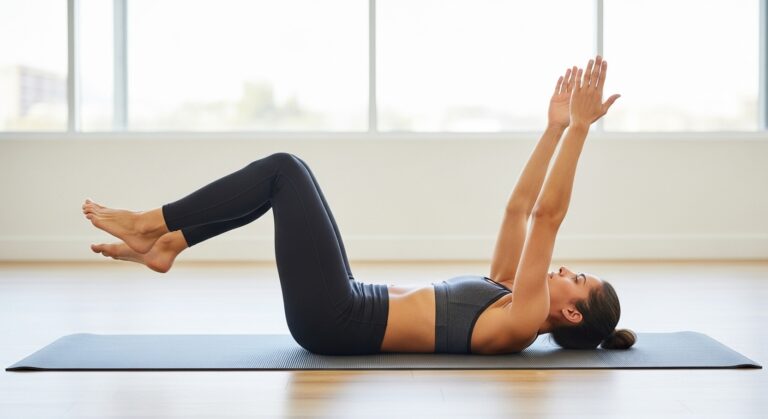
Let’s be clear: Kegels aren’t bad. They target the pelvic floor muscles through contraction—the squeeze-and-lift motion you’ve probably practiced. For some women, in specific situations, this exercise helps. But here’s the problem: your pelvic floor needs to do far more than just contract.
Your pelvic floor muscles must coordinate with every movement you make. They work when you walk, lift, laugh, cough, and breathe. They need to contract, yes, but they also need to relax, lengthen, and respond dynamically to changing pressure. Kegels train only one movement pattern: the squeeze. They completely miss the essential skill of relaxation and full range of motion.
Think of it this way: if you only ever trained your bicep by flexing it tight and holding, never straightening your arm, you’d end up with a dysfunctional, chronically tight muscle. The same principle applies to your pelvic floor.
The Three Big Problems With Kegels-Only Advice
First, many women perform Kegels incorrectly without realizing it. Research shows that up to 50% of women given verbal Kegel instructions alone don’t actually contract the right muscles. Some bear down instead of lifting up. Others engage their glutes, inner thighs, or abs while barely activating the pelvic floor at all. Without proper assessment and feedback, you might be reinforcing the wrong pattern for months.
Second, some pelvic floors are already too tight—making Kegels actively harmful. If your pelvic floor muscles are overactive, short, or tense, adding more contraction exercises creates more tension. This is like telling someone with chronically clenched jaw muscles to practice clenching harder. It doesn’t make sense, yet it’s exactly what happens when we prescribe Kegels without assessment.
Third, Kegels ignore the essential connection to your whole body. Your pelvic floor doesn’t operate independently—it works in concert with your diaphragm, core muscles, glutes, and hip stabilizers. When you only do Kegels, you miss the coordination training that makes these muscles function properly in real-life situations.
When Kegels Can Actually Make Things Worse
Here’s what many women don’t know: an overactive pelvic floor creates symptoms identical to a weak one. Leaking, urgency, pelvic pain, and discomfort during sex can all stem from muscles that are too tight, not too weak.
Signs your pelvic floor might be overactive include pain during or after sex, difficulty emptying your bladder, constipation, tailbone pain, or symptoms that worsen when you do more Kegels. If you’ve been faithfully doing your exercises but feel worse, this is your red flag.
The tension trap is real. When you repeatedly squeeze already-tight muscles, you create a cycle where your pelvic floor loses its ability to relax and coordinate. Women describe feeling like they’re “doing everything right” yet experiencing increased urgency, more frequent leaking, or new pain. This isn’t failure—it’s your body telling you it needs a different approach.
The Real Culprits Behind Pelvic Floor Dysfunction
Your Daily Movement Patterns Matter More Than You Think
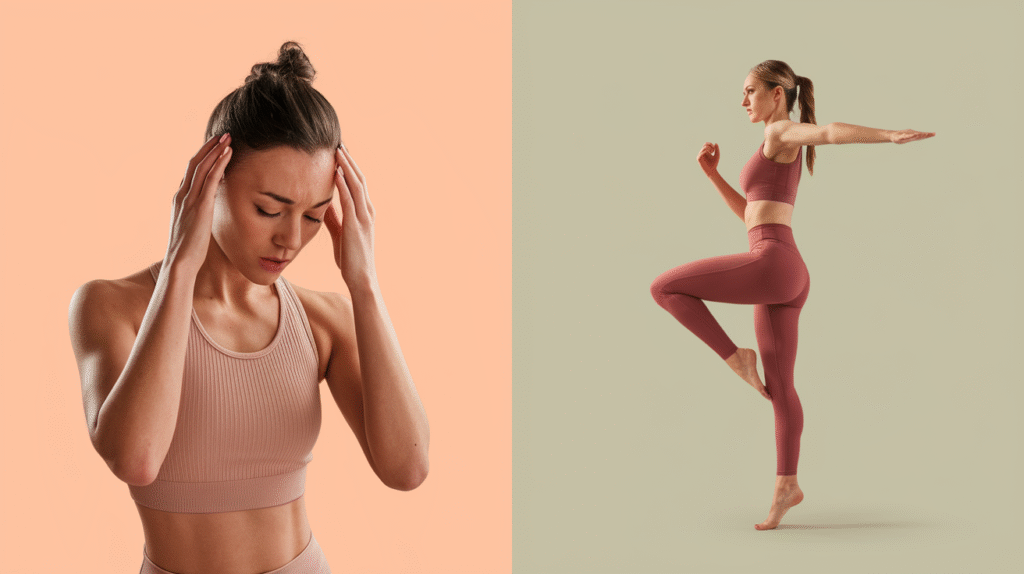
Let’s talk about what you do for most of your day. If you’re like most people, you sit—a lot. At your desk, in your car, on your couch. This constant sitting creates a lazy, shortened pelvic floor that forgets how to work through its full range.
Our ancestors regularly squatted, walked on varied terrain, and moved in multiple directions throughout the day. These natural movement patterns kept the pelvic floor strong and responsive. Modern life has eliminated most of this variety. We’ve traded dynamic movement for static positions, and our pelvic floors pay the price.
When you sit for hours, your pelvis tilts backward, your glutes turn off, and your pelvic floor sits in a shortened, weakened position. Add tight hip flexors and weak glutes to the mix, and you’ve created the perfect storm for pelvic floor dysfunction. No amount of Kegels can overcome the impact of sitting for eight hours a day.
Alignment and Pressure Management: The Missing Links
Here’s something that will change how you think about your pelvic floor: it’s essentially a trapdoor at the bottom of your abdominal cavity. Your rib cage, pelvis, and breathing patterns all affect how much pressure bears down on this trapdoor.
When your ribs thrust forward and your pelvis tilts, you create constant downward pressure on your pelvic floor. Imagine trying to hold a trapdoor closed while someone keeps piling weight on top—eventually, you’ll lose the battle. This is what happens with poor alignment.
Intra-abdominal pressure—the pressure inside your abdominal cavity—matters enormously. Every time you breathe, lift something, cough, or laugh, pressure changes inside your core. Your pelvic floor must manage these pressure changes effectively. When your alignment is off, pressure management becomes nearly impossible, no matter how many Kegels you do.
The solution isn’t just strengthening the trapdoor (your pelvic floor). You need to address the entire pressure system by improving your alignment and breathing patterns.
The Whole-Body Connection You’ve Been Missing
Your body is a connected system, not a collection of isolated parts. Your pelvic floor works as part of a team that includes your diaphragm, deep core muscles, glutes, and hip stabilizers. When one team member isn’t doing its job, the others compensate—often poorly.
Weak glutes are one of the biggest contributors to pelvic floor problems. Your glutes help stabilize your pelvis and support your pelvic floor during movement. When they’re weak or underactive (hello, desk job), your pelvic floor takes on extra work it wasn’t designed to handle alone.
Tight hips create similar problems. When your hip mobility is limited, your body finds compensatory movement patterns that often involve bearing down on your pelvic floor. You might not notice this happening, but your pelvic floor feels the strain every day.
Then there’s breathing. Your diaphragm and pelvic floor move together with every breath—they’re connected by fascia and coordinated by your nervous system. When you breathe shallowly into your chest (which most of us do when stressed), you disrupt this natural coordination. Proper breathing isn’t just relaxing; it’s essential for pelvic floor function.
The Complete Approach: What Actually Works for Pelvic Floor Health
Assessment First: Know What You’re Actually Dealing With
Before you do another Kegel, you need to know what your pelvic floor actually needs. This is where seeing a pelvic floor physical therapist becomes the ultimate game-changer. These specialists can perform an internal assessment to determine whether your muscles are weak, tight, or poorly coordinated—and yes, these require completely different approaches.
A pelvic floor PT can tell you if you’re actually engaging the right muscles when you think you’re doing a Kegel. They can identify tension patterns, alignment issues, and breathing problems that contribute to your symptoms. This professional guidance can save you months of doing the wrong exercises.
If you can’t access a pelvic floor PT immediately, start with simple self-assessment questions. Do your symptoms worsen with more exercise or improve with rest? That might indicate overactivity. Do you have difficulty relaxing your pelvic floor or pain during intimacy? These point toward tension issues. Does leaking happen mainly during high-impact activities? This could indicate coordination problems rather than pure weakness.
Understanding whether you need strengthening, relaxation, or coordination work completely changes your approach. This is why assessment matters more than jumping straight into exercises.
Movement Variety: Training Your Pelvic Floor Through Real Life
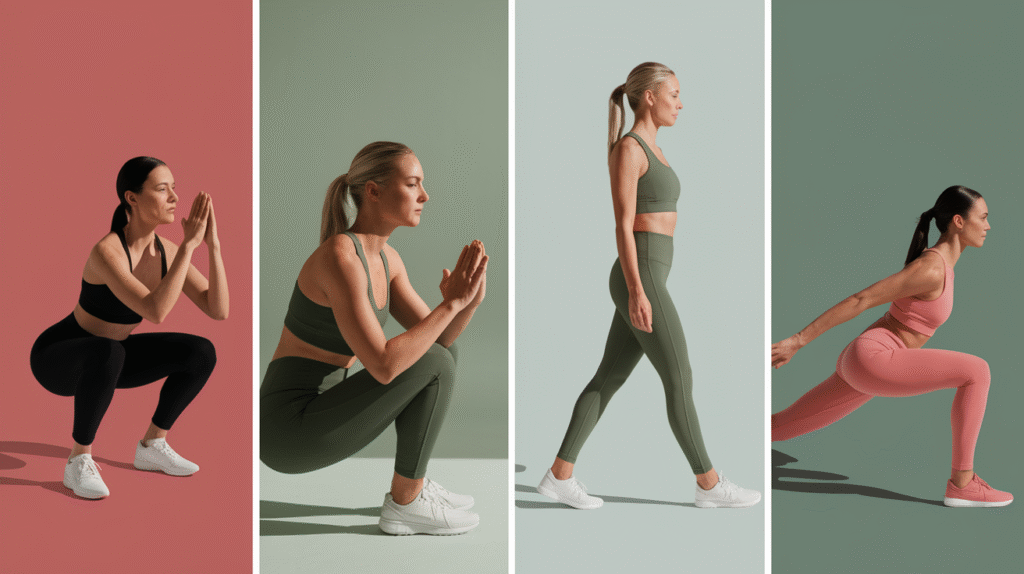
Your pelvic floor learns best through natural, varied movement—not isolated exercises. Walking is one of the most effective things you can do. It engages your pelvic floor dynamically, strengthens your glutes, mobilizes your hips, and improves overall coordination.
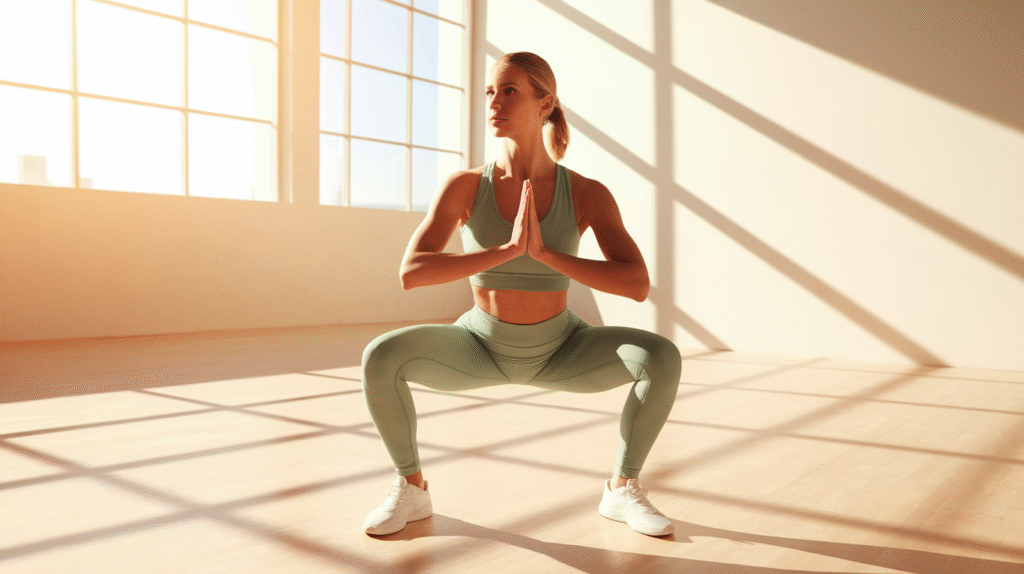
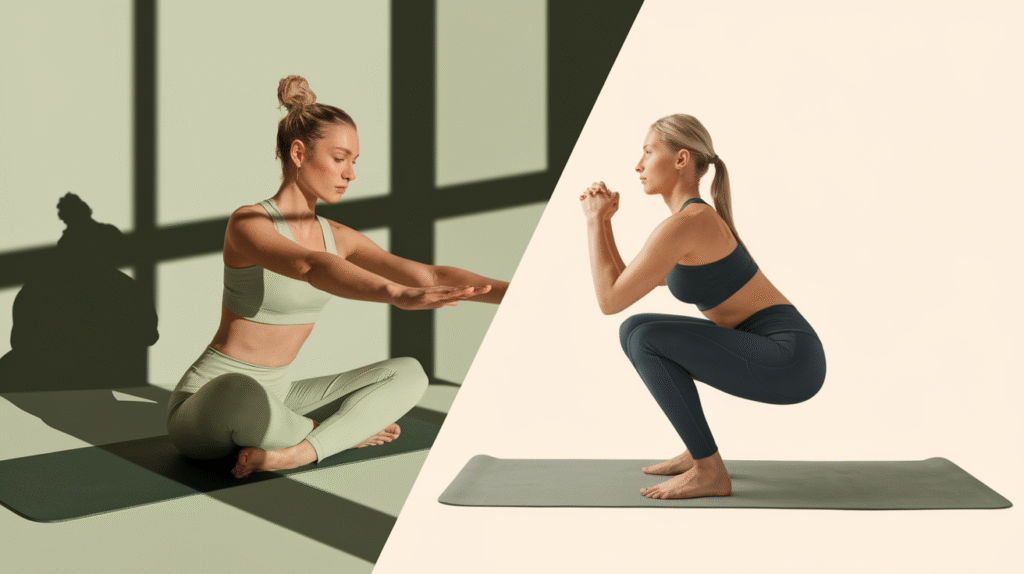
Squatting is another powerful movement pattern. Full, deep squats (if you can do them safely) take your pelvic floor through its complete range of motion. They strengthen your glutes and legs while teaching your pelvic floor to work in a lengthened position. If full squats aren’t accessible yet, start with supported squats or gradually work toward greater depth.
Incorporate exercises that engage your entire body, not just your pelvic floor in isolation. Bridges, bird dogs, dead bugs, and lunges all train the coordination between your pelvic floor, core, and glutes. These functional movements prepare your body for real-life demands—picking up your toddler, carrying groceries, or running for the bus.
The key is making pelvic floor-friendly movement part of your daily life. Take walking breaks during your workday. Practice squatting when you pick things up instead of bending from your back. Stand more throughout the day. These simple habits create consistent, varied demand on your pelvic floor, which builds genuine resilience.
Breathing and Alignment Strategies That Make Everything Easier
Here’s a breathing technique that supports your pelvic floor instantly: breathe into your belly and sides, allowing your rib cage to expand 360 degrees. As you inhale, your diaphragm descends and your pelvic floor gently releases. As you exhale, both naturally engage. This coordinated breathing pattern takes pressure off your pelvic floor and improves its function.
Practice this: Place one hand on your chest and one on your belly. Breathe so that only your belly hand moves, keeping your chest relatively still. Feel your ribs expand to the sides and back. This is diaphragmatic breathing, and it’s essential for pelvic floor health.
Quick posture adjustments deliver proven results without requiring you to think about your pelvic floor constantly. Stack your rib cage over your pelvis instead of letting your ribs thrust forward. Imagine your pelvis as a bowl of water—you want to keep it level, not tipped forward or back. Relax your shoulders down and back.
Easy daily habits make these improvements automatic. Set a timer to check your posture every hour. Practice breathing exercises for two minutes when you wake up and before bed. Stand while taking phone calls. Park farther away to add more walking to your day. These small changes compound into significant improvements in pelvic floor function.
Your Action Plan: Simple Steps to Start Today
Week 1: Awareness and Assessment
Your first week is about gathering information, not fixing everything immediately. Pay attention to your daily positions and movement patterns. How many hours do you sit? When do you slouch? How do you breathe when stressed?
Notice when symptoms occur and what makes them better. Keep a simple log if it helps. Does leaking happen during specific movements? Do symptoms worsen as the day goes on? Do you feel better after walking or worse after high-intensity exercise? This information guides your approach.
This is also the perfect time to book a consultation with a pelvic floor specialist. Even one assessment session provides invaluable information about what your pelvic floor actually needs. Many women wish they’d done this months earlier instead of struggling with generic advice.
Week 2-4: Building Your Foundation
Now you start making changes. Incorporate more walking into your routine—aim for at least 20-30 minutes daily. This doesn’t need to be power walking; a comfortable pace that gets you moving is perfect.
Practice proper breathing and alignment basics throughout your day. Set reminders to check your posture and take three deep belly breaths. These micro-practices add up to significant change.
Start full-body strengthening exercises that support pelvic floor function. Bridges, clamshells, and bird dogs are excellent starting points. Focus on quality over quantity—five perfect repetitions beat twenty sloppy ones. If you’re cleared for exercise and have no pain, gradually add these movements to your routine.
During this phase, you might do some Kegels—but only if assessment indicates you need strengthening and you’re performing them correctly. Even then, they’re part of a complete program, not the entire solution.
Long-Term Success: Making It Sustainable
Pelvic floor health isn’t about perfection; it’s about consistent, sustainable habits. You don’t need to obsess over every movement or spend hours on exercises. The goal is building a lifestyle that naturally supports your pelvic floor.
Maintain variety in your movement. Keep walking regularly. Continue practicing good breathing and alignment. Do your strengthening exercises 2-3 times weekly. These habits become second nature over time.
Know the warning signs that you need professional help: symptoms that worsen despite your efforts, new pain, visible bulging or pressure in your pelvic area, or difficulty controlling your bladder or bowels. These aren’t signs of failure—they’re signals to get expert assessment.
Build a complete routine that fits your lifestyle. Maybe you do breathing exercises while waiting for your coffee to brew. Perhaps you practice squats while playing with your kids. You take walking calls instead of sitting at your desk. When pelvic floor health integrates naturally into your life, you’ll maintain it effortlessly.
Conclusion
Kegels aren’t bad—they’re just incomplete as a standalone solution. Your pelvic floor is part of an integrated system that includes your breathing, alignment, core, glutes, and daily movement patterns. Treating it in isolation rarely produces lasting results.
Your pelvic floor health depends on whole-body movement, proper alignment, and coordinated breathing. These elements work together to create an environment where your pelvic floor can function optimally. When you address these factors, you’re not just managing symptoms—you’re resolving the root causes of dysfunction.
The most effective approach combines professional assessment with daily habits that support your entire body. This isn’t complicated or time-consuming, but it does require shifting from the “just do Kegels” mindset to a more complete understanding of how your body works.
Professional guidance can save you months of frustration and guesswork. A pelvic floor physical therapist provides personalized assessment and treatment that generic advice simply can’t match. If you’re struggling with pelvic floor symptoms, this is your permission to seek expert help—you deserve support, not continued frustration.
Start today with simple awareness. Notice how you sit, breathe, and move. Add more walking to your routine. Practice better alignment. These foundational steps begin shifting your pelvic floor health immediately, even before you master any specific exercises.
Your pelvic floor supports you through every moment of your life—it deserves a complete approach that actually works. You’ve got this.