Walking For Bone Density After 50

You’ve probably heard the phrase “use it or lose it,” and when it comes to your bones after 50, this couldn’t be more accurate.
Here’s something that might surprise you: your bones are living tissue that constantly rebuilds itself, and walking is one of the most powerful tools you have to keep them strong.
Unlike complicated gym routines or expensive equipment, walking offers something remarkable—it’s free, accessible, and scientifically proven to build bone density when done correctly. The key word here is “correctly,” because not all walking is created equal when it comes to bone health.
In this guide, you’ll discover exactly how to transform your daily walks into a bone-building powerhouse. We’ll cover the proven strategies that strengthen your skeletal system, the essential techniques that maximize results, and the simple additions that amplify your bone health benefits. Whether you’re just starting to think about bone density or you’ve already received a diagnosis of osteopenia, this guide gives you a clear action plan starting today.
Understanding Bone Density After 50: Why It Matters Now More Than Ever
The Science Behind Bone Loss
Your bones aren’t the solid, unchanging structures you might imagine. They’re dynamic organs that constantly break down and rebuild—a process called remodeling. Throughout your life, your body maintains a delicate balance between bone breakdown and bone formation.
After age 50, this balance shifts. Your body starts breaking down bone faster than it builds new bone, leading to gradual bone loss.
Women experience this more dramatically during menopause when estrogen levels drop—estrogen plays a crucial role in maintaining bone density. In the first five to seven years after menopause, women can lose up to 20% of their bone density.
Men aren’t off the hook either. While they typically start with greater bone mass and lose it more slowly, they still face significant bone loss as testosterone levels decline with age.
Understanding the difference between osteopenia and osteoporosis matters for your health strategy. Osteopenia means your bones are weaker than normal but not yet at the fracture-risk level of osteoporosis.
Think of it as a yellow warning light—your bones need attention now. Osteoporosis represents severe bone loss where your bones become porous and fragile, dramatically increasing fracture risk from minor falls or even everyday movements.
Why Walking Is Your Perfect Bone-Building Ally
Here’s where walking becomes your secret weapon: bones respond to the stress placed on them. When you walk, the impact of your feet hitting the ground sends signals to your bones that they need to stay strong. This weight-bearing exercise triggers bone-building cells called osteoblasts to spring into action.
Research shows that weight-bearing exercises like walking can slow bone loss and even increase bone density in the spine and hips—the areas most vulnerable to osteoporotic fractures.
A study published in the Journal of Bone and Mineral Research found that women who walked regularly had significantly higher bone density than sedentary women of the same age.
Walking beats swimming or cycling for bone health because your bones need that ground impact. While those activities are excellent for cardiovascular health, they don’t provide the mechanical loading your bones require to stay strong.
The accessibility factor makes walking unbeatable. You don’t need a gym membership, special equipment, or even good weather if you have a mall or indoor track nearby. You can start right now, at your current fitness level, and build from there.
Simple Warning Signs You Shouldn’t Ignore
Your body often sends subtle signals when bone health becomes a concern. Pay attention if you’ve lost height—even an inch or two can indicate vertebral compression fractures. A stooped posture or developing a “dowager’s hump” suggests bone loss in your spine.
Back pain that appears without obvious cause might stem from small fractures in your vertebrae. If you break a bone from a minor fall or bump that wouldn’t typically cause a fracture, this signals your bones have become fragile.
Talk to your doctor about bone density testing if you’re over 50, especially if you have risk factors like a family history of osteoporosis, previous fractures, early menopause, long-term steroid use, or a small, thin frame.
The DEXA scan—the gold standard for measuring bone density—is painless, quick, and provides crucial baseline information.
Understanding your test results empowers you to take action. Your T-score compares your bone density to that of a healthy 30-year-old. A T-score of -1.0 or above is normal.
Between -1.0 and -2.5 indicates osteopenia. Below -2.5 means osteoporosis. These numbers aren’t a life sentence—they’re your starting point for building stronger bones.
The Ultimate Walking Strategy for Stronger Bones

How Much Walking Actually Makes a Difference
Let’s cut through the confusion with proven numbers. Research demonstrates that walking 30 minutes most days of the week—ideally five to seven days—provides significant bone-building benefits. This doesn’t mean a leisurely stroll through the park, though. For bone health, intensity matters tremendously.
Your walks need to be brisk enough that you’re breathing harder but can still hold a conversation. This moderate intensity creates the mechanical stress your bones need to respond and strengthen. Studies show that walking at a pace of about 3 to 4 miles per hour delivers optimal bone-building benefits.
You can break this into shorter sessions if needed. Three 10-minute walks throughout the day work nearly as well as one 30-minute session.
This flexibility means you can fit bone-building activity into even the busiest schedule—a morning walk before work, a lunchtime loop around your neighborhood, and an evening stroll after dinner.
The frequency matters as much as duration. Your bones respond best to consistent, regular stress rather than occasional marathon sessions.
Walking once a week for two hours doesn’t provide the same benefits as walking 30 minutes five times weekly. Consistency trains your bones to stay strong.
Essential Walking Techniques for Maximum Bone Benefits
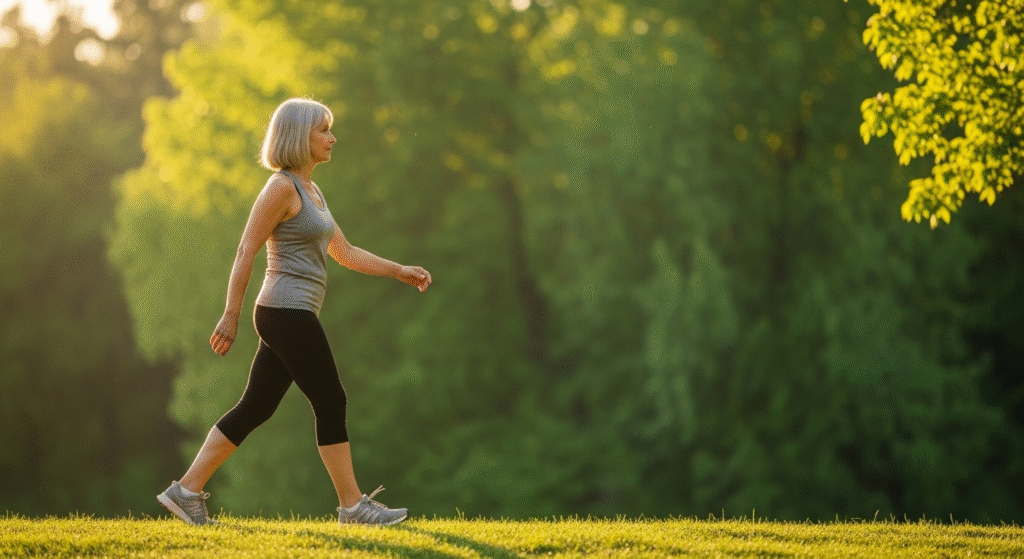
The way you walk determines how much bone-building benefit you receive. Start with your heel-strike technique—land on your heel first, then roll through to your toes, pushing off with force. This deliberate heel strike increases the impact force traveling through your bones, triggering the remodeling response you want.
Your posture transforms an ordinary walk into a full-body bone-strengthening session. Stand tall with your shoulders back and down, not hunched forward.
Engage your core muscles by pulling your belly button toward your spine. Keep your head up, looking forward rather than down at your feet. This alignment ensures the mechanical load distributes properly through your entire skeletal system.
Add variations to challenge different bones. Stairs provide exceptional bone-building benefits because they increase the impact force and work your hip and spine bones more intensely.
Find a park with hills or inclines—walking uphill engages different muscle groups and increases the load on your bones. Speed intervals where you alternate between your normal pace and a faster pace for 30 to 60 seconds create varied stress that bones respond to positively.
Swing your arms vigorously as you walk. This engages your upper body bones and muscles, providing benefits beyond just your legs and hips. The more of your skeleton you activate, the more comprehensive your bone-building results.
The Complete Weekly Walking Plan
Beginner-Friendly Schedule:
If you’re just starting or haven’t exercised regularly, begin conservatively. Week one, walk 15 minutes three days a week at a comfortable pace. Week two, increase to 20 minutes three days. Week three, add a fourth day. Week four, extend your walks to 25 minutes. By week six, you’ll reach the goal of 30 minutes most days of the week.
Listen to your body during this progression. Some muscle soreness is normal, but joint pain or sharp discomfort means you’re progressing too quickly. Scale back and give your body time to adapt.
Intermediate Plan:
For regular walkers ready to maximize bone benefits, structure your week strategically. Monday: 30-minute brisk walk with intervals (alternate 2 minutes brisk, 1 minute faster, repeat). Tuesday: 20 minutes including stairs or hills. Wednesday: 30 minutes steady pace. Thursday: Rest or gentle stretching. Friday: 30-minute brisk walk with intervals. Saturday: 40-minute walk at moderate pace. Sunday: 20 minutes plus balance exercises.
Advanced Strategies:
Once you’ve built a solid walking foundation, consider adding a weighted vest. Start with just 5% of your body weight and gradually increase to 10%. This additional load significantly increases bone-building stimulus. Research shows that postmenopausal women who walked with weighted vests improved bone density in their hips and spine more than those who walked without additional weight.
Resistance bands offer another advancement option. Stop during your walk to perform exercises like lateral band walks, standing leg lifts with band resistance, or overhead presses. These combinations multiply your bone-building benefits.
Beyond Basic Walking: Powerful Additions That Amplify Results

Effective Strength Training Exercises to Pair With Walking
While walking builds bone density in your legs, hips, and spine, adding strength training creates comprehensive bone protection throughout your entire body. Your bones respond powerfully to the stress of lifting weights, and you don’t need heavy barbells to see results.
The Five Most Effective Bone-Building Moves:
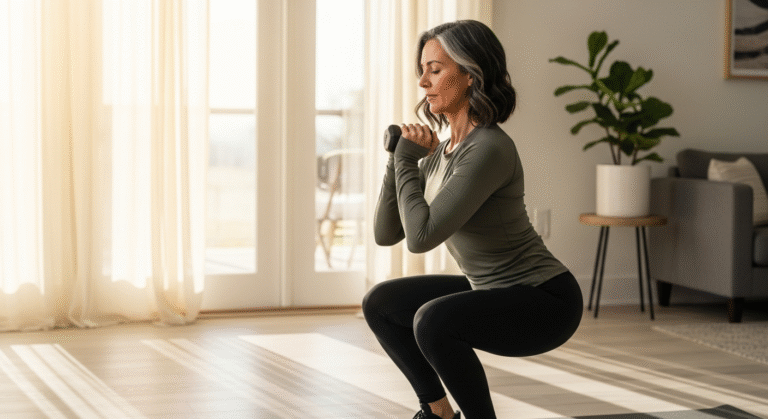
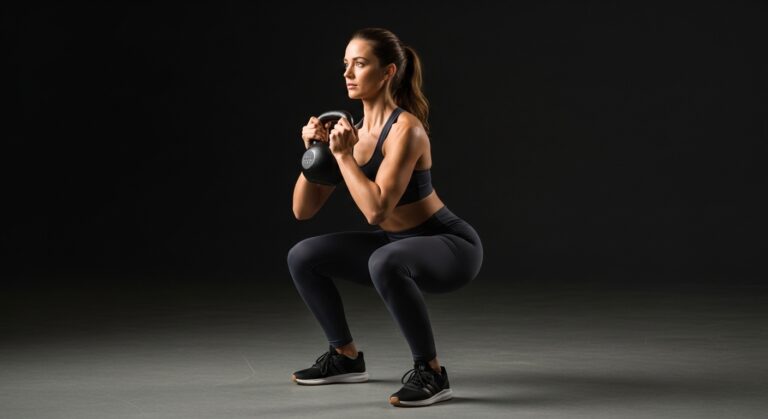
1. Squats: Stand with feet shoulder-width apart, lower your hips back and down as if sitting in a chair, keeping your chest up and knees behind your toes. Squats work your hip bones, spine, and leg bones simultaneously. Start with body weight, then add dumbbells as you get stronger.
2. Overhead Press: Hold light dumbbells at shoulder height, press them straight overhead until your arms are fully extended, then lower with control. This exercise strengthens your shoulder, arm, and upper spine bones while improving posture.
3. Lunges: Step forward with one leg, lowering your hips until both knees bend at 90-degree angles. Push back to starting position and alternate legs. Lunges build bone density in your legs and hips while improving balance.
4. Rows: Lean forward slightly, holding dumbbells with arms extended, then pull the weights toward your chest, squeezing your shoulder blades together. Rows strengthen your spine, shoulders, and arms.
5. Deadlifts: With light dumbbells or kettlebells, hinge at your hips keeping your back straight, lower the weights toward the floor, then stand up by engaging your glutes and hamstrings. This exercise is exceptional for spine and hip bone density.
Perform these exercises two to three times per week on non-consecutive days. Start with one set of 10 to 12 repetitions, gradually building to three sets. Use weights that feel challenging by the last few repetitions but allow you to maintain proper form.
Amazing Balance and Stability Work
Here’s a sobering statistic: one in three adults over 65 falls each year, and falls are the leading cause of fractures in people with low bone density. Balance exercises don’t just build bone—they prevent the falls that break bones.
The beauty of balance training is that you can incorporate it throughout your day. Stand on one leg while brushing your teeth—hold for 30 seconds on each side. This simple daily practice significantly improves balance over time. Progress by closing your eyes once you can stand steady for a minute.
Heel-to-toe walking transforms any hallway into a balance training ground. Walk in a straight line, placing the heel of one foot directly in front of the toes of the other foot with each step. This challenges your balance system and strengthens the stabilizing muscles around your bones.
Stability ball exercises add an element of fun while building bone and confidence. Sitting on a stability ball while watching TV engages your core muscles and improves balance. Try gentle bounces, side-to-side movements, or lifting one foot off the ground while seated on the ball.
Tai chi and yoga offer structured balance training with the added benefit of flexibility and stress reduction. Both practices have been shown in research to reduce fall risk and improve bone density when practiced regularly.
Quick Stretching and Flexibility Routines
Flexible muscles and joints allow you to move safely and maintain the proper form during walking and strength training. Tight muscles pull on bones incorrectly, potentially causing poor posture that compounds bone health issues.
Your post-walk cool-down should include these essential stretches: calf stretches (hold for 30 seconds each leg), hip flexor stretches (kneel on one knee, lean forward gently), hamstring stretches (sit with one leg extended, reach toward your toes), and chest stretches (clasp hands behind your back, lift and squeeze shoulder blades together).
Hold each stretch for 30 seconds without bouncing. You should feel gentle tension, never pain. Breathe deeply and relax into each stretch—tension works against flexibility.
Flexibility work also protects against injury. When your muscles and tendons are supple, they absorb shock better during walking and daily activities, reducing stress on your bones and joints.
Nutrition and Lifestyle Secrets for Optimal Bone Health

The Essential Nutrients Your Bones Crave
Exercise alone won’t build strong bones—you need the right nutritional building blocks. Calcium serves as the primary mineral in bone tissue. Adults over 50 need 1,200 mg of calcium daily. That’s about four servings of calcium-rich foods like dairy products, fortified plant milks, leafy greens, or canned fish with bones.
Vitamin D acts as calcium’s essential partner, helping your body absorb and use calcium effectively. Your body produces vitamin D when skin is exposed to sunlight, but many people over 50 don’t get enough sun exposure or produce vitamin D efficiently. The recommended intake is 800 to 1,000 IU daily, though some people need more based on blood test results.
Protein plays a surprising but crucial role in bone density. Your bones are about 50% protein by volume, and adequate protein intake supports bone formation. Aim for 1 to 1.2 grams of protein per kilogram of body weight daily. That means a 150-pound person needs about 68 to 82 grams of protein daily from sources like lean meats, fish, eggs, legumes, and dairy.
Magnesium, vitamin K, and potassium also support bone health. Magnesium helps convert vitamin D into its active form. Vitamin K directs calcium into bones rather than arteries. Potassium neutralizes acids that would otherwise leach calcium from bones. A varied diet rich in vegetables, fruits, whole grains, and lean proteins provides these nutrients naturally.
Simple Dietary Changes That Make a Big Difference
Transform your bone health with these easy meal ideas: Greek yogurt with berries and almonds for breakfast provides calcium, protein, and magnesium. A spinach salad with grilled salmon for lunch delivers calcium, vitamin D, and vitamin K. Dinner featuring lean chicken, roasted broccoli, and quinoa offers protein, calcium, and magnesium.
Some foods and habits actively work against bone health. Excessive sodium causes calcium loss through urine—limit processed foods and added salt. Too much caffeine (more than three cups of coffee daily) may interfere with calcium absorption. Excessive alcohol consumption impairs bone formation and increases fall risk. Carbonated sodas, especially colas, contain phosphoric acid that may weaken bones when consumed regularly.
Consider supplements strategically. If you struggle to get enough calcium from food, a supplement can help, but don’t exceed 500 mg at one time—your body absorbs calcium best in smaller doses. Take calcium supplements with food for better absorption. Vitamin D supplements make sense for most people over 50, especially during winter months. Consult your doctor about appropriate doses based on your blood levels.
Lifestyle Factors That Support Your Walking Routine
Sleep quality directly impacts bone health. During deep sleep, your body performs most of its bone remodeling work. Adults need seven to nine hours of quality sleep nightly. Poor sleep disrupts the hormones that regulate bone metabolism, potentially accelerating bone loss.
Chronic stress elevates cortisol levels, and prolonged high cortisol interferes with bone formation while increasing bone breakdown. Your walking routine actually combats stress—regular physical activity reduces cortisol and promotes relaxation. Add stress-reduction practices like deep breathing, meditation, or time in nature to maximize benefits.
Speaking of nature, sunshine provides natural vitamin D while fresh air and outdoor environments enhance the mental health benefits of walking. Just 10 to 15 minutes of sun exposure on your arms and legs several times weekly helps maintain vitamin D levels, though you’ll need more in winter or if you live in northern climates.
Stop smoking if you currently smoke—tobacco use significantly accelerates bone loss and increases fracture risk. The good news? Bone health improves after quitting, and it’s never too late to stop.
Your Action Plan for Stronger Bones Starting Today
You now have everything you need to build and maintain strong bones through walking and complementary strategies. Let’s recap the essential points and create your immediate action plan.
Walking delivers proven bone-building benefits when done consistently at the right intensity. The impact of your feet hitting the ground signals your bones to stay strong, triggering the remodeling process that maintains density. Combined with proper nutrition, strength training, and healthy lifestyle habits, walking becomes a powerful tool in your bone health arsenal.
Your Essential First Steps:
Start this week with a realistic walking schedule—aim for 20 to 30 minutes of brisk walking four to five times weekly. Focus on proper heel-strike technique and upright posture. Don’t worry about perfection; consistency matters more than intensity when you’re beginning. Track your walks in a simple journal or phone app to build accountability and see your progress.
Schedule a conversation with your doctor about bone density testing if you haven’t had one recently. Knowing your baseline empowers you to measure improvement and adjust your strategy if needed. Ask about calcium and vitamin D levels too—these blood tests provide valuable information for optimizing your nutrition plan.
Add one strength training session this week. You don’t need a gym—the five exercises outlined earlier work perfectly at home with light dumbbells or even water bottles as weights. Start with just one set of each exercise, focusing on learning proper form.
The Complete Picture:
Remember that bone health is multifaceted. Your walking routine forms the foundation, but the structure becomes strongest when you add strength training two to three times weekly, eat calcium and protein-rich foods daily, ensure adequate vitamin D intake, practice balance exercises, and maintain healthy lifestyle habits.
Think of your bone health strategy as a three-legged stool: exercise, nutrition, and lifestyle. Remove any leg and the stool becomes unstable. Keep all three strong and you create a stable foundation for lifelong bone health.
Your Motivation:
Here’s the most encouraging news: it’s never too late to start improving your bone density. Research consistently shows that bones respond to exercise at any age. Women in their 60s, 70s, and even 80s have increased bone density through consistent walking and strength training programs.
Every step you take is an investment in your future mobility and independence. Strong bones mean reduced fracture risk, which translates to continued ability to do the activities you love. You’re not just preventing problems—you’re actively building a stronger, more resilient body.
The path to stronger bones doesn’t require dramatic lifestyle overhauls or expensive interventions. It starts with a simple decision to lace up your walking shoes and step outside. Your bones are waiting to respond to the positive stress you’re about to give them.
Start today. Take that first walk. Your 70, 80, and 90-year-old self will thank you for the strong, healthy bones that allow you to live life fully and independently. You’ve got this—now get walking!