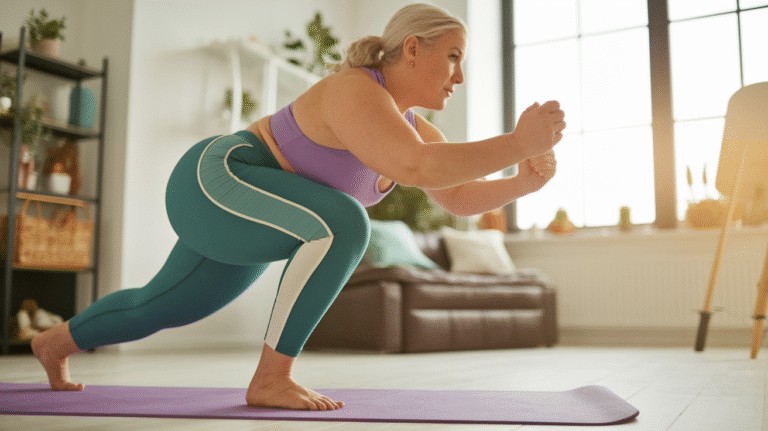
Kegel Exercises for Women Over 40 | Pelvic Floor
Let’s talk about something that doesn’t get nearly enough attention: your pelvic floor. I know, I know—it’s not exactly cocktail party conversation.
But here’s the thing: if you’re over 40, strengthening these muscles can dramatically improve your quality of life in ways you might not expect.
Whether you’ve noticed some bladder leakage when you laugh or sneeze, or you simply want to stay ahead of potential problems, Kegel exercises are one of the most effective (and completely free) tools you have. The best part? You can do them anywhere, anytime, and nobody will know.
This isn’t about perfection or complicated fitness routines. It’s about taking a few minutes each day to invest in your health and confidence. And trust me, your future self will thank you.
Why Your Pelvic Floor Needs Extra Attention After 40
The Natural Changes Your Body Experiences
Your body goes through significant changes after 40, and your pelvic floor muscles are right in the middle of it all. During perimenopause and menopause, declining estrogen levels directly affect muscle tone throughout your body—including those essential pelvic floor muscles. Estrogen helps maintain muscle strength and elasticity, so when those levels drop, your pelvic floor naturally becomes weaker.
But hormones aren’t the only factor. Ageing itself causes muscles to lose strength and flexibility. Think about it: your pelvic floor has been working 24/7 for decades, supporting your bladder, uterus, and bowel.
If you’ve had children, those muscles stretched significantly during pregnancy and childbirth. Even if you haven’t, years of daily activities—lifting, coughing, exercising, even just standing upright—have placed continuous stress on these muscles.
The cumulative effect is real. Research shows that pelvic floor dysfunction increases with age, affecting up to 50% of women over 50. That’s not a small number, and it’s not something you should just accept as inevitable.
The Hidden Impact on Your Quality of Life
Here’s what many women don’t realize: a weakened pelvic floor affects far more than just bladder control. Yes, stress incontinence—that frustrating leak when you laugh, cough, or jump—is common. But the impact goes deeper.
You might find yourself planning your day around bathroom locations. You might avoid certain exercises or social activities because you’re worried about accidents.
Some women even experience pelvic organ prolapse, where the bladder, uterus, or rectum drops from its normal position. Statistics show this affects up to 50% of women over 50 who have given birth.
Changes in intimate health matter too. Weakened pelvic floor muscles can reduce sensation and control, affecting your confidence and comfort. These aren’t just physical issues—they impact your emotional well-being, your relationships, and how you move through the world.
Why Prevention is Easier Than Treatment
Here’s the good news: you have the power to prevent or significantly reduce these problems right now. Starting Kegel exercises before issues become severe is far more effective than trying to fix major problems later.
Think of it like maintaining your car. Regular oil changes prevent engine damage. Similarly, regular pelvic floor exercises maintain muscle strength and prevent serious dysfunction. Studies consistently show that women who practice Kegels regularly experience fewer bladder control issues, lower prolapse rates, and better overall pelvic health.
The statistics on neglected pelvic floor health are sobering. Women who don’t address pelvic floor weakness often face more invasive treatments later—medications, pessaries, or even surgery. Meanwhile, research demonstrates that consistent Kegel exercises can reduce incontinence episodes by up to 70% in some women. That’s a proven, powerful intervention that costs nothing and has zero side effects.
The Amazing Benefits You’ll Experience (And Why They’re Worth It)
Improved Bladder Control and Confidence
Let’s start with the benefit most women care about first: better bladder control. When you strengthen your pelvic floor muscles, you gain better control over your bladder. That means saying goodbye to those embarrassing leaks during exercise, laughing fits, or sneezing attacks.
You’ll notice you have better urge control too. Instead of feeling like you need to rush to the bathroom immediately, you’ll have more time to get there comfortably. Many women also report fewer nighttime bathroom trips, which means better sleep and more energy during the day.
The confidence boost is real. You’ll stop planning your wardrobe around potential accidents. You’ll return to activities you’ve been avoiding—trampoline parks with your grandkids, high-intensity workouts, long road trips without constant bathroom stops. You’ll laugh freely without that split-second worry in the back of your mind.
Enhanced Core Stability and Posture
Your pelvic floor isn’t working alone—it’s an essential part of your core muscle system. These muscles work together with your deep abdominal muscles and back muscles to stabilize your entire torso. When your pelvic floor is strong, your entire core functions better.
This connection means you’ll experience reduced lower back pain. Many women over 40 struggle with chronic back discomfort, and a weak pelvic floor often contributes to this problem. Strengthening these muscles provides better support for your spine and pelvis.
You’ll also notice improved balance and stability. This becomes increasingly important as we age, reducing fall risk and helping you move more confidently. Better posture follows naturally when your core is properly supported from the bottom up. You’ll stand taller, move more efficiently, and feel stronger in everyday activities.
Positive Changes in Intimate Health
This benefit deserves honest discussion. A strong pelvic floor contributes to increased sensation and better muscle control during intimate moments. Many women report improved confidence and comfort, which positively affects their relationships and overall well-being.
The connection between physical strength and emotional confidence is powerful here. When you feel in control of your body, when you’re not worried about bladder issues or discomfort, you can relax and be present. That mind-body connection enhances your overall intimate health and quality of life.
Prevention of Pelvic Organ Prolapse
Pelvic organ prolapse sounds scary, and honestly, it can be. But here’s the empowering part: effective Kegel exercises significantly reduce your risk. By strengthening the muscles that support your bladder, uterus, and rectum, you’re providing natural, internal support for these organs.
Think of your pelvic floor as a hammock that holds everything in place. When that hammock is strong and taut, it does its job perfectly. When it’s weak and stretched out, things can shift and drop. Regular Kegel exercises keep that hammock strong, providing long-term protection for your pelvic health and helping you avoid more serious interventions down the road.
The Complete Beginner’s Guide: How to Do Kegels Correctly

Finding Your Pelvic Floor Muscles (The Easy Way)
Before you can strengthen your pelvic floor, you need to know exactly which muscles we’re talking about. The simplest way to identify them is the “stop the flow” technique. Next time you’re urinating, try to stop the flow midstream. The muscles you use to do this are your pelvic floor muscles. (Important note: only do this once or twice to identify the muscles—don’t make it a regular practice, as it can interfere with complete bladder emptying.)
If you need another method, try this visualization: imagine you’re trying to stop yourself from passing gas. The muscles you squeeze are part of your pelvic floor. Or picture pulling a marble into your vagina and lifting it upward. That lifting, squeezing sensation is what you’re aiming for.
Here’s what you should NOT feel: you shouldn’t be tightening your buttocks, thighs, or abdomen. Your breathing should continue normally. If you’re holding your breath or feeling tension in your legs or stomach, you’re using the wrong muscles. This is a common mistake, so don’t worry if it takes a few tries to get it right.
Perfect Technique Step-by-Step
Now that you’ve found the right muscles, let’s nail down the technique. Here’s your step-by-step guide to the basic Kegel exercise:
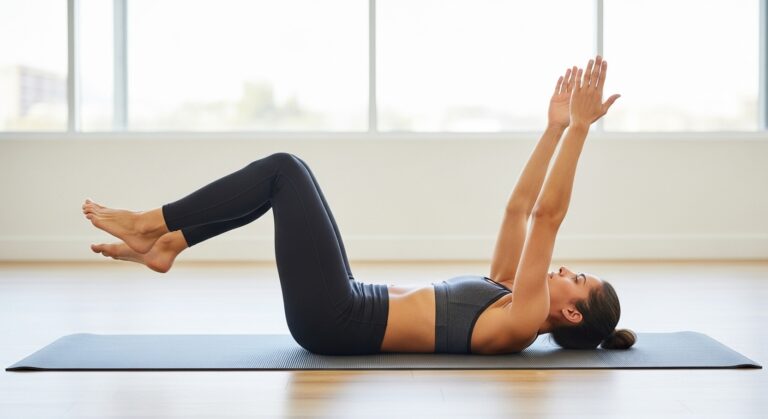
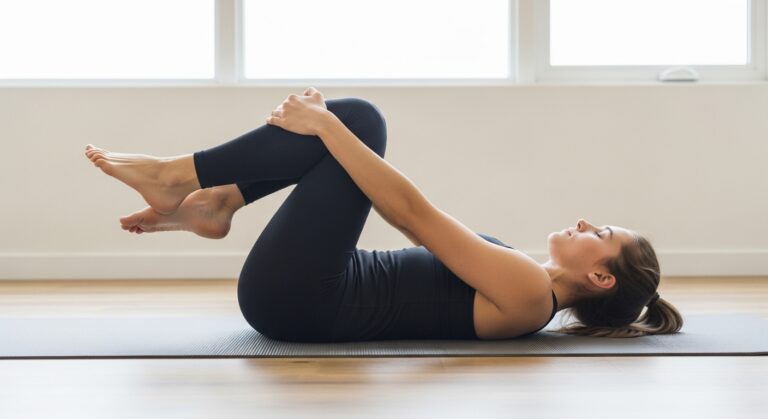
Step 1: Get comfortable. You can do Kegels lying down, sitting, or standing. When you’re first learning, lying down might be easiest.
Step 2: Squeeze your pelvic floor muscles. Pull them up and in, as if you’re lifting something internally. You should feel a tightening sensation.
Step 3: Hold the squeeze for 3-5 seconds when you’re starting out. Keep breathing normally—don’t hold your breath!
Step 4: Relax completely for 3-5 seconds. This rest period is just as important as the squeeze. Your muscles need time to recover between contractions.
Step 5: Repeat this sequence 10 times. That’s one set.
The key is quality over quantity. One properly performed Kegel is worth more than ten half-hearted attempts. Focus on really feeling that lift and squeeze, then completely letting go during the rest period.
Avoiding Common Beginner Mistakes
Let’s talk about what NOT to do, because these mistakes can actually make things worse:
Don’t hold your breath. Keep breathing naturally throughout the exercise. Holding your breath creates downward pressure that works against what you’re trying to accomplish.
Don’t tighten your stomach, buttocks, or thighs. If you’re feeling tension in these areas, you’re compensating with the wrong muscles. Relax everything except your pelvic floor.
Don’t push down instead of lifting up. This is a critical mistake. The movement should feel like you’re lifting something internally, not bearing down. Pushing down can actually weaken your pelvic floor over time.
Don’t skip the rest periods. Relaxing completely between contractions is essential. Your muscles need recovery time to build strength effectively.
If you’re struggling to get the technique right, don’t get discouraged. Research shows that 40% of women can’t perform Kegels correctly based on written instructions alone. If you’re having trouble, consider consulting a pelvic floor physical therapist for personalized guidance.
Your Simple Daily Routine: Making Kegels a Lasting Habit

The Essential Starting Schedule
Start where you are, not where you think you should be. Begin with 10 repetitions, three times daily. That’s just three short sessions throughout your day—morning, afternoon, and evening. Each session takes only about two minutes.
For the first week or two, hold each squeeze for 3-5 seconds. As this becomes easier, gradually increase your hold time. Work up to 10 seconds per squeeze over the course of several weeks. There’s no rush here. Building muscle strength takes time, and slow, steady progress prevents burnout.
Once you’re comfortable with 10-second holds, you can also add variety. Try doing some quick contractions—squeeze and release rapidly for a count of 10. These “quick flicks” work the fast-twitch muscle fibers, while the longer holds target slow-twitch fibers. Both are important for complete pelvic floor strength.
Quick Tricks to Remember Your Exercises
The biggest challenge with Kegels isn’t the difficulty—it’s remembering to do them consistently. Here’s where habit stacking comes in handy. Anchor your Kegel exercises to activities you already do every day:
Morning routine: Do a set while brushing your teeth. Two minutes of brushing, two minutes of Kegels—perfect timing.
Commute time: Practice Kegels at every red light or stop sign. If you’re on public transportation, nobody will know what you’re doing.
Work breaks: Set a reminder for mid-morning and mid-afternoon. Do a quick set at your desk.
Evening routine: Do Kegels during your favorite TV show. Pick a specific show and make it your “Kegel time.”
Before bed: Make it part of your nighttime routine, right after washing your face or taking your vitamins.
Phone reminders work too, but be strategic. Set them for times when you’re likely to be in a position to actually do the exercises. A reminder that goes off during your busiest work meeting won’t help.
Consider keeping a simple tracking system. Mark an X on your calendar each day you complete your exercises, or use a habit-tracking app. Seeing your streak build is incredibly motivating.
When to Expect Results (And How to Stay Motivated)
Let’s set realistic expectations: you won’t see dramatic changes overnight. Most women notice initial improvements within 4-6 weeks of consistent practice. Some women see results sooner, others take a bit longer. Everyone’s starting point is different.
Watch for these early wins that signal progress: you might notice you can hold the contraction a bit longer, or the squeeze feels stronger. You might make it through a workout without leakage, or laugh without that split-second worry. These small victories matter—they’re proof your efforts are working.
If you’re not seeing progress after 8-12 weeks of consistent practice, don’t give up. This might mean you need to adjust your technique or get professional guidance. A pelvic floor physical therapist can assess whether you’re performing the exercises correctly and identify any other factors affecting your progress.
Stay motivated by focusing on why you started. Keep a journal noting any improvements, no matter how small. Connect with other women who are doing Kegels—the accountability and shared experience help tremendously.
Advanced Variations for Continued Progress
Once you’ve mastered the basic Kegel and have been practicing consistently for several months, you can add variations to continue challenging your muscles:
Quick flicks plus long holds: Alternate between 10 quick squeezes and 10 long holds (10 seconds each) in the same session. This comprehensive approach works all muscle fiber types.
Resistance training: Kegel weights or vaginal cones add resistance, making your muscles work harder. Start with the lightest weight and progress gradually. These devices are inserted vaginally, and you contract your pelvic floor to hold them in place.
Position changes: Once you’re comfortable doing Kegels lying down or sitting, practice them standing. This position works against gravity, making the exercise more challenging.
Functional integration: Practice engaging your pelvic floor before you cough, sneeze, or lift something heavy. This “knack” technique protects against stress incontinence during daily activities.
Combination exercises: Integrate Kegels with other exercises like squats, bridges, or planks. Engage your pelvic floor as you perform these movements for maximum effectiveness and better overall core strength.
Conclusion
Your pelvic floor health matters more than ever after 40, but here’s the empowering truth: it’s never too late to start strengthening these essential muscles. The changes your body experiences with age are real, but they’re not something you have to simply accept and live with.
Kegel exercises offer proven, effective benefits that extend far beyond bladder control. We’re talking about improved core stability, better posture, reduced back pain, enhanced intimate health, and significant protection against pelvic organ prolapse. These benefits directly impact your confidence, your daily activities, and your overall quality of life.
The technique is simple once you get the hang of it. You can do Kegels anywhere—at your desk, in your car, watching TV, standing in line at the grocery store. Nobody knows you’re doing them except you. They require just minutes daily, no special equipment, and no gym membership.
Consistency is your secret weapon here. Start with an easy routine—10 repetitions, three times daily—and build gradually. Anchor your exercises to existing habits so you don’t forget. Track your progress and celebrate small wins. Most importantly, give yourself time. Real, lasting strength takes weeks to build, but the investment pays dividends for years to come.
If you’re struggling with technique or not seeing results after a couple of months, reach out to a pelvic floor physical therapist. These specialists can provide personalized guidance and ensure you’re on the right track.
Ready to get started? Do your first set of Kegels right now. Seriously—right this moment. Squeeze, hold for 3-5 seconds, and release. Repeat 10 times. There—you’ve just taken the first step toward stronger pelvic floor health. Set a reminder on your phone for two more sessions today, and you’re officially on your way.
Your pelvic floor has supported you for decades. Now it’s time to support it back. You’ve got this.