fit body goals for women over 40
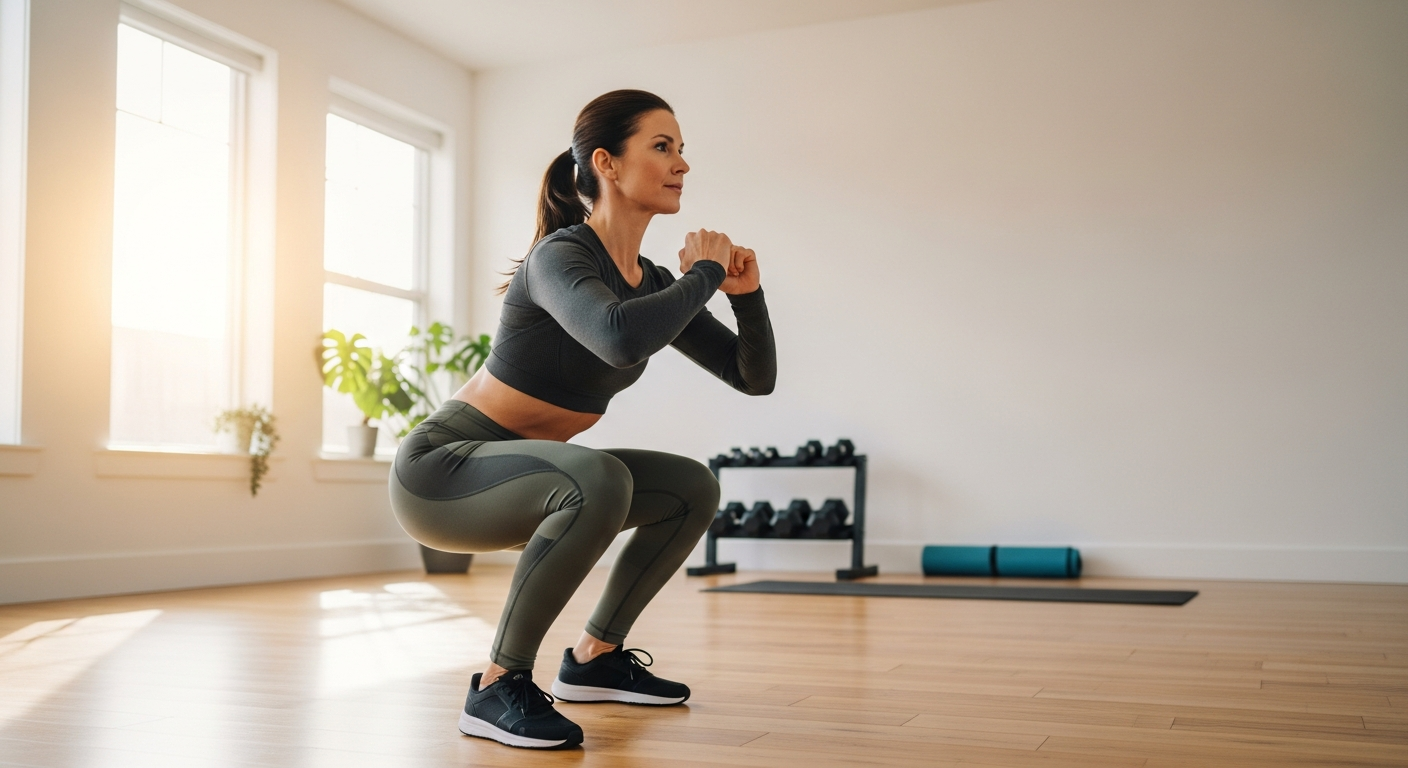
Remember when you thought 40 was “old”? I sure did. Then I hit 42, looked in the mirror after my third failed attempt at a workout plan designed for 20-somethings, and had a revelation: I wasn’t failing fitness—I was following the wrong damn blueprint.
Here’s the truth nobody tells you: Your body HAS changed after 40. Your metabolism isn’t what it was. Your hormones are doing things that would baffle your younger self.
That stubborn belly fat? It’s not just about willpower anymore. But here’s the plot twist that changed everything for me and the hundreds of women I’ve coached: This isn’t a problem. It’s just different information that requires a different strategy.
The fitness industry sells you the same cookie-cutter plans regardless of age, then acts shocked when they don’t work for women navigating perimenopause, raising teenagers, managing careers, and dealing with bodies that respond differently than they did a decade ago. You’re not broken. The advice is.
This article isn’t about recapturing your 25-year-old body. It’s about achieving something better: a strong, energetic, confident body that serves you powerfully in this season of life.
I’m talking about science-backed, time-efficient strategies that fit into real life—no 2-hour gym sessions, no extreme diets, no bullshit promises. Just proven approaches that work WITH your changing physiology, not against it.
If you’ve got 30 minutes a day and you’re ready to stop spinning your wheels, you’re in the right place.
Why Your Body Goals Should Change After 40 (And Why That’s Actually Good News)

The Hormonal Shift: Understanding What’s Really Happening
Let’s address the elephant in the room: Perimenopause and menopause fundamentally alter your body’s operating system. Starting in your late 30s or early 40s, estrogen and progesterone levels begin their rollercoaster decline. This isn’t just about hot flashes and mood swings.
Research from the Journal of Clinical Endocrinology shows that declining estrogen directly impacts muscle protein synthesis, making it harder to build and maintain muscle mass.
Your resting metabolic rate drops by approximately 2-4% per decade after 40, which translates to burning 50-100 fewer calories daily just from existing.
Fat distribution shifts—suddenly your midsection becomes the preferred storage facility, even if you’ve never struggled with belly fat before.
Here’s what I wish someone had told me when I was doing endless cardio and eating 1,200 calories: The strategies that worked in your 20s and 30s won’t work now. In fact, they’ll backfire. Excessive cardio without adequate strength training accelerates muscle loss.
Severe calorie restriction tanks your already-slowing metabolism even further. The harder you push using outdated methods, the more your body fights back.
The silver lining? You’re wiser now. You’re more focused. You’ve developed discipline from managing life, careers, and families. You’re better equipped to succeed with the RIGHT approach than you ever were at 25. You just need the correct blueprint.
Redefining “Fit” for This Season of Life
I’m going to be blunt: If your only goal is to look like you did at 25, you’re setting yourself up for disappointment and missing the point entirely. This isn’t defeatist—it’s liberating.
Real fitness after 40 means shifting from aesthetic-only goals to functional strength and metabolic health. It means prioritizing bone density (critical as estrogen declines), maintaining muscle mass (your metabolic insurance policy), and building a body that feels powerful, not just one that looks a certain way in photos.
The transformation from “skinny” to strong and sculpted is where the magic happens. I’ve watched countless women trade their scale obsession for strength benchmarks—celebrating their first unassisted pull-up, their bodyweight deadlift, their ability to hike without knee pain. These victories matter more than any number on a scale.
The Proven Benefits You Can Expect
When you train appropriately for your 40+ body, the benefits extend far beyond appearance. Research consistently demonstrates that resistance training reduces osteoporosis risk by 15-20% in postmenopausal women. You’re literally building stronger bones with every weighted squat.
The metabolic benefits are equally compelling. Building just 3-5 pounds of lean muscle increases your resting metabolic rate by 50-100 calories daily. That’s passive calorie burn while you’re sitting at your desk or sleeping. You’ll sleep better—studies show regular strength training improves sleep quality by up to 40% in women over 40. Your mood stabilizes. Mental clarity sharpens. Energy rebounds.
And yes, you’ll transform physically. But it’ll be a transformation INTO your most powerful self, not a regression to your younger body.
Setting Realistic (But Powerful) Fit Body Goals

Goal #1: Build and Maintain Lean Muscle Mass
Muscle is your metabolic secret weapon after 40, and losing it is not inevitable—it’s optional. After 40, women lose approximately 3-8% of muscle mass per decade without intervention. With proper training, you can not only stop this loss but actually gain muscle.
Your realistic target: Maintain your current muscle mass at minimum, ideally gain 3-7 pounds of lean muscle over 6-12 months while simultaneously losing fat. This isn’t about getting “bulky” (you won’t—you lack the testosterone). It’s about sculpting a toned, defined physique that burns calories efficiently.
What this looks like in real life: Clothes fitting better even if the scale doesn’t move much. Visible muscle definition in your arms and legs. Improved posture from a stronger core and back. The ability to carry all the groceries in one trip without strain.
Time frame expectations: You’ll feel stronger within 2-3 weeks. You’ll see visible changes in 6-8 weeks. Significant transformation happens in 3-6 months of consistent training. Anyone promising faster results is selling snake oil.
Goal #2: Achieve a Healthy Body Composition (Not Just a Number on the Scale)
The scale is a liar after 40. I’ve seen women lose two dress sizes while the scale barely budges because they’re building muscle while losing fat. Muscle is denser than fat—it takes up less space but weighs more.
Focus on body fat percentage instead of total weight. Realistic healthy ranges for women over 40: 23-28% for athletic builds, 28-32% for average fitness levels, up to 35% if you’re just starting. These ranges support hormonal health while allowing for sustainable fat loss.
How to measure progress beyond the scale: Take weekly photos in the same lighting, same time of day, same outfit. Measure your waist, hips, arms, and thighs monthly. Track how your clothes fit—that “tight” pair of jeans is a better metric than any scale. Monitor your energy levels, sleep quality, and how you feel moving through your day.
I stopped weighing myself daily two years ago. Instead, I track my deadlift numbers and how my favorite jeans fit. My stress levels dropped immediately, and my results improved.
Goal #3: Develop Functional Strength for Everyday Life
Functional fitness means your body can handle real life without pain, limitation, or fear of injury. It’s carrying groceries up stairs without getting winded. Playing with grandkids without your back going out. Maintaining independence well into your later decades.
Key strength benchmarks to work toward: 10 bodyweight squats with proper form (full depth, knees tracking over toes). 5-10 push-ups from your toes (or 15-20 from your knees). A 30-60 second plank hold. These aren’t arbitrary—they indicate sufficient strength for daily activities and injury prevention.
The confidence that comes from feeling physically capable cannot be overstated. When you know your body is strong and reliable, you move through the world differently. You say yes to activities you’d previously avoided. You feel less fragile and more powerful.
Goal #4: Improve Flexibility and Mobility
That stiffness creeping into your hips, shoulders, and lower back? It’s not an inevitable part of aging—it’s a consequence of modern sedentary life and can be reversed.
Realistic mobility goals: Touch your toes with straight legs within 6-12 weeks of consistent stretching. Achieve full range of motion in your shoulder joints (arms overhead without arching your back). Perform a deep squat where your hips drop below knee level. Reduce or eliminate chronic pain in common problem areas.
Why this matters: Improved mobility prevents injury during exercise and daily life. It reduces chronic pain that many women accept as “normal” after 40. It maintains your quality of life and independence as you age.
The Most Effective Workout Strategy for Women Over 40

Strength Training: Your Non-Negotiable Foundation
If you take only one thing from this article, make it this: Lifting weights is THE game-changer for women over 40. Not cardio. Not yoga. Not walking. Strength training.
Let me bust the biggest myth right now: “I don’t want to get bulky.” You won’t. You physiologically cannot build massive muscles without testosterone levels you don’t have, decades of dedicated training, and a specialized diet. What you WILL build is lean, defined muscle that sculpts your body and revs your metabolism.
The proven protocol: 2-4 strength sessions per week, 30-45 minutes each. Focus on compound movements that work multiple muscle groups: squats (all variations), deadlifts (conventional, Romanian, single-leg), presses (chest, shoulder, overhead), and rows (bent-over, seated, inverted). These movements give you maximum results for your time investment.
Home workout alternatives work perfectly: Bodyweight exercises (squats, lunges, push-ups, planks), resistance bands (incredibly effective and under $20), and a set of dumbbells (10-25 lbs to start). You don’t need a gym membership to build a powerful body.
Progressive overload made simple: Each week, aim to do slightly more than last week. Add one more rep. Increase weight by 2.5-5 pounds. Perform an extra set. Your body adapts to stress by getting stronger—but only if you consistently challenge it with gradually increasing demands.
Sample beginner strength workout (full-body, 3x per week): – Goblet squats: 3 sets of 10-12 reps, 60 seconds rest – Push-ups (from knees if needed): 3 sets of 8-12 reps, 60 seconds rest – Dumbbell Romanian deadlifts: 3 sets of 10-12 reps, 60 seconds rest – Dumbbell rows: 3 sets of 10-12 reps per arm, 60 seconds rest – Plank: 3 sets of 20-40 seconds, 60 seconds rest
Cardio That Actually Works (Without Destroying Your Joints)
Here’s the truth about cardio after 40: Less is more. Excessive steady-state cardio accelerates muscle loss, increases cortisol (stress hormone that promotes belly fat storage), and beats up your joints.
Best cardio options: Brisk walking (30-45 minutes, 3-4x weekly), cycling (low-impact, joint-friendly), swimming (zero-impact, full-body), rowing (builds strength while providing cardio), and modified HIIT (high-intensity intervals with longer recovery periods).
Recommended frequency: 2-3 cardio sessions per week, 20-30 minutes each. This provides cardiovascular benefits without interfering with muscle building and recovery.
Why HIIT needs modification after 40: Traditional HIIT (30 seconds all-out, 30 seconds rest) can be too demanding on your joints and recovery capacity. Instead, try 20 seconds moderate-high intensity, 40-60 seconds recovery. You’ll get similar metabolic benefits with dramatically lower injury risk.
Recovery and Mobility Work: The Secret Weapon
Your recovery capacity decreases after 40. This isn’t weakness—it’s physiology. You need MORE recovery time, not less, to see results.
Essential practices: Dynamic stretching before workouts (leg swings, arm circles, hip openers). Static stretching after workouts (hold each stretch 30-60 seconds). Foam rolling 2-3x weekly (targets muscle adhesions and improves blood flow). Yoga or dedicated mobility work 1-2x weekly. And crucially: 1-2 complete rest days per week where you do nothing intense.
Sample weekly schedule balancing all elements: – Monday: Strength training (full-body) – Tuesday: 30-minute walk + stretching – Wednesday: Strength training (full-body) – Thursday: Rest or gentle yoga – Friday: Strength training (full-body) – Saturday: 20-minute cardio intervals + mobility work – Sunday: Complete rest or leisurely walk
Listen to your body: Muscle soreness 24-48 hours after training is normal. Sharp pain during exercise is not—stop immediately. Persistent fatigue despite rest signals overtraining.
Time-Efficient Workouts for Busy Lives
You don’t need hours at the gym. You need 30 focused minutes using the right exercises. The 30-minute solution: Full-body circuit training that alternates between upper body, lower body, and core exercises with minimal rest between movements.
Example 30-minute circuit (repeat 3-4 times): – Squats: 12 reps – Push-ups: 10 reps – Lunges: 10 reps per leg – Dumbbell rows: 12 reps per arm – Plank: 30 seconds – Rest: 60-90 seconds, then repeat
Home workout strategies: Keep dumbbells visible in your living room. Set a specific time daily (morning before family wakes up works for many women). Use workout apps or YouTube videos for guidance and accountability. Remember: Something is always better than nothing. A 15-minute workout beats skipping entirely.
Nutrition Strategies That Fuel Your Transformation

Protein: Your Most Powerful Ally
Here’s what shocked me when I finally got serious about protein: My body composition changed more from increasing protein than from any other single change. Research shows protein needs INCREASE after 40, not decrease, because aging bodies are less efficient at utilizing protein for muscle building.
Target: 0.8-1g of protein per pound of your goal body weight. If you want to weigh 140 pounds, aim for 112-140g daily. This sounds like a lot because it is—and most women over 40 are chronically under-eating protein.
Best sources: Lean meats (chicken, turkey, lean beef), fish (salmon, tuna, cod), eggs (whole eggs are fine), Greek yogurt (20g protein per cup), cottage cheese, legumes, and yes, protein powder if you need the convenience.
How to hit your targets: Aim for 25-35g protein per meal across 3-4 meals. That’s a palm-sized portion of meat, a cup of Greek yogurt, or a 2-scoop protein shake. Distribute protein throughout the day—your body can only utilize about 25-40g per meal for muscle building.
Timing matters: Consume protein within 2 hours post-workout for optimal muscle recovery. Include protein at breakfast to control hunger and stabilize blood sugar all day.
The Metabolic Reset: What to Eat (and What to Limit)
Forget extreme restriction. After 40, severe calorie cutting tanks your metabolism, increases muscle loss, and triggers hormonal chaos. Instead, focus on whole, nutrient-dense foods that support your transformation.
Build meals around: Lean proteins (see above), non-starchy vegetables (fill half your plate), fruits (2-3 servings daily), healthy fats (avocado, nuts, olive oil, fatty fish), and complex carbohydrates (sweet potatoes, quinoa, oats, brown rice).
The 80/20 approach: Eat nutrient-dense whole foods 80% of the time. The other 20%? Live your life. Have the birthday cake. Enjoy the wine. Sustainability beats perfection every time.
Foods that support hormone balance: Cruciferous vegetables (broccoli, cauliflower, Brussels sprouts) help metabolize estrogen. Omega-3 fatty acids reduce inflammation. Fiber (25-30g daily) supports gut health and hormone regulation.
Hydration: Aim for half your body weight in ounces daily. A 150-pound woman needs 75 ounces. Dehydration impairs fat metabolism, reduces energy, and triggers false hunger signals.
Managing Cravings and Emotional Eating
Cravings intensify during hormonal fluctuations—this isn’t a character flaw. Declining estrogen affects serotonin and dopamine, increasing cravings for sugar and refined carbs that temporarily boost these feel-good neurotransmitters.
Practical strategies: Eat sufficient protein and fat to stabilize blood sugar. When cravings hit, wait 10 minutes while drinking water—many cravings pass. Keep trigger foods out of the house (you can’t eat what’s not there). Plan treats intentionally rather than eating impulsively.
The role of sleep and stress: Poor sleep increases ghrelin (hunger hormone) by 15% and decreases leptin (satiety hormone) by 15%. Chronic stress elevates cortisol, promoting belly fat storage and sugar cravings. Prioritize 7-9 hours of sleep and stress management practices (meditation, walking, journaling).
Building sustainable habits: Focus on adding beneficial behaviors (eating protein at breakfast, walking 10 minutes daily) rather than restricting. Positive additions naturally crowd out negative patterns without requiring willpower.
Supplements Worth Considering
Most supplements are unnecessary if you eat well, but a few can fill genuine gaps for women over 40.
Vitamin D: 70% of women over 40 are deficient. Vitamin D supports bone health, immune function, and mood. Target: 2,000-4,000 IU daily, especially if you live in northern climates.
Omega-3 fatty acids: Reduce inflammation, support heart health, and may improve insulin sensitivity. Target: 1,000-2,000mg combined EPA/DHA daily from fish oil or algae-based supplements.
Magnesium: Supports sleep quality, muscle recovery, and bone health. Target: 300-400mg daily, preferably magnesium glycinate.
Protein powder: Not necessary, but incredibly convenient for hitting protein targets. Whey protein is most effective for muscle building; plant-based options work if you’re dairy-free.
What to discuss with your doctor: Vitamin D levels (request a blood test), thyroid function if you’re experiencing unexplained fatigue or weight gain, and whether you need calcium supplementation.
What’s NOT worth your money: Fat burners, detox teas, metabolism boosters, and anything promising rapid results. Save your money.
Overcoming the Biggest Obstacles Women Over 40 Face

“I Don’t Have Time”
Let me be brutally honest: You have time. You’re choosing to spend it elsewhere. I’m not judging—I spent years making this excuse while scrolling social media for 45 minutes nightly. But let’s be real about priorities.
Time-blocking strategies: Schedule workouts like doctor appointments—non-negotiable calendar blocks. Wake up 30 minutes earlier (yes, it’s hard initially; yes, you’ll adjust). Use lunch breaks for 20-minute strength circuits. Exercise while watching TV (bodyweight circuits during your favorite show).
The 30-minute minimum: You can achieve remarkable results with just 30 minutes of focused training 3-4x weekly. That’s 2 hours weekly—less time than you spend on social media in a day.
Combining activities: Walk during phone calls. Do workout “dates” with friends instead of coffee dates. Include kids in your exercise (they can do bodyweight exercises alongside you).
The truth? Finding time means making time. It means saying no to other things. It means accepting that this matters enough to prioritize. Once you commit, you’ll wonder how you ever lived without this time for yourself.
“I’m Too Tired”
The paradox: Exercise gives you MORE energy, not less. I know you don’t believe me when you’re exhausted at 3 PM, but it’s physiologically true. Regular exercise improves mitochondrial function (your cells’ energy factories), enhances sleep quality, and stabilizes blood sugar—all increasing daily energy.
Starting small: If 30 minutes feels impossible, start with 10-minute movement breaks. Walk around the block. Do 5 squats every hour. Build momentum gradually.