
Beginner workout plan to build a habit

Most people quit their workout routine within three weeks. Not because they lack discipline—but because their plan was designed by someone who forgot what being a beginner feels like. You don’t need a perfect program; you need a plan that fits your actual life and builds momentum instead of crushing it.
This guide walks you through exactly how to start exercising in a way that rewires your brain to crave the gym, not dread it. You’ll learn the minimum effective dose of training that actually sticks, the optimal frequency that prevents burnout, and the specific habit-stacking strategies that turn “I should work out” into “I’m going to work out”—because it’s what you do now.
By the end, you’ll have a concrete plan you can start tomorrow, realistic expectations for when results show up, and the mindset shifts that separate people who “try” fitness from people who become fit.
In This Article
Why Most Beginner Workout Plans Set You Up to Quit

You’ve probably seen them: 12-week transformation programs, 5-day-a-week splits, or those “scientifically optimized” routines that promise results if you just commit hard enough. The irony is that these plans are often *too* scientifically optimized—for someone who already has a training habit, not for someone building one from scratch.
Here’s what the research on habit formation actually tells us: the initial phase isn’t about stimulus or volume. It’s about *consistency and low friction*. A 2019 study in the European Journal of Social Psychology found that habit automaticity—where you stop thinking about whether to exercise and just do it—takes an average of 66 days. But that timeline only works if the behavior is simple enough to repeat without willpower depletion.
Most beginner plans fail because they demand too much too soon. You’re asked to commit to hour-long sessions, complex exercise sequences, or five days weekly when your brain is still in the “this is optional” phase. The result? You hit week three or four, life gets busy, you miss a session, and the guilt is easier to live with than the friction of restarting. The plan wasn’t too hard physically—it was too hard *logistically and psychologically*.
The second killer is invisibility of progress. Beginners often don’t feel stronger or see changes for 4-6 weeks, even when doing everything right. A plan that doesn’t explicitly track small wins—like “you completed 8 workouts in a row” or “you added one extra rep”—leaves you chasing a goal line that won’t appear for weeks. Your brain needs feedback loops to keep going, especially when the external results are still invisible.
The third mistake is treating “beginner” as a physical limitation rather than a *behavioral* one. Your muscles might be capable of more than your schedule or motivation can sustain. The real constraint isn’t your body—it’s your ability to show up consistently while building other life habits simultaneously.
The 10-Minute Workout Threshold: Your Minimum Effective Dose

Here’s what research on habit formation actually tells us: the barrier to starting is higher than the barrier to continuing. A 2009 study in the European Journal of Social Psychology found that people need an average of 66 days for a behavior to become automatic—but only if they actually show up. The problem with most beginner plans isn’t that they’re too short; it’s that they’re too ambitious, which kills consistency before the habit even forms.
Ten minutes is your minimum effective dose. Not because ten minutes builds significant muscle or burns massive calories—it doesn’t. But because ten minutes is the psychological threshold where your brain stops negotiating. When you tell yourself “I’ll just do 10 minutes,” resistance collapses. You’re not asking your tired self to commit to an hour; you’re asking for one-sixth of that. That’s doable on days when motivation is zero and life is chaos.
The science here is about neuromuscular adaptation and movement quality over volume. A 10-minute session of compound movements—think 3 sets of squats, push-ups, or rows with full recovery between sets—creates the stimulus your body needs to build the neural pathways that make strength training work. You’re not leaving gains on the table; you’re building the foundation that allows you to add volume later without injury or burnout.
The common mistake is thinking “if 10 minutes works, 45 minutes is better.” Wrong. A beginner who does 10 focused minutes four times a week for three months will be stronger and more consistent than someone who does 60 minutes twice a week for the same period. The second person will likely quit by week 6. Consistency beats intensity when you’re building a habit.
Your 10 minutes should be intentional: a warm-up (2 minutes), a main movement (6 minutes), a finisher (2 minutes). Nothing fancy. Nothing that requires a gym. This is the container that keeps you in the game long enough for the habit to stick and for your body to actually adapt.
The 2-4 Day Sweet Spot: Optimal Beginner Frequency
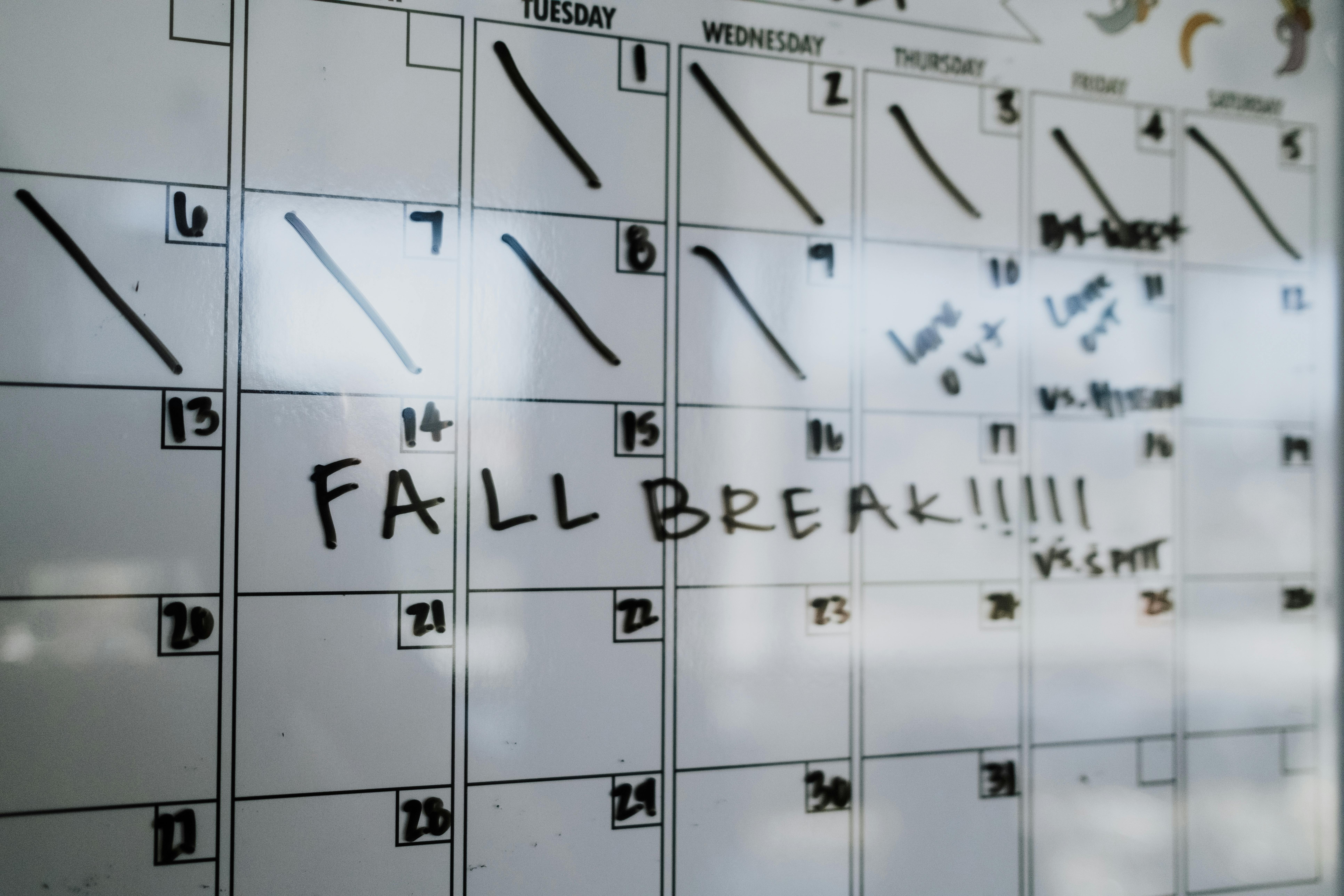
Here’s what the research actually says: beginners who work out 2-4 days per week build habits faster and stick longer than those doing either one session or six. This isn’t a coincidence—it’s physiology meeting psychology.
One workout per week simply isn’t enough stimulus for your nervous system to recognize the pattern as “something I do.” Your brain needs repetition to automate behavior.
But more than four days weekly as a beginner typically leads to one of two failure modes: either you get injured from accumulated fatigue (your connective tissue adapts slower than muscle), or you burn out because the habit hasn’t solidified enough to feel rewarding yet. You’re still in the “this feels like work” phase, and adding more work before that shifts is a recipe for quitting by week six.
The sweet spot lands at 3 days per week for most beginners. This frequency gives you enough consistency that your body adapts, your schedule learns to expect it, and you start feeling the mood-boost and energy benefits that make workouts self-reinforcing. Two days works if your life is genuinely chaotic—it’s better than zero—but you’ll need extra intentionality to make it stick. Four days is excellent if you’ve already built a baseline habit and want to accelerate progress.
A common mistake: spacing your workouts randomly. Monday, then Wednesday, then Saturday creates confusion in your nervous system. Instead, pick a consistent schedule: Monday-Wednesday-Friday, or Tuesday-Thursday-Saturday. Your brain doesn’t just remember the workout—it remembers the pattern. That predictability is what eventually makes showing up feel automatic instead of optional.
One more thing: rest days aren’t wasted time. They’re when adaptation happens. Your muscles actually get stronger during recovery, not during the workout itself. Beginners often feel guilty about rest, but skipping it is the fastest way to plateau or get injured. The workout creates the stimulus; the rest day delivers the result.
3 Proven Beginner Programs (Choose Your Path)
Here’s the truth: the “best” workout plan is the one you’ll actually do. But that doesn’t mean all beginner programs are created equal. The three I’m about to show you work because they’re built on the same principle—they deliver measurable results without requiring gym equipment, CrossFit membership, or a degree in exercise science. Pick based on your current situation, not what sounds impressive.
Program 1: The Bodyweight Foundation (No Equipment)
This is your play-it-safe option, and I mean that as a compliment. You’ll alternate between upper body and lower body sessions using only your bodyweight: push-ups, squats, lunges, and planks. Three sets of 8–12 reps per movement, 3 days per week, with 60–90 seconds rest between sets.
The magic here is simplicity—there’s nothing to troubleshoot except your form. Most beginners see noticeable strength gains in 4–6 weeks because they’re actually recovering and progressing instead of overcomplicating things. Common mistake: doing push-ups with your hips sagging. Keep your core tight by imagining a straight line from your head to your heels.
Program 2: The Dumbbell Density Builder (Minimal Equipment)
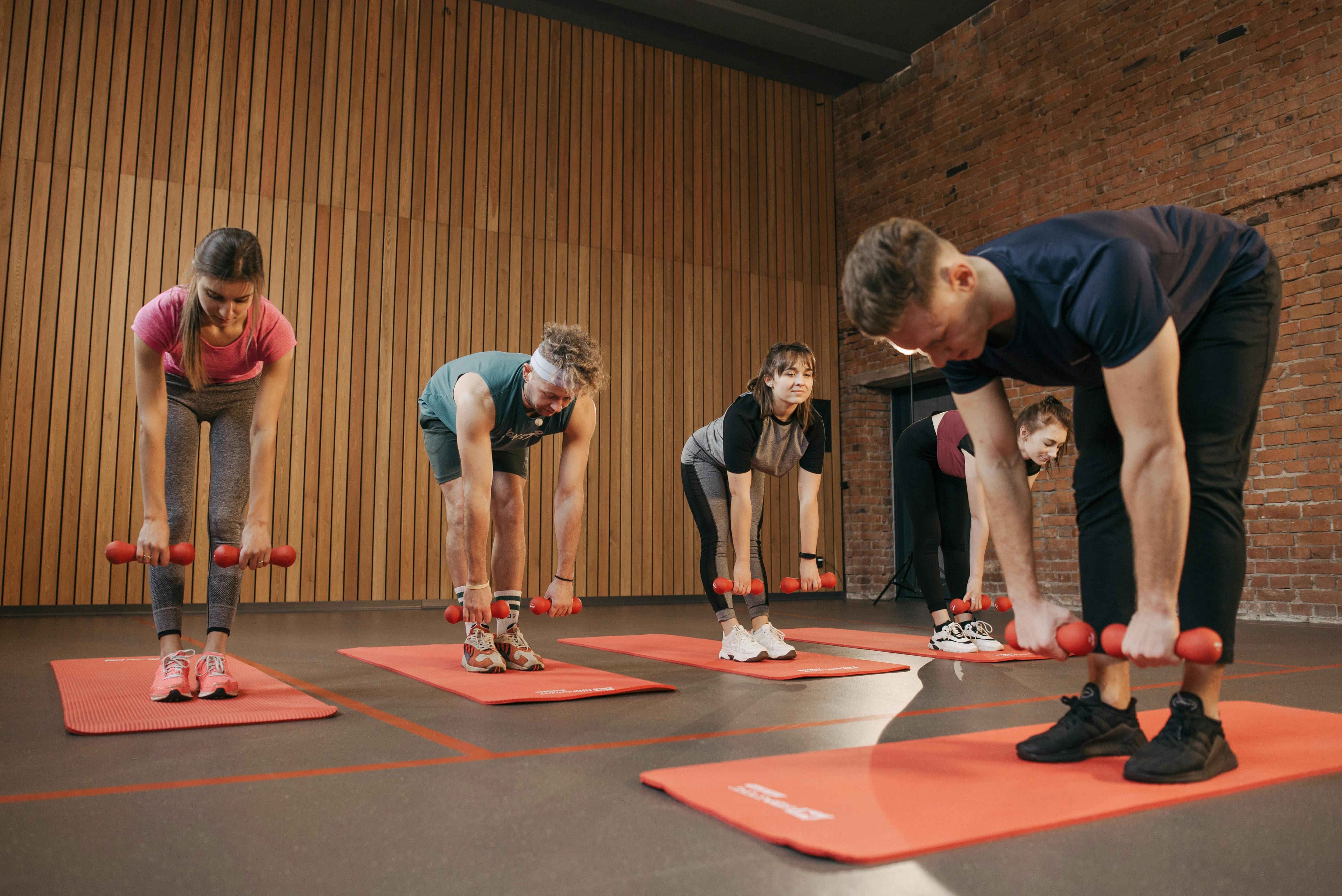
If you have access to one pair of adjustable dumbbells, this program accelerates results. You’ll perform full-body circuits twice per week: dumbbell squats, rows, chest presses, and deadlifts in one session.
The difference is density—you’re doing more work in the same timeframe, which research shows drives muscle adaptation faster than traditional sets and reps. Aim for 4 rounds of 10 reps each movement with minimal rest (2–3 minutes between rounds). You’ll feel more challenged, and that’s the point.
Program 3: The Hybrid Approach (Mix of Both)
Combine bodyweight and dumbbells across 4 days: two bodyweight sessions focusing on movement quality, two dumbbell sessions for strength. This gives you variety, which reduces mental fatigue and keeps motivation high during those critical first 8 weeks. It’s also the most forgiving if you miss a session—you have more opportunities to stay on track.
Start with whichever aligns with your current environment and equipment. You can always switch later. What matters now is committing to one and getting reps in.
The Habit-Stacking Blueprint for Workouts

Here’s the uncomfortable truth: willpower is finite. You wake up with a full tank, but every decision—what to eat, what to wear, whether to check email—drains it. By evening, that motivation to “just get to the gym” has evaporated. This is why habit stacking works. Instead of relying on motivation, you anchor your workout to an existing behavior you already do automatically.
The formula is simple: After [current habit], I will [new workout habit]. After your morning coffee, before you sit down to work. After you change out of work clothes, before you scroll your phone. After dinner, before you turn on the TV. The key is specificity—vague intentions like “I’ll work out sometime today” fail because they require decision-making energy you don’t have. A specific time and trigger remove that friction.
The science here is solid. Research on habit formation shows that pairing a new behavior with an existing cue reduces the cognitive load required to execute it. Your brain stops asking “should I work out?” and starts asking “what comes after coffee?” The workout becomes part of the sequence, not a separate decision.
Start by identifying three anchor points in your day where a 10-15 minute workout could fit. Don’t pick the “perfect” time—pick the realistic time. If you’re not a morning person, stop telling yourself you’ll work out at 6 AM. It won’t stick. Instead, stack your workout after lunch, or immediately after work, or right after dinner. The best workout time is the one you’ll actually do.
Here’s the mistake most people make: they try to stack a full, complicated workout. That’s setting yourself up for friction. In this phase, your anchor habit should be your 10-minute program from earlier. One simple, repeatable sequence. Once that feels automatic—usually 3-4 weeks of consistent stacking—then you can extend duration or add complexity. Right now, the goal is to make the behavior feel inevitable, not impressive.
How to Progress Without Burning Out

Here’s where most beginners sabotage themselves: they build a habit, feel momentum, then immediately jump to advanced programming. They add weight too fast, double their volume, or follow an athlete’s program designed for someone with years of training behind them. Three weeks later, they’re exhausted, sore, demotivated, and back on the couch.
Progression isn’t about doing more—it’s about doing slightly more in a way your body can adapt to. Research on training adaptation shows that small, consistent increases in stimulus (what we call progressive overload) trigger muscle growth and strength gains without triggering the nervous system fatigue that leads to burnout. Your goal in the first 8-12 weeks isn’t to get shredded; it’s to prove to yourself that you can follow through.
Here’s the practical framework: every 2-3 weeks, make one small change. Add one extra rep per set. Reduce rest between sets by 15 seconds. Increase weight by 5 pounds on one exercise. That’s it. Not all three. One change per cycle. This approach keeps your brain engaged (you’re still progressing) without overwhelming your recovery capacity.
The common mistake is confusing soreness with progress. Yes, you’ll be sore starting out—that’s normal. But if you’re so sore you can’t move, or so fatigued you dread the next session, you’ve progressed too aggressively. Soreness should be mild to moderate and fade by day three. If it doesn’t, you’ve pushed too hard.
Track your workouts in a simple note or app. Write down what you did, how many reps, and how it felt. This removes the guesswork from progression. You’ll see exactly where you can add a rep or five pounds next time—and you’ll have concrete evidence that you’re getting stronger. That evidence is what keeps the habit alive when motivation fades.
Burnout isn’t inevitable. It’s the result of impatience. Respect the process, and the results will come.
Your Next Steps

Building a workout habit isn’t about finding the perfect program or mustering unlimited willpower. It’s about removing friction, starting small enough that you actually show up, and trusting the compounding effect of consistency over months. The research is clear: people who stick with fitness don’t do so because they love burpees or found some magical routine.
They stick because they built a system that fits their life, started with a realistic commitment (10 minutes, 2–4 days per week), and gave themselves permission to progress gradually instead of chasing rapid results that lead to burnout. Your nervous system needs time to adapt. Your joints need time to strengthen. Your brain needs time to rewire the habit loop. Rushing this process is the fastest way back to the couch.
The good news: you don’t need six months to know if this is working. Within 3–4 weeks of consistent workouts, you’ll notice sleep improves, energy stabilizes, and the workout itself becomes less of a mental battle. That’s the habit taking root. Within 8–12 weeks, strength gains become visible, clothes fit differently, and you’ve built enough momentum that skipping a session actually feels wrong. That’s when you know it’s real.
Here’s your next step: Pick one program from the three we outlined (bodyweight, dumbbell, or hybrid), choose your 2–4 training days, and stack that first workout to an existing daily habit—right after your morning coffee, before your shower, or during your lunch break. Don’t wait for motivation or the “perfect time.”
Schedule it like an appointment with yourself. Do the first workout this week, even if it’s just 10 minutes. You don’t need to be ready. Ready is a feeling that comes after you’ve already started. The only thing standing between you and a real fitness habit is showing up once. Everything else follows from there.
Pin this for later