yoga outfits women over 50
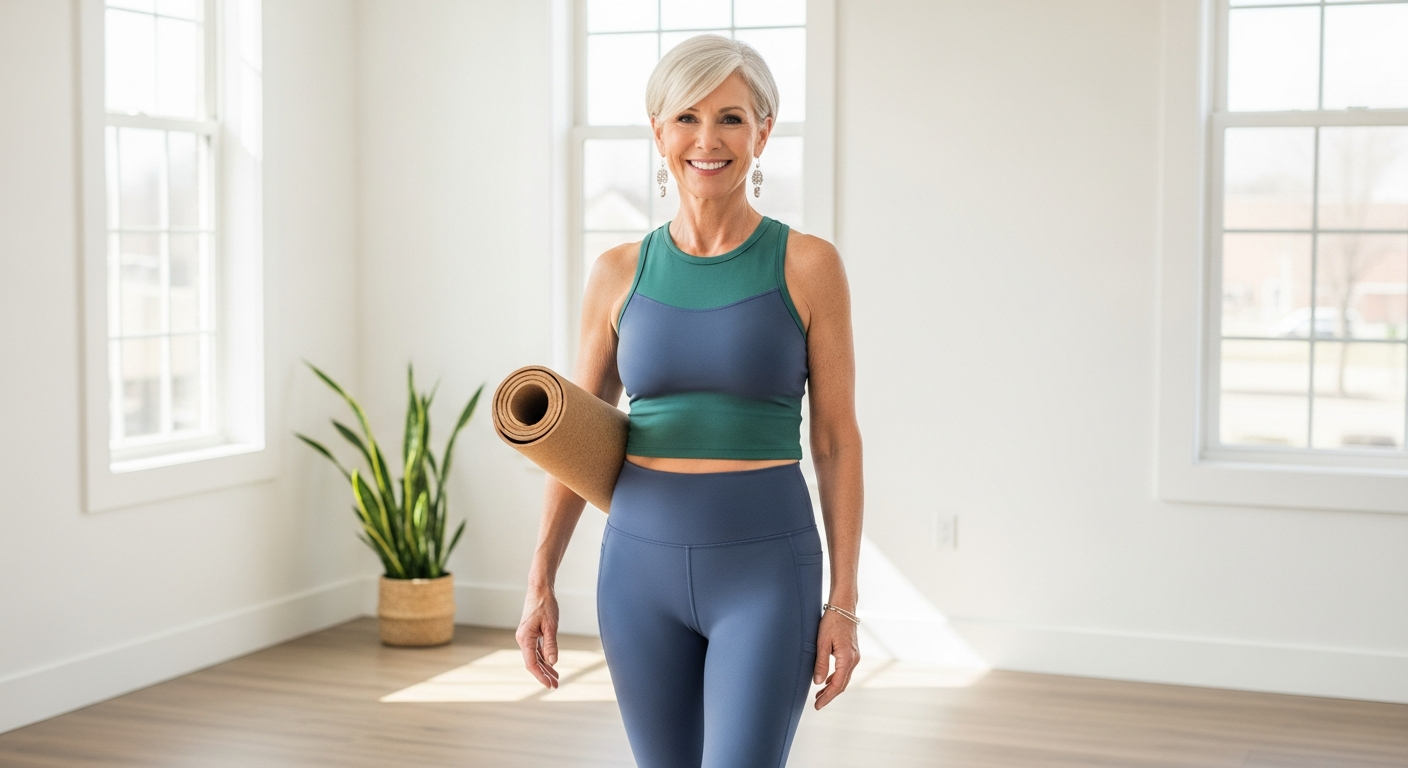
You’ve shown up to yoga class for years, but lately something’s shifted. The outfits that worked in your thirties feel too revealing. The trendy pieces your instructor wears don’t translate to your body.
And walking into a studio full of twenty-somethings in barely-there crop tops makes you wonder if there’s a dress code you missed.
Here’s what nobody tells you: the activewear industry designs for bodies that don’t exist yet. But women over 50 need workout clothes that actually work for movement, support real bodies, and look polished enough to wear beyond the mat. You deserve outfits that make you feel confident, not self-conscious.
The good news? You don’t have to choose between coverage and style. Brands finally recognize that the fastest-growing segment of yoga practitioners is women over 50, and they’re responding with pieces that blend modern aesthetics with age-appropriate design. Let’s break down exactly what works, what doesn’t, and how to build a yoga wardrobe that feels authentically you.
Workout Clothes For Women Over 50: What Really Works

The biggest mistake women make when shopping for workout clothes for women over 50 is buying based on trend instead of function. That viral legging everyone’s posting about? It’s probably designed for a 25-year-old influencer doing photoshoots, not a real practice.
Prioritizing Support and Coverage Without Sacrificing Style
Support means different things at different ages. After 50, your body needs workout clothes that offer genuine compression without feeling restrictive.
Look for high-waisted leggings with a minimum 3-inch waistband. This isn’t about hiding anything; it’s about preventing the constant tugging that breaks your focus during practice.
Coverage doesn’t mean frumpy. The sweet spot is opaque fabric that doesn’t go sheer in downward dog, paired with tops that stay put during inversions.
Test this before buying: bend over in the dressing room. If you can see your underwear through the fabric or your top rides up past your ribs, keep looking.
Brands like Athleta and Beyond Yoga specifically design workout clothes for women over 50 with longer torso lengths and strategic seam placement. Their “Elation” line uses four-way stretch that holds its shape through multiple washes, something cheaper alternatives can’t match.
Fabric Technology That Makes a Difference
Not all moisture-wicking fabrics perform equally. The standard polyester-spandex blend works for light movement, but hot yoga or power vinyasa demands more. Look for fabrics with at least 15% spandex for recovery and shape retention.
Here’s what the fabric content label should show for serious practice: 73-80% nylon or polyester for structure and durability, 15-20% spandex or elastane for stretch and recovery, and 5-7% Lycra for compression without constriction.
Bamboo blends sound eco-friendly, but they lose elasticity faster than synthetic blends. If you practice three times weekly, synthetic fabrics will outlast natural fibers by 18-24 months. That’s not an opinion; it’s what the textile durability studies show.
The fabric should pass the squat test and the transparency test. Squat deeply while wearing the leggings. If they slide down, gap at the waist, or go sheer across your backside, they’ll only get worse with wear.
The Power of Proper Fit at Every Size
Sizing has nothing to do with worth and everything to do with physics. Clothes that fit properly move with you instead of against you. Most women over 50 wear leggings one size too small, thinking compression equals support. It doesn’t.
Proper fit means the waistband sits flat against your skin without digging in, the fabric doesn’t wrinkle behind your knees, and you can move through your full range of motion without restriction. If you’re between sizes, size up. The right fabric will provide compression without strangling you.
Yoga Outfits For Older Women: Age-Appropriate Yet On-Trend

Age-appropriate doesn’t mean outdated. It means choosing yoga outfits for older women that honor where you are now while staying current with modern design. The goal is looking polished and feeling confident, not trying to dress like your daughter.
Balancing Modesty with Modern Aesthetics
Modesty is personal, not universal. For some women, that means full coverage from collarbone to ankle. For others, it’s simply avoiding visible panty lines and excessive cleavage. Define your own comfort zone, then shop within it.
The modern approach to modest yoga outfits for older women uses strategic design instead of excess fabric. Look for tops with built-in shelf bras that eliminate the need for a separate sports bra showing at the neckline. Seek out leggings with flat-lock seams that lie invisible under clothing.
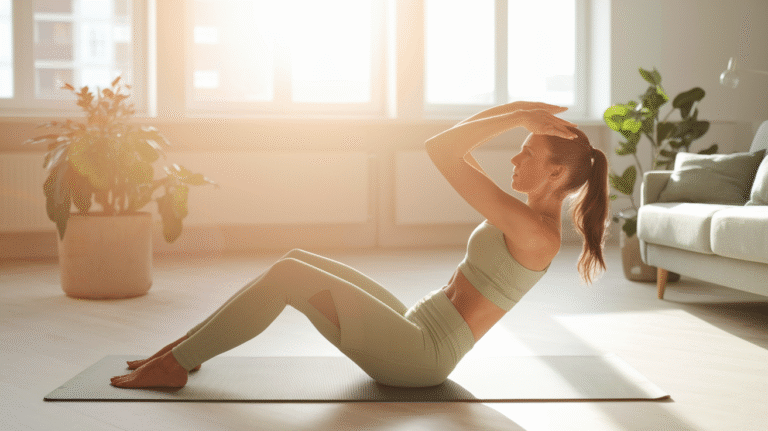
Crop tops aren’t off-limits if you want to wear them, but the high-waisted, longer-length versions (often called “long-line” crops) offer more versatility. They hit right at the natural waist, providing coverage during movement while still looking current. Pair them with high-waisted leggings and you’ve got zero skin showing, but the silhouette stays modern.
Color Palettes That Flatter and Empower
Black isn’t your only option, despite what your current drawer suggests. Rich jewel tones like deep plum, forest green, and navy blue are equally slimming while adding visual interest. These colors photograph better than black and hide less dirt and lint.
Neutrals have expanded beyond basic black and gray. Consider dusty rose or mauve (softer than bright pink, sophisticated), sage green (calming, pairs with everything), warm taupe or mushroom (neutral without looking washed out), and deep burgundy or wine (rich, flattering on most skin tones).
Avoid neon brights and high-contrast patterns near your face if you’re dealing with redness or uneven skin tone. These colors draw attention upward in unflattering ways. Save bold colors for leggings, where they add personality without competing with your complexion.
Pattern Play: What Works After 50
Patterns add visual interest, but scale matters. Tiny prints look busy and dated. Oversized prints can overwhelm petite frames. The sweet spot is medium-scale patterns with some negative space.
Geometric prints (think subtle chevrons or modern abstracts) work better than florals for activewear. They create visual movement that’s forgiving during actual movement. Color-blocked designs offer pattern without busy-ness. A solid panel down the side creates a lengthening effect. Mesh inserts add breathability and visual interest.
What Tops To Wear With Yoga Pants: Perfecting Your Upper Half

Your top choice matters more than your leggings. It’s what people see first, what frames your face during practice, and what determines whether your outfit works beyond the studio. Knowing what tops to wear with yoga pants transforms your entire practice wardrobe.
The Essential Tank Top Collection
Tank tops aren’t created equal. The basic shelf-bra tank works for gentle yoga, but anything more vigorous demands better support. Look for tanks with adjustable straps, built-in bras with actual cups (not just elastic), and longer lengths that won’t ride up.
The racerback style offers more support than straight-across straps, but it can dig into your shoulders if the straps are too narrow. Aim for straps at least 1.5 inches wide. This distributes weight more evenly and prevents the red marks that come from thin elastic.
When considering what tops to wear with yoga pants, invest in at least three quality tanks in neutral colors. You’ll rotate through them multiple times per week, so durability beats trendiness. Lululemon’s “Align” tank and Athleta’s “Conscious Crop” both use fabrics that maintain their shape through 100+ washes.
Layering Pieces That Transition Seamlessly
Layering isn’t just for temperature control. It’s how you make yoga wear work for real life. A well-chosen layer transforms what tops to wear with yoga pants from studio-only to genuinely versatile.
The perfect layering piece has these qualities: lightweight enough to tie around your waist, structured enough to wear as outerwear, and long enough to cover your backside when you’re running errands post-class. Zip-front hoodies check all these boxes.
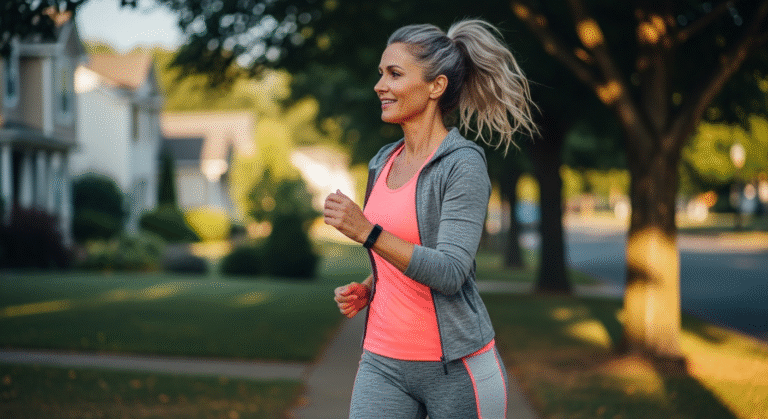
Look for hoodies with thumbholes (keeps sleeves in place during practice), two-way zippers (allows ventilation without full removal), and kangaroo pockets (holds your phone and keys). The fabric should be substantial enough to provide coverage but breathable enough that you don’t overheat.
The Long-Line Tee Revolution
Long-line tees changed the game for women who want more coverage. These tops hit at mid-hip or lower, providing the coverage of a tunic with the mobility of a fitted tee. They’re the answer to what tops to wear with yoga pants when you want zero skin showing.
The best long-line tees have curved hems (not straight across, which adds bulk), side slits for movement, and slightly longer back panels. This design stays put during inversions while allowing full range of motion.
Fabric weight matters here. Too thin and the tee clings unflattering. Too thick and it restricts movement. Look for medium-weight performance knits, usually in the 180-220 GSM range (grams per square meter). This provides structure without stiffness.
The right top makes you forget you’re wearing workout clothes and remember you’re doing the work that matters.
Active Wear Outfits: Beyond the Yoga Studio

Your yoga clothes should work harder than just studio time. Smart active wear outfits transition from practice to life without a full wardrobe change. This isn’t about athleisure as fashion statement; it’s about building a wardrobe that supports an active lifestyle.
Creating a Cohesive Athleisure Wardrobe
Cohesive doesn’t mean matchy-matchy. It means choosing pieces that work together in multiple combinations. Start with a color family and build from there. Every piece should pair with at least three other items in your rotation.
The foundation of versatile active wear outfits includes these core pieces: two pairs of black leggings (one full-length, one 7/8), one pair in a color or pattern you love, three tops in varying styles (tank, tee, long-sleeve), and two layering pieces (hoodie and jacket). This nine-piece foundation creates dozens of outfit combinations.
Quality over quantity saves money long-term. Three excellent pairs of leggings that last three years outperform ten cheap pairs that pill after six washes. Do the math: $90 per year for quality versus $150 per year for constant replacements.
Styling Yoga Wear for Real Life
The secret to making active wear outfits work beyond the studio is adding one non-athletic element. Swap your sneakers for slip-on mules. Layer a denim jacket over your tank. Add a structured tote instead of your gym bag. These small changes signal “put-together” instead of “just left the gym.”
Accessories matter more than you think. A simple pendant necklace, stud earrings, or a sleek watch elevates the entire look. You’re not trying to disguise the fact that you’re wearing workout clothes; you’re showing you chose them intentionally.
Investment Pieces Worth the Splurge
Not everything deserves premium pricing, but some pieces earn their cost through longevity and performance. Invest in items that touch your skin directly and endure frequent washing: leggings, sports bras, and base-layer tops.
A $100 pair of leggings sounds excessive until you calculate cost per wear. If you practice three times weekly for two years, that’s 312 wears, or 32 cents per use. Compare that to a $30 pair that loses elasticity after six months (78 wears, 38 cents each), and the premium option actually costs less.
Save money on layering pieces and accessories. A $40 hoodie from Target performs identically to a $120 designer version if the fabric content is similar. Check the labels, not the logos.
Walking Outfits For Women Workout: Comfort Meets Function

Walking demands different features than yoga. Your walking outfits for women workout need weather protection, visibility elements, and pockets. Lots of pockets. The overlap with yoga wear is significant, but the priorities shift.
The Perfect Pant for Every Activity
Yoga leggings work for walking, but walking pants don’t always work for yoga. The difference is compression and stretch. Walking pants can use less spandex (10-12% instead of 15-20%) because you’re moving in a more limited range of motion.
For outdoor walking, especially in variable weather, look for pants with water-resistant finish (not waterproof, which doesn’t breathe), reflective details for visibility, and zippered pockets that actually secure your phone. Most yoga leggings have decorative pockets that can’t hold anything heavier than a key.
Layering for Outdoor Movement
Outdoor walking requires a layering system, not just a single jacket. The base layer (your top) should wick moisture. The mid-layer (fleece or light insulation) provides warmth. The outer layer (windbreaker or shell) blocks elements.
Most women over-layer, especially in shoulder seasons. You should feel slightly cool for the first 5-10 minutes of your walk. Your body will warm up, and proper layering prevents overheating mid-route. If you’re comfortable standing still, you’ll be too hot within fifteen minutes of movement.
Footwear That Supports Your Practice
Walking shoes and yoga don’t mix. You need separate footwear for each activity. Walking shoes provide cushioning and support that actually interferes with balance work in yoga. Yoga requires barefoot practice or minimal grip socks.
For walking, replace shoes every 300-500 miles regardless of visible wear. The midsole compression happens before you see external damage. If you walk three miles daily, that’s 90 miles monthly, meaning replacement every 3-5 months for serious walkers.
Grip socks for yoga matter more after 50 because balance becomes more challenging. Look for socks with individual toe slots and silicone grips covering at least 60% of the sole. Toesox and Bombas both make versions that stay put through an entire practice without sliding down.
Building Your Capsule: Essential Pieces Every Woman Needs

A capsule wardrobe isn’t about minimalism for its own sake. It’s about eliminating decision fatigue and ensuring everything you own actually works. The right capsule makes getting dressed for practice effortless.
The Core Five: Your Foundation Pieces
Every functional yoga wardrobe starts with these five essentials: one pair of black full-length leggings, one pair of patterned or colored leggings, two tops you can layer (one tank, one tee), and one versatile jacket. This foundation works for 80% of your practice needs.
The black leggings are your workhorses. They hide everything, pair with anything, and work for any style of practice. Spend the most money here. These will see the most wear and need to maintain their quality through countless washes.
The patterned leggings add personality without requiring thought. Choose a pattern with at least two colors that appear in your tops. This creates automatic coordination. If your patterned leggings include navy and pink, you can pair them with solid navy or pink tops without thinking.
Seasonal Additions and Updates
Seasonal additions expand your capsule without bloating it. Summer adds one pair of shorts and a lightweight tank. Winter adds thermal leggings and a long-sleeve base layer. Spring and fall need nothing new; you’re layering pieces you already own.
Update your capsule annually, not constantly. Choose one season (I prefer January for post-holiday sales) to assess what’s worn out and what’s missing. Replace only what’s genuinely needed. This prevents the closet creep that leaves you with 30 pieces you never wear.
Retire pieces based on performance, not appearance. Leggings that have lost compression but look fine are done. Tops with stretched-out necklines need replacing even if the color hasn’t faded. Function trumps aesthetics in activewear.
Quality Over Quantity: Shopping Smarter
Shopping smarter means understanding the difference between a deal and a value. A $20 pair of leggings isn’t a deal if they pill after three washes. A $90 pair that lasts three years is actually the economical choice.
Watch for these red flags when evaluating quality: visible seam puckering (indicates poor construction), thin fabric that shows your underwear even before stretching, loose threads at stress points, and waistbands that roll or fold. These issues only worsen with wear.
The best time to buy premium activewear is during semi-annual sales, typically January and July. Lululemon’s “We Made Too Much” section offers previous season’s colors at 30-50% off. The quality hasn’t changed; just the color availability.
Flattering Fits for Every Body Type

Body type rules are guidelines, not laws. The “right” outfit is whatever makes you feel strong and confident. That said, understanding how different cuts and styles interact with your proportions helps you shop more efficiently.
Understanding Your Shape After 50
Your body at 50 isn’t your body at 30, and that’s not a problem to solve. It’s simply information to use when choosing clothes. Most women over 50 carry more weight in their midsection than they did previously. This is normal, healthy, and completely unrelated to your worth as a person.
High-waisted leggings work for virtually every body type because they define your natural waist instead of cutting across your stomach. The waistband should sit at or just above your belly button. Lower than that and you’re fighting gravity during every forward fold.
If you carry weight in your hips and thighs, darker colors on the bottom with lighter or patterned tops balance your proportions. If your shoulders are broader than your hips, reverse this: patterned leggings with solid darker tops. These aren’t rules; they’re optical tricks that create visual harmony.
Compression matters differently across body types. If you’re smaller-busted, a light compression tank might provide enough support. Larger busts need actual sports bras with individual cups and adjustable straps. The shelf-bra tank won’t cut it for anything beyond gentle stretching.
Petite frames (under 5’4″) should look for 7/8 length leggings instead of full-length. Full-length often bunches at the ankle, creating an unflattering proportion. Taller women (over 5’8″) need to specifically seek out “tall” sizing, which adds 2-3 inches to the inseam.
The most important fit principle: clothes should skim your body, not squeeze it or swallow it. You want enough room to move freely but not so much fabric that it bunches or gapes. This applies regardless of your size or shape.
Your Next Move
Building a yoga wardrobe that actually works comes down to this: buy fewer pieces, choose better quality, and prioritize fit over trends. You don’t need 15 pairs of leggings. You need three excellent pairs that make you feel confident every time you put them on.
Start with one upgrade. Not a complete wardrobe overhaul, just one piece that addresses your biggest frustration. If your current leggings slide down during practice, invest in a high-quality high-waisted pair. If your tops ride up, buy one long-line tee. Make that single change and notice how it affects your practice.
The women who show up consistently to their practice aren’t the ones in the trendiest outfits. They’re the ones who’ve eliminated the friction between intention and action. When you’re not thinking about your clothes, you can focus on your practice. That’s the real goal here.
Take fifteen minutes this week to assess what you currently own. Try everything on. Move in it. Notice what actually works versus what you’re keeping out of guilt or hope. Donate what doesn’t serve you, identify what’s missing, and make a plan to fill those gaps thoughtfully. Your future self, standing on the mat without tugging at her waistband or adjusting her top, will thank you for the effort.