HIIT Workout For Menopause Belly Fat
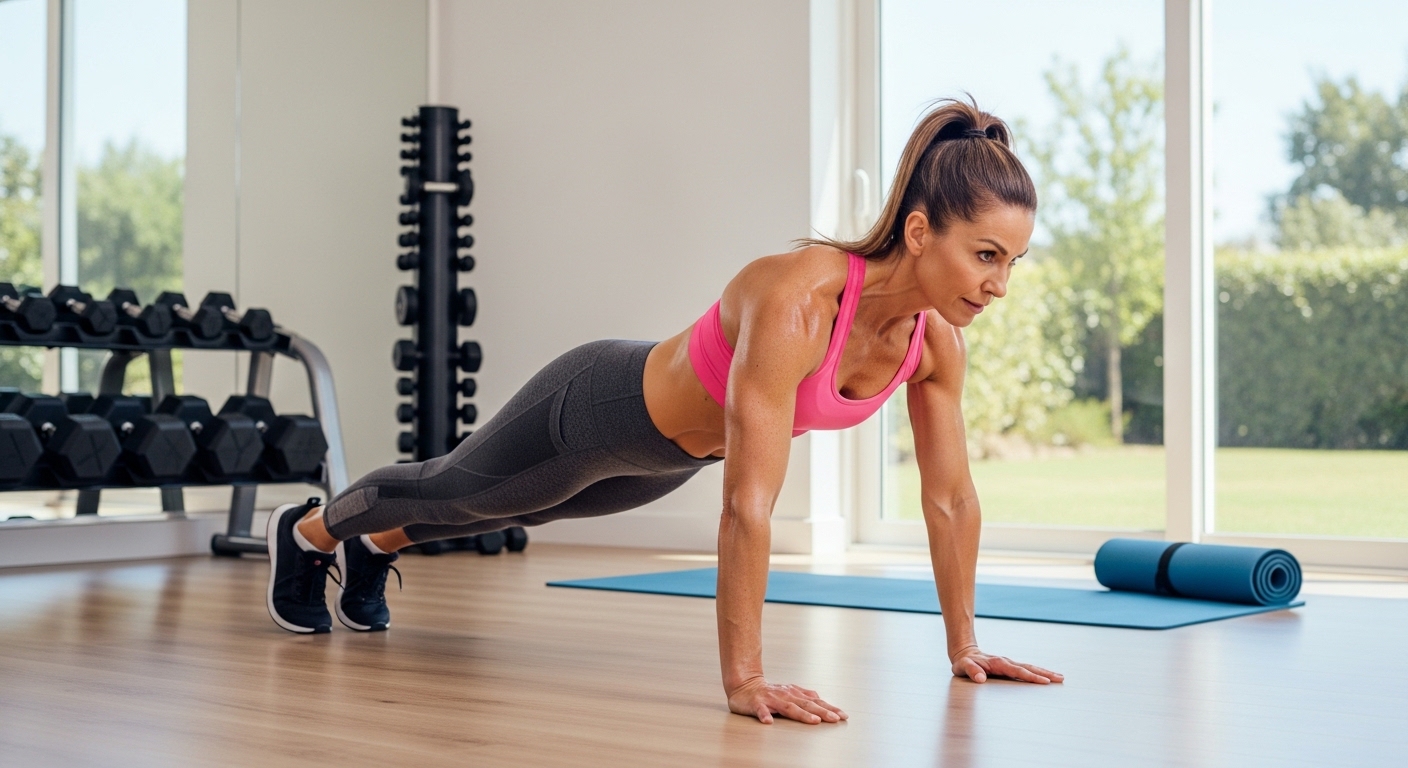
If you’ve noticed your favorite jeans getting tighter around the middle and traditional workouts aren’t working like they used to, you’re not alone—and it’s not your fault.
That stubborn belly fat that seems to appear overnight during menopause is one of the most frustrating challenges women face during this transition.
You might be doing everything “right”—eating healthy, staying active, getting enough sleep—yet that midsection just won’t budge.
Here’s the truth: your body has fundamentally changed, and what worked in your 30s simply won’t cut it anymore. The hormonal shifts happening inside your body are powerful, and they’re redirecting fat storage in ways that feel completely out of your control.
But before you throw in the towel or resign yourself to buying bigger pants, I want you to know something important: there’s a proven workout strategy that works *with* your changing hormones instead of against them.
High-Intensity Interval Training (HIIT) isn’t just another fitness trend—it’s a scientifically-backed approach that specifically targets the metabolic and hormonal changes causing menopausal belly fat.
The best part? You don’t need hours at the gym, expensive equipment, or even high-impact movements that stress your joints. In just 15-20 minutes, three to four times per week, you can start seeing real changes in your body composition, energy levels, and how your clothes fit.
This comprehensive guide will walk you through exactly why menopause makes belly fat so stubborn, how HIIT works to combat it, and give you a complete workout plan you can start today—no matter your current fitness level.
Why Menopause Belly Fat Is Different (And Harder to Lose)
The Hormonal Shift That Changes Everything
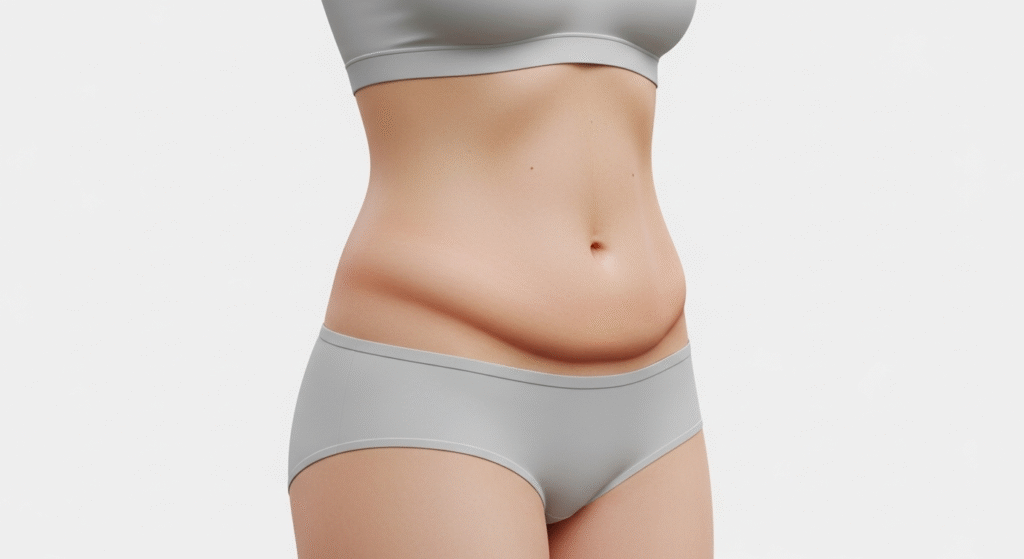
Let’s talk about what’s really happening inside your body during menopause. Estrogen, the hormone that’s been regulating your metabolism and fat distribution for decades, starts declining significantly during perimenopause and menopause. This isn’t a minor adjustment—it’s a dramatic shift that fundamentally changes how your body stores and burns fat.
When estrogen levels drop, your body literally redirects fat storage from your hips, thighs, and buttocks straight to your abdomen. It’s like your body suddenly decided to change its filing system without asking your permission. This abdominal fat isn’t just about aesthetics—it’s visceral fat that wraps around your internal organs, creating health risks that subcutaneous fat (the pinchable kind) doesn’t pose.
But estrogen isn’t working alone here. Cortisol, your stress hormone, becomes even more problematic during menopause. The hormonal fluctuations you’re experiencing create additional stress on your body, triggering higher cortisol production. This hormone specifically promotes belly fat storage as a survival mechanism. When you combine declining estrogen with elevated cortisol, you’ve got a perfect storm for stubborn midsection weight gain.
Here’s what makes this particularly frustrating: the same diet and exercise routine that maintained your weight for years suddenly stops working. Your body’s new hormonal reality requires a completely different approach to fitness and fat loss.
The Metabolism Slowdown Nobody Warned You About
Remember when you could skip a few workouts or indulge in dessert without consequence? Those days are gone, and there’s a scientific reason why. During menopause, your metabolic rate naturally decreases by approximately 200-300 calories per day. That might not sound like much, but over a month, that’s the equivalent of 6,000-9,000 calories—roughly two pounds of potential weight gain if you don’t adjust your habits.
This metabolic slowdown happens because you’re losing muscle mass at an accelerated rate during menopause. Muscle tissue burns significantly more calories than fat tissue, even when you’re sitting on the couch watching Netflix. As your muscle decreases, your body requires fewer calories to function, making weight gain easier and weight loss harder.
The situation gets even more complex with insulin sensitivity changes. Your cells become less responsive to insulin during menopause, meaning your body has a harder time processing carbohydrates efficiently. Instead of using glucose for energy, your body is more likely to store it as fat—particularly around your belly. This insulin resistance creates a frustrating cycle where traditional calorie restriction actually makes things worse by slowing your metabolism even further.
It’s Not Just About Vanity—Your Health Matters
Let’s be clear about something important: this conversation isn’t about fitting into a certain size or meeting some arbitrary beauty standard. The belly fat that accumulates during menopause poses genuine health risks that you need to understand and address.
Visceral fat—the type that gathers around your abdominal organs—is metabolically active in dangerous ways. Unlike the subcutaneous fat you can pinch, visceral fat releases inflammatory compounds and hormones that increase your risk for heart disease, type 2 diabetes, high blood pressure, and certain cancers. Women who carry excess belly fat during menopause face significantly higher cardiovascular risks than those who maintain a healthier waist circumference.
But here’s the empowering truth that changes everything: you have far more control over this situation than you might think. While you can’t stop menopause or reverse hormonal changes, you can absolutely influence how your body responds to them. The right exercise approach—specifically HIIT training—works with your hormonal reality to reduce visceral fat, improve insulin sensitivity, and restore metabolic function. You’re not powerless here, and understanding these mechanisms is your first step toward real change.
What Makes HIIT the Ultimate Workout for Menopause Belly Fat

The Science Behind HIIT and Hormonal Balance
HIIT workouts trigger a powerful hormonal response that directly counteracts the metabolic challenges of menopause. When you perform short bursts of high-intensity exercise, your body naturally increases production of growth hormone—the same hormone that declines dramatically during menopause. This growth hormone boost helps preserve muscle mass, burn fat, and maintain metabolic function in ways that steady-state cardio simply cannot match.
The real magic happens with something called Excess Post-Exercise Oxygen Consumption, or EPOC—more commonly known as the “afterburn effect.” After a HIIT session, your body continues burning calories at an elevated rate for up to 48 hours as it works to recover and restore normal function. This means you’re literally burning belly fat while you sleep, work, or relax on the couch. Research shows that HIIT can burn 25-30% more calories than other forms of exercise, even though the actual workout time is significantly shorter.
Multiple studies specifically examining menopausal women have demonstrated that HIIT is superior to traditional steady-state cardio for reducing abdominal fat. One landmark study found that women who performed HIIT three times per week for 12 weeks lost significantly more belly fat than those doing moderate-intensity continuous exercise for the same duration. The HIIT group also showed improved insulin sensitivity and better cardiovascular markers—all critical factors for menopausal health.
Time-Efficient and Perfect for Busy Lives
Let’s address the elephant in the room: you’re busy. Between work, family responsibilities, social commitments, and just trying to get through the day with fluctuating energy levels and hot flashes, who has time for hour-long gym sessions? This is where HIIT becomes your secret weapon.
Effective HIIT workouts deliver results in just 15-20 minutes, three to four times per week. That’s less time than it takes to watch a sitcom episode. You don’t need a gym membership, fancy equipment, or even much space—just enough room to move your body and the commitment to show up for yourself consistently.
The flexibility of HIIT is particularly valuable during menopause when your energy levels can fluctuate dramatically from day to day. Feeling strong and energized? Push harder during your work intervals. Dealing with fatigue or brain fog? Modify the intensity while still getting an effective workout. HIIT respects your reality while delivering the metabolic benefits you need to combat belly fat.
Building Muscle While Burning Fat
Here’s something that sets HIIT apart from traditional cardio: it preserves and builds lean muscle mass while simultaneously burning fat. This dual benefit is absolutely crucial during menopause when you’re fighting against natural muscle loss that accelerates your metabolic decline.
When you perform strength-based HIIT movements—like squats, lunges, and push-ups in high-intensity intervals—you’re creating micro-tears in your muscle fibers that stimulate growth and strength. This muscle maintenance directly combats the metabolism slowdown by keeping your calorie-burning furnace stoked. Every pound of muscle you maintain or build burns approximately 6-10 calories per day at rest, compared to just 2-3 calories for fat tissue.
The confidence boost that comes with feeling stronger cannot be overstated. Instead of focusing solely on the number on the scale, you’ll notice yourself carrying groceries more easily, playing with grandchildren without getting winded, and moving through daily activities with renewed energy. This functional strength translates into a better quality of life that goes far beyond aesthetics.
Low-Impact Options That Protect Your Joints
Let’s debunk a common misconception right now: HIIT does not mean you have to jump around like a twenty-year-old or risk injury to your joints. While traditional HIIT often includes high-impact movements like burpees and jump squats, there are countless low-impact modifications that deliver the same metabolic benefits without the joint stress.
Low-impact HIIT for women over 40 focuses on exercises that keep at least one foot on the ground at all times while still elevating your heart rate and challenging your muscles. Think fast step-touches instead of jumping jacks, marching with high knees instead of running in place, and squat pulses instead of jump squats. These modifications protect your knees, hips, and back while still creating the intensity needed for the afterburn effect.
This approach is particularly important for bone health during menopause. Weight-bearing exercises help maintain bone density, reducing your risk of osteoporosis. By choosing low-impact HIIT movements, you get the bone-strengthening benefits without the jarring impact that could lead to stress fractures or joint problems. You’re pushing your limits intelligently, not recklessly.
Essential Components of an Effective HIIT Routine for Menopause

The Perfect Work-to-Rest Ratio
Understanding interval timing is crucial for getting results without burning out or risking injury. If you’re new to HIIT or returning to exercise after a break, start with a 30:30 ratio—30 seconds of work followed by 30 seconds of rest. This equal work-to-rest period allows your body to adapt to high-intensity training while giving you adequate recovery between intervals.
As your fitness improves over 4-6 weeks, you can progress to more challenging ratios like 40:20 (40 seconds work, 20 seconds rest) or even 45:15 for advanced exercisers. The key is listening to your body and respecting your current fitness level. There’s no prize for pushing too hard too fast—in fact, that’s the quickest way to get injured or burned out.
Recovery periods are non-negotiable, especially for menopausal women whose bodies need more time to repair and adapt. During rest intervals, keep moving with gentle marching or walking in place rather than stopping completely. This active recovery keeps your heart rate elevated while allowing your muscles to recover enough for the next work interval.
Pay attention to how your body responds on different days. If you’re dealing with poor sleep, high stress, or hormonal fluctuations, it’s perfectly acceptable to extend your rest periods or reduce your work intensity. Consistency matters more than perfection, and sustainable workouts you can maintain long-term will always beat unsustainable intensity that leads to quitting.
Combining Cardio Bursts with Strength Movements
The most effective HIIT workouts for menopause belly fat combine cardiovascular intervals with strength-based movements that target multiple muscle groups simultaneously. This compound approach maximizes calorie burn while building the lean muscle that fights metabolic decline.
Cardio bursts elevate your heart rate quickly and create the metabolic stress that triggers the afterburn effect. Effective options include high knees (or marching for low-impact), step-ups on a sturdy platform, fast feet (quick steps in place), speed skaters (side-to-side lunges), and standing oblique crunches. These movements get your blood pumping without requiring you to leave the ground if you choose low-impact modifications.
Strength movements that specifically target your core and contribute to belly fat reduction include planks (on knees if needed), mountain climbers (walking them out for low-impact), squats with overhead reaches, standing wood chops, and reverse lunges with torso twists. These exercises engage your abdominal muscles while working your legs, glutes, and upper body—giving you maximum bang for your workout buck.
The beauty of combining these movement types is that you’re never bored, you’re working your entire body, and you’re creating the perfect metabolic environment for fat burning. One interval might be cardio-focused while the next targets strength, keeping your body guessing and your mind engaged.
Proper Warm-Up and Cool-Down (Non-Negotiable!)
Skipping your warm-up might save you five minutes, but it significantly increases your injury risk and reduces workout effectiveness. During menopause, when your joints may be stiffer and your body needs more preparation time, warming up becomes even more critical.
A proper five-minute warm-up should gradually increase your heart rate and body temperature while preparing the specific muscles you’ll use during your workout. Start with gentle movements like marching in place, progressing to arm circles, torso twists, hip circles, and dynamic stretches like leg swings. This preparation increases blood flow to your muscles, improves range of motion, and mentally prepares you for the work ahead.
The cool-down is equally important but for different reasons. After high-intensity work, your cortisol levels are elevated—which is normal and necessary for the workout’s effectiveness. However, you need to bring those stress hormones back down to prevent the chronic elevation that contributes to belly fat storage. A proper cool-down with gentle movement and stretching for 2-3 minutes helps transition your body from “fight or flight” mode back to “rest and digest.”
Focus your cool-down stretches on areas that tend to tighten during menopause: hips, lower back, shoulders, and chest. Hold each stretch for 20-30 seconds while breathing deeply. This isn’t just about flexibility—it’s about stress management and hormonal balance, both crucial for losing belly fat.
Weekly Workout Structure for Maximum Results
Consistency beats intensity every single time when it comes to long-term fat loss. The proven schedule that delivers results without overwhelming your system is 3-4 HIIT sessions per week, with at least one full rest day between sessions.
Here’s a sample weekly structure that works beautifully for menopausal women: Monday—HIIT workout; Tuesday—gentle walking or yoga; Wednesday—HIIT workout; Thursday—rest or light stretching; Friday—HIIT workout; Saturday—Zone 2 cardio (easy-paced walk or bike ride); Sunday—complete rest or gentle movement. This schedule balances intensity with recovery while keeping you active most days.
Zone 2 cardio—exercise at a conversational pace where you could talk but not sing—complements HIIT perfectly by improving your aerobic base without adding stress. A 30-45 minute walk once or twice per week enhances fat burning without interfering with recovery from your HIIT sessions.
Rest days are not optional or a sign of weakness—they’re when your body actually adapts and becomes stronger. During rest, your muscles repair, your nervous system recovers, and your hormones rebalance. Without adequate rest, you’ll experience diminishing returns, increased cortisol, and potential burnout. Honor your rest days as much as your workout days.
The Complete 20-Minute HIIT Workout for Menopause Belly Fat
Beginner-Friendly Low-Impact Version
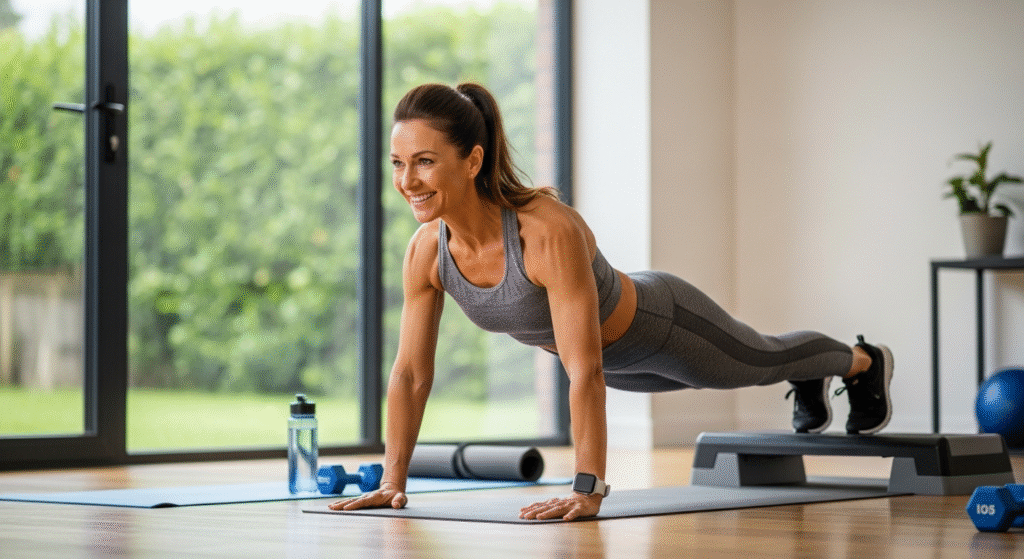
Warm-Up (3 minutes): Start with gentle marching in place for one minute, gradually lifting your knees higher as you warm up. Add arm circles—both forward and backward—for 30 seconds each direction. Perform gentle torso twists with your hands on your hips for one minute, rotating from side to side at a comfortable pace. Finish with hip circles and alternating knee lifts for the final 30 seconds.
Main Workout (15 minutes – 30 seconds work/30 seconds rest):
*Circuit 1 (repeat 2 times):* – Step-touches: Step side to side, reaching arms overhead with each step. Focus on moving with energy while keeping one foot on the ground. – Modified squats: Stand with feet hip-width apart, squat down as if sitting in a chair, then stand. Keep your weight in your heels and chest lifted. – Standing knee pulls: Alternate bringing each knee toward your chest while engaging your core. Add a slight hop if you want more intensity. – Wall push-ups: Place hands on a wall at shoulder height and perform push-ups, keeping your body in a straight line. – March with high knees: March in place, bringing knees up to hip height if possible. Pump your arms for added intensity.
*Circuit 2 (repeat 2 times):* – Side steps with arm raises: Step side to side while raising arms out to the sides and overhead. Keep movements controlled and purposeful. – Reverse lunges: Step back into a lunge position, alternating legs. Hold onto a chair for balance if needed. – Standing oblique crunches: Bring elbow to opposite knee in a standing position, engaging your obliques with each repetition. – Plank hold on knees: Hold a plank position on your knees for 30 seconds, keeping your core tight and back straight. – Speed march: March in place as quickly as you can while maintaining good form.
Cool-Down (2 minutes): Slowly walk in place for 30 seconds to bring your heart rate down. Stretch your quadriceps by pulling one foot toward your glutes, holding for 20 seconds each leg. Perform a standing forward fold, letting your upper body hang heavy for 30 seconds. Finish with shoulder and chest stretches, breathing deeply to calm your nervous system.
Intermediate Level with More Intensity
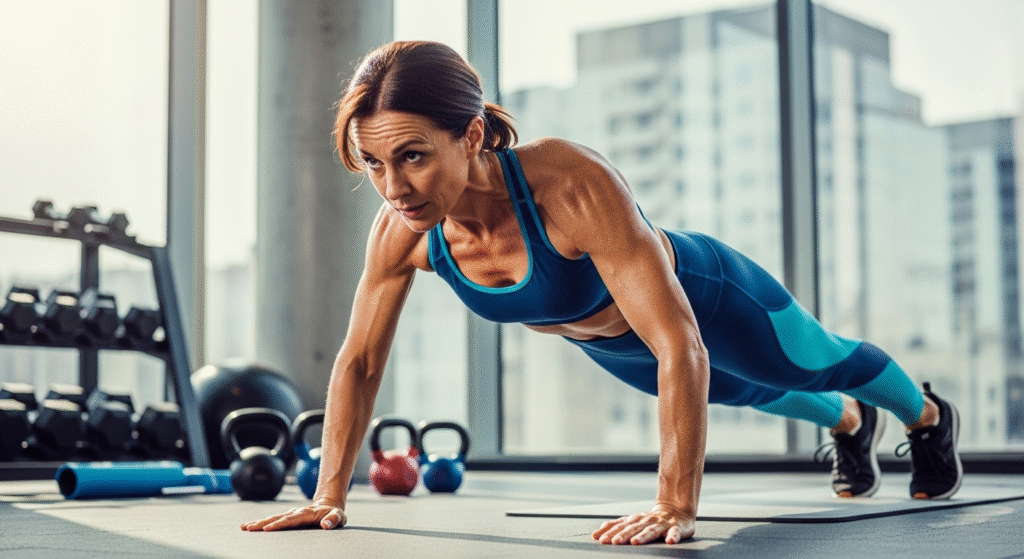
Main Workout (15 minutes – 40 seconds work/20 seconds rest):
*Circuit 1 (repeat 2 times):* – Fast feet: Quick steps in place, staying light on your feet and pumping your arms rapidly. – Squat to overhead reach: Perform a squat, then reach arms overhead as you stand, engaging your entire body. – Speed skaters: Side-to-side lunges, touching the ground with opposite hand as you lunge. Keep movements quick and controlled. – Push-up to plank: Perform a push-up (on knees or toes), then hold plank position for a few seconds before the next rep. – High knees: Run in place with knees coming up to hip height. Reduce impact by marching quickly instead of running.
*Circuit 2 (repeat 2 times):* – Burpee modifications: Step back to plank, perform a push-up, step feet forward, stand and reach overhead. No jumping required. – Alternating forward lunges: Lunge forward, alternating legs with each rep. Add a slight hop between lunges for more intensity. – Mountain climbers: In plank position, alternate bringing knees toward chest. Walk them in slowly for low-impact or move quickly for higher intensity. – Squat pulses: Lower into squat position and pulse up and down in small movements for the entire interval. – Jumping jacks or step-touches: Choose jumping jacks for higher impact or fast step-touches for low-impact, moving arms overhead with each rep.
Modifications and Progressions
Every exercise in these workouts can be adjusted to match your current fitness level and any physical limitations you’re working with. If you have knee issues, replace lunges with wall sits or squats to a comfortable depth. For balance concerns, perform all exercises near a wall or chair you can touch for stability. If you have wrist problems, perform planks on your forearms instead of hands, or skip push-ups in favor of standing chest presses with light weights.
Adding resistance bands or light dumbbells (3-8 pounds) increases workout intensity without adding impact. Hold weights during squats, use a resistance band around your thighs during side steps, or add bicep curls during marching intervals. These simple additions create more metabolic demand and build additional strength.
Track your progress by noting how many circuits you complete, how you feel during and after workouts, and how your clothes fit over time. When exercises start feeling too easy—meaning you could continue well beyond 30-40 seconds—it’s time to level up. Progress by increasing work intervals, decreasing rest periods, adding light weights, or moving to more challenging exercise variations.
Simple Nutrition Tips to Maximize Your HIIT Results
Protein: Your New Best Friend
Protein becomes your most important macronutrient during menopause for several compelling reasons. First, it preserves the muscle mass you’re working so hard to maintain through HIIT workouts. Second, protein has the highest thermic effect of all macronutrients, meaning your body burns more calories digesting it than it does processing carbs or fats. Third, protein keeps you fuller longer, reducing cravings and the tendency to overeat.
Aim for 25-30 grams of protein at each meal—not just dinner. This consistent protein intake throughout the day maximizes muscle protein synthesis and keeps your metabolism elevated. Breakfast is particularly important: starting your day with protein stabilizes blood sugar and reduces cravings later in the day.
Best protein sources for women over 40 include Greek yogurt (20+ grams per cup), eggs (6 grams each), chicken breast (25 grams per 3 ounces), fish like salmon or tuna (20-25 grams per serving), cottage cheese (14 grams per half cup), legumes and beans (15 grams per cup), and high-quality protein powder for convenience. If you’re plant-based, combine different protein sources throughout the day to ensure you’re getting all essential amino acids.
Timing protein around your HIIT workouts enhances results. Consume 15-20 grams of protein within an hour after your workout to support muscle recovery and maximize the metabolic benefits of your training. A protein shake, Greek yogurt with berries, or a couple of hard-boiled eggs all work perfectly.
The Carb Confusion: What You Really Need to Know
Carbohydrates have been unfairly demonized, especially for menopausal women trying to lose belly fat. The truth is more nuanced: you shouldn’t fear carbs, but you should choose them strategically and time them appropriately.
Complex carbohydrates from whole food sources provide the energy your body needs for intense HIIT workouts. Without adequate carbs, your performance suffers, your body holds onto fat more stubbornly, and you feel exhausted. The key is choosing carbs that provide sustained energy without spiking blood sugar: quinoa, sweet potatoes, oats, brown rice, legumes, and plenty of vegetables.
Timing matters significantly during menopause when insulin sensitivity is reduced. Consume your largest carbohydrate portions around your workouts—30-60 minutes before for energy and within an hour after for recovery. This timing ensures carbs fuel your workout or replenish depleted glycogen stores rather than being stored as fat. During other meals, focus more heavily on protein, healthy fats, and non-starchy vegetables.
Conclusion: Your Journey to a Stronger, Healthier You Starts Now
Menopause belly fat isn’t a life sentence—it’s a challenge that responds beautifully to the right approach. HIIT training works with your changing hormones instead of fighting against them, delivering results in less time than traditional workouts while building the strength and confidence you deserve.
The complete workout plan you’ve learned today requires just 15-20 minutes, three to four times per week. No gym membership, no expensive equipment, no excuses. Start with the beginner-friendly version and progress at your own pace, listening to your body and honoring both your effort and your rest.
Remember that sustainable change happens gradually. You didn’t gain belly fat overnight, and you won’t lose it overnight either. But with consistent HIIT workouts, strategic nutrition, and patience with your body’s timeline, you’ll start noticing changes within 4-6 weeks: your clothes fitting better, your energy increasing, and your strength improving.
You’re not just working out to lose belly fat—you’re investing in your long-term health, reducing disease risk, and proving to yourself that you’re capable of more than you imagined. Every workout is a victory, every healthy meal is progress, and every day you show up for yourself is a step toward the vibrant, energetic life you deserve.
Ready to start your transformation? Grab your workout clothes, clear 20 minutes on your calendar, and commit to your first HIIT session this week. Your future self will thank you for starting today. You’ve got this!