7 Gentle Arthritis Workouts for Women Over 40
You wake up, swing your legs out of bed, and there it is—that familiar stiffness in your knees. Your hands feel tight as you reach for your morning coffee. If you’re living with arthritis, you know this routine all too well.
Here’s something that might surprise you: Exercise is actually one of the most effective ways to manage arthritis symptoms. I know what you’re thinking—”But movement hurts!” Many women worry that working out will make joint pain worse, and honestly, that fear makes perfect sense.
But here’s the truth backed by decades of research: The right kind of exercise can reduce stiffness, improve mobility, and help you feel amazing without aggravating your joints.
These 7 gentle, proven workouts are specifically designed for women over 40 with arthritis. They’re not about pushing through pain or becoming a fitness warrior overnight.
They’re about moving your body in ways that actually help, using exercises that work with your joints instead of against them. You’ll learn easy-to-follow movements that fit into your real life, whether you have 10 minutes or an hour. Ready to discover how movement can become your ally instead of your enemy? Let’s dive in.
Understanding Arthritis and Exercise: Why Movement Matters
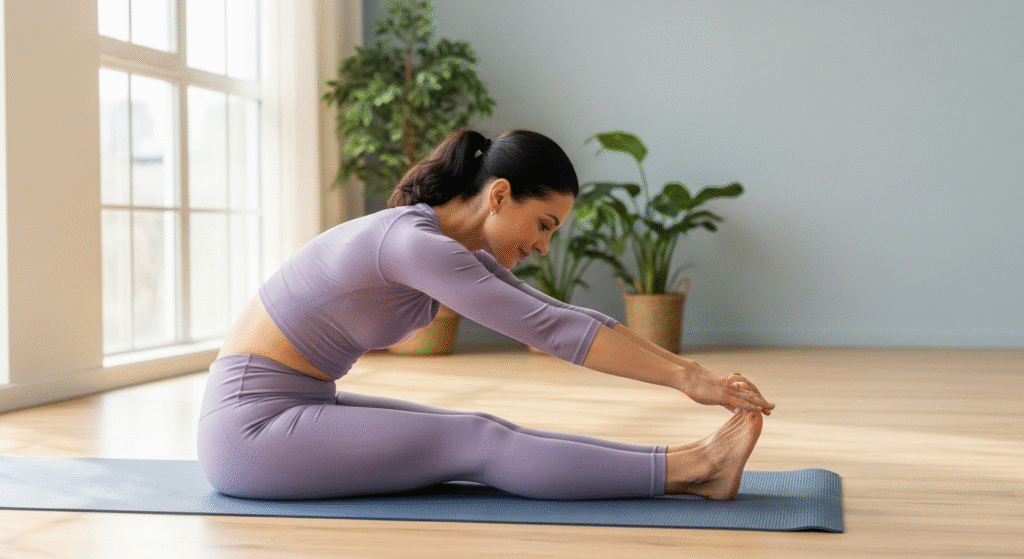
Why Exercise Helps Arthritis (Not Hurts It)
Your joints are designed to move. When you have arthritis, it feels counterintuitive to exercise, but staying still actually makes things worse. Here’s the science made simple: Movement lubricates your joints by circulating synovial fluid, which acts like natural oil for your body’s hinges. Every time you move, you’re literally keeping your joints from getting rusty.
Exercise also strengthens the muscles surrounding your joints. Think of these muscles as your body’s natural shock absorbers and support system. When they’re strong, they take pressure off your joints and provide stability that reduces pain. Research shows that people with arthritis who exercise regularly experience up to 40% less pain than those who don’t.
Let’s debunk the “rest is best” myth right now. While you definitely need rest during flare-ups, prolonged inactivity leads to muscle weakness, increased stiffness, and more pain over time. The right exercise actually reduces inflammation naturally by improving circulation and releasing anti-inflammatory chemicals in your body. Your body is more capable than you might think—it just needs the right approach.
What Makes a Workout “Arthritis-Friendly”
Not all exercise is created equal when you’re dealing with arthritis. The key is choosing low-impact movements that protect your joints while still providing benefits. High-impact activities like running or jumping put excessive stress on already sensitive joints. Instead, you want exercises that keep at least one foot on the ground or provide external support.
Arthritis-friendly workouts focus on three essential elements: flexibility to maintain range of motion, strength to support your joints, and gentle movements that work within pain-free ranges. The perfect workout should leave you feeling pleasantly tired but not in pain. You might feel some muscle soreness the next day (that’s normal), but sharp joint pain is your body’s way of saying “too much.”
The essential rule: Listen to your body and work within pain-free ranges. This isn’t about pushing through discomfort—it’s about finding that sweet spot where you’re challenging yourself without causing harm. Some days you’ll be able to do more than others, and that’s completely okay.
Quick Tips Before You Start
Never skip your warm-up—this is crucial for arthritis management. Cold joints are stiff joints, and jumping straight into exercise increases your injury risk. Spend 5-10 minutes doing gentle movements like marching in place, arm circles, or slow walking to increase blood flow and prepare your body.
The perfect time to exercise is when you’re least stiff, which for most women is mid-morning after your body has had time to wake up and any morning medications have kicked in. Avoid exercising during a flare-up or when joints are swollen and painful.
Understanding good pain versus bad pain is essential. Good pain is muscle fatigue or mild discomfort that eases quickly. Bad pain is sharp, stabbing, or increases during or after exercise. If something hurts in a bad way, stop immediately and modify the movement or skip it entirely. You’re building a sustainable practice, not training for the Olympics.
The 7 Ultimate Gentle Workouts for Arthritis Relief
1. Water Aerobics: The Complete Joint-Friendly Solution
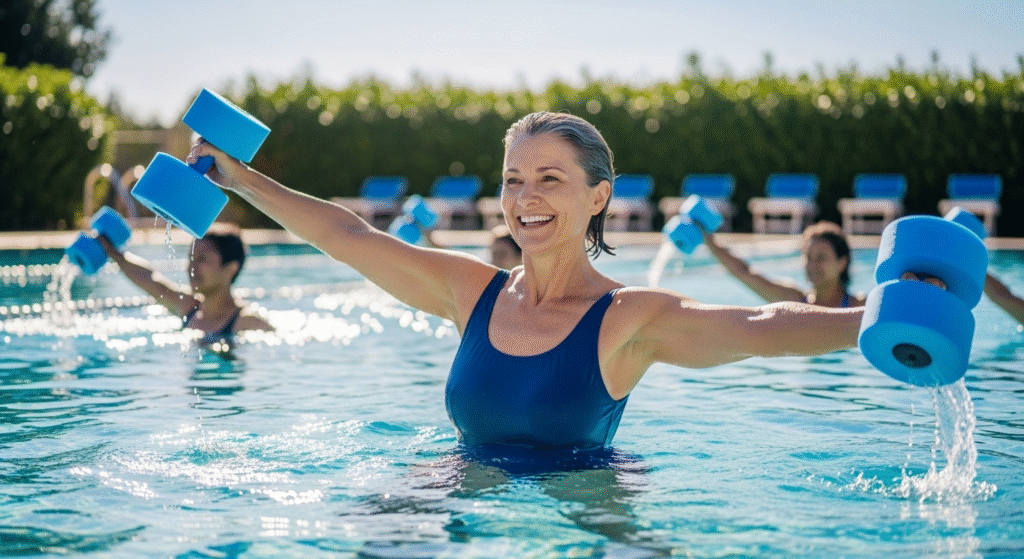
Water aerobics tops this list for a reason—it’s the most joint-friendly exercise available. The buoyancy of water reduces stress on your joints by up to 90%, meaning you can move freely without bearing your full body weight. The water also provides natural resistance in all directions, giving you a complete workout without any equipment.
Simple moves to try include gentle water walking (march across the pool lifting your knees), arm circles (extend arms and make circles in the water), and leg lifts (hold the pool edge and lift one leg at a time). The water’s resistance makes these movements more effective than doing them on land, but the buoyancy makes them feel easier on your joints.
You don’t need to join a fancy gym to enjoy water aerobics. Many community centers and YMCAs offer arthritis-specific water classes with warm pools (which feel amazing on sore joints). If you have access to a home pool or can visit a friend’s pool, you can create your own routine. Just 20-30 minutes in the water, three times a week, delivers noticeable results.
2. Tai Chi: Ancient Wisdom for Modern Joint Pain
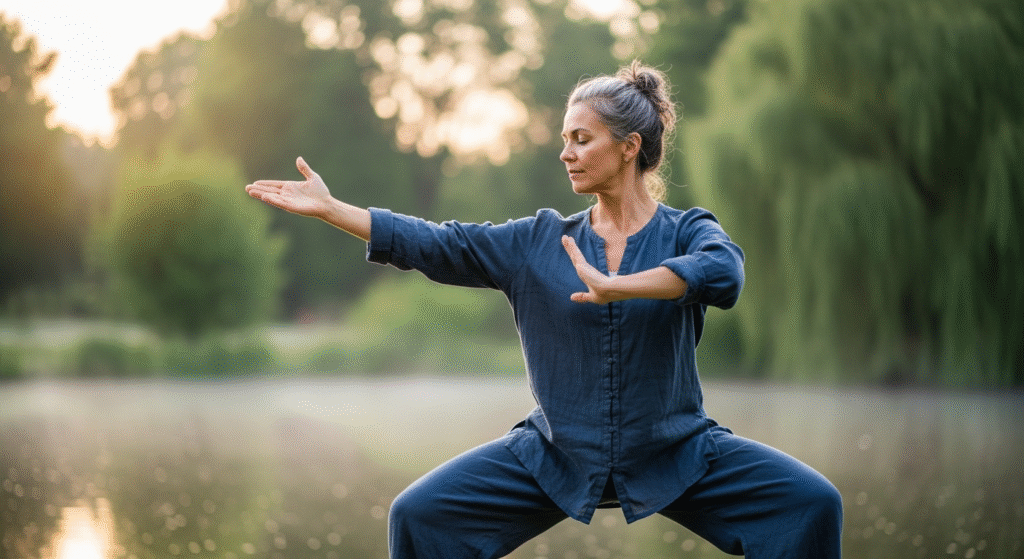
Tai chi looks like slow-motion martial arts, and that’s exactly what makes it perfect for arthritis. This ancient Chinese practice involves flowing, deliberate movements that improve balance, flexibility, and reduce pain. Research shows that women with arthritis who practice tai chi regularly experience significant improvements in joint function and reduced pain levels.
The movements flow naturally from one to another, like a graceful dance. You’re constantly shifting your weight, rotating your torso, and moving your arms in coordinated patterns. This challenges your balance and strengthens stabilizing muscles without any jarring impact. The meditative aspect also reduces stress, which can decrease inflammation throughout your body.
Perfect for beginners—no experience needed. Many senior centers and community programs offer tai chi classes specifically designed for people with arthritis. You can also find excellent videos online to practice at home. Start with just 10 minutes and gradually increase as you become more comfortable with the movements.
3. Chair Yoga: Gentle Stretching Made Accessible
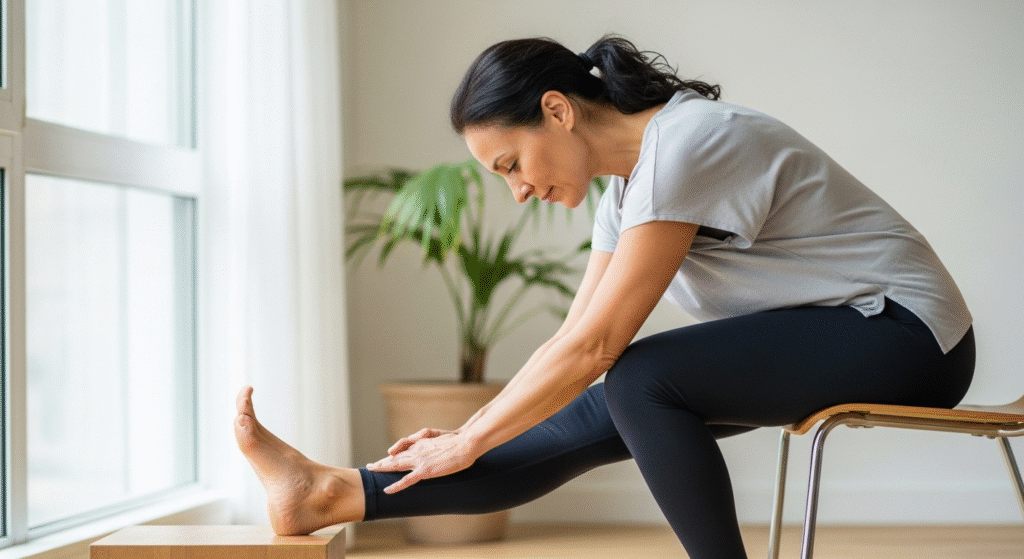
Chair yoga brings all the benefits of traditional yoga to you with added support and stability. You perform modified yoga poses while seated or using a chair for balance, making it ideal for arthritis sufferers who struggle with getting up and down from the floor or maintaining balance.
Essential poses for joint mobility include seated cat-cow (arch and round your spine while sitting), gentle twists (rotate your torso while keeping hips stable), and shoulder rolls (circle shoulders backward and forward). These movements maintain and improve range of motion in your spine, hips, and shoulders—areas that commonly stiffen with arthritis.
A quick 10-minute routine you can do anywhere makes chair yoga incredibly practical. Keep a sturdy chair in your living room and practice during commercial breaks or first thing in the morning. The beauty of chair yoga is its accessibility—you can do it at work during lunch, while traveling, or even when you’re having a higher-pain day and need something extra gentle.
4. Walking: The Simple Yet Effective Daily Practice
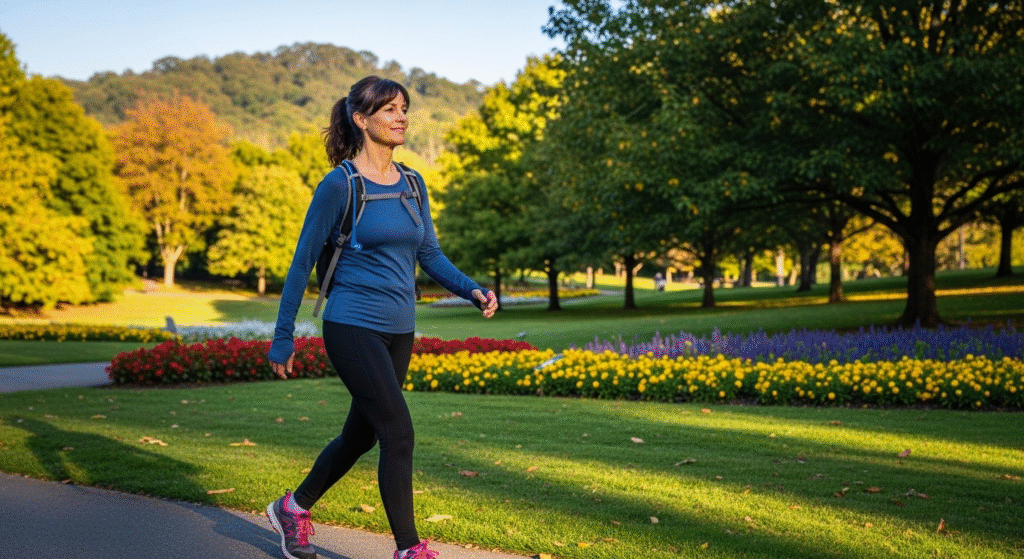
Walking is free, requires no equipment, and delivers powerful benefits for arthritis management. But how you walk matters. Focus on maintaining good posture—shoulders back, core engaged, and eyes forward. Land on your heel and roll through to your toes with each step. This proper form distributes impact evenly and protects your joints.
Best surfaces for arthritis-friendly walking include flat, even paths like tracks, paved trails, or indoor malls. Avoid uneven terrain, steep hills, or hard concrete sidewalks when possible. Grass and rubberized tracks provide excellent cushioning. Indoor walking is perfect for bad weather days or when outdoor surfaces are icy or wet.
Starting slow with a realistic plan prevents burnout and injury. Begin with just 5 minutes of walking and add one minute each week until you reach 30 minutes. This gradual progression lets your body adapt without overwhelming your joints. Don’t worry about speed—a gentle, comfortable pace is perfect. Consistency beats intensity every single time.
5. Resistance Band Training: Build Strength Without Heavy Weights
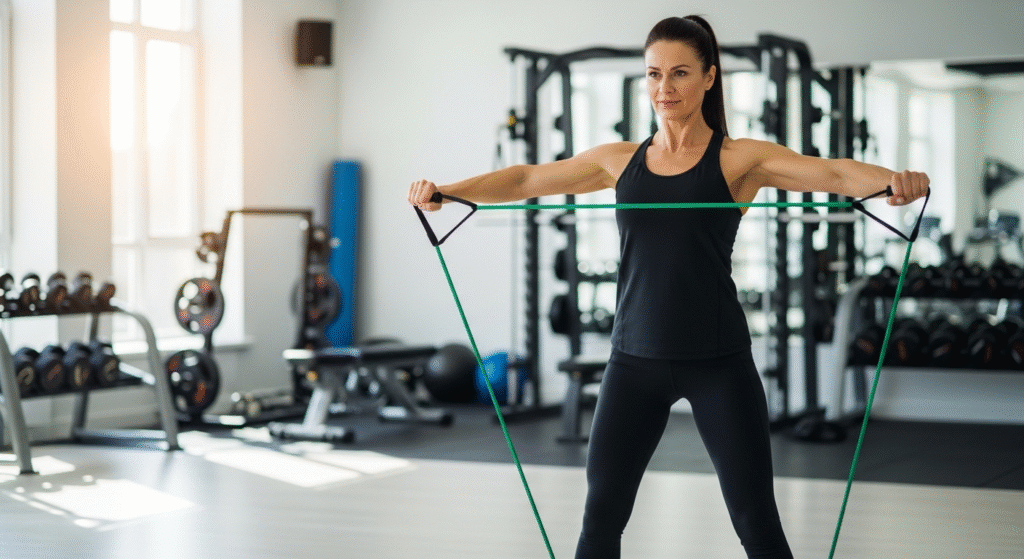
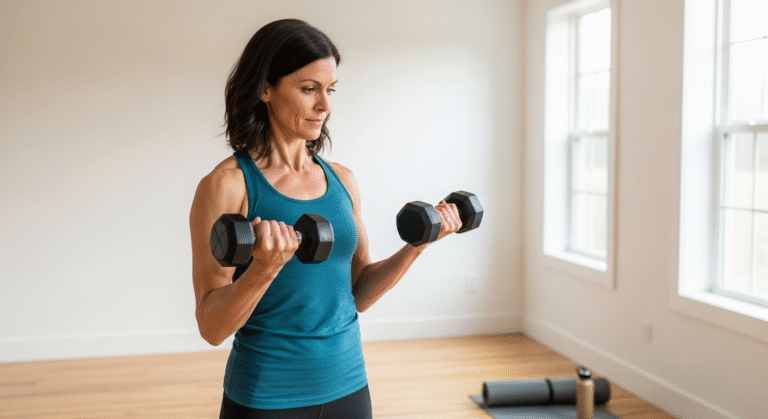
Resistance bands are amazing for arthritis because they provide gentle, adjustable resistance that’s easier on joints than traditional weights. You can easily modify the resistance by choosing different band strengths or adjusting how much you stretch the band. They’re inexpensive, portable, and incredibly versatile.
Top 3 exercises for women over 40 include bicep curls (step on the band and curl handles toward shoulders), shoulder presses (hold band under feet and press handles overhead), and leg extensions (loop band around ankle and extend leg forward). These exercises strengthen the major muscle groups that support your most vulnerable joints—knees, shoulders, and hips.
Choosing the right band strength matters. Start with light resistance (often color-coded as yellow or red). You should be able to complete 10-12 repetitions with good form while feeling challenged by the last few reps. If it’s too easy, move up to medium resistance. If you can’t maintain proper form or feel joint pain, go lighter. There’s no shame in starting with the lightest band—building strength takes time.
6. Stationary Cycling: Low-Impact Cardio That Works
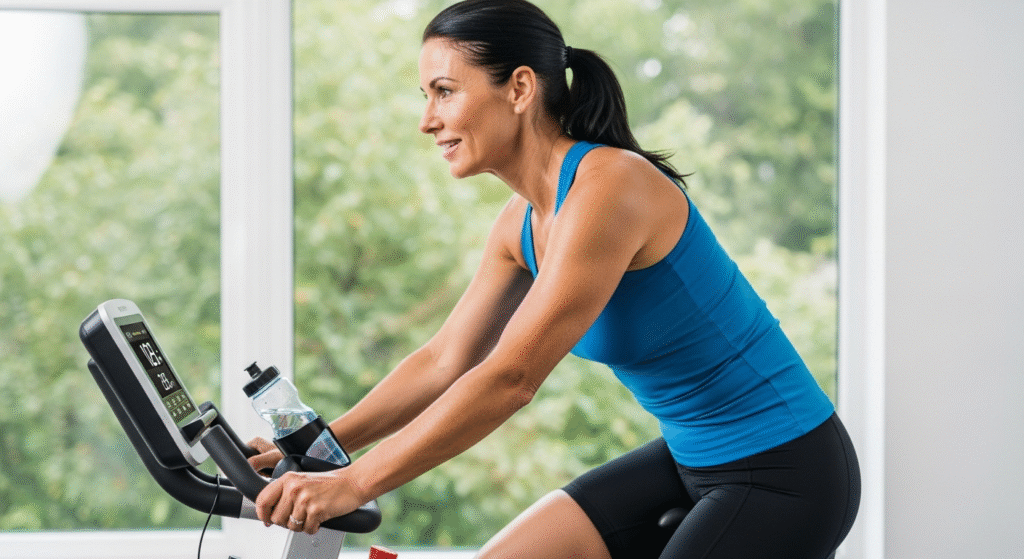
Stationary cycling provides excellent cardiovascular exercise without the pounding impact of walking or running. Your joints move through their range of motion repeatedly, which lubricates them and maintains flexibility, while the circular pedaling motion is smooth and controlled.
Proper bike setup prevents knee strain and makes cycling comfortable. Adjust the seat height so your knee has a slight bend (about 25-35 degrees) when the pedal is at its lowest point. If your seat is too low, you’ll put excessive pressure on your knees. Position the seat so your knee is directly over the pedal spindle when the pedal is at the 3 o’clock position.
An effective interval approach works perfectly for arthritis: Pedal at an easy, comfortable pace for 3-4 minutes, then increase your speed slightly for 1 minute. This gentle increase challenges your cardiovascular system without stressing your joints. Start with 10-15 minutes total and gradually increase to 30 minutes as your endurance improves.
7. Gentle Pilates: Core Strength for Better Joint Support
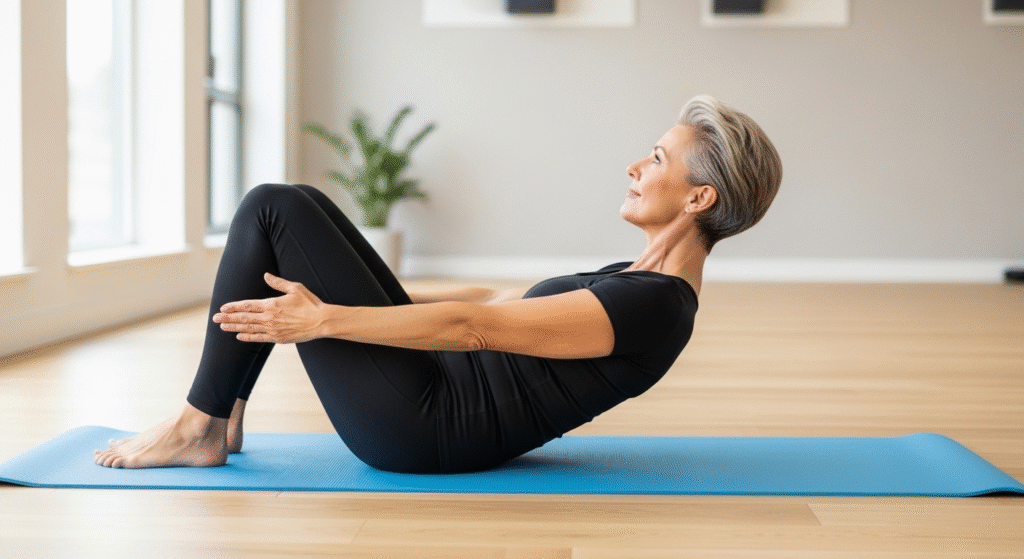
Your core muscles—the deep abdominal and back muscles that stabilize your spine—play a crucial role in protecting your joints. When your core is strong, it supports proper posture and alignment, which reduces stress on your hips, knees, and back. Pilates focuses specifically on building this essential core strength through controlled, precise movements.
Modified Pilates moves perfect for arthritis include pelvic tilts (lie on your back and gently rock your pelvis), leg slides (slide one heel away from your body while keeping your back stable), and gentle bridges (lift your hips slightly off the floor). These exercises look simple but effectively engage your deep core muscles without putting pressure on your joints.
Finding arthritis-specific Pilates classes or videos ensures you’re learning proper modifications. Many Pilates instructors offer mat classes designed for people with limited mobility or joint issues. Online platforms like YouTube have channels dedicated to gentle Pilates for seniors and people with arthritis. Look for instructors who emphasize modifications and encourage you to work at your own pace.
Creating Your Personal Arthritis Workout Plan
How Often Should You Exercise?
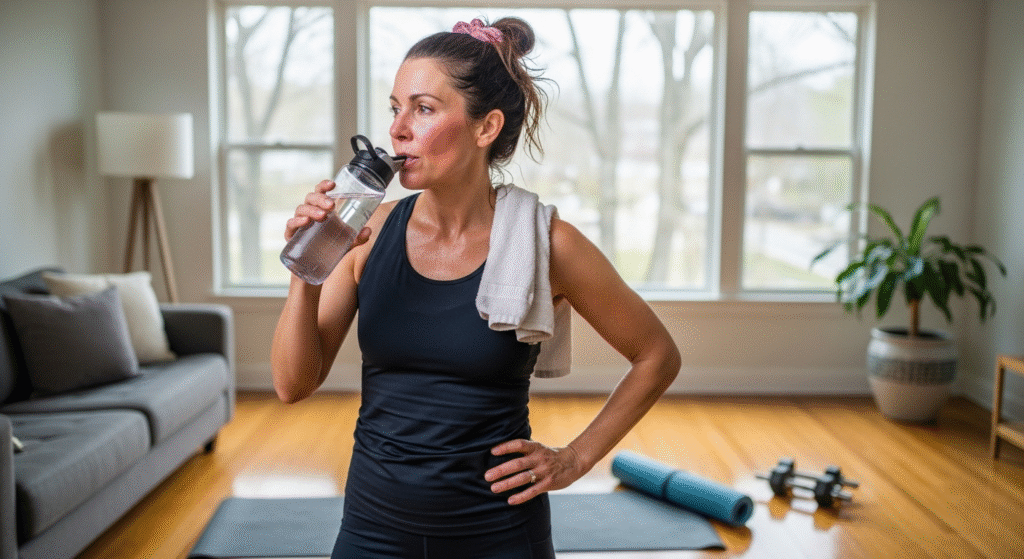
The proven formula for arthritis management includes 2-3 days of strength training, 3-5 days of cardio, and daily stretching. This might sound like a lot, but remember that “cardio” can be a 15-minute walk, and stretching can happen while you watch TV. You’re not training for a marathon—you’re maintaining joint health and managing symptoms.
Rest days are essential for joint recovery. Your body needs time to repair and adapt to exercise. This doesn’t mean sitting completely still—gentle stretching or a leisurely walk counts as active recovery. Listen to your body’s signals. If you’re feeling unusually stiff or sore, take an extra rest day without guilt.
Mixing and matching workouts provides complete wellness and prevents boredom. Monday might be water aerobics, Wednesday could be resistance bands and stretching, Friday might be stationary cycling, with gentle walks on other days. This variety works different muscle groups, maintains your interest, and gives specific joints a break while others work.
Building Your Perfect Weekly Schedule
A sample week combining different gentle workouts might look like this: Monday—20 minutes water aerobics; Tuesday—15-minute walk plus stretching; Wednesday—resistance band training (20 minutes); Thursday—tai chi or chair yoga (15 minutes); Friday—stationary cycling (20 minutes); Saturday—longer walk (30 minutes); Sunday—gentle stretching and rest. Notice how this schedule includes variety, rest, and flexibility.
Morning versus evening depends on your body’s rhythm. Most women with arthritis feel better exercising mid-morning after stiffness has eased. However, if you’re naturally a night owl or your schedule demands evening workouts, that’s fine too. The best time to exercise is whenever you’ll actually do it consistently.
Quick 15-minute options for busy days keep you on track without overwhelming your schedule. A 15-minute chair yoga session, a brief walk around your neighborhood, or a short resistance band routine all count. Something is always better than nothing, and these mini-workouts maintain your momentum even during hectic weeks.
Tracking Progress Without Obsessing
Simple ways to notice improvements include less morning stiffness, better mobility when climbing stairs, reduced pain during daily activities, and improved sleep quality. You might notice you can reach higher cabinets more easily or play with grandchildren without as much discomfort afterward. These real-life improvements matter more than any fitness metric.
Celebrating small wins keeps you motivated. Did you walk an extra minute today? Celebrate that. Could you use a stronger resistance band this week? That’s progress worth acknowledging. Did you complete three workouts when you usually only manage two? You’re building consistency—that’s huge.
Adjusting your routine as you get stronger is natural and necessary. What felt challenging six weeks ago might feel easy now. That’s your body adapting and getting stronger. Gradually increase duration, add light resistance, or try a new workout from this list. Progress isn’t always linear—some weeks you’ll advance, others you’ll maintain, and occasionally you’ll need to scale back during flare-ups. All of this is normal and part of managing arthritis long-term.
Essential Tips for Safe and Effective Arthritis Exercise
Warming Up and Cooling Down the Right Way
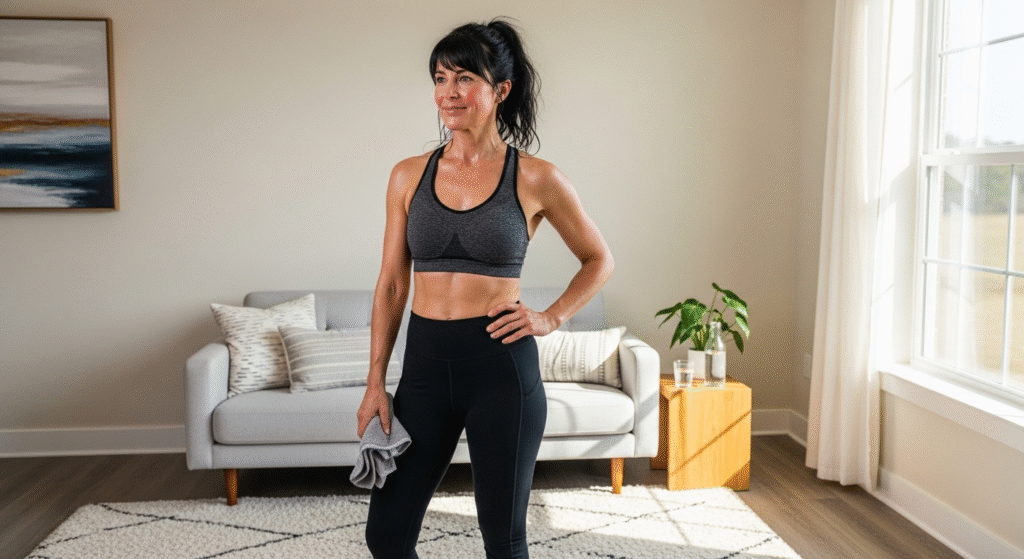
The 5-minute warm-up routine that protects your joints should include gentle movements that gradually increase your heart rate and warm your muscles. Try marching in place for one minute, arm circles (forward and backward) for one minute, gentle hip circles for one minute, ankle rolls for one minute, and slow neck rolls for one minute. These simple movements prepare your entire body for exercise.
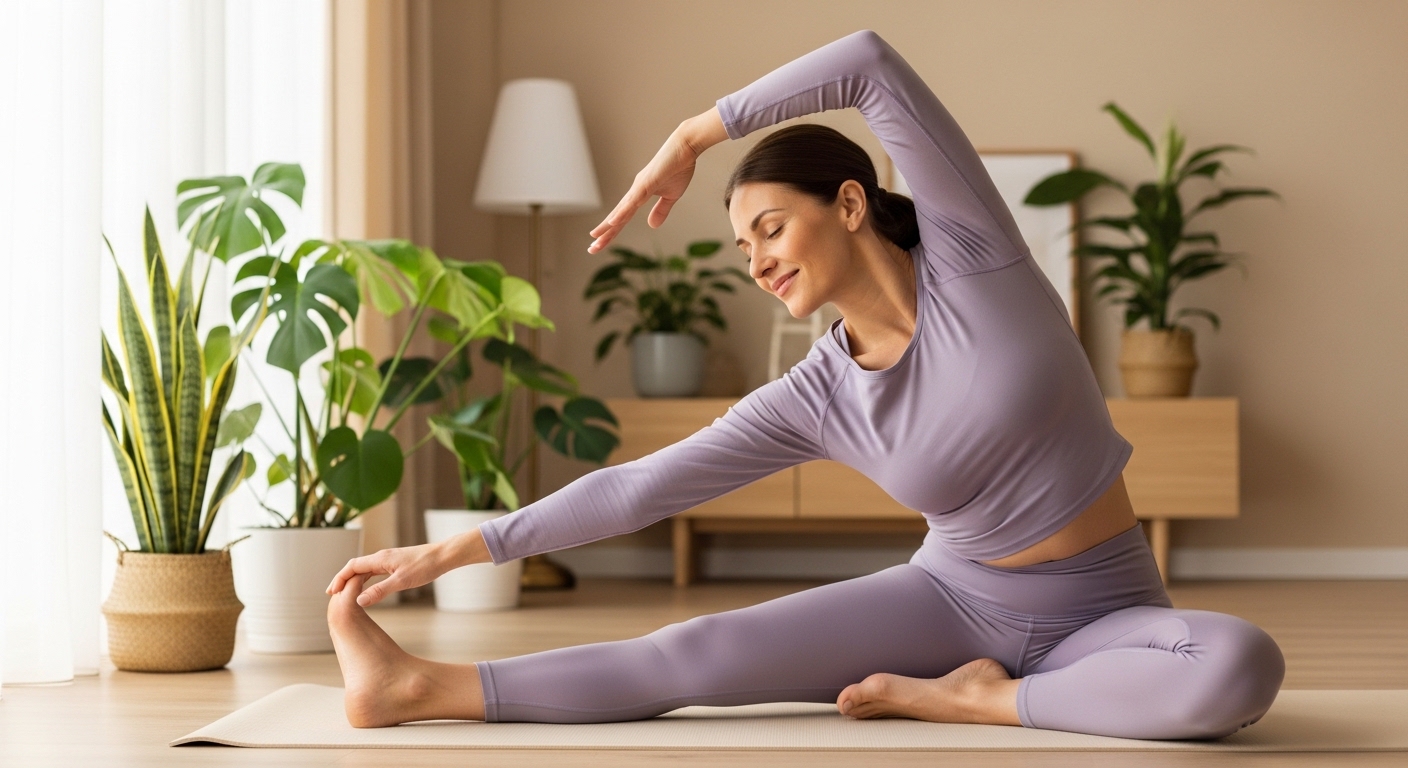
Gentle stretches prevent injury and should target the muscles you’ll be using. Hold each stretch for 15-30 seconds without bouncing. Focus on major muscle groups: calves, quadriceps, hamstrings, shoulders, and back. Stretching should feel like a gentle pull, never painful. If you feel sharp pain, ease back immediately.
Cooling down reduces next-day soreness by gradually bringing your heart rate down and preventing blood from pooling in your extremities. Spend 5 minutes doing slower versions of your workout movements, then finish with gentle stretching. This simple practice makes a noticeable difference in how you feel the next day.
Managing Flare-Ups Without Losing Progress
What to do when arthritis acts up: First, don’t panic. Flare-ups happen and they don’t erase your progress. Apply ice or heat (whichever feels better to you), take any prescribed anti-inflammatory medications, and give your body the rest it needs. This is not the time to push through.
Gentle movement options for bad pain days include simple stretching while lying in bed, seated arm movements, or slow walking around your house. The goal is maintaining some movement without aggravating inflamed joints. Even 5 minutes of gentle stretching helps prevent stiffness from worsening.
Getting back on track after a flare-up requires patience. Start with 50% of what you were doing before the flare-up. If you were walking 20 minutes, start with 10. If you were using medium resistance bands, switch to light. Gradually increase over the following week or two. Your body will tell you when it’s ready for more—trust those signals.
In Closing
These 7 gentle workouts—water aerobics, tai chi, chair yoga, walking, resistance band training, stationary cycling, and gentle Pilates—offer proven relief for arthritis symptoms. Each one provides unique benefits, and together they create a complete approach to managing your condition through movement. You don’t need to do all seven; even incorporating one or two into your weekly routine delivers real results.
Here’s the ultimate truth: You have complete control over managing your arthritis through movement. While you can’t cure arthritis, you can significantly reduce its impact on your daily life. The power is literally in your hands—or more accurately, in your joints. Every time you choose movement over sitting still, you’re taking control of your health and your future.
Starting small with any of these exercises is better than not moving at all. You don’t need a perfect plan or expensive equipment. You just need to begin. Choose one workout from this list to try this week. Just one. Maybe it’s a 10-minute walk around your neighborhood or a chair yoga video on YouTube. Take that first step.
Listen to your body and celebrate every small victory. Could you walk one minute longer today? That’s a win. Did you complete a full week of stretching? Celebrate it. Are you experiencing less morning stiffness? You’re making real progress. These small victories add up to life-changing improvements over time.
Remember: Consistency beats intensity for long-term arthritis management. You’re not trying to become an athlete—you’re building sustainable habits that support your joints and reduce pain. Some days you’ll do more, some days less, and that’s perfectly okay. What matters is showing up for yourself regularly.
You deserve to feel strong, mobile, and pain-free. Arthritis doesn’t have to control your life or limit your activities. These effective, gentle workouts are your path to an active, amazing life after 40. Movement is medicine, and you hold the prescription. Start today, be patient with yourself, and trust the process. Your joints—and your future self—will thank you.