fitness motivation for busy women over 40

Let’s get real for a second. You’re juggling a career, maybe kids (or grandkids), relationships, household responsibilities, and somewhere in that chaos, you’re supposed to find time and energy to work out. Meanwhile, your body isn’t cooperating like it did ten years ago. You’re tired by 3 PM, your metabolism seems to have taken an extended vacation, and the thought of adding one more thing to your plate feels overwhelming.
I hear you. And here’s what I know: You’re not alone, and you’re definitely not too late.
The physical changes are real—hormonal shifts, slower recovery, stubborn weight that clings to places it never used to. But here’s the truth nobody talks about enough: These changes don’t mean you’re broken. They mean you need a different approach, one designed for the woman you are now, not the girl you were at 25.
This guide isn’t about punishing workout regimens or restrictive diets. It’s about practical, proven strategies that fit into your actual life. No perfection required. Just progress that works for busy women who refuse to put themselves last anymore.
Ready to feel strong, energized, and confident again? Let’s do this.
Why Fitness After 40 Is Different (And Why That’s Actually Empowering)
Understanding Your Body’s Changes
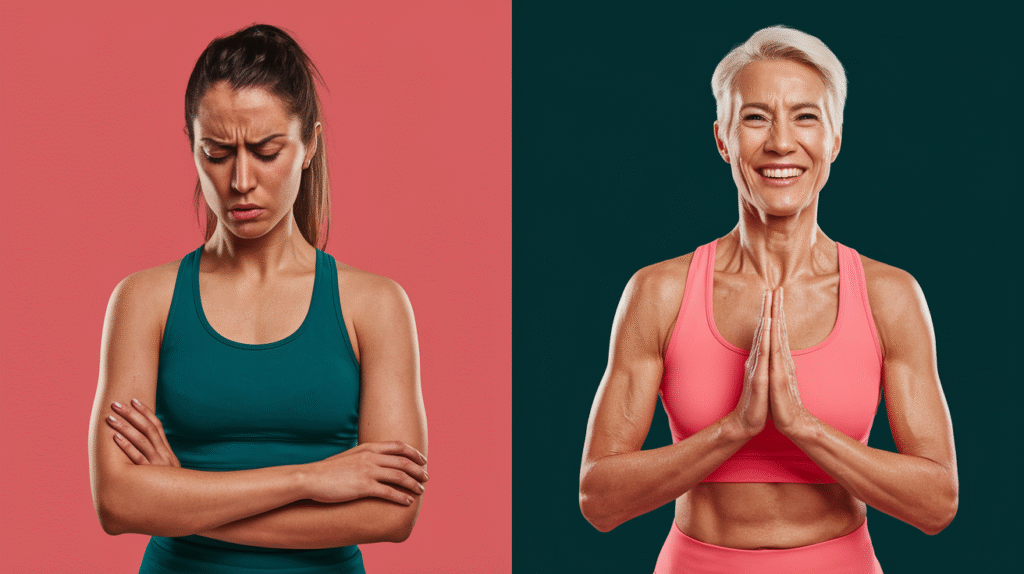
Your body after 40 operates differently, and understanding why makes everything easier. Perimenopause and menopause bring hormonal fluctuations that affect everything from your energy levels to how your body stores fat. Estrogen decline impacts muscle mass and bone density. Your metabolism slows by about 5% per decade after 40. These aren’t excuses—they’re facts that inform smarter fitness choices.
Here’s what this really means: That workout routine from your twenties won’t deliver the same results, and comparing yourself to younger versions of yourself (or to 20-somethings at the gym) is completely counterproductive. Your body needs more recovery time now. You can’t skip meals and power through on coffee anymore. Sleep matters more than ever.
But here’s the amazing truth that changes everything: Your body is still incredibly capable of transformation. Research shows women over 40 can build muscle, increase bone density, boost metabolism, and improve cardiovascular health with the right approach. You’re not fighting a losing battle—you’re working with different rules.
The Mental Shift That Changes Everything
The most powerful change happens in your mind, not your muscles. Moving from “I should work out” to “I choose to prioritize my health” transforms obligation into empowerment. When you should yourself, you’re operating from guilt and external pressure. When you choose, you’re honoring your own values and goals.
Redefine what “fit” means at this life stage. It’s not about six-pack abs or running marathons (unless that’s genuinely your goal). It’s about having energy to play with your kids, strength to carry groceries without strain, stamina to travel without exhaustion, and confidence in your body’s capabilities. It’s about feeling good in your skin and showing up fully for your life.
Your Secret Advantage
Here’s your unfair advantage: You’ve got decades of discipline, problem-solving, and resilience behind you. You’ve navigated career challenges, relationship complexities, and life curveballs. You know how to show up when you don’t feel like it. You understand delayed gratification. These skills matter more than raw motivation ever could.
Discipline beats motivation every single time. Motivation is fleeting—it’s that burst of excitement you feel on Sunday night when you plan your perfect week. Discipline is what gets you moving on Wednesday morning when motivation is nowhere to be found. You’ve already proven you have discipline in spades.
Look at women like Ernestine Shepherd, who became a competitive bodybuilder at 56, or the countless women transforming their health in their 40s, 50s, and beyond. They’re not superhuman—they just started where you are now and kept going.
Simple Strategies to Find Time When You Have None

The 10-Minute Miracle Method
Forget the myth that workouts need to be hour-long sessions to count. Research proves that short, effective bursts of exercise deliver real results, especially when done consistently. Ten minutes of focused movement is infinitely better than zero minutes of perfect workouts you never actually do.
Break exercise into manageable chunks throughout your day. Ten minutes of strength training in the morning, a 15-minute walk at lunch, and 10 minutes of stretching before bed adds up to 35 minutes of movement—more than most people manage in one gym session they keep skipping.
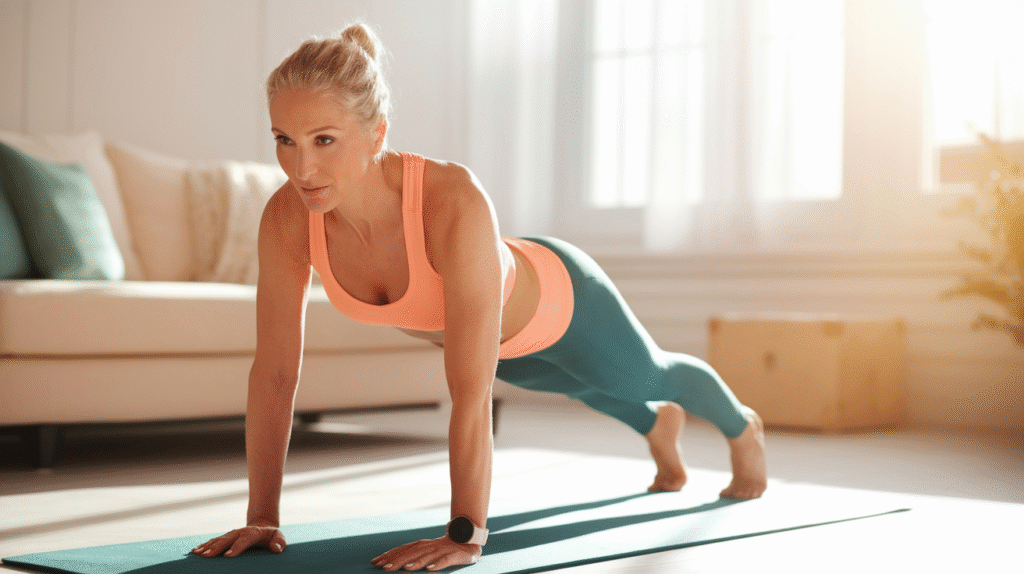
Try this quick morning routine: Five minutes of bodyweight exercises (squats, push-ups, planks) followed by five minutes of stretching. It energizes your body, jumpstarts your metabolism, and creates momentum for your entire day. You can do this before your shower, in your pajamas, with zero equipment. The barrier to entry is practically non-existent.
Making Every Moment Count
Your daily life is packed with fitness opportunities hiding in plain sight. Transform routine activities into movement wins. Park at the far end of the lot and walk briskly. Take stairs instead of elevators—every single time. Do calf raises while brushing your teeth. Wall sits during conference calls. Squats while waiting for coffee to brew.
These micro-movements seem small, but they compound dramatically over weeks and months. A study found that people who incorporated movement into daily activities burned significantly more calories and maintained better fitness than those who only exercised during dedicated workout times.
Stack fitness habits with existing routines for effortless consistency. If you always drink coffee at 7 AM, that’s when you do your 10-minute routine. If you always watch a show at 8 PM, that’s when you stretch or use resistance bands. Linking new habits to established ones removes decision fatigue and builds automatic behaviors.
Schedule It Like Your Life Depends on It (Because It Does)
Your fitness time needs to be on your calendar with the same non-negotiable status as important meetings. Use calendar blocking to protect these appointments with yourself. Literally write “Training Session” or “Health Appointment” in your schedule. Don’t leave it to chance or wait for free time to magically appear—it won’t.
Protect your fitness time from constant demands by setting essential boundaries. You can’t pour from an empty cup, and your health is the foundation for everything else you do. Practice saying “I have a commitment then” when someone tries to schedule over your workout time. You don’t need to explain or justify.
This might feel selfish at first. It’s not. It’s self-preservation, and it’s modeling healthy priorities for everyone watching you. Your family, friends, and colleagues will adapt. And honestly? They’ll benefit from the more energized, less stressed version of you that regular exercise creates.
Building Motivation That Lasts (Not Just Monday Morning Enthusiasm)

Create Your Personal “Why” Power Statement
“Lose weight” is too shallow to sustain you through tough days. Dig deeper. Why do you want to be fit? Maybe it’s to have energy for your grandchildren. To feel confident in your body again. To prove to yourself that you can still achieve hard things. To prevent the health issues you watched your parents struggle with. To travel without physical limitations.
Connect fitness to your bigger life goals and values. If adventure matters to you, frame fitness as preparing for the hiking trip you’ve always wanted to take. If family is your priority, see it as ensuring you’re healthy and present for decades to come. When fitness serves something you genuinely care about, it becomes non-negotiable.
Write your why statement and put it where you’ll see it daily: “I choose to move my body because I want to feel strong, energized, and capable of living my life fully. I deserve to invest in my health.” Read it when motivation wanes. Let it pull you forward when discipline feels hard.
The Accountability Formula
Find your perfect accountability partner—someone who shares similar goals and will check in consistently. This could be a friend who texts you every morning, a workout buddy who meets you at the gym, or an online community of women over 40 supporting each other’s fitness journeys.
Use fitness apps and social media effectively without falling into comparison traps. Track your own progress, celebrate your wins, and engage with communities that lift you up. Unfollow accounts that make you feel inadequate. Your feed should inspire you, not demoralize you.
Create simple tracking systems that celebrate progress beyond the scale. Mark workout days on a calendar with a satisfying X. Take progress photos monthly. Track how many push-ups you can do or how long you can hold a plank. Notice how you feel—better sleep, more energy, improved mood. These victories matter more than pounds.
Reward Systems That Actually Motivate
Build a personal reward menu of non-food treats that genuinely excite you. After a month of consistent workouts, maybe it’s a massage, new workout clothes, a book you’ve wanted, or a solo afternoon doing exactly what you want. Make the rewards meaningful enough to motivate but frequent enough to sustain momentum.
Visual progress tracking provides amazing motivation. Take photos in the same outfit, same lighting, same location every month. The scale might not move much, but you’ll see your body composition changing—more muscle definition, better posture, different proportions. These visual reminders prove your work is paying off.
Dealing with Setbacks Without Giving Up
Missed workouts don’t mean failure—they mean you’re human. The difference between people who succeed and people who quit is what happens after a setback. Use the 48-hour reset rule: If you miss a workout, get back on track within 48 hours. Don’t wait for Monday or next month. Just start again.
Practice self-compassion, especially if you’re a perfectionist. Talk to yourself like you’d talk to your best friend. You wouldn’t berate her for missing one workout, so don’t do it to yourself. Progress isn’t linear. Some weeks you’ll crush your goals; other weeks you’ll barely manage. Both are part of the journey.
The Ultimate Workout Approach for Real Results

Finding What You’ll Actually Stick With
The best workout is the one you’ll actually do consistently. Explore different fitness styles until something clicks. Maybe it’s strength training, yoga, dance classes, swimming, hiking, cycling, or boxing. Try things that sound fun, not just what you think you “should” do.
Enjoyment matters more than calories burned because you can’t sustain something you hate. If you dread your workouts, you’ll find reasons to skip them. When you genuinely enjoy moving your body, exercise becomes something you look forward to instead of another chore.
Consider whether a home gym setup or gym membership fits your lifestyle better. Home workouts offer convenience and privacy—no commute, no waiting for equipment, no self-consciousness. Gym memberships provide variety, equipment, and social energy. Neither is inherently better; choose what removes barriers for you.
The Essential Components of an Effective Over-40 Fitness Plan
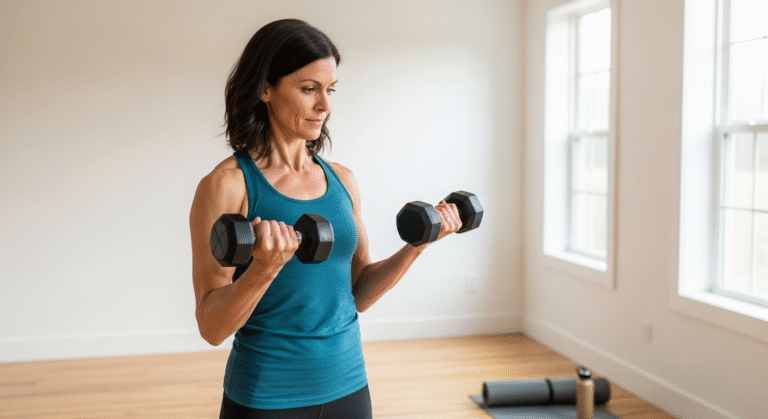
Strength training is your secret weapon against aging. After 40, you lose muscle mass at an accelerating rate unless you actively work to maintain it. Muscle mass drives metabolism, protects bone density, prevents injury, and keeps you functionally strong. Aim for 2-3 strength sessions weekly, hitting all major muscle groups.
Cardio supports heart health, endurance, and calorie burn. Choose intensity that matches your current energy levels and schedule. Brisk walking counts. So does dancing in your kitchen, swimming, or cycling. You don’t need to run marathons. Aim for 150 minutes of moderate activity weekly, broken into whatever chunks work for you.
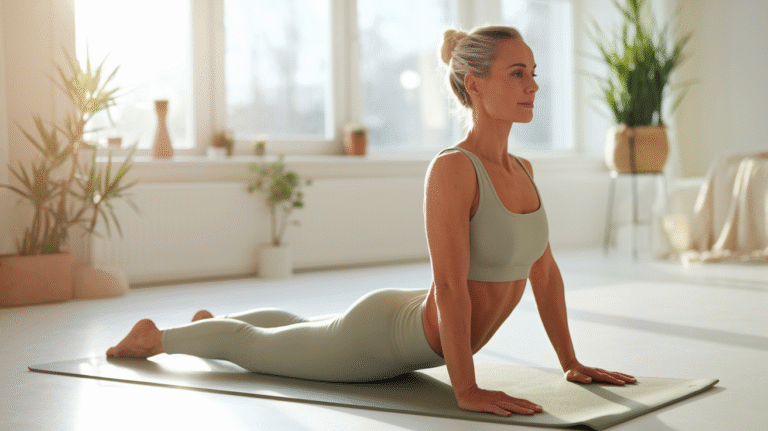
Flexibility and recovery aren’t optional anymore—they’re essential. Stretching, yoga, and rest days prevent injury and improve performance. Your body needs more recovery time now. Honor that instead of pushing through. Active recovery like gentle walks or stretching keeps you moving without overtaxing your system.
Making It Ridiculously Easy to Start
Use the “too easy to fail” approach for your first week. Set the bar so low that you can’t possibly not succeed. Maybe it’s just 5 minutes of movement daily. Or three 10-minute walks this week. Or two strength sessions with bodyweight exercises only. Build confidence through small wins before increasing difficulty.
Progress gradually to build up without burning out. Add 5-10% more each week—an extra rep, a slightly heavier weight, two more minutes. This progressive approach prevents injury and creates sustainable growth. You’re building a lifestyle, not sprinting toward a finish line.
Modify popular workouts for your body’s needs. If regular push-ups hurt your wrists, do them against a wall or counter. If jumping exercises bother your knees, substitute marching or step-touches. Every exercise has modifications. Work with your body, not against it.
Nutrition Basics Without the Diet Drama
Make simple eating adjustments that support your fitness goals without complicated diet rules. Focus on protein at every meal to support muscle building and recovery. Stay hydrated—aim for half your body weight in ounces of water daily. Eat enough to fuel your workouts; undereating sabotages your efforts.
The proven trifecta is protein, hydration, and energy. Get 0.8-1 gram of protein per pound of body weight. Drink water consistently throughout the day. Eat enough complex carbs to fuel your activity and enough healthy fats to support hormone production. It’s not complicated, but it is important.
Use meal prep shortcuts for your perpetually busy schedule. Cook proteins in bulk on Sundays. Pre-chop vegetables. Keep simple, nutritious options readily available. The easier healthy eating is, the more likely you’ll stick with it when life gets chaotic.
Your Fitness Journey Starts Now (Not Monday, Not January—Now)
You’ve learned that fitness after 40 requires a different approach—one that honors your body’s changes while leveraging your mental strength. You’ve discovered practical strategies for finding time in your packed schedule, from 10-minute workouts to stacking habits with existing routines. You understand how to build sustainable motivation through meaningful goals, accountability, and self-compassion. And you know what an effective workout plan looks like for your life stage.
Being over 40 and busy isn’t a barrier to fitness—it’s your launching pad for authentic, lasting transformation. You bring wisdom, discipline, and clarity about what matters. You don’t need to prove anything to anyone. You’re doing this for you, on your terms, in ways that fit your real life.
The complete truth? You don’t need more hours in the day. You need a better approach, and now you have one. You’ve handled harder things than this—career challenges, relationship complexities, raising humans, navigating life’s curveballs. You absolutely have what it takes to get fit and stay fit.
You deserve to feel strong, energized, and confident in your body. Not someday when life calms down or circumstances align perfectly. Now. Today. Exactly as you are, exactly where you are.
Your Simple First Step
Here’s your challenge: Do 10 minutes of movement today. Right now, if possible. It can be a walk around your neighborhood, a quick YouTube workout video, or simple bodyweight exercises in your living room. Just 10 minutes. Prove to yourself that you can start.
Don’t wait for the perfect plan, the perfect time, or the perfect motivation. Start small, but start today. Every fit woman over 40 started exactly where you are now—overwhelmed, tired, uncertain if she could do it. The only difference between them and you is that they started.
You’ve got this. Now go show yourself what you’re capable of.