Ultimate 30-Day Glute Challenge for Women Over 40
Let’s talk about something most fitness plans ignore: your body after 40 operates differently than it did in your 20s and 30s. That’s not a limitation—it’s just a fact that requires a smarter approach.
After 40, hormonal shifts accelerate muscle loss. Research shows women lose approximately 3-8% of muscle mass per decade after 30, with the rate increasing after menopause. Your glutes—the largest muscle group in your body—take one of the biggest hits. This isn’t just about how your jeans fit (though that matters too). Weak glutes directly contribute to lower back pain, poor posture, decreased metabolism, and increased fall risk.
This 30-day challenge addresses exactly what your body needs now. Unlike generic workout plans designed for 25-year-olds, this program accounts for joint sensitivity, recovery needs, and the specific hormonal environment women over 40 navigate. You’ll work smarter, not just harder.
In just 30 days, you’ll build noticeable strength, improve your posture, boost your metabolism, and yes—create that lifted, toned shape you’re after. You’ll move through daily activities with more confidence and less discomfort. You’ll feel powerful in your body again.
This guide provides everything you need: the exact exercises, weekly progression, nutrition strategies, recovery techniques, and troubleshooting for common obstacles. No gym membership required—just commitment, consistency, and the willingness to invest 20-30 minutes daily in yourself. You’re about to discover that your strongest, most confident years are absolutely ahead of you.
Why Glutes Matter More After 40: The Essential Facts
The Science Behind Aging Glutes
Your glutes aren’t just about aesthetics—they’re metabolic powerhouses. As the largest muscle group in your body, strong glutes burn calories even at rest. After 40, you naturally experience sarcopenia (age-related muscle loss), which slows your metabolism by approximately 2-3% per decade. Building and maintaining glute muscle directly counteracts this decline.
Strong glutes also serve as your body’s foundation. They stabilize your pelvis, support your spine, and control movement in your hips. When glutes weaken, other muscles compensate poorly. Your lower back takes excessive strain, leading to chronic pain. Your knees rotate inward during movement, increasing injury risk. Your hip flexors tighten from overuse, affecting your gait and posture.
The connection between glute strength and back pain is particularly significant for women over 40. Studies show that 80% of adults experience back pain, with prevalence increasing with age. Strengthening your glutes removes pressure from your spine by properly distributing load during movement. Many women report dramatic back pain reduction within weeks of targeted glute training.
Beyond Aesthetics: Proven Health Benefits
Balance and fall prevention become critical after 40. Falls are the leading cause of injury-related deaths in women over 65, and prevention starts now. Strong glutes stabilize your pelvis during single-leg movements—every step you take. This challenge specifically includes balance-focused exercises that train real-world stability.
Your joints benefit tremendously from glute strength. Weak glutes force your knees to compensate during squatting, climbing stairs, and standing from chairs. This compensation pattern accelerates knee cartilage wear and contributes to arthritis pain. Proper glute activation protects your knees by maintaining correct leg alignment throughout movement.
Functional fitness—your ability to perform daily activities easily—depends heavily on glute strength. Lifting groceries, playing with grandchildren, gardening, traveling comfortably—all require strong glutes. This challenge focuses on movement patterns you use daily, so strength transfers directly to your life.
Resistance training, including glute work, increases bone density. After menopause, women lose bone density rapidly, increasing osteoporosis risk. Weight-bearing glute exercises signal your body to maintain and build bone, particularly in your hips and spine—the most critical areas for fracture prevention.
Addressing Common Concerns for Women Over 40
Joint sensitivity is real, and this program respects that. You’ll learn modifications that protect your knees and hips while still challenging your glutes effectively. Many exercises are low-impact, eliminating jumping or jarring movements while delivering excellent results.
Recovery takes longer after 40—your body needs more time to repair and adapt. This challenge incorporates strategic rest days and teaches you to distinguish between productive muscle fatigue and potential injury signals. You’ll learn exactly when to push and when to rest.
Different fitness levels require different approaches. Whether you’re returning to exercise after years away or you’re already active, this program includes modifications for every exercise. You’ll start where you are and progress at your appropriate pace, not someone else’s.
Your Complete 30-Day Glute Challenge Blueprint
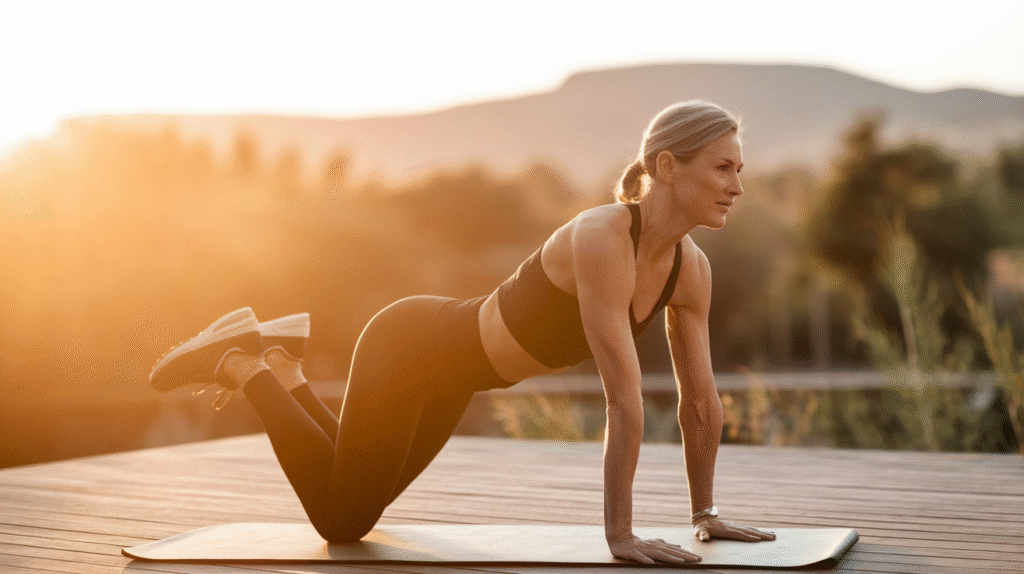
How the Challenge Works
Progressive overload is the simple principle behind all muscle growth: gradually increasing demands on your muscles over time. This challenge applies progressive overload through increased repetitions, added resistance, longer time under tension, and more challenging exercise variations. You’ll never plateau because the difficulty continuously adapts to your improving strength.
Here’s your weekly breakdown: Week 1 establishes your foundation with perfect form and muscle activation. Week 2 increases intensity through higher repetitions and added resistance bands. Week 3 challenges your limits with advanced variations and minimal rest periods. Week 4 brings everything together for maximum results and final assessment.
Rest days are non-negotiable. Your muscles don’t grow during workouts—they grow during recovery. This program includes two rest days weekly, strategically placed to optimize recovery while maintaining momentum. On rest days, you’ll perform gentle stretching or light walking, not complete inactivity.
Tracking progress keeps you motivated and helps you recognize results beyond the mirror. You’ll measure glute circumference, track repetitions completed, note how exercises feel, and photograph your progress. These objective measures reveal improvements you might otherwise miss.
The Perfect Exercise Selection
These eight essential exercises form your complete program:
1. Glute Bridges: The foundation movement that teaches proper glute activation while protecting your back. You’ll squeeze at the top, hold briefly, and lower with control.
2. Single-Leg Glute Bridges: Advances the bridge by isolating each side, revealing and correcting strength imbalances while dramatically increasing difficulty.
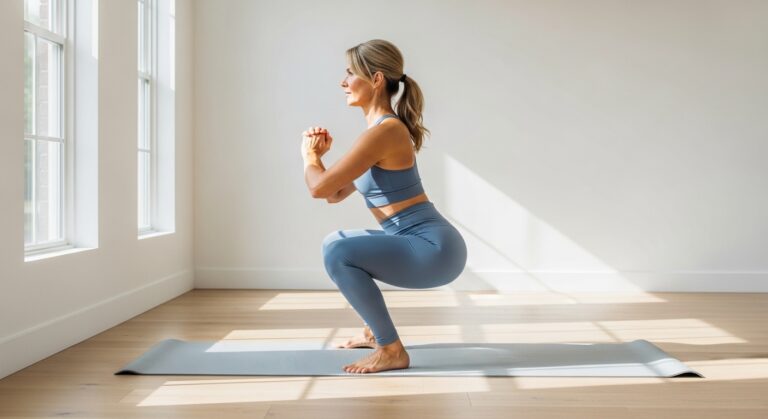
3. Squats: The ultimate functional movement that builds total lower body strength with heavy glute emphasis when performed correctly.
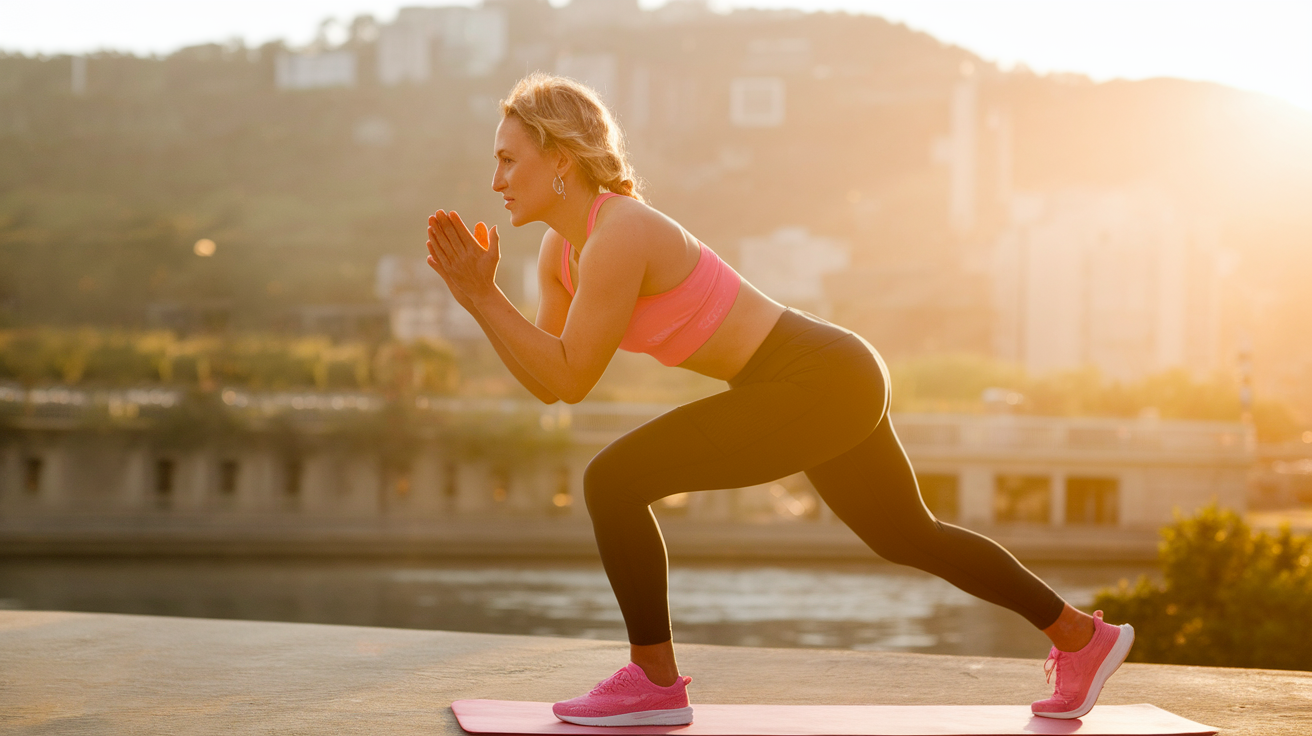
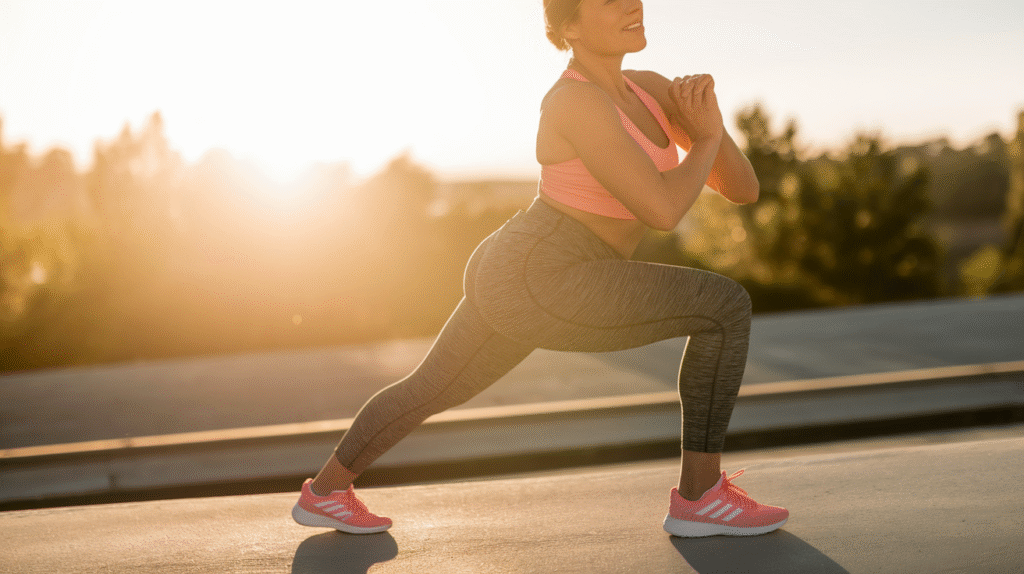
4. Reverse Lunges: Safer for knees than forward lunges while delivering powerful glute activation, especially in the rear leg.
5. Donkey Kicks: Isolates your gluteus maximus through hip extension, teaching you to move from your glutes rather than your lower back.
6. Fire Hydrants: Targets your gluteus medius (side glutes) for hip stability and that rounded shape from all angles.
7. Clamshells: Strengthens your external hip rotators and gluteus medius, essential for knee health and preventing hip pain.
8. Resistance Band Walks: Builds lateral strength and activates your glute medius throughout continuous tension.
Equipment needs are minimal: a yoga mat for comfort, resistance bands (light, medium, and heavy), and optional dumbbells or kettlebells for added challenge. Everything fits in a small bag and costs under $30 total.
Week-by-Week Structure
Week 1: Foundation Building
Focus entirely on perfect form and mind-muscle connection. You’ll perform 2 sets of 10-12 repetitions for each exercise, resting 60 seconds between sets. Workouts take approximately 20 minutes. Your goal is learning to feel your glutes working, not exhaustion. Practice the activation cue: squeeze your glutes as if holding a coin between your cheeks at the top of each movement.
Monday, Wednesday, Friday: Full routine. Tuesday, Thursday: Rest or gentle yoga. Saturday: Active recovery walk. Sunday: Complete rest.
Week 2: Increasing Intensity
Increase to 3 sets of 12-15 repetitions. Add light resistance bands to bridges, squats, and walks. Reduce rest periods to 45 seconds. Workouts extend to 25 minutes. You should feel significantly challenged by your final set.
Same weekly schedule with increased difficulty during workout days. You’ll notice improved endurance and form becomes more automatic.
Week 3: Peak Performance
Advance to 3 sets of 15-20 repetitions. Incorporate medium resistance bands and optional weights for squats and lunges. Rest periods drop to 30 seconds, increasing cardiovascular challenge alongside strength building. Workouts reach 30 minutes. This week tests your limits—embrace the burn.
Consider adding a fourth workout day if recovery allows, but prioritize quality over quantity. Your glutes should feel fatigued but not painful.
Week 4: Finishing Strong
Maintain 3 sets of 15-20 repetitions with maximum resistance you can control with perfect form. Add advanced variations: pulse repetitions at the top of movements, single-leg exercises, and extended holds. Workouts remain 30 minutes but feel significantly more intense than Week 1.
This final week showcases how far you’ve progressed. Exercises that felt impossible four weeks ago now feel manageable. Your body has adapted, grown stronger, and transformed.
Quick Tips for Maximum Results
Nutrition Strategies That Support Muscle Growth
Protein requirements increase after 40. Your body becomes less efficient at processing protein, requiring more to maintain and build muscle. Target 0.7-1 gram of protein per pound of body weight daily. For a 150-pound woman, that’s 105-150 grams daily—significantly more than most women consume.
Easy protein sources include: Greek yogurt (20g per cup), eggs (6g each), chicken breast (30g per 4 ounces), salmon (25g per 4 ounces), cottage cheese (25g per cup), protein powder (20-25g per scoop), and legumes (15g per cup). Distribute protein across all meals rather than loading it at dinner.
Meal timing matters for muscle recovery. Consume 20-30 grams of protein within two hours after workouts when your muscles are most receptive to nutrients. This doesn’t require complicated supplements—a protein smoothie, Greek yogurt with berries, or eggs with vegetables works perfectly.
Hydration directly affects muscle function and recovery. Dehydration reduces strength, increases fatigue, and slows recovery. Drink half your body weight in ounces daily (a 150-pound woman needs 75 ounces). Increase intake on workout days and in hot weather.
Anti-inflammatory foods support joint health and reduce exercise-related soreness. Prioritize fatty fish (salmon, sardines), colorful vegetables, berries, nuts, olive oil, and turmeric. Minimize processed foods, excess sugar, and alcohol—all of which increase inflammation and hinder recovery.
Recovery and Self-Care Essentials
Foam rolling releases muscle tension and increases blood flow, accelerating recovery. Spend 5-10 minutes post-workout rolling your glutes, hip flexors, hamstrings, and lower back. Roll slowly, pausing on tender spots for 20-30 seconds. This practice reduces next-day soreness significantly.
Your glute-focused foam rolling routine: Sit on the roller with one ankle crossed over the opposite knee. Lean toward the crossed leg side and roll slowly. Switch sides. Then target your hip flexors by lying face-down with the roller under your hip crease, rolling gently side to side.
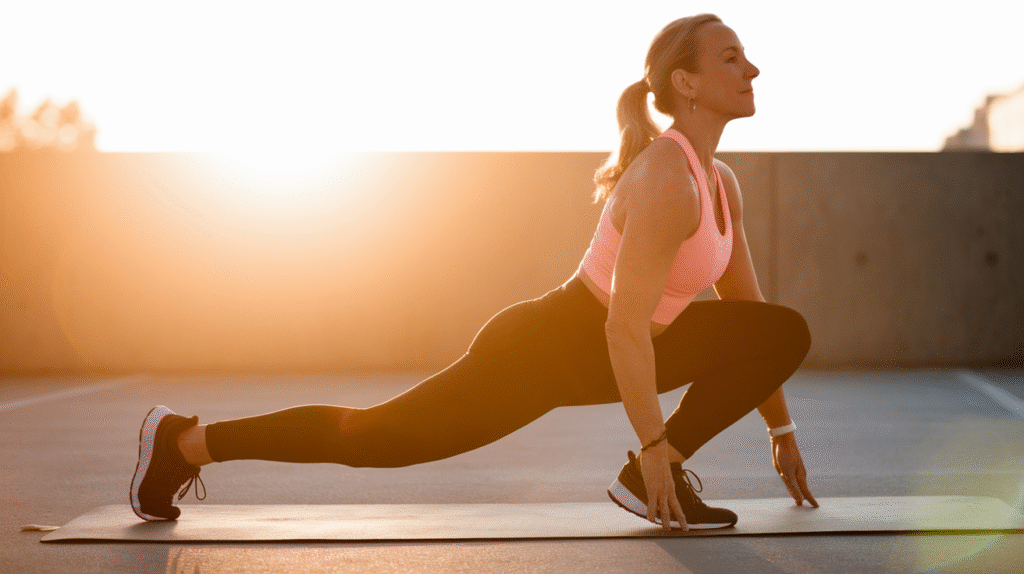
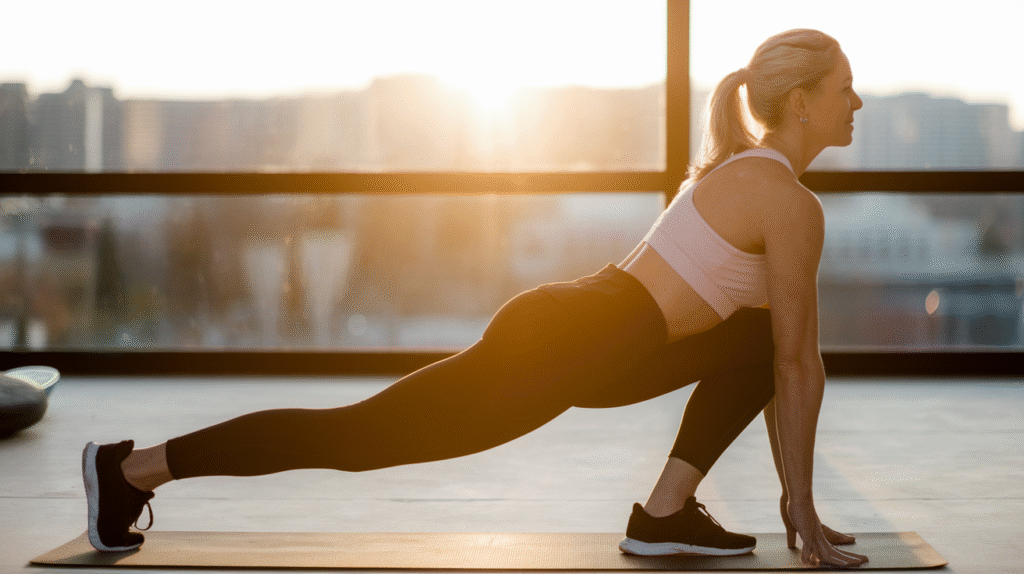
Stretching prevents tightness and maintains mobility. After every workout, hold these stretches for 30 seconds each: pigeon pose (deep glute stretch), figure-four stretch (targets external rotators), hip flexor lunge (releases tight hip flexors), and child’s pose (releases lower back).
Sleep is when your muscles actually repair and grow. Prioritize 7-9 hours nightly. Poor sleep increases cortisol, which breaks down muscle tissue and stores fat. Create a consistent sleep schedule, keep your bedroom cool and dark, and avoid screens for one hour before bed.
DOMS (delayed onset muscle soreness) peaks 24-48 hours post-workout. This is normal, not injury. Manage it through light movement (walking, gentle yoga), adequate hydration, proper nutrition, foam rolling, and Epsom salt baths. Don’t confuse productive soreness with sharp pain—sharp pain signals potential injury requiring rest.
Staying Motivated Through All 30 Days
Realistic expectations prevent discouragement. You will see strength improvements within two weeks. Visible shape changes typically appear around week three. Significant transformation occurs by day 30, but continues developing for months afterward. Progress isn’t linear—some weeks you’ll leap forward, others you’ll maintain. Both are valuable.
Celebrate small wins daily: completing your workout when you didn’t feel like it, adding one more repetition than yesterday, feeling stronger during daily activities, or simply showing up consistently. These victories compound into major transformation.
Accountability dramatically increases success rates. Options include: finding a workout buddy (in-person or virtual), posting progress on social media, joining online communities of women over 40 pursuing fitness goals, or simply texting a friend after each completed workout. Public commitment creates positive pressure.
If you miss a day, don’t spiral into all-or-nothing thinking. One missed workout doesn’t erase your progress. Simply resume with your next scheduled workout. Consistency over 30 days matters more than perfection. Life happens—what matters is getting back on track immediately.
Progress photos and measurements reveal changes your eyes might miss. Take front, side, and back photos in consistent lighting and clothing on Day 1, Day 15, and Day 30. Measure your glutes at the widest point and your waist. These objective records motivate you when motivation wanes and prove your hard work is paying off.
Overcoming Common Challenges and Roadblocks
“I Don’t Feel It in My Glutes”
The mind-muscle connection—consciously focusing on the muscle you’re working—significantly increases activation and results. During every repetition, mentally direct your attention to your glutes. Visualize them contracting and lifting. This isn’t woo-woo; research confirms focused attention increases muscle fiber recruitment.
Before every workout, perform this activation sequence: 20 glute bridges with 3-second holds at the top, 20 clamshells per side moving slowly, and 30 seconds of resistance band walks. These “wake up” dormant glutes that have been inactive from excessive sitting, ensuring they fire properly during your main workout.
Common form mistakes that shift work away from glutes include: arching your lower back during bridges (squeeze your abs and tilt your pelvis slightly), pushing through your toes instead of heels during squats (shift weight to your heels), and moving too quickly through repetitions (slow down, control every inch of movement).
The “squeeze and hold” technique maximizes glute activation: At the peak contraction of every exercise, squeeze your glutes as hard as possible for 2-3 seconds before lowering. This simple addition dramatically increases muscle fiber recruitment and accelerates results.
Managing Time Constraints and Busy Schedules
When time is limited, use this efficient 15-minute workout: 3 sets of glute bridges (20 reps), 3 sets of squats (15 reps), and 3 sets of donkey kicks (15 per leg), with minimal rest between exercises. This abbreviated version maintains momentum when life gets hectic.
Integrate exercises throughout your day: Perform clamshells while watching TV, do glute bridges before getting out of bed, practice squats while brushing your teeth, or do resistance band walks during phone calls. These micro-workouts accumulate significant volume.
Morning versus evening workouts—which is best? The answer: whichever you’ll actually do consistently. Morning workouts ensure completion before daily chaos interferes and boost energy all day. Evening workouts allow you to release accumulated stress and often permit heavier lifting after your body has warmed up throughout the day. Experiment and choose based on your schedule and preference.
Dealing with Plateaus and Slow Progress
Progress after 40 isn’t linear like it was in your younger years. Your body requires more recovery time and responds to training stimuli differently. Some weeks you’ll feel incredibly strong; others you’ll maintain. Hormonal fluctuations throughout your cycle also affect performance. This variability is normal, not failure.
Increase intensity without adding time through these methods: reduce rest periods between sets, add resistance bands or weights, perform exercises slower (especially the lowering phase), incorporate pulses at peak contraction, or switch to single-leg variations that double the challenge.
Adjust your approach when progress stalls: Change exercise order, swap one exercise for a new variation, increase your rest day recovery focus, evaluate your protein intake, or simply persist—sometimes plateaus break suddenly after consistent effort.
Non-scale victories deserve celebration: carrying groceries upstairs without breathlessness, playing actively with grandchildren, standing from the floor easily, improved posture, reduced back pain, better sleep, increased energy, compliments from friends, and clothes fitting better. These improvements reflect genuine health transformation regardless of what your scale reports.
Conclusion
Your Journey Starts Now
Thirty days from now, you’ll look back amazed at what your body accomplished. You’ll feel genuine strength in your glutes—strength that translates to every movement throughout your day. You’ll stand taller, move more confidently, and experience less pain. Your metabolism will be more active, your bones denser, and your balance more stable.
The benefits extend far beyond physical changes. You’ll prove to yourself that age doesn’t limit your potential—it simply requires adapting your approach. You’ll join thousands of women over 40 who refuse to accept decline as inevitable and instead choose strength, vitality, and continuous improvement.
This challenge delivers real, measurable results: increased muscle tone, improved functional fitness, better health markers, and renewed confidence in your body’s capabilities. You’re not trying to look 25 again—you’re becoming the strongest, healthiest version of yourself right now.
Clear Action Steps to Begin Today
Your Day 1 checklist: Take your “before” photos and measurements, gather your equipment (mat, resistance bands), schedule your workout times in your calendar for the entire week, prepare your workout space, and review Week 1 exercises to familiarize yourself with proper form.
Set yourself up for success by preparing protein-rich snacks, establishing a consistent sleep schedule, informing your family about your commitment so they can support you, and joining an online community of women pursuing similar goals for accountability and encouragement.
You’re joining a powerful community of women over 40 who prioritize their health, refuse to accept limitations, and support each other’s success. Share your journey, celebrate your wins, ask questions when you need help, and encourage others when they struggle.
Beyond the 30 Days
Your results don’t end at day 30—they’re just beginning. Maintain your progress by continuing 3-4 glute-focused workouts weekly, progressively increasing resistance, and treating your nutrition and recovery with the same priority as your workouts.
Continue progressing by learning new exercise variations, incorporating different training methods (tempo training, supersets, drop sets), and setting new goals that excite and challenge you. Your body will continue adapting and improving for months and years ahead.
Here’s your final truth: You are stronger than you think. Your age is not a limitation—it’s an advantage born from wisdom, discipline, and knowing exactly what you want. Your best years aren’t behind you; they’re ahead, and they start with the decision to invest in yourself today. You deserve to feel powerful, capable, and confident in your body. This challenge is your pathway there. Now go claim the strength that’s waiting for you.