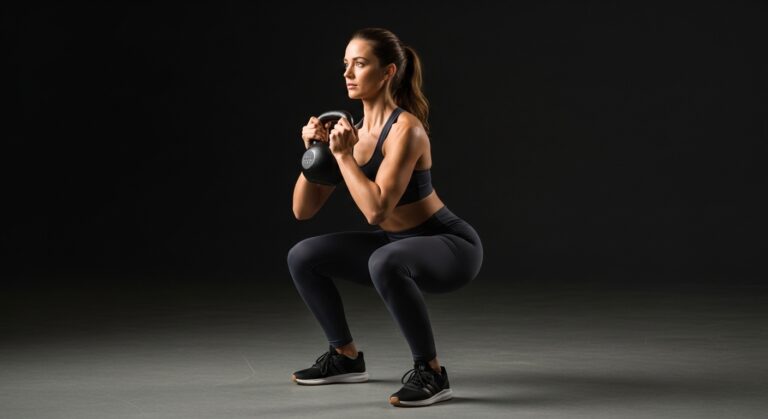
9 Gentle At-Home Full Body Exercises for Older Women
You stand in front of the mirror, wondering when daily tasks became so challenging. Reaching for that top shelf leaves you breathless. Getting up from your favorite chair requires momentum. Your grandchildren ask you to play, but you’re worried about keeping up—or worse, getting hurt.
Here’s what you need to know: these struggles aren’t inevitable parts of aging. They’re signs that your body needs movement, not rest.
I’m going to share proven, gentle exercises that build real strength without intimidation, expensive equipment, or risk of injury.
These movements transform how you feel in your body, restore your confidence, and give you back the independence you deserve. And the best part? You can do everything right in your living room.
Let me be clear: “gentle” doesn’t mean ineffective. These exercises deliver powerful results through controlled, purposeful movements that respect your body while challenging it appropriately.
You don’t need to jump, strain, or push yourself to exhaustion. You just need to show up consistently and trust the process.
By the end of this guide, you’ll have a complete, personalized workout routine that takes just 15-30 minutes. You’ll understand exactly how to perform each exercise safely, track your progress, and overcome the obstacles that have kept you from starting until now.
Your journey to feeling stronger, more balanced, and genuinely confident in your body starts right here.
Why Gentle Full Body Exercises Are Perfect for Older Women
The Science Behind Low-Impact, High-Reward Movement
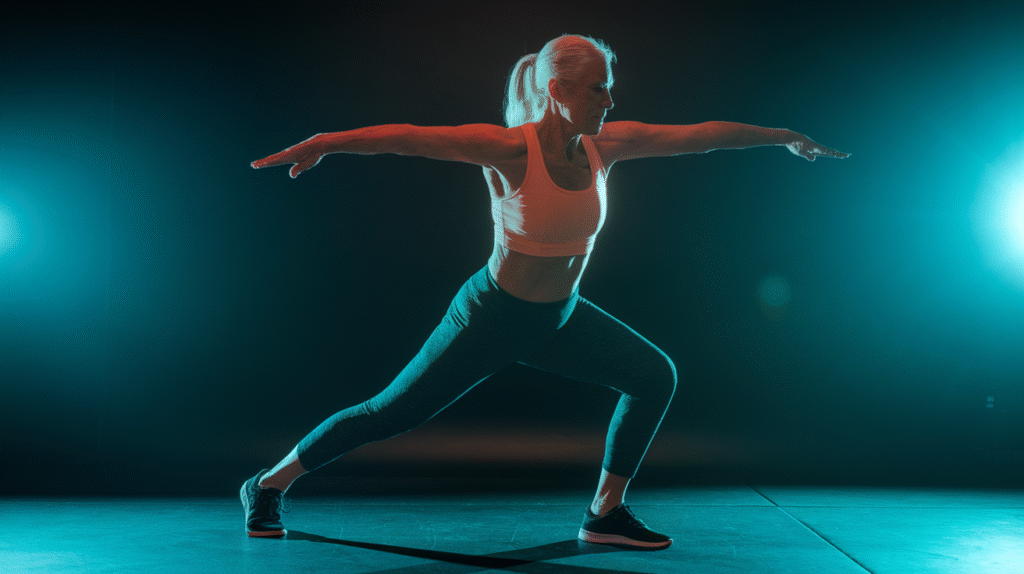
Your muscles respond to resistance training at any age—this is science-backed fact, not wishful thinking. Research consistently shows that women in their 60s, 70s, and beyond build muscle strength effectively through controlled, progressive exercises. The key difference from high-intensity workouts? Gentle exercises achieve these results without stressing your joints, spiking your heart rate dangerously, or risking injury.
Full-body workouts deliver something crucial that isolated exercises don’t: functional independence. When you strengthen multiple muscle groups together, you’re training your body for real life—carrying groceries, climbing stairs, playing with grandchildren, getting in and out of the car. These compound movements mirror how you actually use your body daily.
Here’s what matters most: consistency beats intensity every single time. Doing 15 minutes of gentle exercise four times weekly produces better long-term results than sporadic intense workouts that leave you sore, discouraged, or injured. Your body adapts gradually, building strength layer by layer when you give it regular, manageable challenges.
Benefits That Go Beyond Physical Fitness
Balance improvement isn’t just about not falling—it’s about moving through your home with confidence instead of fear. These exercises specifically target the stabilizing muscles that prevent falls, which is the leading cause of injury-related hospitalization for older women. Every single-leg movement, every controlled squat, every balance challenge strengthens the neuromuscular connections that keep you steady on your feet.
Bone density responds directly to weight-bearing exercise. When you perform standing exercises and gentle resistance movements, you’re sending signals to your bones to stay strong. This matters tremendously because osteoporosis affects millions of older women, and exercise is one of the most effective prevention strategies available.
The mental health benefits surprise most people with their intensity. Regular movement reduces anxiety by lowering cortisol levels. It improves sleep quality by regulating your circadian rhythm and tiring your body appropriately. Most importantly, it builds genuine confidence—not the fake “you can do anything” kind, but the real confidence that comes from feeling your body grow stronger week after week.
What Makes These Exercises “Gentle” Yet Effective
Controlled movements mean you’re always in charge. There’s no momentum carrying you through exercises where you might lose control. Instead, you move deliberately, feeling each muscle engage, maintaining perfect form throughout. This control actually increases effectiveness because your muscles work harder when they can’t rely on momentum.
Every exercise I’ll show you includes modifications that let you adjust intensity based on your current fitness level. Starting with wall push-ups instead of floor push-ups isn’t “cheating”—it’s smart training that builds strength progressively. As you grow stronger, you naturally progress to more challenging variations.
Zero jumping or jarring movements means zero unnecessary stress on your joints. High-impact exercise isn’t required for results, and it significantly increases injury risk for older women. These gentle exercises protect your knees, hips, and back while still delivering the resistance your muscles need to grow stronger.
Essential Warm-Up Movements to Prepare Your Body
Why Warming Up Is Non-Negotiable
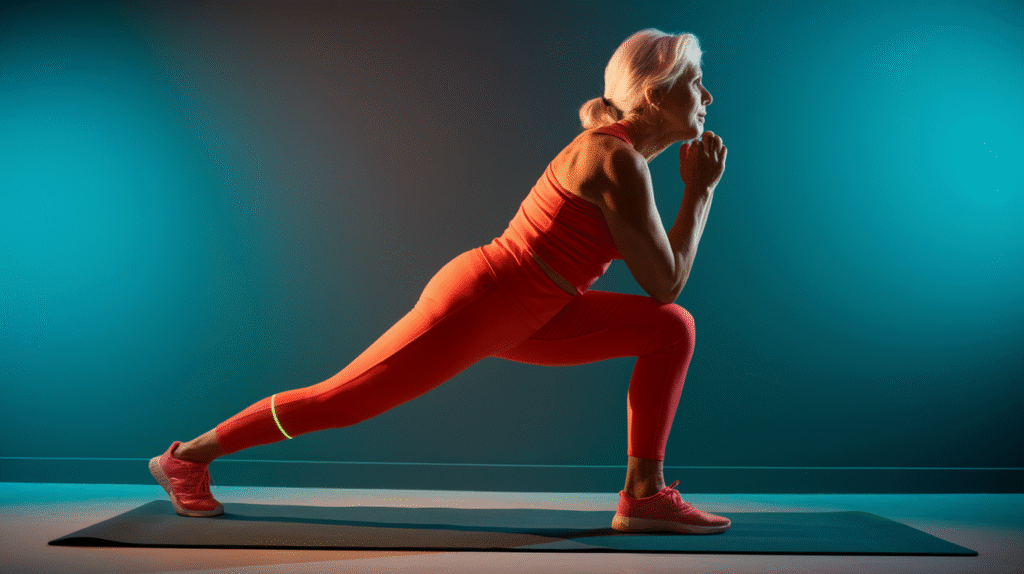
Your warm-up prevents injury more effectively than any other single factor. Cold muscles are stiff, less flexible, and prone to strains. Warm muscles are pliable, responsive, and ready to work. This five-minute investment protects you from setbacks that could derail your progress for weeks.
Proper warm-ups also maximize your workout effectiveness. When blood flows to your muscles and your joints are lubricated, every exercise feels smoother and works better. You’ll complete more repetitions with better form, which means faster strength gains.
Beyond the physical preparation, warming up prepares your mind. These few minutes let you transition from your busy day into focused movement time. You connect with your body, notice how you feel, and set your intention for the workout ahead.
Gentle Warm-Up Sequence You Can Do Anywhere
Seated or Standing Arm Circles open your shoulder joints and increase circulation throughout your upper body. Stand or sit tall, extend your arms out to the sides at shoulder height, and make small circles forward for 30 seconds. Then reverse direction for another 30 seconds. Keep the movements controlled and smooth—this isn’t about speed.
Gentle Neck Rolls release the tension most of us carry in our necks and shoulders. Drop your chin toward your chest, then slowly roll your head to the right, bringing your ear toward your shoulder. Continue the circle back, then to the left, and return to center. Complete 10 slow, deliberate rotations. Never force the movement or push into pain.
Hip Circles prepare your hips for lower body exercises. Stand behind a chair with one hand resting lightly on the back for balance. Lift your right knee slightly and make 10 circles with your knee, moving from the hip joint. Reverse direction for 10 more circles, then switch legs. This lubricates the hip joint and activates the surrounding muscles.
Ankle Rotations strengthen the small stabilizing muscles in your feet and ankles. Sit in a chair and lift your right foot slightly off the ground. Rotate your ankle in circles, moving as large as comfortable. Complete 10 rotations in each direction, then switch feet. Strong ankles directly improve balance and prevent falls.
March in Place gradually elevates your heart rate without strain. Stand tall (use a chair for balance if needed) and march in place for 1-2 minutes, lifting your knees as high as comfortable. Swing your arms naturally. This transition movement prepares your cardiovascular system for the work ahead.
Chair-Assisted Warm-Up Options
A sturdy chair becomes your best training partner. Keep one hand resting lightly on the chair back during standing warm-ups if you feel unsteady. This support lets you focus on the movement itself rather than worrying about balance.
If standing feels challenging, perform seated versions of these warm-ups. Seated arm circles work identically to standing ones. Hip circles can be done by lifting one knee and rotating it while seated. Ankle rotations are actually easier to perform while sitting.
You’ll know you’re properly warmed up when you feel slightly warmer, your joints move more freely, and you’re breathing a bit deeper than at rest. This typically takes 5-7 minutes. Never rush this preparation—it’s the foundation of safe, effective exercise.
Proven Full Body Exercises You Can Start Today
Upper Body: Build Strength for Daily Tasks
Wall Push-Ups sculpt your chest, shoulders, and arms while protecting your wrists, shoulders, and back. Stand arm’s length from a wall, place your palms flat against the wall at shoulder height and width. Keep your body straight from head to heels as you bend your elbows, bringing your chest toward the wall. Push back to starting position. Complete 8-12 repetitions.
Form is everything here. Keep your core engaged—imagine pulling your belly button toward your spine. Don’t let your hips sag or stick out. Your body should move as one solid unit. Breathe in as you lower toward the wall, exhale as you push away.
As you build strength, step further from the wall to increase difficulty. Eventually, you might progress to counter push-ups (hands on kitchen counter instead of wall), which require more strength but remain gentler than floor push-ups.
Seated Overhead Reaches tone your shoulders and improve your range of motion, making tasks like putting away dishes or changing lightbulbs effortless. Sit tall in a chair with feet flat on the floor. Hold a light weight in each hand (or soup cans, water bottles, or nothing at all). Start with hands at shoulder height, then press both arms straight overhead. Lower with control. Complete 10-15 repetitions.
The key is maintaining good posture throughout. Don’t arch your back as you reach up—keep your core engaged and ribcage stable. If your shoulders feel tight, reduce your range of motion. You’ll gain flexibility over time.
Arm Raises strengthen your shoulders from multiple angles. Stand tall (use chair for balance if needed) holding light weights or nothing at all. For front raises, keep arms straight and lift them forward to shoulder height, then lower. For side raises, lift arms out to the sides to shoulder height. Complete 8-10 repetitions of each variation.
Common mistakes to avoid: Don’t use momentum to swing the weights up. Don’t shrug your shoulders toward your ears. Keep movements slow and controlled. If you can’t maintain good form, reduce the weight or eliminate it entirely—bodyweight provides plenty of resistance when you’re starting.
Core: Your Foundation for Balance and Stability
Seated Torso Twists improve spinal mobility while strengthening the oblique muscles that support your entire core. Sit tall in a chair with feet flat on floor. Place your hands behind your head or cross them over your chest. Keep your hips facing forward and rotate your upper body to the right, twisting from your waist. Return to center, then twist left. Complete 10 repetitions to each side.
This gentle rotation protects your back because you’re not adding weight or moving rapidly. The controlled movement actually helps reduce back pain by improving mobility in the thoracic spine, where many people develop stiffness. You’ll notice better posture and easier movement in daily activities that require twisting, like reaching for your seatbelt or looking behind you.
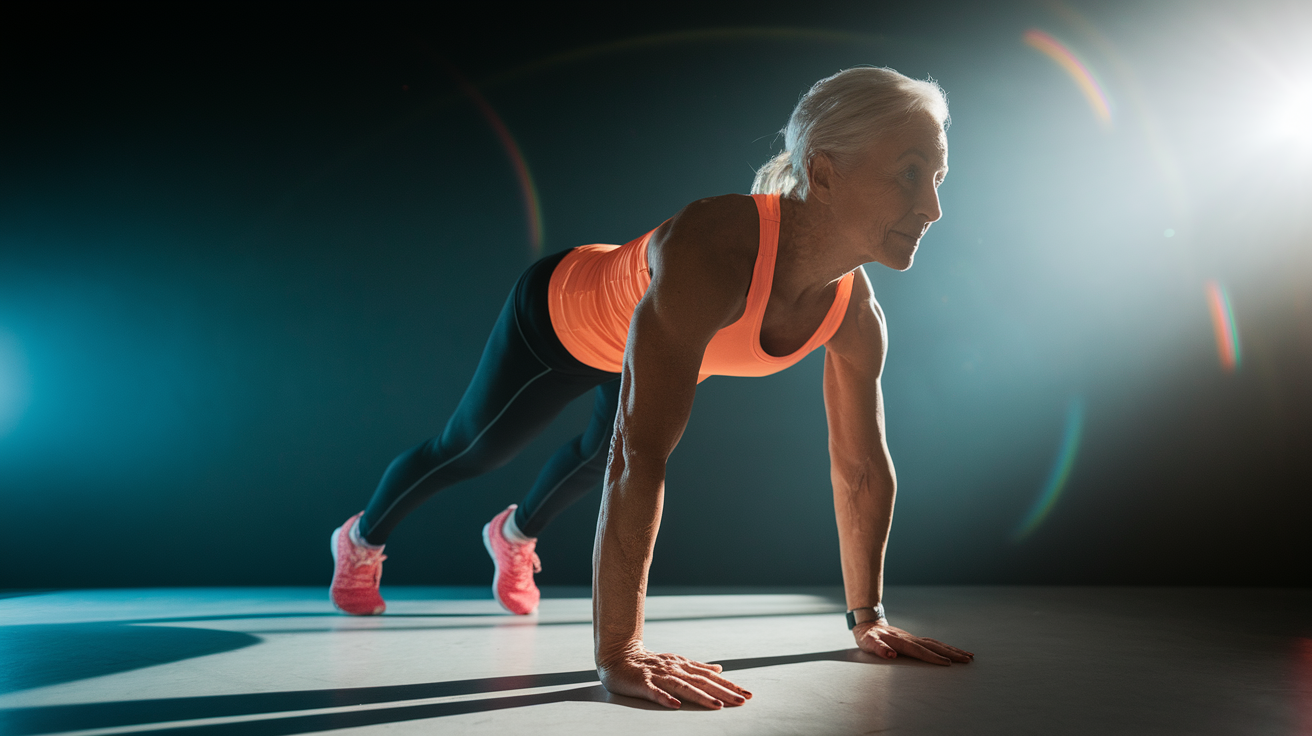
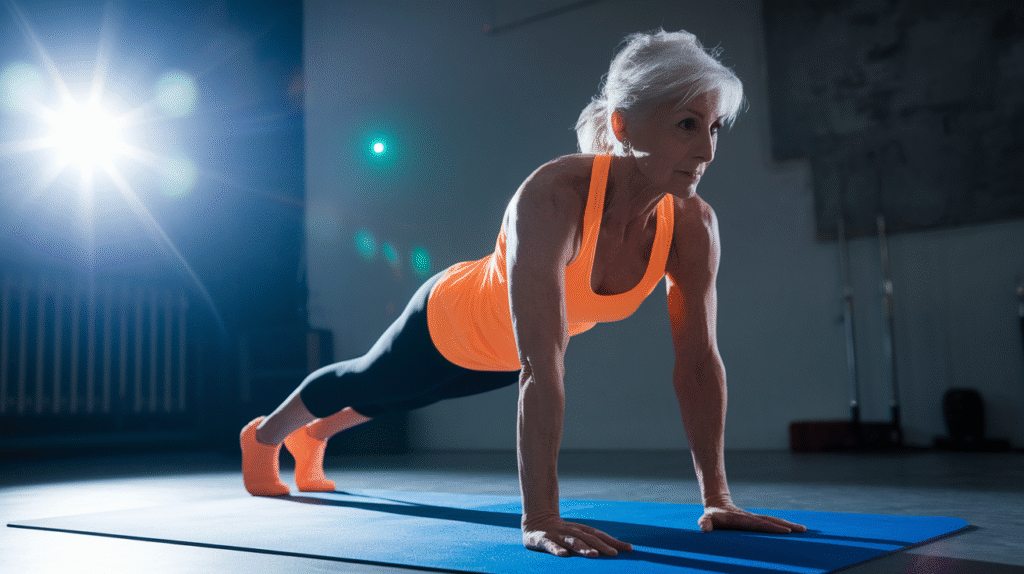
Modified Planks build powerful core stability without the strain of floor planks. Stand arm’s length from a wall or kitchen counter. Place your hands flat against the surface, step your feet back until your body forms a straight line from head to heels. Hold this position for 10-20 seconds, keeping your core tight and breathing steadily.
This variation is safer for beginners because it reduces the load on your core while still providing effective resistance. As you grow stronger, you can step further back from the wall or move to a lower surface (counter, then sturdy table, eventually the floor if you choose). The goal is feeling your entire core working, not achieving a specific position.
Pelvic Tilts strengthen the deep core muscles that support your lower back and improve posture. You can perform these lying on your back with knees bent, or standing with your back against a wall. Flatten your lower back against the floor or wall by tilting your pelvis upward (imagine tucking your tailbone). Hold for 2-3 seconds, then release. Complete 12-15 repetitions.
These subtle movements deliver immediate benefits for daily comfort. Many older women experience lower back discomfort from weak core muscles and poor posture. Pelvic tilts directly address this weakness, building the foundational strength that supports everything else you do.
Lower Body: Maintain Mobility and Independence
Chair Squats are the most effective exercise for functional leg strength. They directly translate to easier standing from chairs, toilets, and beds—movements you perform dozens of times daily. Stand in front of a sturdy chair, feet hip-width apart. Slowly lower yourself until you lightly touch the chair seat (don’t sit down fully), then stand back up. Complete 8-12 repetitions.
Proper form breakdown: Keep your weight in your heels, not your toes. Push your hips back as if you’re about to sit down. Keep your chest up and core engaged. Your knees should track over your toes, not collapse inward. If you need to actually sit down between repetitions, that’s perfectly fine—you’re still building strength.
Safety tip: Place the chair against a wall so it can’t slide backward. Start by sitting down fully and standing up, then progress to just touching the seat lightly, and eventually you’ll squat without the chair at all.
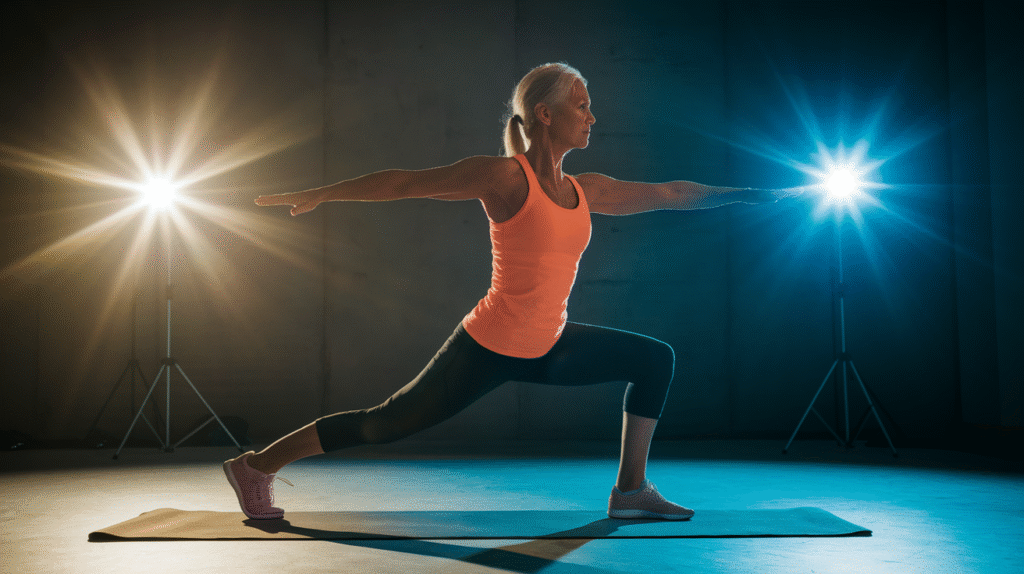
Standing Leg Lifts tone your legs while improving balance and hip stability. Stand behind a chair with one hand resting lightly on the back for support. For front leg lifts, keep your leg straight and lift it forward about 12 inches, lower with control. For side leg lifts, lift your leg out to the side. For back leg lifts, lift your leg behind you while keeping your back straight. Complete 10 repetitions of each variation per leg.
These movements target different muscle groups: front lifts strengthen hip flexors and quads, side lifts work your outer hips and glutes, back lifts target glutes and hamstrings. Together, they create balanced leg strength that supports every movement you make.
Using the chair for support doesn’t compromise effectiveness—it ensures you maintain proper form and balance while your muscles do the real work. As your balance improves, you’ll naturally need less support.
Heel and Toe Raises build calf strength and ankle stability, which are critical for fall prevention and walking confidence. Stand behind a chair with both hands resting lightly on the back. For heel raises, rise up onto your toes, lifting your heels as high as comfortable. Hold for 2 seconds, then lower. For toe raises, rock back onto your heels, lifting your toes off the ground. Complete 12-15 repetitions of each.
Strong calves matter more than most people realize. They power every step you take, help you navigate uneven surfaces, and prevent ankle injuries. These simple exercises deliver significant improvements in walking stability and endurance.
Simple progression: Start with both hands on the chair, progress to one hand, then fingertips only, and eventually no support at all. You can also increase difficulty by holding the raised position longer or performing the exercises more slowly.
Creating Your Personalized At-Home Routine
How to Structure Your Workout for Maximum Results
Three to four workout sessions per week delivers optimal results for building strength while allowing proper recovery. Your muscles actually grow stronger during rest days, not during workouts. Exercise creates tiny tears in muscle fibers; rest allows them to repair stronger than before. This cycle requires balance—too much exercise prevents recovery, while too little doesn’t provide enough stimulus for growth.
Sample 15-Minute Routine (perfect for beginners):
- Warm-up sequence: 5 minutes
- Wall push-ups: 8 repetitions
- Chair squats: 10 repetitions
- Seated torso twists: 10 each side
- Standing leg lifts (front only): 8 per leg
- Heel raises: 12 repetitions
- Repeat the exercise circuit one more time
Sample 30-Minute Routine (for those ready to progress):
- Warm-up sequence: 7 minutes
- Complete all upper body exercises: 2 sets each
- Complete all core exercises: 2 sets each
- Complete all lower body exercises: 2 sets each
- Cool-down stretches: 5 minutes
Rest days are non-negotiable for muscle recovery and growth. Your body needs 48 hours between strength training sessions to repair and strengthen. Use rest days for gentle activities like walking, stretching, or complete rest—whatever your body needs.
Tracking Progress Without Intimidation
Measure improvement through simple, encouraging metrics. Count how many repetitions you can complete with good form—this number will increase steadily. Note how long you can hold modified planks—you’ll add seconds each week. Pay attention to how much support you need from the chair during exercises—you’ll naturally reach for it less as you strengthen.
Celebrate non-scale victories because they reveal your true progress. Notice when climbing stairs feels easier. Appreciate when you stand up from your chair without using your hands. Recognize when you have energy left at the end of the day. These changes matter infinitely more than any number on a scale.
Increase difficulty safely by adding repetitions first (up to 15), then adding sets (up to 3), and finally adjusting the exercise itself to a more challenging variation. Never progress multiple variables simultaneously—change one thing at a time so your body adapts gradually.
Overcoming Common Obstacles
“I don’t have time” is the most common excuse, and I’m going to challenge it directly. You don’t need to complete your entire workout in one session. Break it into three 5-minute segments: morning, afternoon, and evening. Five minutes before breakfast, five minutes before lunch, five minutes before dinner. You absolutely have five minutes three times daily.
“I’m too tired” reveals a misunderstanding about how energy works. Gentle movement actually increases energy levels by improving circulation, boosting mood-enhancing endorphins, and improving sleep quality. The fatigue you feel from inactivity is different from healthy tiredness after exercise. Try one 15-minute session and notice how you feel afterward—most people are surprised by the energy boost.
“I’m afraid I’ll hurt myself” is a legitimate concern that deserves a thoughtful response. These exercises are specifically designed to minimize injury risk through controlled movements, proper progressions, and built-in modifications. Start with the easiest variations, focus obsessively on proper form, and listen to your body. Discomfort during exercise is normal; sharp pain is a signal to stop and reassess.
“I feel silly exercising at home” stems from comparing yourself to others or feeling self-conscious. Reframe this: exercise is self-care, not vanity. You’re investing in your independence, health, and quality of life. You’re ensuring you can play with grandchildren, travel, and live on your own terms. That’s not silly—it’s one of the smartest things you can do.
Equipment You Don’t Need (And Simple Props That Help)
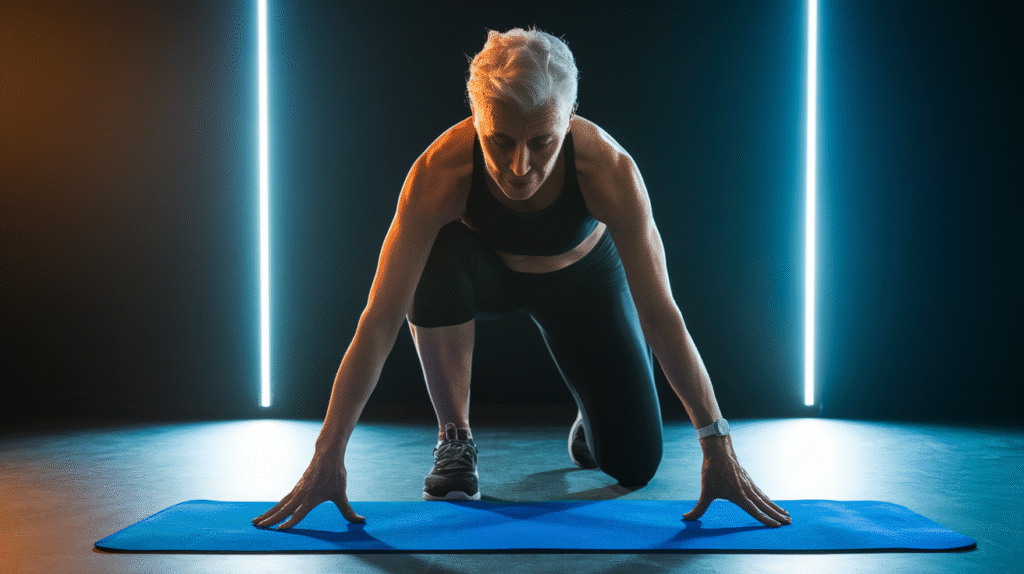
Bodyweight exercises are perfectly effective for building strength. Your body provides all the resistance you need, especially when you’re beginning. Don’t let lack of equipment become an excuse for not starting.
Optional additions that enhance your routine without breaking the bank: resistance bands ($10-15) add variable resistance to leg lifts and arm exercises. Light dumbbells (3-5 pounds, $15-20) increase intensity for upper body work. A sturdy chair (you already own one) provides essential support and makes exercises accessible.
Household items work brilliantly as equipment. Soup cans or water bottles substitute for dumbbells. A thick towel provides cushioning for floor exercises. A countertop or wall replaces expensive exercise equipment. The stairs in your home offer built-in cardio and strength training opportunities.
Your Journey to Strength Starts Now
You’ve learned proven exercises that build real strength without intimidation, injury risk, or expensive equipment. These movements transform how you feel in your body by improving balance, increasing independence, and restoring confidence. The science backs them, thousands of women have succeeded with them, and now you have everything you need to join them.
It’s never too late to build strength and transform your mobility. Your muscles respond to resistance training at any age. Your balance improves with consistent practice. Your energy increases with regular movement. These aren’t empty promises—they’re physiological facts that apply to you right now.
Progress happens with patience and persistence, not perfection. You don’t need to perform every exercise perfectly on day one. You don’t need to complete the full 30-minute routine immediately. You just need to start where you are, show up consistently, and trust that your body will adapt and strengthen over time.
Your Action Plan for This Week
Choose three days this week to try the 15-minute routine. Monday, Wednesday, Friday works perfectly, but pick whatever days fit your schedule. Put them in your calendar like important appointments—because they are.
Start with modifications and focus on form over quantity. Use the chair for support during all standing exercises. Perform wall push-ups instead of counter push-ups. Complete fewer repetitions with perfect form rather than more repetitions with sloppy form. Quality beats quantity every single time.
Notice how you feel after just one week of consistent movement. Pay attention to your energy levels, sleep quality, mood, and physical comfort. Most people report noticeable improvements within seven days. These early wins fuel motivation for continued progress.
Final Empowering Message
You deserve to feel strong, capable, and confident in your body. Age doesn’t disqualify you from strength, vitality, or independence—inactivity does. These proven exercises are your tool for maintaining and improving everything that matters: your ability to care for yourself, engage with loved ones, and live life on your terms.
Every rep is an investment in your future self. Every workout builds the strength that lets you stand up easily, walk confidently, and move through life without fear or limitation. That investment starts today, right now, with a single decision to try.
Your living room is waiting. Your body is ready. Your stronger, more confident future self is counting on you to begin.
Start with just five minutes today. Warm up properly, try three exercises, and notice how you feel. That’s all it takes to begin this transformation. You’ve got this—and I’m cheering for you every step of the way.