7 Hormone Balancing Exercises for Women Over 40

Let’s talk about what nobody warned you about turning 40: the hormonal chaos that can make you feel like a stranger in your own body. One day you’re cruising along, and the next, you’re dealing with stubborn weight gain, energy crashes that hit like a freight train, and mood swings that rival your teenage years.
Here’s the good news—exercise is your secret weapon for naturally balancing hormones. But we’re not talking about punishing workouts that leave you exhausted. The key is working *with* your changing body, not against it.
What you’ll discover in this guide: Seven proven exercises specifically designed to support hormone balance in women over 40. These aren’t random workout suggestions—they’re strategic movements backed by research that target the exact hormonal systems that need support right now.
Why this matters now: Your hormones control everything from your metabolism and energy levels to your mood and sleep quality. When they’re out of balance, life feels harder than it should be. The right exercise routine can transform how you feel daily, helping you reclaim the vitality you thought was gone forever.
Here’s my promise: These strategies are simple, effective, and require zero gym membership. You can start with just one exercise today and build from there. No complicated equipment, no extreme diets, just proven movement patterns that work with your body’s natural rhythms.
Your 40s don’t have to be about decline—they can be your most energized, confident decade yet. Let’s make that happen.
Understanding Hormone Balance and Exercise After 40
Why Your Hormones Need Extra Support Now
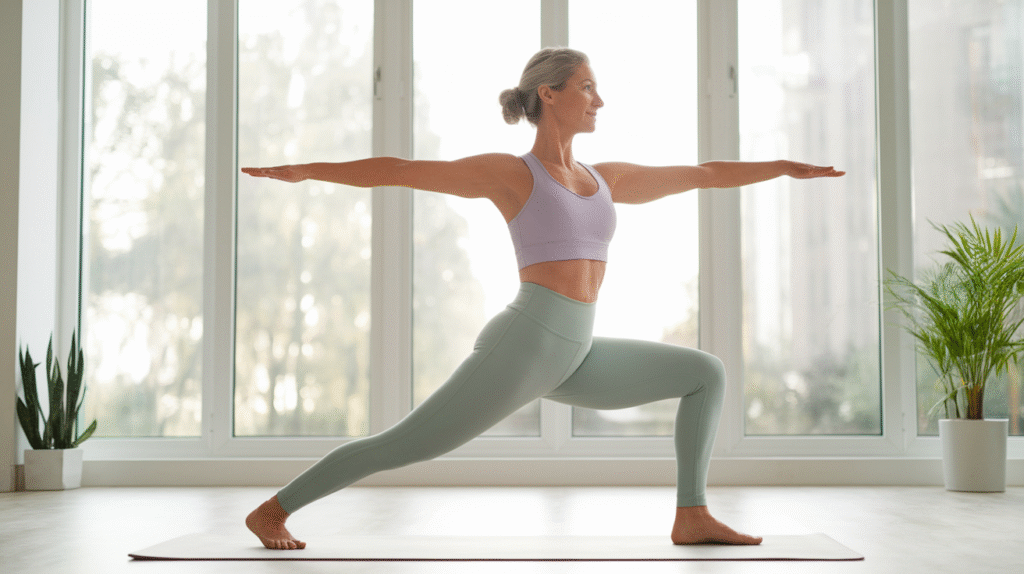
Your body is going through a massive hormonal transition right now, and understanding what’s happening helps you work with these changes instead of fighting them.
The hormonal shift happening in your 40s: Estrogen and progesterone levels start fluctuating wildly during perimenopause, which typically begins in your early to mid-40s. Meanwhile, cortisol (your stress hormone) tends to spike more easily and stay elevated longer. This triple threat creates the perfect storm for weight gain around your midsection, disrupted sleep, brain fog, and energy crashes.
Common signs you’re dealing with hormone imbalance: You might notice weight creeping on despite eating the same way you always have. Your energy tanks in the afternoon, requiring that third cup of coffee just to function. Sleep becomes elusive—you either can’t fall asleep or wake up at 3 AM with your mind racing. Mood swings appear out of nowhere, and you feel irritable over things that never bothered you before.
Here’s the kicker: Those high-intensity workouts that worked beautifully in your 30s might actually be working against you now. Excessive high-intensity exercise can spike cortisol levels, adding more stress to an already stressed system. Your body interprets intense exercise as a stressor, and when you’re already dealing with hormonal fluctuations, this can backfire completely.
How Exercise Naturally Regulates Hormones
Exercise is one of the most powerful natural hormone regulators available, but the type, intensity, and frequency matter enormously.
The movement-hormone connection: When you exercise appropriately, your body produces endorphins (feel-good hormones), improves insulin sensitivity (helping regulate blood sugar and reduce belly fat), and naturally lowers excess cortisol levels. Strength training specifically signals your body to maintain muscle mass and supports healthy testosterone levels, which decline with age but remain important for women’s health.
The perfect balance principle: Research shows that moderate-intensity exercise consistently outperforms extreme workouts for hormone balance in women over 40. A study published in the Journal of Strength and Conditioning Research found that women who did moderate resistance training three times weekly improved their hormone profiles more effectively than those doing daily high-intensity workouts.
What Makes These 7 Exercises Different
The exercises you’ll learn focus on hormone-supportive movement rather than hormone-disrupting workouts. We’re combining strength building (essential for metabolism), flexibility (crucial for stress reduction), and strategic intensity (enough to challenge your body without overwhelming it).
What to expect: Most women notice improved energy within two weeks and better sleep within three to four weeks. Weight management becomes easier around the six-week mark as your hormones stabilize. The key is consistency over intensity—showing up regularly matters more than pushing yourself to exhaustion.
The 7 Essential Hormone-Balancing Exercises
Exercise 1: Strength Training (2-3 Times Weekly)
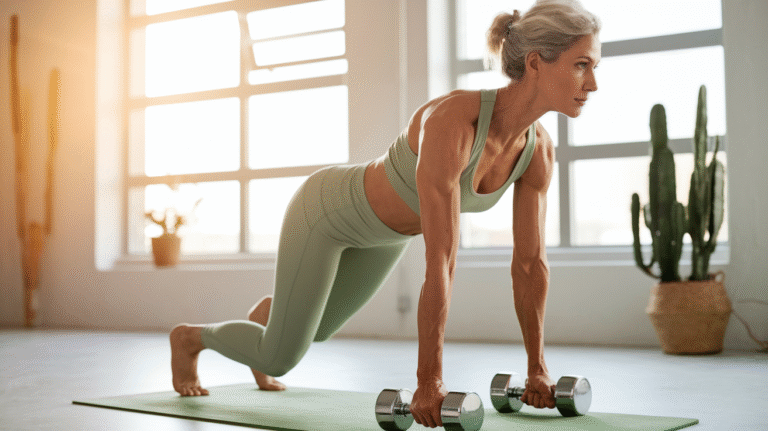
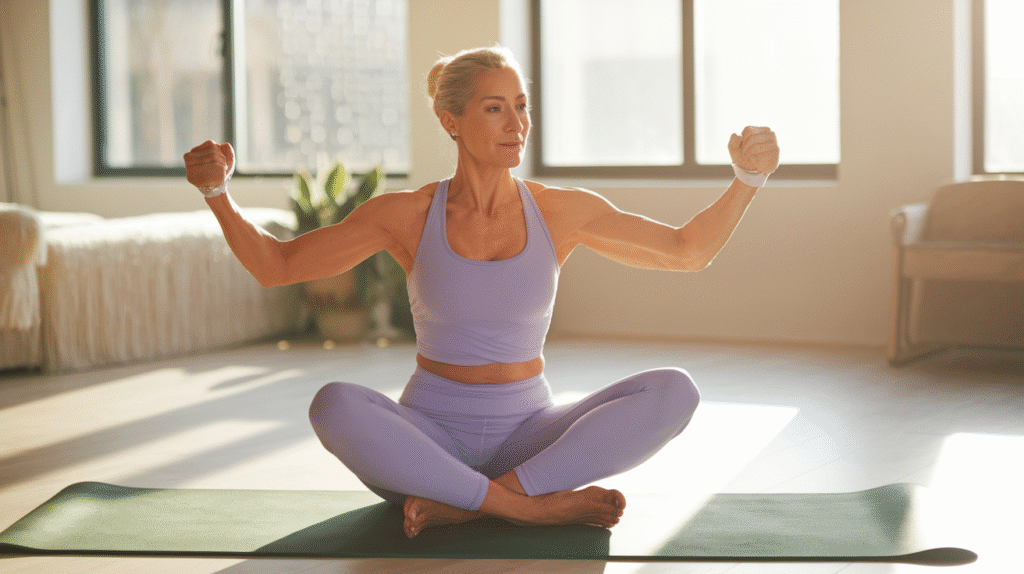
Strength training is the ultimate hormone balancer for women over 40, period. When you lift weights, you’re sending powerful signals to your body to maintain muscle mass, boost metabolism, and support healthy hormone production.
Why this works: Resistance training increases growth hormone and testosterone (yes, women need testosterone too), which naturally decline after 40. It also dramatically improves insulin sensitivity, helping your body manage blood sugar more effectively and reduce stubborn belly fat. One study found that women who strength trained twice weekly for 16 weeks reduced visceral fat by 7% and improved their metabolic markers significantly.
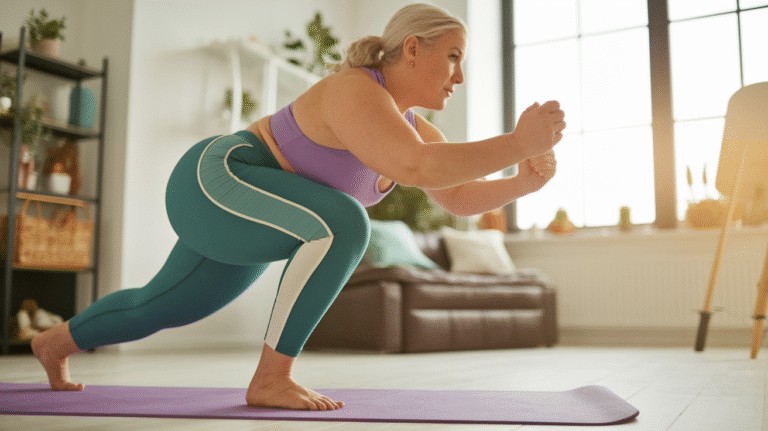
Your beginner-friendly routine: Start with bodyweight exercises or light dumbbells (5-10 pounds). Focus on compound movements that work multiple muscle groups: squats (or modified chair squats), lunges (hold onto a counter for balance if needed), push-ups (wall or counter push-ups work perfectly), and bent-over rows using water bottles or light weights. Complete 2-3 sets of 10-12 repetitions, resting 60-90 seconds between sets.
Exercise 2: Walking (Daily or 5+ Times Weekly)
Don’t underestimate the power of a simple walk. This low-intensity cardio is proven to regulate cortisol levels without adding stress to your system.
The proven benefits: Walking reduces cortisol, improves insulin sensitivity, supports lymphatic drainage, and enhances mood through endorphin release. Research shows that women who walk 30-45 minutes daily have better hormone profiles than those who do intense cardio several times weekly.
Perfect timing matters: Morning walks exposed to natural sunlight help regulate your circadian rhythm and cortisol patterns, boosting energy naturally. Evening walks (especially after dinner) help lower blood sugar, promote relaxation, and improve sleep quality. Aim for a pace where you can talk but feel slightly breathless—about 3-4 mph for most people.
Make it more effective: Include some hills or varied terrain to challenge your muscles without excessive stress. Walk on grass or trails when possible to reduce joint impact and add the stress-reducing benefits of nature exposure.
Exercise 3: Yoga (2-3 Times Weekly)
Yoga addresses hormone balance from multiple angles simultaneously—physical movement, stress reduction, and nervous system regulation.
Specific hormone benefits: Certain yoga poses directly support thyroid function (critical for metabolism), stimulate the endocrine system, and activate the parasympathetic nervous system (your “rest and digest” mode). The combination of movement, breathwork, and mindfulness reduces cortisol more effectively than exercise alone.
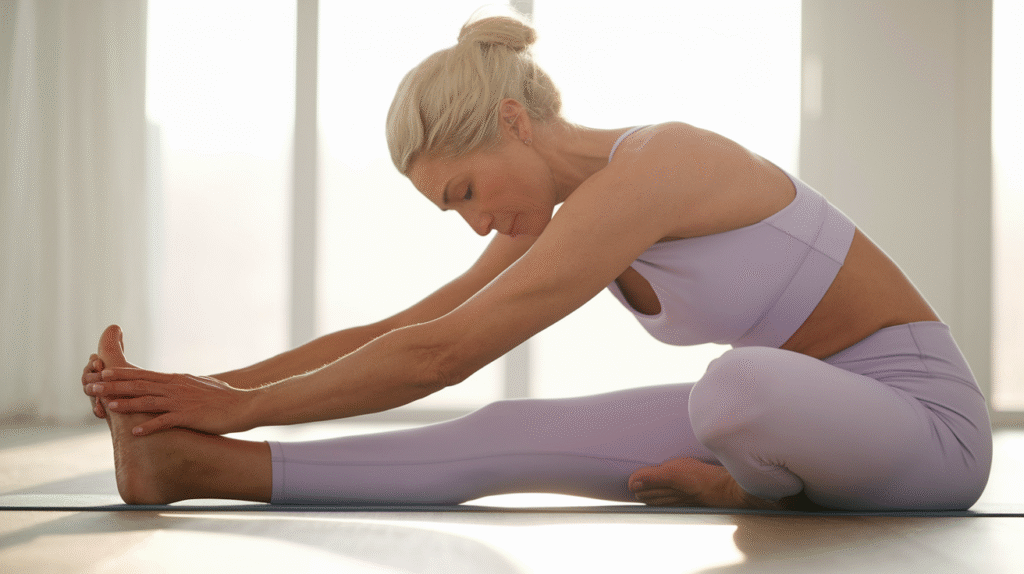
Essential poses for hormone balance: Child’s pose calms your nervous system and reduces stress. Bridge pose stimulates the thyroid and supports pelvic floor health. Legs-up-the-wall pose improves circulation, reduces inflammation, and promotes deep relaxation—perfect before bed. Seated forward folds stimulate the ovaries and support reproductive hormone balance.
Getting started: You don’t need to be flexible or attend a class. Follow along with online videos designed for beginners, focusing on gentle or restorative yoga styles. Even 15-20 minutes provides significant hormone benefits.
Exercise 4: Pilates (2 Times Weekly)
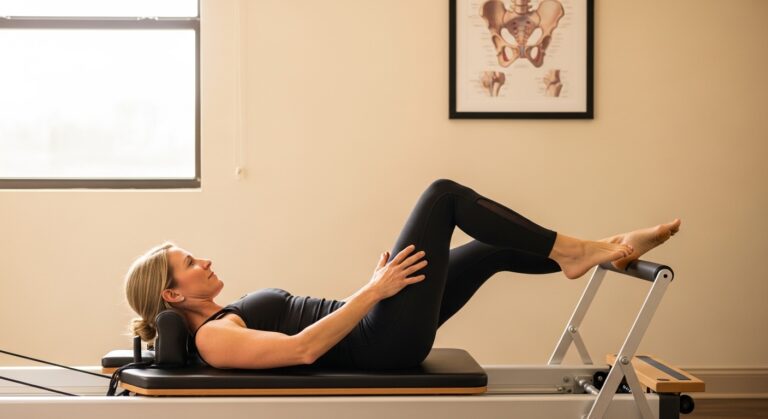
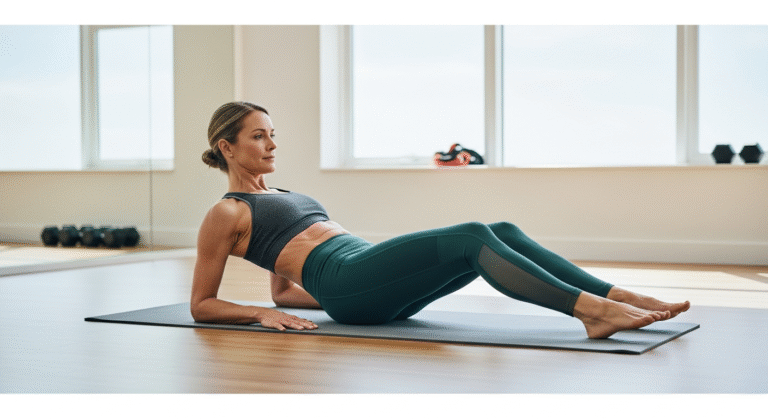
Pilates strengthens your core while supporting metabolic health and hormone regulation through controlled, mindful movement.
The hormone-health connection: Pilates improves insulin sensitivity through controlled resistance work, supports lymphatic drainage through specific breathing patterns, and reduces stress through focused, meditative movement. The emphasis on core strength also supports better posture, which affects how your endocrine glands function.
Your 15-minute home routine: Start with the Hundred (breathing exercise that warms up your core), move to single-leg stretches (strengthens abs while improving coordination), add the bridge (glute and hamstring work), include side-lying leg lifts (hip and outer thigh strength), and finish with spine stretches (flexibility and stress release). Focus on quality over quantity—proper form matters more than repetitions.
Exercise 5: Swimming or Water Aerobics (1-2 Times Weekly)
Water exercise delivers high rewards with minimal joint stress—perfect when your body needs gentler movement options.
Why water works wonders: The buoyancy reduces impact by 90%, making it ideal if you’re dealing with joint pain or inflammation. Water resistance provides effective strength training without weights. The hydrostatic pressure of water improves circulation and supports lymphatic drainage, helping reduce inflammation throughout your body.
Simple effective exercises: Water walking (forward, backward, and sideways), leg swings (holding the pool edge), arm circles and presses (using water resistance), and gentle aqua jogging all provide excellent hormone-balancing benefits. The cooling effect of water also helps regulate body temperature, which can be beneficial if you’re experiencing hot flashes.
Exercise 6: Tai Chi or Qigong (2-3 Times Weekly)
These ancient practices deliver modern, research-backed benefits for hormonal health through gentle, flowing movements.
Proven hormonal benefits: Studies show that regular tai chi practice significantly reduces cortisol levels, improves sleep quality, and enhances overall hormone balance. One 12-week study found that women practicing tai chi three times weekly experienced reduced anxiety, better sleep, and improved metabolic markers compared to a control group.
Getting started today: Begin with simple Qigong exercises like “Lifting the Sky” (raising arms overhead with deep breathing) or “Swimming Dragon” (gentle side-to-side movements). Many free online videos teach beginner sequences that take just 10-15 minutes. The key is moving slowly and synchronizing movement with breath—this activates your parasympathetic nervous system and promotes deep relaxation.
Exercise 7: High-Intensity Interval Training (1 Time Weekly—Done Right)
Yes, HIIT can support hormone balance—but only when done strategically and sparingly at this life stage.
Why timing and intensity matter: Short bursts of high-intensity exercise can boost growth hormone and improve insulin sensitivity. However, excessive HIIT raises cortisol too much and too often. The solution: limit HIIT to once weekly, keep sessions under 20 minutes, and ensure adequate recovery.
Your hormone-friendly HIIT protocol: Warm up for 5 minutes with easy movement. Complete 6-8 rounds of 20 seconds high-intensity effort (like fast walking, cycling, or bodyweight exercises) followed by 40 seconds of easy recovery. Cool down for 5 minutes. This 2:1 work-to-rest ratio provides benefits without overwhelming your system. Schedule HIIT on days when you’re well-rested and not overly stressed.
Creating Your Complete Hormone-Balancing Exercise Plan

Weekly Schedule That Actually Works
Creating a sustainable routine means balancing different exercise types throughout your week without overdoing it.
Sample 7-day hormone-supportive plan:
– Monday: Strength training (30-40 minutes) + evening walk (20 minutes) – Tuesday: Yoga (30 minutes) + morning walk (30 minutes) – Wednesday: Pilates (20 minutes) + afternoon walk (20 minutes) – Thursday: Tai Chi or Qigong (20 minutes) + evening walk (30 minutes) – Friday: Strength training (30-40 minutes) + morning walk (20 minutes) – Saturday: Swimming or water aerobics (30-45 minutes) – Sunday: HIIT (20 minutes total) OR complete rest day (alternate weekly)
Listening to your body: This schedule is a template, not a rigid prescription. If you’re exhausted, swap a planned workout for gentle yoga or a walk. If you’re feeling energized, add an extra strength session. Your energy levels provide crucial feedback about your hormone status—honor what your body tells you.
The importance of rest: Rest days allow your hormones to recover and rebalance. Without adequate recovery, you risk elevating cortisol chronically, which defeats the entire purpose. Plan at least one complete rest day weekly, and consider making it a regular part of your schedule.
Essential Tips for Maximum Results
Best timing for hormone balance: Morning exercise (especially walking or light activity) helps regulate your cortisol rhythm, which naturally peaks in the morning. Strength training works well mid-morning to early afternoon when your body temperature and strength peak. Avoid intense exercise within 3 hours of bedtime, as it can interfere with sleep—gentle yoga or walking is perfect for evenings.
Fueling your workouts: Eat a small protein-rich snack 30-60 minutes before strength training (like Greek yogurt or a handful of nuts). This stabilizes blood sugar and supports muscle building. After workouts, combine protein with complex carbs within 2 hours to optimize recovery and hormone production. Stay hydrated throughout the day—even mild dehydration affects hormone function.
Tracking meaningful progress: Skip the daily scale obsession. Instead, track energy levels, sleep quality, mood stability, and how your clothes fit. Take measurements monthly rather than weekly. Notice improvements in strength (can you do more push-ups or use heavier weights?), flexibility, and overall well-being. These markers reflect true hormonal improvement better than weight alone.
Common Mistakes to Avoid
Over-exercising after 40: More exercise doesn’t equal better results at this life stage. Exercising intensely more than 4-5 days weekly typically backfires, keeping cortisol elevated and hormones imbalanced. If you’re constantly tired, craving sugar, or not seeing results despite working out regularly, you’re likely overdoing it.
Ignoring recovery and sleep: Exercise is a stressor (a beneficial one, but still a stressor). Without 7-9 hours of quality sleep, your body can’t produce hormones properly or recover from workouts. Sleep deprivation raises cortisol, lowers growth hormone, and disrupts leptin and ghrelin (your hunger hormones). Prioritize sleep as much as exercise.
Doing too much too soon: Starting with all seven exercises at once overwhelms your body and your schedule. Begin with 2-3 exercises that feel most accessible. Master those for 3-4 weeks, then gradually add others. Sustainable change happens through small, consistent steps, not dramatic overhauls that you can’t maintain.
Making It Stick: Quick Motivation Strategies
Staying consistent when life gets busy: Schedule workouts like important appointments—put them in your calendar and protect that time. Prepare workout clothes the night before. Keep a backup plan for busy days (a 10-minute walk counts!). Remember that some movement always beats no movement.
Finding your community: Exercise becomes easier and more enjoyable with support. Join a local walking group, find an online yoga community, or recruit a friend for regular workout dates. Accountability and social connection both support hormone balance—it’s a double benefit.
Celebrating small wins: Notice and acknowledge every positive change, no matter how small. Slept better last night? Celebrate it. Completed three workouts this week? That’s a win. Had more energy today? Recognize it. These small victories accumulate into major transformations.
Beyond Exercise: Supporting Your Hormone-Balancing Efforts
Lifestyle Factors That Enhance Your Results
Exercise delivers powerful hormone benefits, but combining it with other healthy lifestyle practices creates synergistic effects that accelerate your results.
Sleep quality—the ultimate hormone reset: During deep sleep, your body produces growth hormone, regulates cortisol, and balances reproductive hormones. Create a sleep sanctuary: keep your bedroom cool (65-68°F), completely dark, and quiet. Establish a consistent sleep schedule, even on weekends. Avoid screens for 1-2 hours before bed, as blue light disrupts melatonin production.
Stress management techniques: Chronic stress keeps cortisol elevated, disrupting all other hormones. Complement your exercise routine with daily stress-reduction practices: 5-10 minutes of meditation or deep breathing, journaling, spending time in nature, or engaging in hobbies you love. These practices work synergistically with exercise to lower stress hormones.
Hydration’s impact on hormones: Dehydration affects hormone production and transportation throughout your body. Aim for half your body weight in ounces daily (a 150-pound woman needs 75 ounces). Start your day with 16 ounces of water before coffee. Keep water visible and accessible throughout the day. Proper hydration improves energy, reduces false hunger signals, and supports all metabolic processes.
Simple Nutrition Tips for Hormone Health
Foods that support hormone balance: Focus on protein at every meal (supports blood sugar stability and provides building blocks for hormones), healthy fats like avocados, nuts, olive oil, and fatty fish (essential for hormone production), cruciferous vegetables like broccoli and cauliflower (help metabolize excess estrogen), and fiber-rich foods (support gut health and hormone elimination).
Minimize hormone disruptors: Reduce processed foods high in refined sugars and unhealthy fats, limit alcohol (interferes with liver’s hormone processing), minimize caffeine after noon (disrupts cortisol rhythms), and reduce exposure to plastics and chemicals when possible (many act as endocrine disruptors).
Meal timing strategies: Eat within an hour of waking to stabilize morning cortisol, include protein and fiber at breakfast to prevent blood sugar crashes, avoid eating within 3 hours of bedtime to support growth hormone production during sleep, and consider a 12-14 hour overnight fast (like finishing dinner by 7 PM and eating breakfast at 8 AM) to support insulin sensitivity.
When to Seek Professional Support
Signs you need additional help: If you’re experiencing severe symptoms despite lifestyle changes (extreme fatigue, significant weight changes, very irregular periods, severe mood disturbances), it’s time to consult a healthcare provider. Hormone imbalances sometimes require medical intervention alongside lifestyle approaches.
Working with healthcare providers: Ask for comprehensive hormone testing (not just TSH for thyroid, but full panels), discuss your symptoms thoroughly, and bring a list of all supplements and medications. Consider working with providers who understand functional medicine or integrative approaches to hormone health.
Complementary approaches: Certain supplements can support hormone balance (like magnesium, vitamin D, omega-3s, and adaptogenic herbs), but work with a knowledgeable practitioner to determine what you specifically need. Bioidentical hormone therapy, acupuncture, and other complementary treatments can work alongside exercise and lifestyle changes for some women.
In Closing
Your Journey to Hormone Balance Starts Now
You’ve just discovered seven proven exercises that naturally support hormone regulation: strength training to boost metabolism and muscle mass, daily walking to manage cortisol, yoga for stress reduction and thyroid support, Pilates for core strength and insulin sensitivity, swimming for low-impact full-body benefits, tai chi or qigong for deep relaxation, and strategic HIIT for metabolic benefits without hormone disruption.
The complete picture: Exercise is a cornerstone of hormone balance, but it works best as part of your overall wellness strategy. Combine these movement practices with quality sleep, stress management, proper nutrition, and adequate hydration. This comprehensive approach creates the environment your hormones need to function optimally.
Empowering reminder: Small, consistent steps create lasting transformation. You don’t need to overhaul your entire life overnight. Each workout, each healthy meal, each good night’s sleep contributes to better hormone balance. Progress isn’t always linear—some weeks you’ll feel amazing, others more challenging. That’s completely normal. What matters is showing up consistently over time.
Your Simple Action Plan
Start with ONE exercise from this list that feels most doable right now. Maybe it’s a 20-minute walk tomorrow morning, or following a beginner yoga video before bed tonight. Maybe it’s scheduling two strength training sessions for next week. Choose what resonates with you and commit to just that one thing.
Give it two weeks and pay attention to how you feel. Notice your energy levels, sleep quality, mood, and overall sense of well-being. These early improvements will motivate you to continue and gradually add more hormone-supportive exercises to your routine.
Remember what you’re really doing: You’re not just exercising—you’re investing in your hormonal health, your energy, your mood, and your overall vitality. You’re taking control of how you feel in your body and setting yourself up for a vibrant, energized future.
Final Encouragement
You’re not alone in navigating these hormonal changes. Millions of women are experiencing the same challenges, searching for the same solutions, and discovering that the right approach makes all the difference.
Your 40s don’t have to be about accepting decline or resigning yourself to feeling less than your best. With the right exercise routine, supportive lifestyle habits, and consistent effort, this decade can be your most vibrant yet. You have the knowledge, the tools, and the power to transform how you feel.
The perfect time to start is now. Not next Monday, not after the holidays, not when life calms down (it never does). Today. This moment. Your future self—the one with balanced hormones, steady energy, restful sleep, and genuine vitality—is already thanking you for taking this first step.
You’ve got this. Now go show your hormones who’s boss.