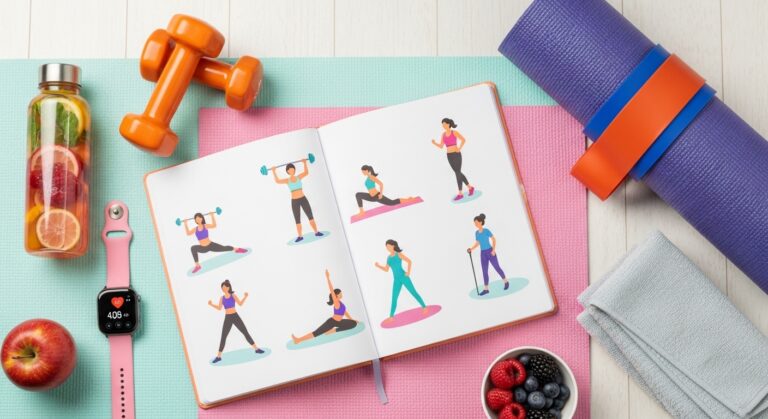
5 minute morning abs women over 40

Let’s talk about what nobody mentions in those glossy fitness magazines: your body at 40+ doesn’t respond the way it used to. Your metabolism has shifted gears. Hormones are doing their own thing. And finding time between work, family, and everything else on your plate? Nearly impossible.
You’ve tried the workout plans. You’ve downloaded the apps. Maybe you even signed up for that gym membership that now charges your card while collecting dust. The problem wasn’t your commitment—it was that those programs weren’t designed for your reality.
Here’s what I’m promising you: a proven, science-backed approach that takes exactly five minutes each morning. Not “whenever you can fit it in.” Not “three times a week if you’re motivated.” Five minutes, every morning, specifically designed for how your body works after 40.
Why morning ab work? Because your cortisol levels are naturally elevated when you wake up, making it the perfect time to engage your metabolism. Your house is quiet. Your mind isn’t cluttered with the day’s demands yet. These five minutes belong entirely to you.
In this guide, you’ll discover the exact routine that’s helping thousands of women over 40 reclaim their core strength. You’ll learn why traditional ab workouts fail us at this age, how to execute each movement with perfect form, and most importantly—how to make this sustainable for the long haul. No equipment required. No complicated choreography. Just five minutes between you and a stronger, more confident version of yourself.
Why Women Over 40 Need a Different Approach to Core Training

Understanding Your Changing Body
Your body after 40 operates under different rules, and pretending otherwise sets you up for frustration. Perimenopause and menopause trigger hormonal shifts that fundamentally change how your body stores fat and maintains muscle. Estrogen levels fluctuate and eventually decline, which means fat distribution shifts toward your midsection—even if your diet hasn’t changed.
Research shows metabolism naturally slows by about 5% per decade after you hit 40. That’s not a character flaw or lack of willpower. It’s biology. Your body is also losing muscle mass at a rate of 3-8% per decade, a process called sarcopenia. Less muscle means fewer calories burned at rest, creating a frustrating cycle.
Traditional ab workouts designed for 20-somethings ignore these realities completely. Those high-impact routines assume you have endless recovery time, stable hormone levels, and joints that haven’t logged four decades of wear. They’re built for bodies that can bounce back overnight—and that’s simply not where you are anymore.
The Power of Morning Core Work After 40
Morning exercise delivers a metabolic boost that lasts up to 14 hours. When you engage your core first thing, you’re essentially flipping a switch that keeps your body burning calories more efficiently throughout the entire day. This matters exponentially more after 40 when your baseline metabolism needs every advantage.
Fasted training—working out before breakfast—specifically targets stubborn belly fat. Your glycogen stores are depleted overnight, so your body taps into fat reserves for energy more readily. For women over 40 dealing with hormonal fat storage around the midsection, this creates a powerful advantage.
But here’s the real magic: mornings are yours. Before the emails start flooding in, before anyone needs anything from you, before life hijacks your schedule—these five minutes are non-negotiable. Building consistency when everything else feels overwhelming becomes possible because you’re claiming time that’s actually available.
What Makes 5 Minutes Effective (Not Just Quick)
Quality trumps quantity every single time, especially after 40. Five minutes of targeted movements that engage your deep core muscles—the transverse abdominis, obliques, and pelvic floor—delivers better results than 30 minutes of mindless crunches.
Shorter, consistent workouts outperform sporadic long sessions because your body responds to regular stimulus. Working your core daily for five minutes creates progressive overload in small, manageable doses. Your muscles adapt, strengthen, and grow without the overwhelming soreness that derails longer, less frequent workouts.
The science backs this up: progressive overload doesn’t require marathon sessions. It requires consistent challenge. Adding five seconds to a plank hold, increasing your range of motion slightly, or maintaining better form—these micro-progressions compound into major results when you show up every single day.
The Complete 5-Minute Morning Abs Routine

The Warm-Up (60 seconds)
Never skip this step. Your body after 40 needs proper preparation to prevent injury and maximize effectiveness.
Cat-Cow Stretches (30 seconds): Start on hands and knees. Inhale as you drop your belly and lift your gaze—that’s cow pose. Exhale as you round your spine and tuck your chin—that’s cat pose. Flow between these positions for 30 seconds. This activates your entire core while protecting your back and increasing spinal mobility.
Standing Torso Twists (30 seconds): Stand with feet hip-width apart, hands at chest level. Gently rotate your torso left and right, letting your arms swing naturally. This increases blood flow to your core muscles and warms up your obliques. Keep your hips stable—the rotation comes from your waist.
Why warming up matters more after 40: Your connective tissue is less elastic. Your joints need extra preparation. Jumping straight into core work without warming up increases injury risk and reduces the effectiveness of every exercise that follows.
The Core Circuit (3 minutes, 30 seconds)
Modified Plank Hold (45 seconds): Position yourself on forearms and knees (or toes if you’re ready). Keep your body in a straight line from head to tailbone. Don’t let your hips sag or pike up. Press your forearms into the ground and engage your core by pulling your belly button toward your spine.
Proper form for shoulder and back safety: Your elbows should be directly under your shoulders. Keep your neck neutral by looking at the floor about a foot in front of your hands. If you feel pain in your lower back, you’re either sagging or holding too long—drop to your knees immediately.
The knee modification doesn’t sacrifice effectiveness. You’re still engaging your entire core while building strength progressively. As you get stronger, extend one leg at a time before graduating to full plank position.
Dead Bug (45 seconds): Lie on your back with arms extended toward the ceiling and knees bent at 90 degrees over your hips. Slowly lower your right arm overhead while extending your left leg, keeping your lower back pressed into the floor. Return to start and switch sides. Move deliberately—this isn’t a race.
This exercise is a game-changer for deep core activation because it forces your transverse abdominis to stabilize your spine while your limbs move. Breathe out as you extend, breathe in as you return. If your lower back arches off the floor, you’re extending too far—reduce your range of motion.
Bicycle Crunches (45 seconds): Lie on your back with hands behind your head (not pulling your neck). Lift your shoulder blades off the ground. Bring your right elbow toward your left knee while extending your right leg. Switch sides in a pedaling motion. Focus on controlled rotation, not speed.
This targets your obliques to sculpt your waistline while engaging your entire core. Keep your lower back pressed to the floor throughout. If you feel neck strain, place one hand behind your head and the other on your abs to reduce tension.
Reverse Crunches (45 seconds): Lie on your back with knees bent and feet flat. Place hands by your sides. Engage your core to lift your hips off the ground, bringing your knees toward your chest. Lower with control. The movement is small but powerful.
This lower ab focus builds functional strength without straining your neck. The key is the pelvic tilt—you’re tilting your pelvis to lift your hips, not swinging your legs. This movement supports better posture and reduces lower back pain in daily activities.
Side Plank (30 seconds each side): Lie on your right side, propped on your right forearm with feet stacked or staggered. Lift your hips to create a straight line from head to feet. Hold, then switch sides. Keep your core tight and don’t let your hips sag.
This builds lateral core strength to prevent injury during everyday movements like reaching, twisting, and lifting. Beginner modification: drop your bottom knee to the ground while keeping your top leg extended. This exercise supports better posture by strengthening the muscles that keep you upright.
The Cool-Down (30 seconds)
Child’s Pose (20 seconds): Kneel and sit back on your heels, extending your arms forward on the ground. Let your forehead rest down. Breathe deeply. This decompresses your spine and gently stretches your core muscles.
Gentle Core Stretch (10 seconds): Lie on your stomach, place your hands under your shoulders, and gently press up into a cobra stretch. Keep your hips on the ground. This prevents soreness and maintains flexibility.
Take this moment to set your intention for the day. You’ve already accomplished something powerful before most people are out of bed.
Maximizing Results: What to Do Before and After Your 5 Minutes

The Night-Before Setup for Success
Eliminate every possible excuse before they happen. Lay out your workout clothes the night before—sports bra, comfortable pants, everything ready to go. This removes a decision point when willpower is lowest (first thing in the morning).
Set a specific time trigger that already exists in your routine. Right after you brush your teeth. Before you make coffee. After you let the dog out. Attach your workout to an established habit, and it becomes automatic rather than something you have to remember.
Prepare your space in under two minutes: clear a small area, roll out a mat if you have one (or grab a towel if you don’t), and set your phone timer to five minutes. Remove any obstacles—literally and figuratively—between you and getting started.
Nutrition Strategies That Amplify Core Results
Should you eat before? For this five-minute routine, working out fasted delivers maximum benefits. Your body taps into fat stores more readily, and you avoid the sluggish feeling that comes with exercising on a full stomach. However, if you feel dizzy or weak, have a small piece of fruit 15 minutes before starting.
Post-workout protein timing matters for muscle recovery, especially after 40 when muscle synthesis slows. Eat a protein-rich breakfast within 30-60 minutes of finishing your routine. Greek yogurt, eggs, or a protein smoothie helps your muscles repair and grow stronger.
Hydration hacks that reduce bloating and reveal definition: drink 16 ounces of water immediately after your workout. This flushes out toxins, reduces water retention (counterintuitive but true), and jumpstarts your metabolism. Add lemon for extra benefits and flavor.
The Progressive Approach: Weeks 1-8
Weeks 1-2: Foundation Phase Focus exclusively on form, not speed or intensity. Expect to feel muscles you forgot existed. Some soreness is completely normal—it means you’re working muscles that have been underutilized. Track your baseline: how long can you hold a plank? Can you complete all reps with good form?
Weeks 3-5: Building Phase Add 5-10 seconds to your holds. Increase your range of motion slightly—extend your leg a bit farther in dead bugs, lift your hips higher in reverse crunches. Reduce modifications when you’re ready—maybe move from knee plank to one leg extended.
Weeks 6-8: Strength Phase Introduce variations to prevent plateaus. Hold a water bottle during bicycle crunches. Add a pulse at the top of your reverse crunches. Increase intensity without adding time by slowing down your movements—this creates more time under tension, which builds serious strength.
Measure progress beyond the scale. Are your jeans fitting differently around the waist? Can you sit up straighter without thinking about it? Has your lower back pain decreased? These victories matter infinitely more than pounds lost.
Overcoming the Biggest Obstacles Women Over 40 Face

“I Don’t Have Time” (Yes, You Do)
Let’s do the math: five minutes equals 0.3% of your day. You spend more time scrolling social media at a stoplight. The truth isn’t that you don’t have time—it’s that you haven’t protected this time from everything else competing for your attention.
How to protect your morning routine from family demands: set boundaries. Wake up five minutes earlier if necessary. Close your bedroom door. Communicate clearly that these five minutes are non-negotiable. You’re not being selfish—you’re modeling healthy habits for everyone watching you.
Powerful mindset shift: this isn’t selfish, it’s self-preservation. You cannot pour from an empty cup. Taking care of your body ensures you have the energy, strength, and mental clarity to handle everything else life throws at you. Five minutes of investment pays dividends all day long.
“I Have Back/Knee/Neck Issues”
Every exercise in this routine includes safe modifications. Back issues? Keep movements smaller and focus on maintaining neutral spine. Knee problems? Stay on your knees for planks and use a cushion for comfort. Neck sensitivity? Support your head during crunches or eliminate them entirely—dead bugs and reverse crunches work your core without neck involvement.
When to consult a healthcare provider: if you experience sharp pain (not muscle fatigue), if pain persists beyond your workout, or if you have diagnosed conditions requiring medical clearance. A five-minute routine is gentle, but your safety comes first.
Here’s the encouraging truth: core strength actually reduces chronic pain over time. A strong core supports your spine, improves posture, and takes pressure off your joints. Many women find that consistent core work eliminates back pain that’s plagued them for years.
“I’m Not Seeing Results Fast Enough”
Realistic timeline: Week one, you’ll feel stronger and more energized. Week two, you’ll notice improved posture. Week four, you’ll see subtle definition emerging. Week eight, others will start commenting on your transformation. Week twelve, you’ll wonder why you ever doubted yourself.
Non-scale victories that matter more: bending down to tie your shoes without bracing yourself. Carrying groceries without your back aching. Standing for long periods without fatigue. Playing with grandkids without getting winded. Wearing clothes that haven’t fit in years. Feeling confident in your body regardless of the number on the scale.
Why comparison is the enemy of progress after 40: your journey is yours alone. That influencer on Instagram is 25 with different genetics, different responsibilities, and probably a personal trainer. Compare yourself only to who you were yesterday.
“I Keep Falling Off Track”
The 2-day rule saves everything: never miss twice in a row. Miss Monday? Get back to it Tuesday without guilt or shame. Life happens. You’re human. The difference between people who succeed and people who quit is that successful people restart immediately instead of waiting for “next Monday” or “next month.”
How to restart without guilt: acknowledge what happened, identify what derailed you, adjust if necessary, and begin again tomorrow morning. No drama. No self-flagellation. Just a simple decision to show up again.
Building accountability makes consistency easier. Use a habit-tracking app and check off each day you complete your routine. Find a friend doing the same workout and text each other every morning. Or simply put an X on your calendar—watching that chain of X’s grow becomes surprisingly motivating.
In Closing
Your Transformation Starts Tomorrow Morning
This five-minute routine works specifically for women over 40 because it respects how your body has changed while leveraging its strengths. It’s designed around your schedule, your energy levels, and your need for sustainable, realistic fitness that fits into real life.
The proven benefits extend far beyond visible abs: a stronger core means better posture that makes you look taller and more confident. Increased metabolism means your body burns more calories all day. Reduced back pain means moving through life with ease instead of discomfort. Improved functional strength means handling daily activities without strain.
Here’s the empowering truth that changes everything: you don’t need hours at the gym, expensive equipment, or complicated programs. You need five minutes, consistency, and the decision to invest in yourself. That’s it. The barrier to entry is so low that the only thing standing between you and transformation is the choice to start.
Your Action Plan
Tonight, before you go to bed: set out your workout clothes where you’ll see them first thing. Choose your exact start time—be specific. Set your phone alarm if that helps. Prepare your space by clearing a small area and having your mat or towel ready.
Tomorrow morning: complete the routine even if your form isn’t perfect. Even if you have to modify every single exercise. Even if you can only hold that plank for 15 seconds. Showing up matters infinitely more than performing perfectly.
This week: commit to five out of seven days. Give yourself two rest days because recovery matters, but don’t let those rest days become excuses to quit. Five days creates momentum. Five days proves you can do this.
This month: watch how five minutes compounds into visible, measurable change. Notice how your energy increases. Feel how your core engages automatically during daily activities. See how your confidence grows with each completed workout.
Final Motivation
You’re not too old. You’re not too busy. You’re not too out of shape. These are stories we tell ourselves when we’re afraid to try and fail. But here’s what I know: every woman over 40 with sculpted abs, with a strong core, with that enviable confidence—every single one of them started with day one. They weren’t special. They weren’t lucky. They just decided to show up for five minutes each morning.
The best time to start was ten years ago. The second best time is tomorrow morning when your alarm goes off and you make the choice to invest in yourself. Five minutes is how you take back control of your body and your confidence. Five minutes is how you prove to yourself that you’re worth the effort.
Your future self—the one with a stronger core, better posture, less pain, and more confidence—is waiting for you to take the first step. She’s cheering you on. She knows you can do this because she’s already lived it.
Set that alarm. Lay out those clothes. Tomorrow morning, you begin.